Tag: nutrition-uk

  • Low Calorie High Protein Meals for Women UK: Simple, Effective Options

    Low Calorie High Protein Meals for Women UK: Simple, Effective Options

    Starting a fitness journey can feel overwhelming, especially when it comes to knowing what to eat. Low calorie high protein meals are essential for women aiming to lose weight and build muscle, but finding simple options that fit a busy UK lifestyle is tricky. This guide breaks down affordable, easy meal ideas with clear nutrition targets to help you feel confident in your choices from day one.

    Why Gym Anxiety Is Real and Nothing to Be Ashamed Of

    Gym anxiety affects around 48% of women in the UK according to Sport England’s research, with concerns about feeling watched, not knowing how to use equipment, or being judged in free weight areas the most common barriers. Anxiety can reduce motivation to attend regularly, which negatively impacts fitness progress. The mental health charity Mind highlights that physical activity often feels intimidating for beginners but confirms exercise can reduce anxiety once the initial hurdle is overcome.

    For many, the gym is a new social environment where unfamiliar machines and open spaces trigger self-consciousness. One UK study reported that women spend an average of 12 minutes avoiding certain gym zones due to discomfort, which can reduce workout effectiveness. Understanding these feelings as common and documented helps normalise them and encourages taking small, manageable steps to build confidence.

    The Practical Steps to Feeling Confident in the Gym

    Start by planning short visits of 20 to 30 minutes focused on a simple routine. Begin with machines that have clear instructions and adjustable weights, like seated row or leg press, which are less intimidating than free weights. Schedule your sessions during quieter times, typically mid-morning weekdays, to avoid busy peak hours. For more on fitness guides, see our guide.

    Create a step-by-step plan: spend 5 minutes warming up on a treadmill or bike, follow with 15 minutes of resistance exercises using machines, and finish with 5 minutes of stretching or light cardio. Repeating this 2–3 times per week builds familiarity. Bring a gym buddy if possible, as having company reduces anxiety and increases accountability.

    Use a notebook or phone to track your weights and reps to see progress clearly. This practical record shows improvement and shifts focus from others to your own goals. If unsure about equipment use, many UK gyms like PureGym and David Lloyd offer free induction sessions or beginner classes to explain basics.

    If you'd rather not plan this manually, Milo generates your meals and workouts automatically.

    How to Handle the Moments That Feel Uncomfortable

    Three common gym mistakes cause discomfort and slow progress: overthinking others’ opinions, rushing exercises with poor form, and neglecting rest between sets.

    Firstly, assuming others are watching closely increases anxiety but in reality, most gym users focus on their own workout. Redirect your focus inward by setting small goals per session instead of comparing yourself to others.

    Secondly, rushing through exercises to finish quickly often leads to sloppy form, increasing injury risk and reducing effectiveness. A controlled pace with moderate weights is safer and builds strength steadily.

    Lastly, skipping rest periods or doing too many exercises in a row can cause fatigue and frustration. Aim for 30–60 seconds rest between sets to maintain energy and quality in movements. Recognising these pitfalls and adjusting your approach improves both confidence and results.

    What Regulars Know That Beginners Don't

    Experienced gym users understand that consistency beats intensity early on. Regulars focus on routines that fit their lifestyle rather than trying advanced workouts immediately. They know that muscle growth and fat loss require balance between effort, recovery, and nutrition.

    They also prioritise protein intake to support muscle repair. For women, aiming for 1.6–2.2 grams of protein per kilogram of body weight daily is effective for fat loss while maintaining lean muscle. This means a 65kg woman needs roughly 104–143g of protein daily, spread across meals.

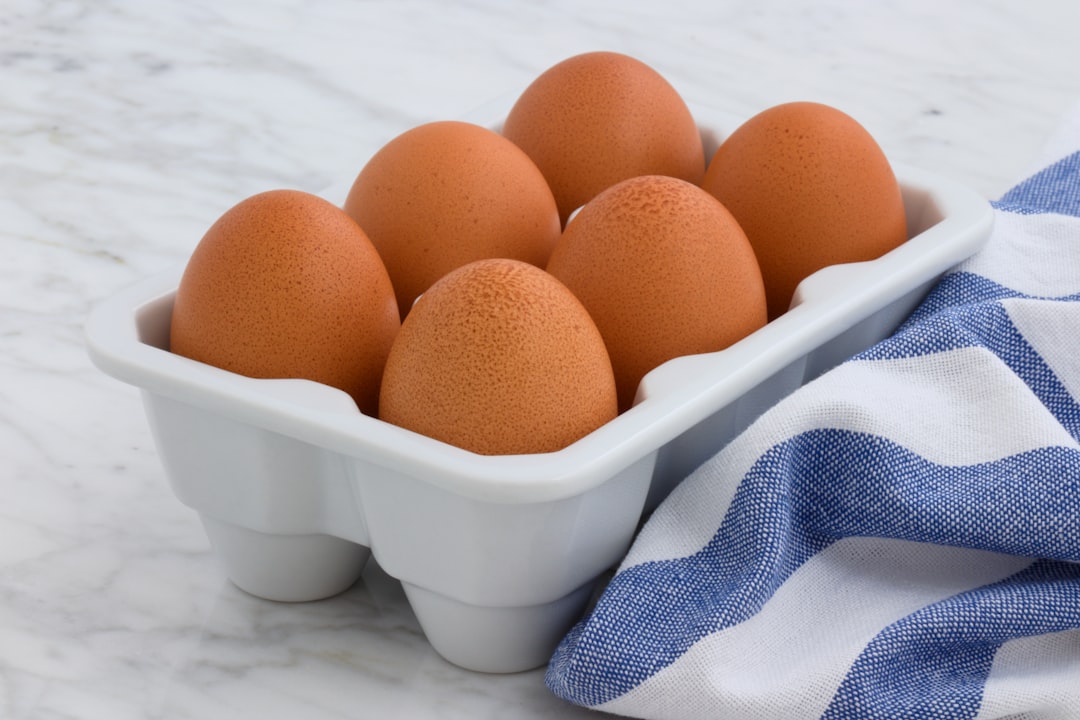
    Regulars prepare meals in advance to avoid last-minute unhealthy choices. Simple meals like grilled chicken with steamed vegetables or lentil salads with feta cheese provide high protein with low calories. They also use snacks such as Greek yoghurt or boiled eggs to meet protein targets without excess calories.

    Milo helps you stay consistent — no spreadsheets, no guesswork.

    Your First Month Plan: Building Confidence Through Routine

    Week 1: Visit the gym twice this week for 20 minutes each time, focusing on machines with clear instructions. Prepare two low calorie high protein meals at home and note down portions.

    Week 2: Increase gym visits to three times, adding a 5-minute warm-up and cool-down. Try one new recipe, such as salmon with broccoli and quinoa, aiming for 350 calories and 30g protein.

    Week 3: Introduce light free weights like dumbbells at home or in the gym for 10 minutes. Ensure rest days between sessions. Plan snacks that include protein, such as cottage cheese with cucumber.

    Week 4: Combine gym with a brisk 15-minute walk on non-gym days. Review progress and adjust meals to maintain protein within 1.6–2.2g/kg body weight and calories to create a moderate deficit.

    This plan aligns with the NHS physical activity guidelines recommending at least 150 minutes of moderate exercise weekly and strength exercises twice per week for adults aged 19 to 64. Meeting these targets supports physical and mental health improvements as confidence grows.

    Mind highlights the link between exercise and easing anxiety while Sport England’s research documents common barriers experienced by women. Following the NHS physical activity guidelines ensures your routine supports wellbeing and fitness effectively. Learn more about the Milo and how it can help you get started.

    Frequently Asked Questions

    What are some quick low calorie high protein meals suitable for women in the UK?

    Quick low calorie high protein meals for women in the UK include grilled chicken breast with steamed vegetables, baked salmon with quinoa and broccoli, lentil and spinach salad with feta, or cottage cheese with cucumber and tomatoes. These meals typically contain 300–400 calories and 25–35g of protein, ideal for fat loss and muscle maintenance.

    How much protein should women eat daily for fat loss in the UK?

    Women aiming for fat loss should consume between 1.6 to 2.2 grams of protein per kilogram of their body weight daily. For example, a 65kg woman needs approximately 104–143 grams of protein spread across meals to preserve muscle while reducing fat.

    How can beginners overcome gym anxiety in UK gyms like PureGym or David Lloyd?

    Beginners can reduce gym anxiety by attending induction sessions offered free by many UK gyms, visiting during quieter hours, focusing on machines with clear instructions, bringing a friend, and setting small, achievable goals each visit. Tracking progress also helps shift focus from others to personal improvement.

    How long does meal prep take each week for low calorie high protein meals?

    Meal prep for low calorie high protein meals typically takes around 1 to 2 hours weekly. Planning simple recipes like grilled chicken, boiled eggs, and vegetable salads in batches can save time and ensure nutritious meals are ready to eat during busy days.

    What is a good beginner workout plan for women focusing on fat loss in the UK?

    A good beginner workout plan includes 2–3 gym sessions per week lasting 20–30 minutes, combining machine-based resistance exercises with light cardio warm-ups and cool-downs. Rest periods of 30–60 seconds between sets and gradual introduction of free weights support strength building and fat loss safely.

    Get started with Milo. Start your 7-day free trial — from £7.99/month.

    Disclaimer: This article is for informational purposes only and does not constitute medical, nutritional, or professional fitness advice. Always consult a qualified healthcare professional before making changes to your diet or exercise routine.
  • Intermittent Fasting for Women UK Does It Work? A Beginner’s Guide

    Intermittent Fasting for Women UK Does It Work? A Beginner’s Guide

    If you’re a woman in the UK curious about intermittent fasting as a way to lose weight or improve your health, you’re not alone. This guide breaks down how intermittent fasting works specifically for women, what science says about its effectiveness, and how to try it safely. You’ll get clear, practical advice tailored for beginners who want to see real results without confusion or gimmicks.

    Why Gym Anxiety Is Real and Nothing to Be Ashamed Of

    Gym anxiety is a genuine barrier for many women, impacting over 40% of female gym-goers in the UK according to Sport England’s research on women in sport barriers. This anxiety often stems from feeling watched, uncertainty about equipment, or discomfort in mixed spaces. For example, a survey found 52% of women avoid gyms because they feel self-conscious using free weights or machines. Recognising this is key — it’s not a sign of weakness but a common, documented issue.

    Mental health organisations like Mind highlight how exercise can both improve and be hindered by anxiety, especially for beginners. The fear of making mistakes or being judged can prevent women from even entering a gym. Understanding this context validates your feelings and helps frame the challenge as something that many face and overcome. Knowing these barriers exist is the first step to tackling them realistically rather than feeling isolated.

    The Practical Steps to Feeling Confident in the Gym

    Building gym confidence starts with a clear, simple plan tailored to your comfort level. Begin with short sessions—20 to 30 minutes—focused on machines or exercises that feel manageable. For instance, spend your first two weeks mastering three machines you find easiest, using instructional placards or beginner guides available at most UK gym chains like PureGym or David Lloyd. For more on fitness guides, see our guide.

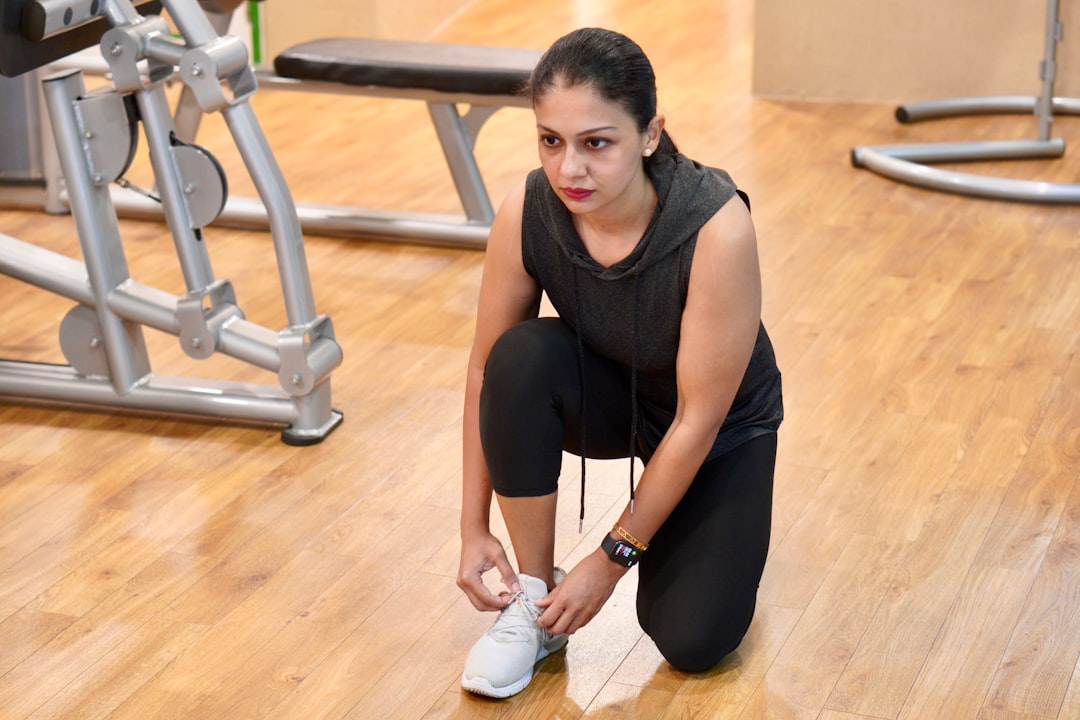
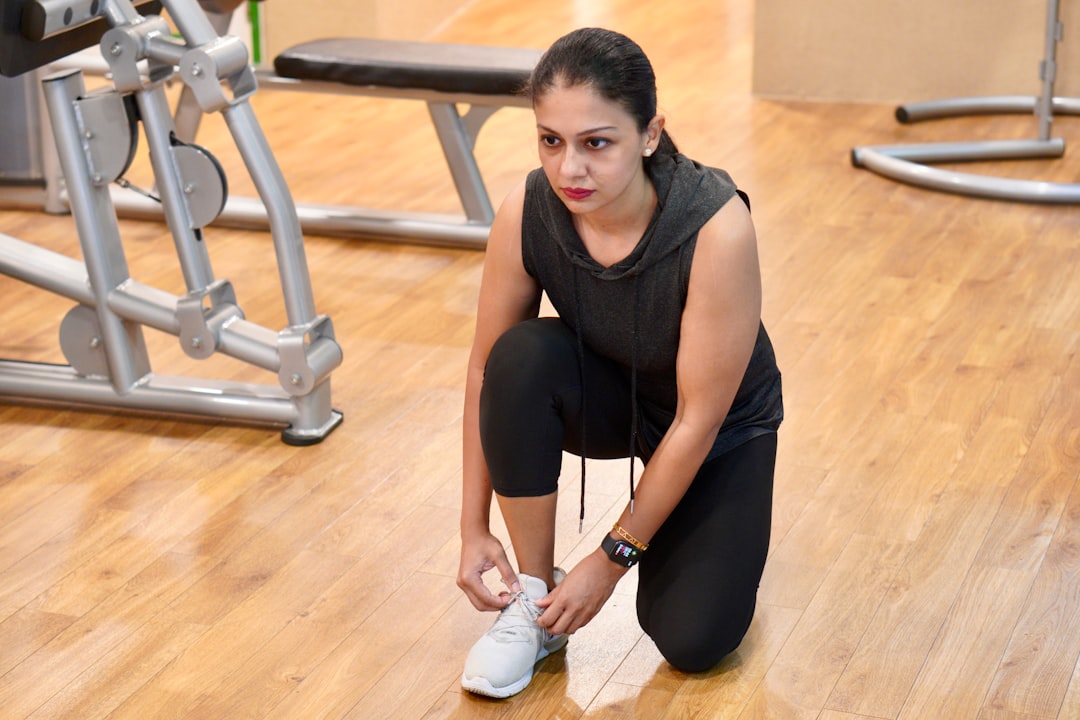
    Next, schedule gym times during quieter hours, often mid-mornings or early afternoons, to reduce the feeling of being watched. Wearing comfortable, familiar clothes and bringing headphones can also create a personal bubble, easing nerves. If free weights intimidate you, start with bodyweight exercises to build strength and confidence before progressing.

    Tracking your progress weekly helps maintain focus. For example, note the weights used, reps completed, or time spent on cardio. This concrete data replaces vague feelings of uncertainty with measurable achievements, reinforcing confidence. Additionally, reading up on exercise benefits linked to mental health can motivate persistence, as Mind explains how regular physical activity reduces anxiety symptoms.

    If you'd rather not plan this manually, Milo generates your meals and workouts automatically.

    How to Handle the Moments That Feel Uncomfortable

    Three common uncomfortable moments beginners face include: feeling unsure how to use equipment, being interrupted by others, and comparing progress to regular gym-goers. Each can derail motivation if not managed.

    Firstly, equipment confusion can lead to hesitation. Combat this by asking gym staff or using reputable online tutorials to understand correct form and settings. Avoid guessing, as incorrect use increases injury risk and discomfort.

    Secondly, interruptions or unsolicited advice can feel intrusive. Politely but firmly saying "I’m focusing on my routine" or using headphones signals your boundaries without confrontation.

    Thirdly, comparing yourself to others often leads to discouragement. Remember, many regulars started where you are. Focus on your own improvements, however small. Keeping a personal log of your efforts turns comparisons into a record of progress, reducing anxiety and improving motivation.

    What Regulars Know That Beginners Don't

    Experienced gym users understand that consistency and routine trump intensity when starting out. For women, particularly those balancing hormones, the irregular or extreme fasting periods can backfire if done without attention to nutrition quality and rest.

    Regulars also know that fatigue and hunger during fasting windows are normal initially but diminish as the body adapts. They plan meals to include protein and fibre to maintain energy, rather than simply cutting calories. Depriving yourself can trigger cravings and undermine efforts.

    Another insight is that social support matters. Joining women-only classes or beginner-friendly sessions at gyms like Bannatyne or Virgin Active can create a safer space and reduce anxiety. Regulars often schedule workouts with friends or in groups to boost accountability and enjoyment.

    Finally, experienced exercisers track their results over months, not days. They understand that intermittent fasting effects vary by individual and that patience combined with consistent exercise and balanced eating yields sustainable results.

    Milo helps you stay consistent — no spreadsheets, no guesswork.

    Your First Month Plan: Building Confidence Through Routine

    Start your first month with a simple schedule: aim for three gym visits of 30 minutes each week, combining light resistance training and gentle cardio. Choose off-peak times to reduce pressure. For fasting, try a 12:12 window (12 hours fasting, 12 hours eating) to see how your body responds without strain.

    Week 1-2: Focus on learning machine use and bodyweight exercises. Keep meals balanced with protein, vegetables, and whole grains during eating periods.

    Week 3-4: Gradually increase fasting to 14:10 if comfortable. Add low-impact cardio like walking or cycling. Track energy and mood daily to adjust as needed.

    By month’s end, aim to meet the NHS physical activity guidelines of 150 minutes of moderate exercise weekly, which supports both mental and physical health. This gradual build-up helps reduce anxiety while creating a sustainable fitness habit.

    This approach balances the benefits of intermittent fasting with realistic, anxiety-aware exercise routines to help women in the UK feel confident and see results.

    Mind’s research on exercise and anxiety supports recognising gym anxiety as real and common.

    Sport England’s women in sport barriers offers data on female participation challenges.

    The NHS physical activity guidelines provide clear targets for weekly exercise. Learn more about the Milo and how it can help you get started.

    Frequently Asked Questions

    Does intermittent fasting work for women trying to lose weight in the UK?

    Intermittent fasting can support weight loss for women in the UK when combined with balanced nutrition and regular exercise. Effectiveness varies individually, especially due to hormonal differences. Starting with shorter fasting windows (12-14 hours) is advisable, monitoring energy levels and overall health to find a sustainable routine.

    How long should women fast during intermittent fasting to see results?

    Most women begin with a 12 to 14-hour fasting window, gradually increasing if comfortable. Extended fasting beyond 16 hours can affect hormone balance, so starting small and observing bodily responses is key. Results typically appear after several weeks of consistent practice alongside healthy eating.

    Can intermittent fasting cause hormone imbalances in women?

    Intermittent fasting may influence hormone levels, especially if fasting periods are too long or calorie intake is inadequate. Women with existing hormonal issues should approach fasting cautiously and consider consulting healthcare professionals. Balanced nutrition during eating windows helps minimise negative hormone effects.

    Is it safe for beginners in the UK to combine intermittent fasting with gym workouts?

    Yes, beginners can safely combine intermittent fasting with exercise by timing workouts during eating periods or when energy feels sufficient. Starting with moderate activity and shorter fasting windows reduces fatigue risk. Monitoring how your body reacts and adjusting as needed ensures safety and effectiveness.

    What foods should women focus on during eating periods when intermittent fasting?

    During eating windows, women should prioritise nutrient-dense foods like lean proteins, whole grains, healthy fats, and plenty of vegetables. These support satiety, energy, and recovery, preventing overeating or nutrient deficiencies. Avoiding high-sugar and processed foods enhances fasting benefits and overall health.

    Get started with Milo. Start your 7-day free trial — from £7.99/month.

    Disclaimer: This article is for informational purposes only and does not constitute medical, nutritional, or professional fitness advice. Always consult a qualified healthcare professional before making changes to your diet or exercise routine.
  • How to Lose Weight in Your Thighs as a Woman UK: A Beginner’s Guide

    How to Lose Weight in Your Thighs as a Woman UK: A Beginner’s Guide

    Losing weight in your thighs can feel frustrating, especially when gym anxiety and confusing advice stand in the way. This guide breaks down how to tackle thigh fat with practical exercises, nutrition tips, and confidence-building strategies tailored for women starting their fitness journey in the UK. From overcoming fears in busy gyms to crafting a simple monthly plan, you’ll gain clarity and control over your progress.

    Why Gym Anxiety Is Real and Nothing to Be Ashamed Of

    Gym anxiety affects around 40% of women in the UK, often caused by feeling watched, unsure how to use machines, or concerns around free weights. This is backed by Sport England's women in sport barriers research, which highlights that many women avoid gyms due to fear of judgement or not knowing where to start. Mental health charity Mind confirms exercise-related anxiety is common and that recognising these feelings is the first step to overcoming them.

    For example, many women find the free weights section intimidating because it’s unfamiliar and often dominated by men. Or they might feel unsure about how to adjust gym machines, leading to embarrassment or avoidance. These feelings can delay progress or cause people to drop fitness plans entirely.

    Understanding gym anxiety as a natural response rather than a personal failing helps reframe the challenge. It means you’re not alone and that small, manageable steps can build confidence. Starting with quieter times at your gym — such as early mornings or late evenings at chains like PureGym or David Lloyd — can reduce pressure. Also, many UK gyms offer beginner induction sessions to familiarise you with equipment and techniques, which can demystify the environment. For more on fitness guides, see our guide.

    The Practical Steps to Feeling Confident in the Gym

    Confidence grows from a simple system: preparation, small wins, and routine. Begin by planning short, achievable gym visits of 30–45 minutes, 3 times per week. Use a basic workout that targets thighs with exercises like bodyweight squats, lunges, and leg presses. A practical sequence might be 3 sets of 12 repetitions per exercise, resting 60 seconds between sets.

    Before your session, watch short online tutorials on exercises you plan to do, so you feel prepared. Spending 10 minutes familiarising yourself with correct form reduces uncertainty. Arrive 10 minutes early to walk around and locate machines and weights.

    During the workout, focus on your form rather than the environment. If unsure about a machine, pick an alternative exercise that uses bodyweight or free weights you feel comfortable holding. For instance, Bulgarian split squats with no weights are excellent for thigh toning and require no equipment.

    Tracking progress is crucial. Use a simple notebook or phone app to log exercises, weights, and reps. Seeing improvements week to week builds motivation and reduces anxiety about wasting time.

    If you'd rather not plan this manually, Milo generates your meals and workouts automatically.

    How to Handle the Moments That Feel Uncomfortable

    Three common mistakes can worsen gym anxiety and stall progress:

    1. Comparing Yourself to Others: This often leads to feeling inadequate. Remember, most gym-goers focus on their own workout and have been beginners too. Keep your attention on your plan.

    2. Skipping Warm-Ups or Cool-Downs: Neglecting these can cause soreness or injury, making exercise feel unpleasant and discouraging continuation. Spend 5–10 minutes on dynamic stretches before and after.

    3. Overloading Too Soon: Trying to lift heavy weights or doing intense cardio before your body is ready increases fatigue and risk of injury. Start with lighter loads and gradually increase as strength improves.

    When you feel intimidated, use deep breathing techniques to calm nerves. Taking slow, steady breaths for 30 seconds can lower heart rate and clear the mind. Additionally, choosing less crowded gym times or smaller local leisure centres can ease discomfort.

    What Regulars Know That Beginners Don't

    Experienced gym-goers understand that consistency outweighs intensity. Regular, moderate workouts deliver better fat loss results than sporadic high-intensity sessions. They also know that thigh fat loss requires patience because spot reduction is a myth; fat decreases overall with a calorie deficit and muscle toning.

    Regulars often integrate low-impact cardio like cycling or brisk walking, alongside strength exercises, to burn fat without stressing joints. They also prioritise protein intake to support muscle repair, aiming for roughly 1.2–1.6 grams per kilogram of bodyweight daily. UK supermarkets often stock affordable options like eggs, canned beans, and chicken breasts, making this achievable on a budget.

    Another insight is the importance of routine. Setting fixed workout days reduces decision fatigue and builds habit. Experienced gym users often pair workouts with daily activities, such as walking to work or using stairs instead of lifts, to increase overall calorie burn.

    Milo helps you stay consistent — no spreadsheets, no guesswork.

    Your First Month Plan: Building Confidence Through Routine

    For your first month, aim for three gym sessions weekly, each lasting 30–45 minutes. Focus on a simple thigh-strengthening circuit: bodyweight squats, lunges, glute bridges, and leg presses, 3 sets of 12 reps each. Complement this with 20 minutes of moderate cardio, like cycling or walking.

    Week 1–2: Prioritise learning correct form. Use video guides or ask gym staff for a machine rundown. Visit during off-peak hours (mid-morning or early afternoon) when gyms are quieter.

    Week 3–4: Gradually add light weights to exercises, increasing by 1–2 kg every session if comfortable. Track your reps and weights to celebrate small wins.

    By the end of the month, aim to meet at least 150 minutes of moderate physical activity weekly as recommended by the NHS physical activity guidelines. This foundation helps reduce thigh fat and builds the confidence needed to progress further. Learn more about the Milo and how it can help you get started.

    Frequently Asked Questions

    How long does it typically take to see thigh fat loss results?

    Thigh fat loss usually becomes noticeable after 8 to 12 weeks of consistent exercise and healthy eating. This timeframe allows for gradual fat reduction and muscle toning, which together reshape your thighs. Individual results vary based on factors like starting weight, workout intensity, and diet.

    What are the best exercises to target thigh fat for beginners?

    Effective beginner exercises for thigh fat include bodyweight squats, lunges, glute bridges, and leg presses. These movements engage the major thigh muscles safely and can be done with little or no equipment. Aim for 3 sets of 12 repetitions, 2–3 times a week as part of a balanced fitness routine.

    How much does healthy eating cost for someone trying to lose thigh fat in the UK?

    Eating healthily in the UK can cost around £20–£35 per week when focusing on whole foods like vegetables, lean protein, and whole grains. Shopping at budget supermarkets such as Aldi or Lidl can reduce costs. Meal planning and batch cooking help control portions and limit food waste.

    Can I lose thigh fat without going to the gym?

    Yes, losing thigh fat without gym access is possible through home-based bodyweight exercises like squats and lunges combined with cardiovascular activities such as brisk walking or cycling. Consistency and a calorie-controlled diet remain key. Starting with 30 minutes of daily activity can support gradual fat loss.

    What should I include in a beginner workout plan to reduce thigh fat?

    A beginner workout plan to reduce thigh fat should include aerobic exercises for fat burning, such as walking or cycling, plus strength training targeting thigh muscles like squats, lunges, and leg presses. Sessions of 30–45 minutes, 3 times a week, combined with a balanced diet, are effective.

    Get started with Milo. Start your 7-day free trial — from £7.99/month.

    Disclaimer: This article is for informational purposes only and does not constitute medical, nutritional, or professional fitness advice. Always consult a qualified healthcare professional before making changes to your diet or exercise routine.
  • Beginner Weight Training Programme for Women UK: Practical Guide

    Beginner Weight Training Programme for Women UK: Practical Guide

    Starting a weight training programme can feel overwhelming, especially when guidance ignores the specific needs of women in the UK. This guide breaks down a beginner-friendly weight training plan that respects your physiology and lifestyle. You’ll learn practical exercises, realistic scheduling, and nutrition tips to build strength effectively. Designed for UK women new to fitness, it avoids jargon and delivers clear, actionable advice to help you start confidently and see progress.

    Why Standard Diet Plans Don't Account for Your Hormones

    Typical diet plans overlook how women's hormones fluctuate monthly, affecting energy, hunger, and nutrient needs. For instance, oestrogen and progesterone levels alter metabolism and appetite during the menstrual cycle, impacting weight training performance and recovery. Ignoring these variations can lead to suboptimal nutrition and stalled progress. In practice, a woman might experience lower energy in the luteal phase, making heavy training sessions harder and increasing craving for carbohydrates. This explains why a one-size-fits-all diet plan often fails women starting weight training.

    A practical example: women typically burn about 100–200 fewer calories per day in the follicular phase compared to the luteal phase, influencing energy balance. Adjusting meal size and nutrient timing accordingly supports training and recovery. This approach aligns with the NHS women's health and nutrition advice recognising the distinct requirements of female physiology. For more on fitness guides, see our guide.

    How Your Nutritional Needs Change Through Your Cycle

    Women’s nutritional requirements shift throughout the menstrual cycle, affecting energy levels and nutrient absorption. The British Nutrition Foundation outlines these changes clearly, showing increased iron needs during menstruation and altered carbohydrate metabolism in the luteal phase. For example, in the follicular phase (days 1–14), energy demand is moderate with an emphasis on protein and complex carbohydrates to support muscle repair and growth. During menstruation (days 1–5), iron intake should increase to compensate for blood loss, helping prevent anaemia.

    In the luteal phase (days 15–28), progesterone predominates, raising resting metabolic rate by approximately 5–10%. This phase calls for increased calorie intake, particularly from complex carbohydrates and healthy fats, to sustain energy and mood. Planning meals to reflect these phases can improve workout performance and reduce fatigue. Hydration also becomes crucial, as water retention fluctuates with hormonal changes. This cycle-aware nutrition strategy is supported by the British Nutrition Foundation nutrition across the lifecycle guidance.

    If you'd rather not plan this manually, Milo generates your meals and workouts automatically.

    The Foods That Support Hormonal Balance and Energy

    Three common mistakes women make that disrupt hormonal balance during weight training are neglecting iron-rich foods, relying too heavily on processed carbohydrates, and skimping on healthy fats. Each has clear consequences. For example, insufficient iron intake during menstruation can cause anaemia, reducing oxygen delivery to muscles and impairing recovery. Overconsumption of sugary snacks spikes insulin and can worsen hormonal fluctuation, increasing cravings and mood swings.

    Healthy fats are essential for hormone production; neglecting sources like oily fish, nuts, and seeds can reduce progesterone synthesis, hampering recovery and energy. Incorporating foods aligned with the NHS Eatwell Guide ensures a balanced intake of carbohydrates, proteins, fats, and fibre that supports hormonal health and sustained energy levels. For example, including oatmeal, spinach, salmon, and avocados regularly can stabilise blood sugar and provide the nutrients necessary for strength training adaptations.

    What to Eat Around Your Period, Ovulation and Luteal Phase

    Tailoring your diet to the menstrual cycle phases improves energy and supports training outcomes. Around your period, focus on iron-rich foods like red meat, lentils, and spinach to replenish losses. Magnesium-rich foods such as nuts and seeds can ease cramps and support muscle relaxation. During ovulation (mid-cycle), protein needs peak to support tissue repair; lean poultry, eggs, and dairy are beneficial.

    In the luteal phase, when progesterone rises, carbohydrates help maintain serotonin levels and mood. Complex carbs like whole grains and sweet potatoes are best to avoid blood sugar spikes. Hydration is vital throughout, particularly during the luteal phase when water retention can fluctuate. This nuanced approach surpasses generic advice and helps women maintain strength training consistency and motivation.

    Milo helps you stay consistent — no spreadsheets, no guesswork.

    Building a Flexible Eating Approach That Works With Your Hormones

    Start by tracking your menstrual cycle for at least one month to identify phases and symptoms. Adjust your meal portions and food choices accordingly: increase iron and protein in menstruation and ovulation phases; boost complex carbs and healthy fats in the luteal phase. Plan to eat small, frequent meals to stabilise blood sugar and energy.

    Set weekly goals to incorporate one new hormone-supportive food each week, such as oily fish or leafy greens. Keep hydration consistent, aiming for 1.5–2 litres daily. This flexible, cycle-aware plan promotes sustainable eating habits that complement your beginner weight training programme and support long-term fitness goals. Learn more about the Milo and how it can help you get started.

    Frequently Asked Questions

    How long should a beginner weight training session last for women in the UK?

    A beginner weight training session for women in the UK should last around 45 to 60 minutes. This includes warm-up, 30–40 minutes of focused resistance exercises, and cool-down. Sessions 2–3 times per week with at least 48 hours rest between workouts allow adequate recovery and muscle growth.

    What exercises are best for a beginner weight training programme for women?

    Best beginner exercises include compound movements like squats, deadlifts, push-ups, dumbbell rows, and lunges. These work multiple muscle groups efficiently, build foundational strength, and improve coordination. Starting with bodyweight or light weights and 2–3 sets of 8–12 reps is ideal.

    How can I adjust my nutrition when starting weight training as a woman?

    Adjust nutrition by increasing protein intake to around 1.2–1.6 grams per kilogram of body weight daily to support muscle repair. Eat balanced meals with complex carbohydrates, healthy fats, and micronutrients like iron and magnesium. Tailor intake to your menstrual cycle phases to optimise energy and recovery.

    How much does healthy eating cost for a beginner in the UK?

    Healthy eating in the UK can cost between £20 and £40 per week when shopping at supermarkets like Tesco or Aldi. Focusing on whole foods such as seasonal vegetables, legumes, oats, and frozen fish helps keep costs down. Meal planning and batch cooking reduce waste and expenses.

    What is the best way to start strength training at home in the UK?

    Start strength training at home using bodyweight exercises and basic equipment like dumbbells or resistance bands. Focus on form and technique with exercises such as squats, lunges, and push-ups. Aim for 2–3 sessions per week, progressively increasing reps or resistance while allowing rest days.

    Get started with Milo. Start your 7-day free trial — from £7.99/month.

    Disclaimer: This article is for informational purposes only and does not constitute medical, nutritional, or professional fitness advice. Always consult a qualified healthcare professional before making changes to your diet or exercise routine.
  • How to Tone Up Arms as a Woman UK: A Beginner’s Guide

    How to Tone Up Arms as a Woman UK: A Beginner’s Guide

    If you’re a woman in the UK wanting to tone up your arms but feel overwhelmed by gym anxiety or unsure where to start, this guide is for you. It breaks down the barriers you might face, like feeling self-conscious around free weights or not knowing which exercises to try. You’ll get straightforward, practical advice to build confidence, set achievable goals, and create an effective arm-toning plan that fits your lifestyle and boosts your motivation.

    Why Gym Anxiety Is Real and Nothing to Be Ashamed Of

    Gym anxiety affects around 50% of women in the UK, making it the biggest barrier to exercise according to research by Sport England. Common worries include feeling watched, unsure how to use machines, and fearing judgement when lifting free weights. These feelings often lead to avoidance, interrupting fitness progress. Recognising this is valid is the first step. Mental health charity Mind highlights that anxiety around physical activity is widespread and linked to past negative experiences or low self-confidence, not laziness or lack of willpower.

    For many women, walking into a busy gym can trigger stress responses similar to social anxiety, especially in areas like the weights section where instructions are unclear. Knowing these reactions are shared by thousands helps reduce self-criticism and encourages gradual exposure instead of avoidance. Small wins, like learning one new exercise or using light dumbbells, build momentum. Understanding gym anxiety as a common hurdle rather than personal failure reframes the experience positively, making it easier to take next steps. For more on fitness guides, see our guide.

    The Practical Steps to Feeling Confident in the Gym

    Building confidence starts with preparation and setting a repeatable routine. Begin by visiting your local gym (such as PureGym, David Lloyd, or Virgin Active) at quieter times—weekday mid-mornings or early afternoons tend to be less busy. Spend 10–15 minutes familiarising yourself with the equipment, noting machines and free weights designed for upper body work.

    Start with bodyweight exercises like wall push-ups or chair dips at home to build initial strength. When ready, add light dumbbells (1–3kg) for bicep curls and overhead presses. Perform 2 sets of 10 repetitions per exercise, resting 30 seconds between sets. Gradually increase weight or reps every 1–2 weeks to encourage muscle growth.

    Consider asking gym staff for a quick demonstration of equipment use—many venues offer free inductions included with membership. Bringing a workout buddy or following a structured plan on paper or digital tools can reduce decision fatigue. Scheduling consistent sessions (e.g., Monday, Wednesday, Friday) helps turn exercise into routine, reducing anxiety over time. Tracking progress with photos or simple notes motivates and shows improvement beyond scale numbers.

    If you'd rather not plan this manually, Milo generates your meals and workouts automatically.

    How to Handle the Moments That Feel Uncomfortable

    The three most common challenges when toning arms in the gym are: feeling intimidated by free weights, struggling with form, and dealing with perceived judgement.

    First, the free weights area can seem overwhelming. Jumping in without preparation may lead to using weights too heavy or incorrect technique, risking injury or embarrassment. Start with lighter dumbbells and practice form in front of a mirror or with a trusted friend.

    Second, poor exercise form reduces effectiveness and increases injury risk. Using resources like NHS strength training guides ensures you learn correct posture and movement. Watching short tutorial videos before your session can build confidence.

    Third, perceived judgement often causes hesitation. Remember most gym users focus on their own workout, not others. If anxiety spikes, use headphones or choose less crowded zones. Stepping out for fresh air or a brief walk also helps manage stress. Each uncomfortable moment faced gently strengthens resilience and familiarity.

    What Regulars Know That Beginners Don't

    Experienced gym-goers understand that toning arms is a gradual process requiring patience and consistency. They know warming up muscles with light cardio or dynamic stretches before lifting reduces injury risk. They also focus on progressive overload—gradually increasing weight or reps to challenge muscles without overdoing it.

    Many regulars mix compound movements like push-ups and rows with isolated exercises such as tricep kickbacks for balanced arm development. They track workouts to avoid plateaus and vary routines every 4–6 weeks to maintain progress.

    Rest and nutrition are equally valued. Regulars prioritise protein intake (around 1.2–1.6g per kg bodyweight daily) to support muscle repair and opt for whole foods from UK supermarkets like Tesco or Aldi to fuel workouts affordably. They also accept that rest days and sleep (7–9 hours nightly) aid recovery and prevent burnout.

    Understanding that visible toning takes 6–12 weeks of consistent effort helps set realistic expectations, reducing frustration. This long-term mindset is what differentiates sustained success from short bursts of activity.

    Milo helps you stay consistent — no spreadsheets, no guesswork.

    Your First Month Plan: Building Confidence Through Routine

    Week 1–2: Focus on learning form and building habit. Aim for 2 arm-specific workouts per week, each 20–30 minutes. Start with light weights (2kg dumbbells) and 2 sets of 10 reps for bicep curls, tricep dips, and shoulder presses. Include 5-minute warm-ups like brisk walking.

    Week 3–4: Increase to 3 workouts weekly. Add a set (3 sets) or increase reps to 12 per exercise. Introduce new moves like lateral raises or hammer curls. Track progress with simple notes.

    Include at least 150 minutes of moderate activity weekly, aligning with NHS physical activity guidelines. This could be brisk walking or cycling on non-strength days.

    Celebrate small wins such as improved stamina or lifting heavier weights. This steady build creates a sustainable fitness habit and noticeable arm toning over time. Learn more about the Milo and how it can help you get started.

    Frequently Asked Questions

    How often should I exercise to tone up my arms as a beginner?

    For beginners, aiming to exercise your arms 2 to 3 times per week allows muscles to recover and grow. Each session should include 2 to 3 sets of 10 to 12 repetitions of targeted exercises like bicep curls and tricep dips. Consistency over several weeks is key to seeing results.

    What are the best exercises to tone arms for women starting out?

    Effective beginner exercises include bicep curls, tricep dips, shoulder presses, and wall push-ups. These target major arm muscles safely and can be done with light weights or bodyweight. Starting with proper form and low resistance prevents injury and builds strength gradually.

    Can I tone my arms without going to the gym in the UK?

    Yes, arm toning is possible at home using bodyweight exercises and household items as weights, like water bottles. Exercises such as wall push-ups, chair dips, and overhead presses with light weights help build muscle tone without gym access.

    How long does it typically take to see toned arms after starting exercise?

    Visible toning usually appears after 6 to 12 weeks of consistent strength training combined with appropriate nutrition. Muscle growth and fat loss occur gradually, so regular workouts and healthy eating habits are essential for sustained results.

    What should I eat to support arm toning and muscle growth?

    A balanced diet rich in protein supports muscle repair and growth. Aim for 1.2 to 1.6 grams of protein per kilogram of bodyweight daily from sources like lean meats, beans, dairy, and eggs. Including vegetables, whole grains, and healthy fats ensures overall nutrition.

    Get started with Milo. Start your 7-day free trial — from £7.99/month.

    Disclaimer: This article is for informational purposes only and does not constitute medical, nutritional, or professional fitness advice. Always consult a qualified healthcare professional before making changes to your diet or exercise routine.
  • How to Get Toned Without Getting Bulky Women UK Beginners Guide

    How to Get Toned Without Getting Bulky Women UK Beginners Guide

    If you're a woman in the UK wanting to get toned but worried about getting bulky, this guide breaks down the exact steps to train smarter. You'll learn why your body's needs change through your 30s, 40s, and after childbirth, how to adjust your workouts and nutrition accordingly, and what common mistakes to avoid. This is straightforward, science-backed advice for beginners ready to see results without confusion or jargon.

    Why Your 30s, 40s or Post-Natal Body Needs a Different Approach

    Women’s bodies undergo significant physiological changes through their 30s, 40s, and after childbirth, which affects how they respond to exercise and nutrition. For example, metabolic rate often declines by about 5% per decade after 30, making fat loss and muscle maintenance more challenging. Hormonal fluctuations during peri-menopause and menopause impact energy levels, fat distribution, and muscle mass retention. Post-natal bodies require special care due to pelvic floor recovery and potential diastasis recti.

    Understanding these changes is essential for designing workouts that tone without bulk. A woman in her 30s juggling work and family might only have 3 sessions of 30 minutes weekly but can still build muscle tone by focusing on compound movements like squats, lunges, and push-ups with moderate weights. Women in their 40s may benefit from adding low-impact strength sessions combined with cardiovascular work to support bone density and heart health, as recommended by NHS women's health across life stages. Post-natal women should prioritise pelvic floor exercises and gradually reintroduce strength training, following safe guidelines to avoid injury. For more on fitness guides, see our guide.

    How to Train Effectively for Your Life Stage

    Training effectively means adjusting volume, intensity, and exercise selection to your current life stage. For women in their 30s, a balanced plan might include 3 sessions per week: two resistance workouts with moderate weights (around 60% of your maximum lift) for 12 to 15 reps, plus one cardio session. Each resistance workout should last 30–45 minutes, focusing on full-body movements that engage multiple muscle groups.

    In your 40s, incorporate strength exercises that support bone health and joint stability. The NHS recommends strength exercises at least twice a week for adults, especially women over 40, to maintain muscle and bone density NHS strength exercises for bone health. Workouts could include resistance bands, bodyweight exercises, or gym machines at chains like PureGym or Virgin Active, which offer flexible membership options.

    Post-natal exercise follows a specific progression. Begin with pelvic floor and core activation exercises in the first 6 weeks, then gradually add low-impact strength training as advised by NHS postnatal exercise guidance. Aim for 2–3 short sessions per week, focusing on posture, breathing, and light resistance before progressing to heavier loads.

    Each session should include a warm-up of 5–10 minutes of light cardio and mobility work, followed by targeted strength moves and a cool-down to reduce muscle soreness. Tracking progress using simple measures such as repetitions, weight used, and how you feel can help you adjust your plan every 4–6 weeks.

    If you'd rather not plan this manually, Milo generates your meals and workouts automatically.

    The Mistakes Women Make When Ignoring Life-Stage Changes

    Ignoring the distinct changes in your body through your 30s, 40s, or after childbirth often leads to ineffective workouts and frustration. One common mistake is sticking to the same high-volume, high-intensity workouts used in younger years, which can cause fatigue or injury without delivering results.

    Another error is neglecting recovery and nutrition adjustments. For example, as metabolism slows, eating the same quantity or types of food without adjusting macronutrients can lead to unwanted fat gain instead of lean muscle development. This is especially true during menopause when oestrogen levels decline, influencing fat storage and muscle mass.

    A third frequent mistake is overlooking pelvic floor and core rehabilitation after pregnancy, which can cause long-term issues like incontinence or back pain, limiting exercise capacity. Avoiding these considerations often leads to stalled progress and discouragement. Tailoring your approach based on your life stage is essential to avoid these pitfalls and achieve sustainable toning.

    What the Most Consistent Women Do Differently

    Women who successfully get toned without bulk tend to adopt a patient, structured approach that respects their body's signals and changes. They prioritise consistency over intensity, focusing on gradual increases in resistance and duration rather than quick fixes.

    They also integrate strength training with cardiovascular work and pay attention to nutrition, ensuring protein supports muscle repair without excess calories. Tracking progress with realistic milestones—such as increasing reps by 1–2 every two weeks or adding 0.5–1 kg in weight after a month—helps maintain motivation.

    Another key difference is their attention to recovery, including quality sleep and stress management, which supports hormonal balance and muscle growth. Women who succeed often adjust their plans every few months to reflect changes in energy levels or lifestyle without abandoning their goals.

    Milo helps you stay consistent — no spreadsheets, no guesswork.

    Your Life-Stage Appropriate Starting Point

    Start by assessing your current fitness and lifestyle realistically. If you’re in your 30s with a busy schedule, allocate three 30-minute sessions weekly focusing on compound strength exercises using moderate weights. Track your progress by recording weights and reps.

    In your 40s, add two strength sessions and one cardio session weekly, prioritising joint-friendly exercises and bone health. Incorporate pelvic floor exercises daily.

    Post-natal women should begin with gentle pelvic floor and core work, gradually increasing intensity after 6 weeks as guided by NHS recommendations. Aim to build up to 2–3 sessions of full-body strength training per week over 3 months.

    Set a short-term goal to complete at least eight weeks of consistent training, adjusting based on how your body responds. This approach ensures you progressively tone muscles without risking bulk or injury. Learn more about the Milo and how it can help you get started.

    Frequently Asked Questions

    How long does it take to get toned without getting bulky for women?

    Typically, women can expect to see noticeable muscle tone improvements within 6 to 8 weeks of consistent moderate resistance training combined with proper nutrition. Training 3–4 times per week with 12–15 repetitions per set encourages toning rather than bulk. Results vary based on age, diet, and workout intensity.

    What type of training helps women tone muscles without bulking up?

    Moderate resistance training using 40–60% of your one-rep max with higher repetitions (12–15 reps) is ideal for toning. Combining this with cardiovascular exercise 2–3 times a week improves muscle definition without significant size increase.

    Can women in their 40s get toned without gaining bulk?

    Yes, women in their 40s can tone muscles without bulking by focusing on strength training twice a week with moderate weights and including weight-bearing exercises to maintain bone density. Adjusting nutrition and prioritising recovery supports this process.

    Is it safe to start strength training after giving birth to get toned?

    Starting strength training post-birth is safe when following gradual progression and NHS guidelines. Begin with pelvic floor and core activation exercises during the first 6 weeks, then slowly add low-impact strength workouts, ensuring no pain or discomfort.

    How much protein should women eat to get toned without bulk?

    Women aiming to tone muscles should consume around 1.2 to 1.6 grams of protein per kilogram of body weight daily. This supports muscle repair and growth without excessive calorie intake that could lead to bulk or fat gain.

    Get started with Milo. Start your 7-day free trial — from £7.99/month.

    Disclaimer: This article is for informational purposes only and does not constitute medical, nutritional, or professional fitness advice. Always consult a qualified healthcare professional before making changes to your diet or exercise routine.
  • How Many Calories Should a Woman Eat to Lose Weight UK?

    How Many Calories Should a Woman Eat to Lose Weight UK?

    If you’re a woman in the UK aiming to lose weight but feel confused by conflicting calorie advice, this guide breaks down exactly how many calories you should eat. You’ll learn how your body’s hormonal cycle affects calorie needs, what foods support your energy and health, and how to create a flexible eating plan that fits your lifestyle. This clear, practical approach helps you work with your biology rather than against it.

    Why Standard Diet Plans Don't Account for Your Hormones

    Standard diet plans often suggest a fixed calorie target without considering how hormones affect metabolism and appetite in women. For example, energy expenditure can increase by about 100 to 300 calories per day during the luteal phase, just before menstruation. Ignoring this can cause women to feel unusually hungry or fatigued, leading to poor adherence or overeating. A woman weighing 70kg with moderate activity might burn roughly 1,900 calories daily in the follicular phase but up to 2,100 in the luteal phase. Most generic plans don’t adjust for this 10% difference, which can stall weight loss or cause frustration.

    Hormonal fluctuations also influence how the body processes nutrients and stores fat. Oestrogen and progesterone levels impact insulin sensitivity and hunger hormones like ghrelin and leptin. This means that calorie needs and appetite signals vary naturally during the month. UK health guidelines recognise that women’s nutritional needs are distinct, as outlined in the NHS women's health and nutrition information.

    Failing to account for these variations leads many women to feel like their efforts are failing, not because of a lack of willpower, but because nutrition advice is not tailored to their biology. Understanding these hormonal influences provides a foundation for setting calorie targets that support weight loss without sacrificing wellbeing. For more on fitness guides, see our guide.

    How Your Nutritional Needs Change Through Your Cycle

    Women’s nutritional needs shift during the menstrual cycle’s phases: the follicular phase (first half), ovulation, and luteal phase (second half). Each phase presents different energy and nutrient demands. The British Nutrition Foundation nutrition across the lifecycle highlights how these changes influence metabolism and nutrient absorption.

    During the follicular phase (days 1–14), oestrogen rises and boosts metabolism slightly. Energy needs are generally stable, so calorie intake can be nearer to baseline levels. This is an ideal time for weight loss with a moderate calorie deficit.

    Ovulation (around day 14) triggers a hormone surge that can increase hunger and cravings. Energy expenditure may rise slightly, so allowing a small increase in calories prevents excessive hunger and helps maintain muscle mass.

    The luteal phase (days 15–28) sees progesterone dominate, increasing resting metabolic rate by up to 10%. Many women experience increased appetite and cravings for carbohydrates. Energy needs during this phase can be 100–300 calories higher daily. Consuming too few calories here can cause mood swings, fatigue, and disrupted sleep.

    Adjusting calorie intake across these phases—eating slightly more during the luteal phase and slightly less during the follicular phase—helps maintain a steady calorie deficit over time without feeling deprived. This cyclical approach respects your hormonal biology and supports sustainable weight loss.

    Micronutrient needs also fluctuate; iron requirements increase during menstruation due to blood loss. Ensuring adequate iron-rich foods like lean meats, beans, and leafy greens is crucial to prevent anaemia, which can undermine energy and exercise capacity.

    If you'd rather not plan this manually, Milo generates your meals and workouts automatically.

    The Foods That Support Hormonal Balance and Energy

    Three common dietary mistakes undermine hormonal balance and energy during weight loss: prioritising low calories over nutrients, ignoring iron and magnesium, and neglecting healthy fats.

    First, severely restricting calories often leads to nutrient gaps. A woman consuming under 1,200 calories daily may lose weight but risks deficiencies that disrupt hormonal function and energy. For example, insufficient magnesium worsens PMS symptoms and fatigue. Prioritising nutrient-dense foods within your calorie target supports hormones and mood.

    Second, iron deficiency affects roughly 1 in 5 women in the UK, particularly those with heavy periods. Ignoring iron-rich foods or failing to pair them with vitamin C sources reduces absorption, increasing tiredness and reducing exercise performance. Including red meat, fortified cereals, and vitamin C-rich fruits is essential to stay well-nourished.

    Third, cutting fats too low harms hormone production, as fats are building blocks for oestrogen and progesterone. A balanced intake of monounsaturated and omega-3 fats from sources like olive oil, nuts, seeds, and oily fish supports hormonal health without excess calories.

    Following the NHS Eatwell Guide ensures a balanced diet rich in fruits, vegetables, whole grains, and protein, forming a solid foundation for hormonal balance and sustainable weight loss.

    What to Eat Around Your Period, Ovulation and Luteal Phase

    Tailoring food choices to menstrual phases can ease symptoms and support weight loss. Around your period, iron-rich foods like spinach, lentils, and lean beef help replenish losses and maintain energy. Including vitamin C-rich foods like oranges boosts iron absorption, reducing tiredness.

    During ovulation, focus on protein and fibre to stabilise blood sugar and manage increased hunger. Foods like eggs, beans, and wholegrain bread keep you fuller longer, preventing cravings that disrupt calorie control.

    In the luteal phase, when appetite and cravings peak, choose complex carbohydrates such as sweet potatoes, oats, and brown rice. These provide steady energy and mood support without rapid blood sugar spikes. Adding magnesium-rich foods like pumpkin seeds can reduce PMS discomfort. Avoid highly processed sugary snacks that worsen mood swings and energy crashes.

    Hydration also matters; drinking water throughout the cycle supports metabolism and reduces bloating. Herbal teas like chamomile may ease cramps and promote sleep.

    This phase-specific eating approach helps women avoid the common trap of overeating or undereating at different cycle points, supporting both weight loss and wellbeing.

    Milo helps you stay consistent — no spreadsheets, no guesswork.

    Building a Flexible Eating Approach That Works With Your Hormones

    Create a flexible calorie plan that adjusts for your menstrual cycle phases and daily activity. Start by tracking your cycle length and symptoms to identify when your energy needs rise. Set a baseline calorie goal for the follicular phase, for example, 1,500 calories daily.

    Increase calories by 100–300 during the luteal phase to accommodate higher energy expenditure and appetite. Focus on nutrient-rich foods to meet increased demands for iron, magnesium, and healthy fats. Plan meals with lean proteins, whole grains, vegetables, and snacks that satisfy hunger without excess calories.

    Use simple tools like a food diary or calorie tracker to monitor intake, adjusting as needed based on hunger and weight changes. Allow yourself flexibility—if you feel hungrier or more tired, increase portions slightly rather than restricting.

    Set realistic weekly check-ins to assess progress and tweak your plan. Remember, steady weight loss of around 0.5kg per week is sustainable and healthy.

    This adaptable approach respects your body's natural rhythms, helping you lose weight while maintaining energy and mood, making it easier to stick with long term. Learn more about the Milo and how it can help you get started.

    Frequently Asked Questions

    How many calories should a woman eat to lose weight safely in the UK?

    A woman in the UK aiming to lose weight safely should generally consume between 1,400 and 1,700 calories per day, depending on her age, weight, height, activity level, and menstrual cycle phase. This creates a moderate calorie deficit that supports gradual weight loss while maintaining energy and nutrient needs.

    Does a woman’s calorie need change during her menstrual cycle?

    Yes, calorie needs vary throughout the menstrual cycle. Energy expenditure can increase by up to 10% during the luteal phase (the two weeks before a period), so women may require an additional 100–300 calories daily during this time to maintain energy and manage hunger.

    What foods should women prioritise to support hormonal health while losing weight?

    Women should prioritise nutrient-dense foods rich in iron, magnesium, healthy fats, protein, and fibre. Examples include leafy greens, lean meats, nuts, seeds, oily fish, whole grains, and vitamin C-rich fruits, which support hormonal balance, energy, and mood during weight loss.

    How can women adjust their eating around their period to reduce symptoms?

    Around menstruation, women should focus on iron-rich foods like spinach, lentils, and lean beef to replenish iron lost during bleeding. Including vitamin C-rich foods improves iron absorption. Staying hydrated and consuming magnesium-containing foods can reduce cramps and fatigue.

    Is it necessary to count calories every day to lose weight effectively?

    Counting calories daily can be helpful initially to understand intake, but it’s not essential long term. Developing awareness of portion sizes, hunger cues, and adjusting intake based on menstrual cycle phases allows for a flexible approach that supports sustainable weight loss without strict daily counting.

    Get started with Milo. Start your 7-day free trial — from £7.99/month.

    Disclaimer: This article is for informational purposes only and does not constitute medical, nutritional, or professional fitness advice. Always consult a qualified healthcare professional before making changes to your diet or exercise routine.
  • How to Speed Up Metabolism as a Woman UK: A Beginner’s Guide

    How to Speed Up Metabolism as a Woman UK: A Beginner’s Guide

    Many women in the UK struggle with slow metabolism, which can make weight loss and energy maintenance feel impossible. This guide breaks down exactly how metabolism works for women, why it naturally slows with age, and what practical steps you can take today to boost it. From simple workout tweaks to meal timing, you’ll learn clear, actionable strategies tailored to the UK lifestyle that make a real difference.

    Why Gym Anxiety Is Real and Nothing to Be Ashamed Of

    Gym anxiety affects up to 60% of women who want to be more active but feel intimidated by the environment. According to Sport England’s women in sport barriers research, common issues include fear of judgement, not knowing how to use equipment, and feeling self-conscious in mixed-gender spaces. These feelings can stop women from even starting a fitness routine, which slows metabolism and reduces overall wellbeing. The mental health charity Mind highlights that anxiety around exercise is a recognised barrier to maintaining physical activity, especially for beginners. This anxiety often worsens when the gym feels unfamiliar or crowded, such as the free weights area where form and technique matter. Recognising these feelings as common and backed by research is the first step to overcoming them. It’s not a lack of willpower but a genuine emotional response that can be managed with practical steps.

    The Practical Steps to Feeling Confident in the Gym

    Building confidence begins with preparation and gradual exposure. Start with short gym sessions outside peak hours, such as weekday mornings, when fewer people are around. Spend 10 minutes familiarising yourself with one or two machines or exercises rather than trying to use the whole gym at once. For instance, try a leg press and a rowing machine in one session, practising correct technique slowly. Using online videos or NHS strength training for beginners resources can help you learn safe movements before arriving. Setting a simple goal like 15 minutes of resistance training twice weekly, increasing by 5 minutes every fortnight, is both achievable and effective. Taking a gym buddy along or joining a women-only class at chains like Virgin Active can reduce anxiety by creating a supportive environment. Remember, most regular gym users spend 5–10 minutes warming up and 20–30 minutes on targeted exercises; rushing leads to overwhelm. Consistency builds familiarity and confidence.

    If you'd rather not plan this manually, Milo generates your meals and workouts automatically.

    How to Handle the Moments That Feel Uncomfortable

    Many beginners make three common mistakes that increase discomfort and stall progress. First, rushing into complex free weight exercises without instruction can cause injury or frustration, leading to avoidance. Instead, start with machines or bodyweight exercises until you feel ready to progress. Second, comparing yourself to others in the gym often leads to negative self-talk and anxiety. Focus on your own journey and remember everyone started somewhere. Third, neglecting nutrition and hydration impacts energy and recovery, making workouts feel harder. Skipping meals or eating low-protein snacks fails to support metabolism. Bringing a water bottle and eating a balanced snack with protein and carbs 1–2 hours before exercise can improve performance. Understanding these mistakes helps you respond calmly and adjust your approach rather than quitting.

    What Regulars Know That Beginners Don't

    Experienced gym users understand that metabolism is influenced more by consistent habits than occasional intense workouts. They prioritise resistance training because increasing muscle mass raises resting metabolic rate; for example, gaining 2kg of muscle can burn an extra 100 calories daily without extra effort. Regulars also recognise the power of protein intake spaced evenly across meals—aiming for 20–30g of protein every 3–4 hours helps maintain muscle and metabolism. They use simple tracking methods, like a food diary or a workout log, to monitor progress rather than relying on scales alone. Many also use short, high-intensity intervals (HIIT) lasting 15–20 minutes as a time-efficient way to increase calorie burn. Finally, they plan rest and sleep carefully, knowing that poor recovery slows metabolism and increases stress hormones that promote fat storage.

    Milo helps you stay consistent — no spreadsheets, no guesswork.

    Your First Month Plan: Building Confidence Through Routine

    Start your month with a clear, manageable plan. Week 1: Aim for two gym visits of 20 minutes focusing on machines and bodyweight exercises, with 5-minute warm-ups and cool-downs. Week 2: Add one more session and introduce light dumbbells or resistance bands for 15 minutes. Week 3: Increase session duration to 30 minutes, including 10 minutes of gentle cardio like cycling or walking on a treadmill. Week 4: Maintain three sessions, adding a short HIIT routine if comfortable. Complement your efforts with daily walks of 20 minutes to boost metabolism. Each week, make sure to hydrate well, eat protein-rich meals every 3–4 hours, and get at least 7 hours of sleep nightly. These targets align with NHS physical activity guidelines recommending 150 minutes of moderate exercise weekly, plus strength exercises twice a week. This steady progression builds confidence, reduces anxiety, and creates lasting metabolic benefits.

    . For more on fitness guides, see our guide. Learn more about the Milo and how it can help you get started.

    Frequently Asked Questions

    How long does meal prep take each week for someone new to fitness?

    For beginners, meal prep typically takes between 1 to 2 hours per week. Preparing simple, balanced meals with protein, vegetables, and whole grains in batches can streamline cooking. Using UK supermarket staples like frozen veg and canned beans saves time. Starting with just 2-3 meals prepped can reduce daily cooking stress while supporting nutrition goals.

    What should I include in a beginner workout plan to boost metabolism?

    A beginner workout plan to boost metabolism should include 2-3 sessions per week combining resistance exercises like bodyweight squats, leg presses, or dumbbell rows, with 10-15 minutes of light cardio. Each session can last 20-30 minutes. Consistency and gradual progression in weights or repetitions are key to increasing muscle mass and metabolic rate.

    How much does healthy eating cost in the UK for someone trying to lose weight?

    Healthy eating costs vary, but a balanced diet focusing on UK supermarket staples like oats, frozen vegetables, eggs, and lean meats can be affordable. Weekly grocery bills for weight loss-friendly food typically range from £25 to £40, depending on portion sizes and preferences. Cooking at home and buying seasonal produce helps keep costs down.

    What's the best way to start strength training at home with limited equipment?

    Start strength training at home using bodyweight exercises such as squats, lunges, push-ups, and planks. Resistance bands or light dumbbells can be added gradually. Aim for 2-3 sessions a week, each lasting 20-30 minutes. Focus on proper form and controlled movements to build muscle safely and increase metabolism.

    How important is sleep for speeding up metabolism in women?

    Sleep is crucial for metabolic health. Women who get 7-9 hours of quality sleep per night regulate hormones that control appetite and energy use better than those who don’t. Poor sleep increases stress hormones that slow metabolism and encourage fat storage. Prioritising sleep supports weight management and overall wellbeing.

    Get started with Milo. Start your 7-day free trial — from £7.99/month.

    Disclaimer: This article is for informational purposes only and does not constitute medical, nutritional, or professional fitness advice. Always consult a qualified healthcare professional before making changes to your diet or exercise routine.
  • Will Lifting Weights Make Me Look Bulky as a Woman UK? Expert Answers

    Will Lifting Weights Make Me Look Bulky as a Woman UK? Expert Answers

    Many women starting strength training worry about becoming bulky. This common concern often stops them from lifting weights, which can limit progress towards fitness goals. Understanding how female biology reacts to resistance training and nutrition helps clear up misconceptions. This post explains why women typically don’t bulk up like men, how hormones influence muscle growth, and how to tailor nutrition and workouts to feel strong and lean. By reading this, you’ll gain clear, practical insights to confidently start or continue lifting weights without fear of unwanted bulk.

    Why Standard Diet Plans Don't Account for Your Hormones

    Most diet plans target general populations without considering the unique hormonal fluctuations women experience monthly. For instance, oestrogen and progesterone levels shift throughout the menstrual cycle, affecting appetite, energy, and nutrient needs. Women are also at different life stages with varying nutritional requirements, from menstruation through to menopause. Ignoring these factors can lead to frustration, ineffective results, and feelings of failure.

    An example: a woman following a strict calorie deficit during her luteal phase (post-ovulation) might struggle more due to increased appetite and lower insulin sensitivity. This phase demands more nuanced nutrition and training adjustments. The British Nutrition Foundation highlights how nutritional needs change across a woman's lifecycle, emphasizing that a one-size-fits-all diet overlooks these critical shifts. Tailoring your approach to your body's rhythms can improve energy, recovery, and progress. For more on fitness guides, see our guide.

    How Your Nutritional Needs Change Through Your Cycle

    Your menstrual cycle consists of four phases: menstrual, follicular, ovulation, and luteal. Each phase alters hormone levels, impacting how your body uses energy and nutrients. For example, the follicular phase, when oestrogen rises, supports muscle recovery and higher energy. This is the best time to focus on building strength with heavier lifts. Conversely, the luteal phase increases progesterone, which can raise appetite and cause water retention.

    During menstruation, iron losses are highest, so prioritising iron-rich foods is essential to prevent fatigue. The British Nutrition Foundation recommends iron from sources like red meat, spinach, and fortified cereals to support this stage. Ovulation often brings a natural peak in energy, making it ideal for more intense workouts.

    Adjusting your diet and exercise to these phases means eating more carbohydrates and proteins when energy expenditure is higher, and focusing on mood-supporting nutrients such as magnesium and vitamin B6 during lower energy phases. This cyclical approach is practical and backed by UK nutritional science.

    If you'd rather not plan this manually, Milo generates your meals and workouts automatically.

    The Foods That Support Hormonal Balance and Energy

    Three common mistakes women make with nutrition during strength training include neglecting iron, ignoring balanced macronutrients, and underestimating healthy fats. Firstly, iron deficiency is widespread among women in the UK due to menstruation, leading to fatigue and poor workout performance. Including iron-rich foods or supplements, where necessary, can prevent this.

    Secondly, many reduce carbohydrates excessively to control weight, but carbs are vital for hormone regulation and energy, especially around ovulation and the luteal phase. Thirdly, avoiding fats can disrupt hormone production. Healthy fats from sources like oily fish, nuts, and seeds support hormone synthesis and brain health.

    Following the NHS Eatwell Guide ensures meals are balanced, combining carbohydrates, proteins, and fats in proportions that support hormonal health. These foods fuel workouts, aid recovery, and maintain steady energy levels, which are crucial for consistent strength training.

    What to Eat Around Your Period, Ovulation and Luteal Phase

    Eating in tune with your cycle can improve comfort and performance. Around your period, iron-rich and anti-inflammatory foods such as leafy greens, lentils, and oily fish help ease symptoms and replenish iron losses. During ovulation, when oestrogen peaks, your body can handle more intense training and higher carb intake for energy.

    In the luteal phase, appetite often increases. Prioritise complex carbs and fibre-rich vegetables to manage blood sugar and mood swings. Magnesium-rich foods like pumpkin seeds and bananas reduce cramps and support relaxation. This phase also benefits from moderate protein intake to prevent muscle breakdown without overloading.

    Recognising these nutritional patterns allows you to avoid rigid dieting that conflicts with your body's needs. This practical strategy aligns with NHS guidance on balanced eating and managing women's health through nutrition.

    Milo helps you stay consistent — no spreadsheets, no guesswork.

    Building a Flexible Eating Approach That Works With Your Hormones

    To create a sustainable eating plan, start by tracking your cycle and noting how your hunger and energy shift. Plan meals with a balance of carbohydrates, proteins, and fats according to your phase. For example, increase carbs slightly in the follicular and ovulation phases and focus on protein and healthy fats during the luteal phase.

    Set weekly goals to prepare meals in advance that match these needs, using typical UK supermarket ingredients like oats, chicken, eggs, vegetables, and nuts. Avoid strict restrictions; allow flexibility to accommodate fluctuating appetite and cravings.

    Aim to reassess your plan monthly, adjusting portions and food choices based on your energy levels and training progress. This flexible approach respects your biology and supports long-term fitness and wellbeing.

    References to reliable UK sources ensure these recommendations are rooted in trusted evidence, helping you feel confident in your strength training and nutrition choices. Learn more about the Milo and how it can help you get started.

    Frequently Asked Questions

    Will lifting weights make me bulky as a woman in the UK?

    No, lifting weights will not make most women bulky due to lower testosterone levels compared to men. Women typically develop lean muscle tone rather than large bulky muscles unless engaging in very intense bodybuilding with specific nutrition and supplementation.

    How can I start strength training safely as a beginner woman in the UK?

    Begin with light weights or bodyweight exercises focusing on proper form. Use 2-3 sessions per week, gradually increasing resistance. Combining strength training with balanced nutrition and adequate rest supports safe progress.

    What are the best foods to eat for women during their menstrual cycle?

    Iron-rich foods (red meat, spinach), complex carbohydrates, healthy fats, and magnesium sources like nuts and seeds help support energy and reduce symptoms throughout the cycle.

    How often should women in the UK lift weights for fitness benefits?

    Two to three strength training sessions per week are recommended for general fitness and muscle tone. Consistency over months yields noticeable improvements without risking bulk.

    Can strength training help with weight loss for women in the UK?

    Yes, strength training increases muscle mass, which boosts resting metabolism and aids fat loss when combined with suitable nutrition. It also improves body composition and overall health.

    Get started with Milo. Start your 7-day free trial — from £7.99/month.

    Disclaimer: This article is for informational purposes only and does not constitute medical, nutritional, or professional fitness advice. Always consult a qualified healthcare professional before making changes to your diet or exercise routine.

  • Why Am I Not Losing Weight as a Woman UK? Practical Answers

    Why Am I Not Losing Weight as a Woman UK? Practical Answers

    If you’re a woman in the UK asking, “Why am I not losing weight?” you’re not alone. Many find their usual diet and exercise routines suddenly less effective. This often comes down to hormonal shifts, lifestyle factors, and training approaches that don’t match your life stage. By understanding these changes and adapting your strategy with clear steps, you can start seeing progress again. This guide breaks down the science and offers practical advice tailored to your 30s, 40s, or post-natal body.

    Why Your 30s, 40s or Post-Natal Body Needs a Different Approach

    Most women notice a slowdown in weight loss around their 30s and beyond. This is not a failure of willpower but a result of biological changes. For example, resting metabolic rate (RMR) decreases by approximately 1–2% per decade after age 30, meaning you burn fewer calories at rest than before. Combined with fluctuating hormones, such as declining oestrogen in the 40s or the demands of recovery after childbirth, the body stores fat differently and can resist weight loss. The NHS highlights that women experience unique health shifts across life stages, including fertility changes, menopause onset, and postnatal recovery, which all influence weight management NHS women’s health across life stages.

    Postnatal women face challenges like pelvic floor weakness and hormonal imbalances that affect exercise capacity and fat distribution. Meanwhile, women in their 40s may see reduced muscle mass and bone density without targeted strength work. Understanding these physiological facts is essential to avoid frustration and tailor your fitness and nutrition strategy to what your body needs now, not what worked five or ten years ago. For more on fitness guides, see our guide.

    How to Train Effectively for Your Life Stage

    Training for weight loss must align with your body’s current demands. For women in their 30s, maintaining muscle mass is key since muscle burns more calories. Aim for at least two sessions weekly of resistance training, focusing on compound movements like squats and push-ups, with 8–12 repetitions per set and 3 sets per exercise. Include 150 minutes of moderate aerobic exercise weekly, such as brisk walks or cycling.

    In your 40s, strength training becomes even more critical to counteract muscle loss and support bone health. The NHS recommends weight-bearing and muscle-strengthening activities at least twice weekly, which can help manage menopausal symptoms and support heart health NHS menopause and physical health. Incorporate exercises like lunges, deadlifts, and resistance band work with progressive overload every 2–3 weeks.

    Postnatal women should prioritise gentle return to activity after birth, focusing first on pelvic floor and core rehabilitation to avoid injury. The NHS advises waiting until after the 6-week postnatal check before resuming more intense exercise NHS postnatal exercise guidance. Begin with low-impact activities such as walking and pelvic floor exercises, gradually increasing intensity over 8–12 weeks.

    In all stages, consistency matters more than intensity. Schedule workouts realistically around your lifestyle, such as 30-minute sessions 3–4 times a week, and focus on gradual progress rather than quick fixes.

    If you'd rather not plan this manually, Milo generates your meals and workouts automatically.

    The Mistakes Women Make When Ignoring Life-Stage Changes

    Ignoring how your body changes with age or motherhood leads to three common mistakes that stall weight loss.

    First, sticking to high-cardio-only routines without strength training causes muscle loss. Less muscle means fewer calories burned daily, making fat loss harder. For example, a woman who neglects resistance work can lose up to 5% muscle mass per decade, lowering metabolic rate significantly.

    Second, undereating or following fad diets damages metabolism and energy levels. Many women drop below 1,200 calories daily, which slows metabolism and triggers fat retention as a survival response.

    Third, skipping recovery and ignoring hormonal fluctuations causes burnout and inconsistent results. Overtraining without rest impairs hormones like cortisol and insulin, which regulate fat storage and hunger.

    Each mistake leads to frustration, stalled progress, and sometimes weight gain despite effort. Addressing these by adapting your training, eating enough, and respecting recovery is crucial.

    What the Most Consistent Women Do Differently

    Women who succeed long-term focus on sustainable habits tailored to their stage rather than short-term fixes. They prioritise strength training, recognising its role in boosting metabolism and preserving muscle. For instance, dedicating just two 45-minute strength sessions weekly can increase resting metabolic rate by up to 7% over months.

    They also adopt flexible eating patterns that meet energy needs without severe restriction. Instead of cutting calories drastically, they track portion sizes, meal timing, and nutrient balance to support fat loss without sacrificing wellbeing.

    Consistency in scheduling workouts around family and work commitments helps too. Women who plan 3–4 sessions weekly, even if shorter, maintain momentum better than those who wait for perfect conditions.

    Finally, these women listen to their bodies, adjusting intensity during hormonal shifts or recovery periods. This reduces injury risk and keeps motivation steady.

    Milo helps you stay consistent — no spreadsheets, no guesswork.

    Your Life-Stage Appropriate Starting Point

    Begin by identifying your current life stage: 30s, 40s, or postnatal. Then, set a simple, realistic plan. For women in their 30s, start with two strength sessions plus 150 minutes of moderate cardio weekly. Use bodyweight or light weights and increase load every 2–3 weeks.

    If you’re in your 40s, add bone-strengthening exercises like weight-bearing lunges and step-ups alongside aerobic activity. Aim for at least two strength-focused sessions weekly and monitor how your body responds.

    Postnatal women should consult their health professional after birth, then gradually return to activity with pelvic floor and core exercises for 6–8 weeks before increasing intensity.

    Track your progress with weekly weigh-ins or measurements but focus primarily on how clothes fit and energy levels. Adjust your programme monthly based on results and wellbeing.

    With these clear steps matched to your stage, you can overcome plateaus and move confidently towards your weight loss goals. Learn more about the Milo and how it can help you get started.

    Frequently Asked Questions

    Why am I not losing weight despite eating less?

    Eating too little can slow your metabolism, causing your body to conserve energy by storing fat. If your daily calorie intake drops below 1,200 calories, your metabolic rate may decrease, making weight loss harder. Instead, aim for a moderate calorie deficit combined with strength training to maintain muscle and boost calorie burn.

    How much strength training should women do for weight loss?

    Women should aim for at least two strength training sessions per week, focusing on compound exercises like squats and lunges. Each session can last 30–45 minutes with 3 sets of 8–12 repetitions. This helps preserve muscle mass, which is vital for maintaining a higher metabolic rate and supporting fat loss.

    When can I start exercising after giving birth?

    Most women can begin gentle exercise after their 6-week postnatal check, focusing initially on pelvic floor and core strengthening. Low-impact activities like walking are recommended early on. Gradual progression to more intense workouts can occur over 8–12 weeks, depending on individual recovery and medical advice.

    How does menopause affect weight loss for women in the UK?

    Menopause brings hormonal changes, especially reduced oestrogen, which can slow metabolism and increase fat storage, particularly around the abdomen. Strength and weight-bearing exercises are crucial during this stage to maintain muscle and bone density, supporting ongoing weight management and overall health.

    What is a realistic workout schedule for busy women starting fitness?

    A practical workout schedule is 3–4 sessions per week lasting 30 minutes each. This can include two strength sessions and 1–2 moderate-intensity cardio sessions, such as brisk walking or cycling. Consistency and gradual progression are key to maintaining motivation and achieving results.

    Get started with Milo. Start your 7-day free trial — from £7.99/month.

    Disclaimer: This article is for informational purposes only and does not constitute medical, nutritional, or professional fitness advice. Always consult a qualified healthcare professional before making changes to your diet or exercise routine.