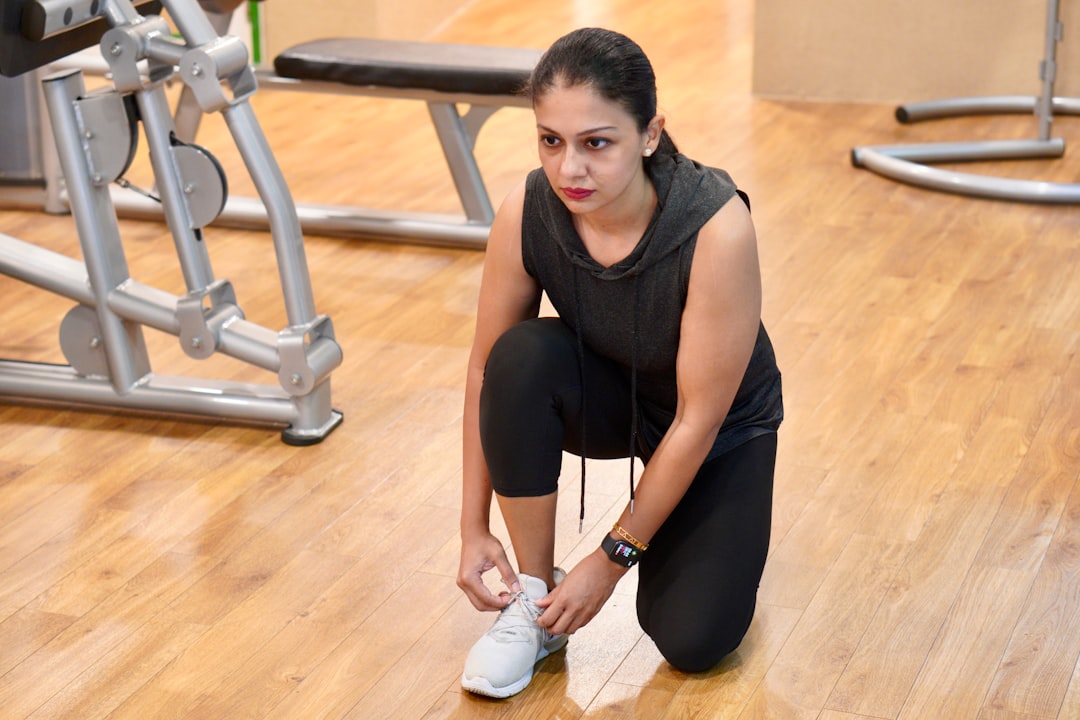
Starting a weight training programme can feel overwhelming, especially when guidance ignores the specific needs of women in the UK. This guide breaks down a beginner-friendly weight training plan that respects your physiology and lifestyle. You’ll learn practical exercises, realistic scheduling, and nutrition tips to build strength effectively. Designed for UK women new to fitness, it avoids jargon and delivers clear, actionable advice to help you start confidently and see progress.
Why Standard Diet Plans Don't Account for Your Hormones
Typical diet plans overlook how women's hormones fluctuate monthly, affecting energy, hunger, and nutrient needs. For instance, oestrogen and progesterone levels alter metabolism and appetite during the menstrual cycle, impacting weight training performance and recovery. Ignoring these variations can lead to suboptimal nutrition and stalled progress. In practice, a woman might experience lower energy in the luteal phase, making heavy training sessions harder and increasing craving for carbohydrates. This explains why a one-size-fits-all diet plan often fails women starting weight training.
A practical example: women typically burn about 100–200 fewer calories per day in the follicular phase compared to the luteal phase, influencing energy balance. Adjusting meal size and nutrient timing accordingly supports training and recovery. This approach aligns with the NHS women's health and nutrition advice recognising the distinct requirements of female physiology. For more on fitness guides, see our guide.
How Your Nutritional Needs Change Through Your Cycle
Women’s nutritional requirements shift throughout the menstrual cycle, affecting energy levels and nutrient absorption. The British Nutrition Foundation outlines these changes clearly, showing increased iron needs during menstruation and altered carbohydrate metabolism in the luteal phase. For example, in the follicular phase (days 1–14), energy demand is moderate with an emphasis on protein and complex carbohydrates to support muscle repair and growth. During menstruation (days 1–5), iron intake should increase to compensate for blood loss, helping prevent anaemia.
In the luteal phase (days 15–28), progesterone predominates, raising resting metabolic rate by approximately 5–10%. This phase calls for increased calorie intake, particularly from complex carbohydrates and healthy fats, to sustain energy and mood. Planning meals to reflect these phases can improve workout performance and reduce fatigue. Hydration also becomes crucial, as water retention fluctuates with hormonal changes. This cycle-aware nutrition strategy is supported by the British Nutrition Foundation nutrition across the lifecycle guidance.
If you'd rather not plan this manually, Milo generates your meals and workouts automatically.
The Foods That Support Hormonal Balance and Energy
Three common mistakes women make that disrupt hormonal balance during weight training are neglecting iron-rich foods, relying too heavily on processed carbohydrates, and skimping on healthy fats. Each has clear consequences. For example, insufficient iron intake during menstruation can cause anaemia, reducing oxygen delivery to muscles and impairing recovery. Overconsumption of sugary snacks spikes insulin and can worsen hormonal fluctuation, increasing cravings and mood swings.
Healthy fats are essential for hormone production; neglecting sources like oily fish, nuts, and seeds can reduce progesterone synthesis, hampering recovery and energy. Incorporating foods aligned with the NHS Eatwell Guide ensures a balanced intake of carbohydrates, proteins, fats, and fibre that supports hormonal health and sustained energy levels. For example, including oatmeal, spinach, salmon, and avocados regularly can stabilise blood sugar and provide the nutrients necessary for strength training adaptations.
What to Eat Around Your Period, Ovulation and Luteal Phase
Tailoring your diet to the menstrual cycle phases improves energy and supports training outcomes. Around your period, focus on iron-rich foods like red meat, lentils, and spinach to replenish losses. Magnesium-rich foods such as nuts and seeds can ease cramps and support muscle relaxation. During ovulation (mid-cycle), protein needs peak to support tissue repair; lean poultry, eggs, and dairy are beneficial.
In the luteal phase, when progesterone rises, carbohydrates help maintain serotonin levels and mood. Complex carbs like whole grains and sweet potatoes are best to avoid blood sugar spikes. Hydration is vital throughout, particularly during the luteal phase when water retention can fluctuate. This nuanced approach surpasses generic advice and helps women maintain strength training consistency and motivation.
Milo helps you stay consistent — no spreadsheets, no guesswork.
Building a Flexible Eating Approach That Works With Your Hormones
Start by tracking your menstrual cycle for at least one month to identify phases and symptoms. Adjust your meal portions and food choices accordingly: increase iron and protein in menstruation and ovulation phases; boost complex carbs and healthy fats in the luteal phase. Plan to eat small, frequent meals to stabilise blood sugar and energy.
Set weekly goals to incorporate one new hormone-supportive food each week, such as oily fish or leafy greens. Keep hydration consistent, aiming for 1.5–2 litres daily. This flexible, cycle-aware plan promotes sustainable eating habits that complement your beginner weight training programme and support long-term fitness goals. Learn more about the Milo and how it can help you get started.
Frequently Asked Questions
How long should a beginner weight training session last for women in the UK?
A beginner weight training session for women in the UK should last around 45 to 60 minutes. This includes warm-up, 30–40 minutes of focused resistance exercises, and cool-down. Sessions 2–3 times per week with at least 48 hours rest between workouts allow adequate recovery and muscle growth.
What exercises are best for a beginner weight training programme for women?
Best beginner exercises include compound movements like squats, deadlifts, push-ups, dumbbell rows, and lunges. These work multiple muscle groups efficiently, build foundational strength, and improve coordination. Starting with bodyweight or light weights and 2–3 sets of 8–12 reps is ideal.
How can I adjust my nutrition when starting weight training as a woman?
Adjust nutrition by increasing protein intake to around 1.2–1.6 grams per kilogram of body weight daily to support muscle repair. Eat balanced meals with complex carbohydrates, healthy fats, and micronutrients like iron and magnesium. Tailor intake to your menstrual cycle phases to optimise energy and recovery.
How much does healthy eating cost for a beginner in the UK?
Healthy eating in the UK can cost between £20 and £40 per week when shopping at supermarkets like Tesco or Aldi. Focusing on whole foods such as seasonal vegetables, legumes, oats, and frozen fish helps keep costs down. Meal planning and batch cooking reduce waste and expenses.
What is the best way to start strength training at home in the UK?
Start strength training at home using bodyweight exercises and basic equipment like dumbbells or resistance bands. Focus on form and technique with exercises such as squats, lunges, and push-ups. Aim for 2–3 sessions per week, progressively increasing reps or resistance while allowing rest days.
Get started with Milo. Start your 7-day free trial — from £7.99/month.
Disclaimer: This article is for informational purposes only and does not constitute medical, nutritional, or professional fitness advice. Always consult a qualified healthcare professional before making changes to your diet or exercise routine.
Leave a Reply