Tag: beginner-fitness

  • How Heavy Should Women Lift UK Guide for Beginners Aged 30-50

    How Heavy Should Women Lift UK Guide for Beginners Aged 30-50

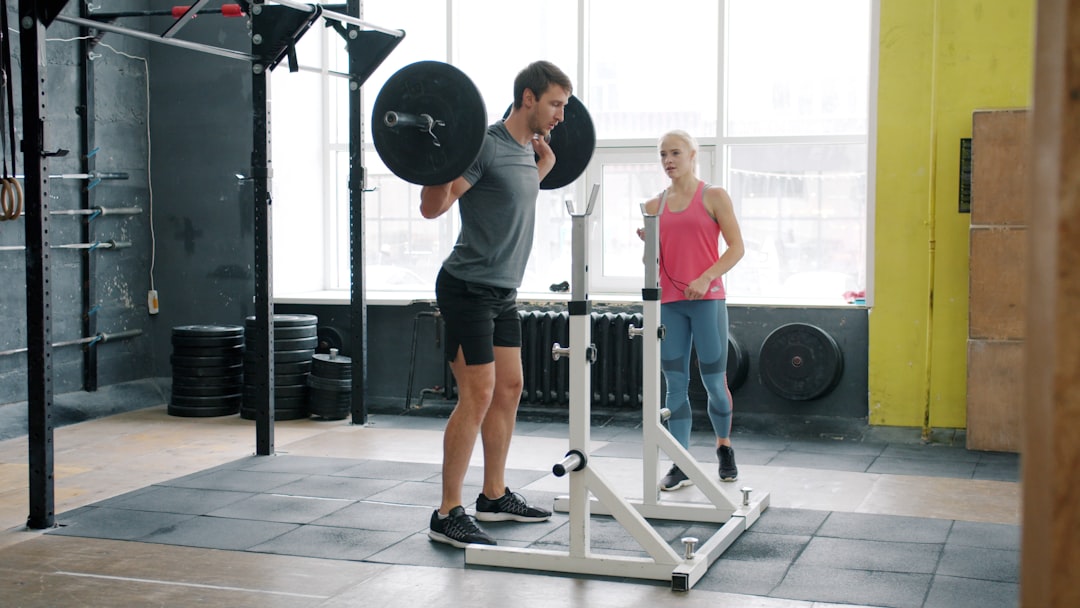
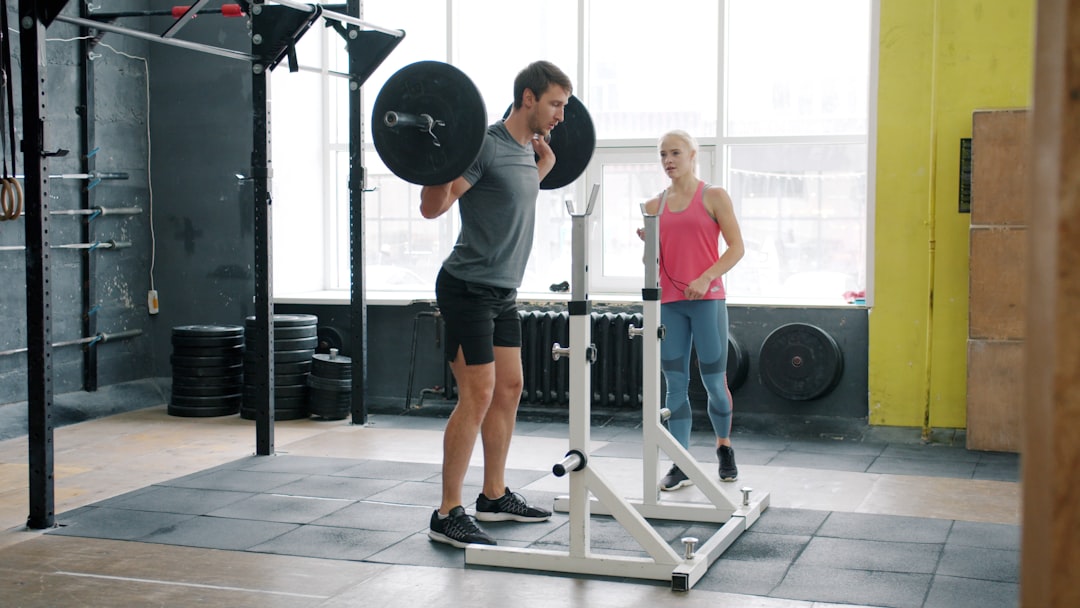
    Determining how heavy women should lift depends largely on age, fitness level, and life stage. Women in their 30s to 50s often face unique challenges such as hormonal changes, postnatal recovery, and bone density concerns that affect optimal lifting weight. This guide explores tailored approaches to strength training for British women, helping them build muscle safely and effectively while accommodating physiological shifts. It emphasises practical, age-appropriate advice rather than one-size-fits-all methods. For more on women's training UK, see our guide.

    Why Your 30s, 40s or Post-Natal Body Needs a Different Approach

    Women’s bodies between 30 and 50 undergo hormonal and physiological changes that influence strength training needs. The NHS notes that oestrogen levels decline during perimenopause and menopause, affecting muscle mass and bone density (NHS menopause and physical health). Postnatal women face recovery challenges including pelvic floor and abdominal muscle repair (NHS postnatal exercise guidance). These changes mean that lifting weights suitable at 25 may be inappropriate at 40 or after childbirth. Muscle loss accelerates without resistance training, with up to 3–8% loss per decade after 30. Strength exercises counteract this decline and support metabolic health. This life stage demands personalised lifting weights that consider recovery, joint health, and hormonal shifts rather than generic programmes.

    How to Train Effectively for Your Life Stage

    Effective training for women aged 30 to 50 involves structured progressive overload balanced with adequate rest. Start by determining a weight allowing 8 to 12 reps per set with proper form; this is typically 60–75% of one-repetition max. Training sessions should include 2 to 3 full-body strength workouts per week, focusing on compound movements like squats, deadlifts, and presses. Incorporate pelvic floor and core exercises recommended by the NHS to support postnatal recovery and general stability (NHS pelvic floor exercises). Supermarkets like Tesco and Sainsbury’s provide accessible protein sources to aid muscle repair. Gradually increase weights by 2.5 to 5% weekly as strength improves, avoiding plateaus. Recovery days are essential to prevent overtraining, especially during menopause when fatigue can increase. Tracking progress with a training log helps adjust weights and volume safely.

    If you'd rather not plan this manually, Milo generates your meals and workouts automatically.

    The Mistakes Women Make When Ignoring Life-Stage Changes

    The three main mistakes that reduce strength training benefits and increase injury risk are: 1) Lifting weights that are too heavy without considering reduced recovery capacity, leading to joint strain and delayed healing. 2) Using generic workout plans not adapted for postnatal or menopausal hormonal changes, resulting in ineffective or unsafe training. 3) Neglecting pelvic floor and bone-strengthening exercises, which are crucial for preventing urinary incontinence and osteoporosis, particularly in women over 40 (NHS strength exercises for bone health). These mistakes can cause setbacks such as muscle imbalances, injury, or loss of motivation. Awareness and adjustment for life stage factors ensure safer, more effective lifting routines.

    What the Most Consistent Women Do Differently

    Consistent women focus on gradual progression combined with life stage-specific strategies. They prioritise lifting weights that challenge but do not overwhelm, typically increasing load by 2.5 to 5% every 1–2 weeks. Evidence shows that resistance training 2 to 3 times weekly maintains muscle mass and supports metabolic health during menopause (NICE menopause clinical guidelines). They also integrate pelvic floor exercises and core strengthening to address postnatal or menopausal changes. Regularly reviewing goals and adjusting weights prevents plateaus. Rather than lifting maximal loads, these women focus on form, recovery, and balanced nutrition, often sourcing protein from UK supermarkets to complement their training. This measured approach reduces injury risk and improves long-term outcomes.

    Milo helps you stay consistent — no spreadsheets, no guesswork.

    Your Life-Stage Appropriate Starting Point

    Begin by assessing your current strength with light weights that allow 8 to 12 reps without strain. Perform 2 to 3 full-body sessions per week focusing on compound lifts and pelvic floor exercises. Increase weights progressively by no more than 5% weekly. Schedule regular rest days to accommodate recovery needs, particularly if you are postnatal or menopausal. Monitor your body’s response to avoid overtraining and adjust as needed. Consistency over time builds strength sustainably.

    Frequently Asked Questions

    How heavy should women lift in the UK for strength training?

    Women in the UK should lift weights that allow 8 to 12 repetitions per set, approximately 60 to 75% of their one-repetition maximum (1RM). This range supports muscle growth and bone health safely for most adult women aged 30 to 50.

    Is it safe for postnatal women in the UK to lift heavy weights?

    Postnatal women should start with lighter weights and gradually increase load while incorporating pelvic floor and core exercises. The NHS advises a progressive approach to avoid injury and support recovery (NHS postnatal exercise guidance).

    How does menopause affect the weight women should lift?

    During menopause, women experience decreased oestrogen which impacts muscle and bone density. Adjusting lifting to moderate weights with progressive overload helps maintain strength and bone health safely (NHS menopause and physical health).

    Can lifting weights prevent osteoporosis in UK women?

    Yes, lifting weights with resistance exercises 2 to 3 times weekly can increase bone density and reduce osteoporosis risk. The NHS recommends strength exercises specifically for bone health as part of a fitness routine (NHS strength exercises for bone health).

    How often should women lift weights to see results in the UK?

    Most women benefit from 2 to 3 strength training sessions per week, focusing on weights that allow 8 to 12 reps per set. Consistency over months is key to improving muscle mass, metabolism, and overall health.

    Get started with Milo. Start your 7-day free trial — from £7.99/month.

    Disclaimer: This article is for informational purposes only and does not constitute medical, nutritional, or professional fitness advice. Always consult a qualified healthcare professional before making changes to your diet or exercise routine.
  • Progressive Overload Guide for Women UK: Effective Strength Training

    Progressive Overload Guide for Women UK: Effective Strength Training

    Progressive overload is a key principle in strength training that involves gradually increasing the demands on your muscles to promote growth and fat loss. Women’s bodies respond differently to exercise and nutrition due to hormonal variations, including menstrual cycles and menopause. This guide explains why traditional fat loss advice may fail women, offering clear, biology-based steps for effective strength training and meal planning in the UK context. For more on women's training UK, see our guide.

    Why Fat Loss Works Differently for Women

    Fat loss works differently for women because female physiology involves complex hormonal cycles that affect metabolism, fat storage, and muscle gain. The menstrual cycle phases influence energy levels and recovery: oestrogen peaks can improve fat utilisation, while progesterone rises may increase appetite and reduce endurance. Around 80% of women experience fluctuations in strength and fatigue across their cycle, which impacts training outcomes. Menopause further alters fat distribution and reduces muscle mass due to declining oestrogen, making strength training and nutrition adjustments crucial for sustained fat loss. Women also tend to have higher body fat percentages and different fat storage patterns than men, which affects how fat loss manifests. Understanding these biological differences is essential for designing effective progressive overload programmes tailored to women’s needs.

    The Nutrition Approach That Actually Works for Female Fat Loss

    A nutrition strategy that respects female biology improves strength training results and fat loss. Prioritise protein intake at 1.2–1.6g/kg body weight daily, as recommended by the British Nutrition Foundation, to support muscle repair and metabolism during calorie deficits. Timing meals around workouts maximises energy and recovery: eating protein and carbohydrates 1–2 hours before exercise and within 30 minutes after boosts muscle protein synthesis. Balancing macronutrients with healthy fats, particularly omega-3s, aids hormone regulation and reduces inflammation. Shopping at UK supermarkets like Tesco or Sainsbury’s allows access to lean proteins such as chicken breast, eggs, and dairy, as well as fibre-rich vegetables. Avoid overly restrictive diets that reduce energy availability and impair hormonal balance. Instead, use the NHS Eatwell Guide principles to build balanced meals that sustain energy across menstrual phases and support progressive overload training.

    If you'd rather not plan this manually, Milo generates your meals and workouts automatically.

    The Training Mistakes Women Make During a Fat Loss Phase

    The three main training mistakes that hinder fat loss and muscle gains in women are: 1) Neglecting progressive overload by repeating the same weights and reps without challenge, leading to plateaus. 2) Overemphasising cardio at the expense of strength training, which can cause muscle loss and reduced metabolic rate. 3) Ignoring hormonal fluctuations by training with a fixed routine regardless of menstrual cycle phases, increasing injury risk and fatigue. These errors result in slower fat loss, decreased strength, and frustration. Women often avoid lifting heavy weights due to misconceptions but lifting progressively heavier loads is key for maintaining lean muscle and improving body composition. Adjusting workout intensity and volume in line with cycle phases enhances recovery and performance, as supported by NHS strength training guidance.

    What Consistent Women Do That Most People Miss

    Consistent women integrate progressive overload intelligently with their unique physiology. They track their cycle to plan training intensity, increasing load during the follicular phase when oestrogen enhances strength and recovery. They consume adequate protein daily and prioritise rest days to allow muscle repair, recognising that overtraining can stall progress. Data suggests women who include strength training twice weekly alongside aerobic exercise improve fat loss by up to 15% more than aerobic-only programmes. They also monitor small, measurable progress in weights or reps weekly, reinforcing motivation and adherence. This evidence-based approach aligns with NHS physical activity guidelines and British Nutrition Foundation recommendations, showing that sustainable, cycle-aware strength training combined with nutrition is more effective than generic advice.

    Milo helps you stay consistent — no spreadsheets, no guesswork.

    Your Starting Framework: Fat Loss Done Right for Women

    Begin by assessing your current strength levels and menstrual cycle patterns to tailor training schedules. Aim for strength training sessions two to three times weekly, progressively increasing weights by 2.5–5% every 1–2 weeks depending on recovery. Ensure daily protein intake of 1.2 to 1.6 grams per kilogram of body weight, spread across meals. Include rest days aligned with the luteal phase to optimise recovery. Track workouts and nutrition consistently to identify trends and adjust accordingly. Follow the NHS physical activity guidelines by incorporating at least 150 minutes of moderate aerobic exercise weekly.

    Frequently Asked Questions

    What is progressive overload for women in strength training?

    Progressive overload for women is the gradual increase of training intensity, volume, or resistance to stimulate muscle adaptation and fat loss. It involves increasing weights or repetitions over time, respecting hormonal cycles to optimise recovery and performance. According to NHS guidelines, combining strength sessions with aerobic exercise supports better health outcomes.

    How should women in the UK adjust progressive overload during their menstrual cycle?

    Women should increase training intensity during the follicular phase when oestrogen peaks, enhancing strength and recovery, and reduce load during the luteal phase to prevent fatigue and injury. Tracking cycles allows alignment with hormonal fluctuations, improving effectiveness of progressive overload programmes.

    What protein intake supports fat loss and muscle gain for women?

    The British Nutrition Foundation recommends women consume between 1.2 and 1.6 grams of protein per kilogram of body weight daily during fat loss phases to preserve muscle mass and support metabolic health. Protein timing around exercise further enhances muscle repair and growth.

    How often should women do strength training for fat loss according to UK guidelines?

    The NHS physical activity guidelines advise adults to perform strength training exercises on two or more days per week alongside 150 minutes of moderate aerobic activity. This combination supports fat loss, muscle maintenance, and overall health.

    What common mistakes reduce the effectiveness of progressive overload in women?

    Three common mistakes are repeating the same workouts without increasing intensity, overdoing cardio while neglecting strength training, and ignoring hormonal cycle variations. These errors can cause plateaus, muscle loss, and increased fatigue, limiting fat loss progress.

    Get started with Milo. Start your 7-day free trial — from £7.99/month.

    Disclaimer: This article is for informational purposes only and does not constitute medical, nutritional, or professional fitness advice. Always consult a qualified healthcare professional before making changes to your diet or exercise routine.

  • How to Do a Proper Plank UK Women: Step-by-Step Guide for Beginners

    How to Do a Proper Plank UK Women: Step-by-Step Guide for Beginners

    Many UK women find conventional fitness advice doesn’t suit their unique physiology, especially when it comes to strength training exercises like the plank. A proper plank strengthens your core without strain, supporting fat loss and hormonal balance. This guide explains how to perform a plank correctly, accounting for factors like menstrual cycles and menopause, to optimise your workout and achieve better results. For more on women's training UK, see our guide.

    Why Fat Loss Works Differently for Women

    Fat loss in women is influenced by hormonal cycles, menopause, and postnatal changes, affecting metabolism and fat distribution. The menstrual cycle causes fluctuations in oestrogen and progesterone, which impact fat storage and energy use. The NHS women's health and nutrition resource highlights that these hormonal shifts mean women often burn fat differently and require specific training and nutrition strategies to see results. Women generally have higher body fat percentages and respond to resistance exercises distinctively compared to men.

    The Nutrition Approach That Actually Works for Female Fat Loss

    Effective fat loss nutrition for women prioritises adequate protein intake to preserve lean muscle mass while managing energy balance. According to the British Nutrition Foundation, protein supports fat loss by increasing satiety and metabolic rate. Women should aim for 1.2–1.6 grams of protein per kilogram of body weight daily, distributed evenly across meals. Combining this with balanced fat intake and complex carbohydrates from UK supermarkets like Tesco or Sainsbury’s aligns with the NHS Eatwell Guide recommendations. Timing meals around workouts enhances fat utilisation and hormonal regulation.

    If you'd rather not plan this manually, Milo generates your meals and workouts automatically.

    The Training Mistakes Women Make During a Fat Loss Phase

    The three common training mistakes women make are: (1) Overemphasising cardio, which can suppress oestrogen and impair recovery; (2) Neglecting strength training, leading to loss of muscle mass and slower metabolism; (3) Ignoring rest days, increasing injury risk and hormonal imbalance. These mistakes can stall fat loss progress and exacerbate symptoms related to menopause or postnatal recovery. The NHS physical activity guidelines for adults recommend incorporating strength exercises at least twice weekly to counteract these issues.

    What Consistent Women Do That Most People Miss

    Women who consistently improve fat loss outcomes focus on adapting exercise to their cycle phases. Evidence shows tailoring intensity—lower during the luteal phase and higher during follicular phase—optimises energy and recovery. Additionally, integrating strength training with exercises like the plank builds core resilience, reduces injury, and supports posture. According to Sport England, women engaging regularly in strength activities report better mental health and sustained motivation. Tracking progress with realistic goals and prioritising recovery separates consistent women from those who plateau.

    Milo helps you stay consistent — no spreadsheets, no guesswork.

    Your Starting Framework: Fat Loss Done Right for Women

    Begin with short plank holds of 10–20 seconds, gradually increasing duration as your core strength develops. Perform planks 3 times per week alongside resistance exercises focusing on major muscle groups. Align workouts with your menstrual cycle to capitalise on hormonal energy fluctuations. Ensure protein intake meets guidelines and hydrate sufficiently. Rest at least one day between intense sessions. Regularly assess technique to avoid common errors like hip sagging.

    Frequently Asked Questions

    How long should UK women hold a plank for effective results?

    UK women should start with plank holds of 10 to 20 seconds, gradually increasing to 60 seconds or more as core strength improves. According to NHS physical activity guidelines, progressive overload helps build endurance and strength safely.

    What is the correct plank position for UK women to avoid injury?

    The correct plank position involves keeping elbows directly under shoulders, maintaining a straight line from head to heels, engaging the core without sagging hips or raised buttocks. This form reduces strain and supports muscle activation effectively.

    Can hormonal cycles affect plank performance for UK women?

    Yes, hormonal cycles impact energy and strength levels. The follicular phase often allows for higher intensity, while the luteal phase may require lighter effort. Adjusting plank duration and intensity accordingly can improve consistency and results.

    How often should UK women include planks in their workout routine?

    UK women should include planks 2 to 3 times per week, integrated with other strength exercises. The NHS recommends strength training exercises at least twice weekly to support fat loss and muscle maintenance.

    Does protein intake influence plank effectiveness for UK women?

    Adequate protein intake, around 1.2–1.6 grams per kilogram of body weight daily, supports muscle repair and growth, enhancing plank performance and fat loss. The British Nutrition Foundation highlights protein's role in preserving lean muscle during fat loss.

    Get started with Milo. Start your 7-day free trial — from £7.99/month.

    Disclaimer: This article is for informational purposes only and does not constitute medical, nutritional, or professional fitness advice. Always consult a qualified healthcare professional before making changes to your diet or exercise routine.
  • How to Fix Anterior Pelvic Tilt Women UK: Effective Life-Stage Strategies

    How to Fix Anterior Pelvic Tilt Women UK: Effective Life-Stage Strategies

    Anterior pelvic tilt is a common postural issue where the pelvis tilts forward, often causing lower back pain and muscular imbalances. For women in the UK, addressing this concern requires understanding how hormonal changes, pregnancy, and ageing affect posture. Tailored exercises and lifestyle adjustments can correct this condition effectively. This article explores targeted solutions for women in their 30s, 40s, and postnatal stages, emphasising safe and practical approaches that respect physiological changes without overgeneralising. For more on nutrition for women UK, see our guide.

    Why Your 30s, 40s or Post-Natal Body Needs a Different Approach

    Anterior pelvic tilt is a postural misalignment where the pelvis tilts forward, commonly affecting women in their 30s and 40s as well as those recovering from childbirth. The NHS highlights that women experience diverse musculoskeletal and hormonal changes across these life stages, impacting posture and muscle function (https://www.nhs.uk/womens-health/). In your 30s and 40s, gradual reductions in oestrogen affect connective tissue elasticity, increasing susceptibility to imbalances. Postnatal bodies often face additional challenges such as weakened abdominal and pelvic floor muscles due to pregnancy and delivery (https://www.nhs.uk/conditions/baby/support-and-services/your-health-after-giving-birth/). This necessitates a different training focus to safely rebuild core stability and pelvic alignment. Understanding these physiological changes ensures that corrective strategies for anterior pelvic tilt are effective and sustainable.

    How to Train Effectively for Your Life Stage

    Effective training to correct anterior pelvic tilt involves a systematic approach tailored to life stage. For women in their 30s and 40s, the focus should be on strengthening the posterior chain muscles — including gluteus maximus and hamstrings — while stretching tight hip flexors such as the iliopsoas. A recommended routine is 3 sessions per week, each lasting 30-45 minutes, combining strength exercises like glute bridges and lunges with hip flexor stretches. Postnatal women benefit from gradual reintroduction of core and pelvic floor exercises, as advised by NHS postnatal guidelines (https://www.nhs.uk/conditions/baby/support-and-services/your-health-after-giving-birth/). Incorporating low-impact cardio like walking or swimming supports overall posture without stressing joints. Many local gyms in the UK, such as PureGym or The Gym Group, provide suitable facilities and classes. Supermarkets like Tesco or Sainsbury’s offer affordable protein and nutrient-rich foods to aid muscle recovery.

    If you'd rather not plan this manually, Milo generates your meals and workouts automatically.

    The Mistakes Women Make When Ignoring Life-Stage Changes

    The three common mistakes that worsen anterior pelvic tilt when life-stage changes are ignored include: first, neglecting the impact of hormonal fluctuations which reduce connective tissue flexibility and increase injury risk; second, performing generic core exercises without pelvic floor engagement, which fails to stabilise the pelvis effectively; third, resuming high-impact activities too soon post childbirth, potentially exacerbating muscle imbalances and discomfort. These oversights often lead to persistent pain, reduced mobility, and slower recovery. NHS menopause and physical health resources emphasise adapting exercise intensity and type according to hormonal status and physical condition (https://www.nhs.uk/conditions/menopause/). Awareness of these pitfalls ensures women can avoid setbacks and progress safely.

    What the Most Consistent Women Do Differently

    Women who consistently improve anterior pelvic tilt focus on gradually building strength with an emphasis on muscle balance and posture awareness. Research shows that integrating pelvic floor exercises with targeted glute strengthening can reduce tilt by up to 20% within 8 weeks. The NHS recommends strength exercises to maintain bone health and support joint stability, which indirectly aids pelvic alignment (https://www.nhs.uk/live-well/exercise/strength-exercises/). These women prioritise slow progression, avoid overtraining, and adjust routines based on menstrual cycle or menopausal symptoms. Consistency in performing corrective exercises three times per week, alongside daily posture checks, distinguishes successful cases from those with recurring symptoms.

    Milo helps you stay consistent — no spreadsheets, no guesswork.

    Your Life-Stage Appropriate Starting Point

    Begin by assessing your current posture and identifying tight hip flexors and weak gluteal muscles. For women in their 30s and 40s, commit to three strength and stretching sessions per week over the next six weeks. Postnatal women should start with pelvic floor and gentle core activation exercises, progressing as strength improves, following NHS postnatal guidelines. Incorporate mindful posture corrections during daily activities and avoid prolonged sitting. Track progress weekly and adjust intensity gradually.

    Frequently Asked Questions

    How can women in the UK fix anterior pelvic tilt safely?

    Women in the UK can fix anterior pelvic tilt safely by focusing on strengthening the gluteal and core muscles while stretching tight hip flexors. The NHS advises incorporating pelvic floor exercises and adjusting routines based on life stage, such as postnatal recovery or menopause. A consistent routine of 3-4 sessions per week over 6-8 weeks is typically effective.

    What exercises help correct anterior pelvic tilt for postnatal women?

    Postnatal women should prioritise pelvic floor exercises and gentle core activation as recommended by NHS postnatal exercise guidance. Strengthening glutes through modified bridges and controlled hip stretches helps restore pelvic alignment safely after childbirth.

    Why does anterior pelvic tilt worsen during menopause for women?

    During menopause, decreased oestrogen levels reduce connective tissue elasticity and muscle strength, which can worsen anterior pelvic tilt. NHS menopause guidelines highlight the need for tailored strength training and flexibility exercises to counteract these changes.

    How long does it take to see improvements in anterior pelvic tilt with correct training?

    With a consistent and targeted exercise routine, women can see improvements in anterior pelvic tilt within 6 to 8 weeks. This includes strengthening weak muscles, stretching tight areas, and incorporating posture awareness daily.

    Can lifestyle changes alone fix anterior pelvic tilt in women?

    Lifestyle changes such as reducing prolonged sitting, improving posture during daily tasks, and regular movement support fixing anterior pelvic tilt. However, corrective exercises targeting muscle imbalances are essential for lasting improvement.

    Get started with Milo. Start your 7-day free trial — from £7.99/month.

    Disclaimer: This article is for informational purposes only and does not constitute medical, nutritional, or professional fitness advice. Always consult a qualified healthcare professional before making changes to your diet or exercise routine.
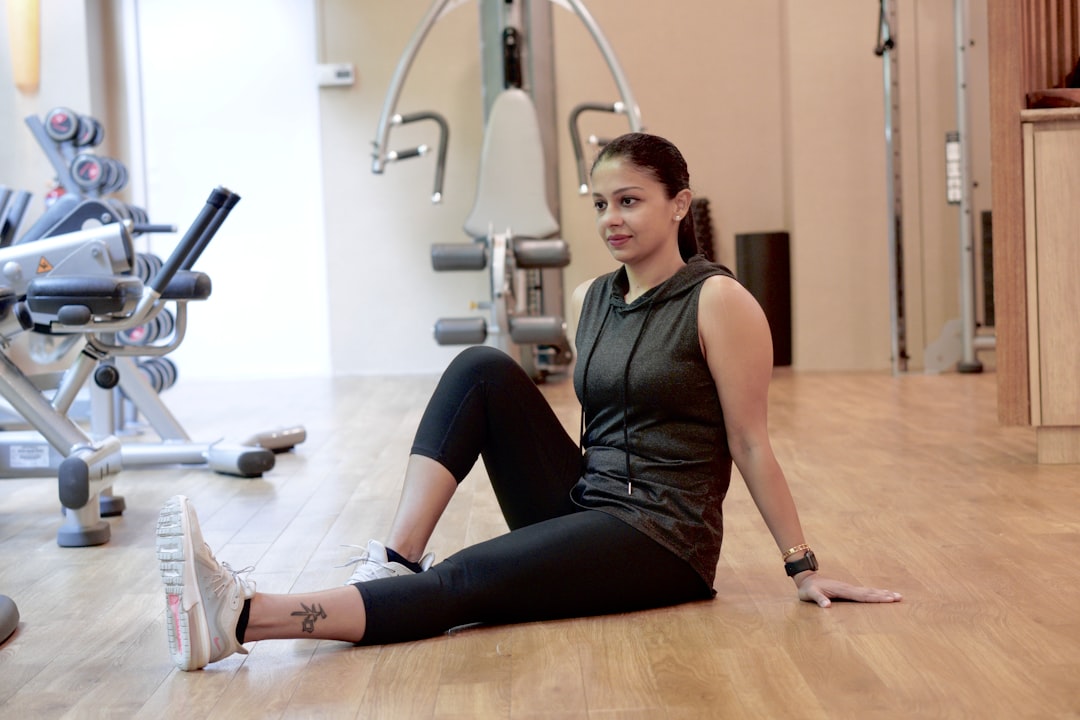
  • Mobility Routine for Women UK Beginners: Effective Steps for Life Stage Fitness

    Mobility Routine for Women UK Beginners: Effective Steps for Life Stage Fitness

    Starting a mobility routine as a woman in the UK requires recognising how your body changes through your 30s, 40s, and post-natal period. Mobility helps maintain joint health, flexibility, and reduces injury risk. Approaching fitness with awareness of these life stages ensures routines support hormonal shifts, bone density, and pelvic floor strength. This guide outlines practical steps for beginners to train smarter, optimising movement and well-being tailored to your unique physiological needs.

    Why Your 30s, 40s or Post-Natal Body Needs a Different Approach

    Mobility is the controlled ability to move joints through their full range of motion, which can be significantly affected by hormonal and physiological changes in women throughout their 30s, 40s, and post-natal period. According to the NHS, women’s health undergoes distinct phases that impact muscle elasticity, joint health, and cardiovascular function (https://www.nhs.uk/womens-health/). In your 30s, collagen production decreases, reducing tissue elasticity, which can make joints stiffer and more prone to injury. By the 40s, perimenopause may begin, bringing fluctuating oestrogen levels that affect joint lubrication and muscle strength.

    Post-natal bodies face another set of challenges; the NHS advises that after childbirth, pelvic floor muscles and abdominal support require targeted rehabilitation to restore mobility and function safely (https://www.nhs.uk/conditions/baby/support-and-services/your-health-after-giving-birth/). Ignoring these changes can lead to chronic pain or instability. Mobility routines that consider these life stages focus on gentle joint mobilisation, improving blood flow, and rebuilding strength without overloading vulnerable tissues. For more on nutrition for women UK, see our guide.

    How to Train Effectively for Your Life Stage

    Training effectively as a woman in your 30s, 40s, or post-natal begins with acknowledging the specific needs of your body. Start with a 10–15 minute daily mobility routine that targets major joints: shoulders, hips, knees, and spine. For beginners, exercises such as controlled hip circles, cat-cow spine stretches, and shoulder rolls are ideal. Aim to perform 2–3 sets of 8–12 repetitions each, focusing on slow, deliberate movements.

    In your 30s and 40s, integrating strength exercises that support bone health is crucial; the NHS recommends strength training twice a week to maintain bone density and muscle mass (https://www.nhs.uk/live-well/exercise/strength-exercises/). Include resistance bands or bodyweight exercises for added benefit. Nutrition also supports mobility; supermarkets like Tesco and Sainsbury’s offer foods rich in calcium and vitamin D, essential for bone maintenance.

    Post-natal women should prioritise pelvic floor exercises alongside mobility routines. The NHS suggests pelvic floor contractions to rebuild muscle strength and prevent incontinence (https://www.nhs.uk/conditions/pelvic-floor-exercises/). Begin with low-impact, gentle movements progressing gradually as strength returns. Consistency over weeks is key, with sessions ideally spread throughout the week.

    If you'd rather not plan this manually, Milo generates your meals and workouts automatically.

    The Mistakes Women Make When Ignoring Life-Stage Changes

    The three mistakes that reduce mobility and increase injury in women ignoring life-stage changes include: first, following generic fitness plans designed for younger women which do not accommodate hormonal or physiological shifts, leading to overuse injuries; second, neglecting pelvic floor and core rehabilitation after childbirth, which can cause long-term issues such as pelvic organ prolapse; third, underestimating the importance of strength training for bone health during perimenopause and menopause, increasing fracture risk. Each mistake can result in decreased mobility, chronic pain, and reduced quality of life, making tailored routines essential.

    Ignoring menopausal changes, for example, can exacerbate joint stiffness and muscle weakness, as fluctuating oestrogen levels reduce collagen and affect connective tissue (https://www.nhs.uk/conditions/menopause/). Overlooking these facts results in ineffective training and frustration.

    What the Most Consistent Women Do Differently

    Women who maintain mobility effectively through midlife adopt a consistent routine that respects their body’s evolving needs. Evidence suggests that performing mobility exercises at least five days per week improves joint range and reduces stiffness by up to 30% within eight weeks. These women integrate low-impact strength work to preserve bone density, as recommended by the NHS (https://www.nhs.uk/live-well/exercise/strength-exercises/). They also prioritise recovery, including sleep and hydration, which supports tissue repair.

    Contrary to popular belief, working smarter with shorter, focused sessions rather than exhaustive workouts enhances long-term consistency. Women who adapt their routines post-childbirth by incorporating pelvic floor exercises as per NHS guidelines (https://www.nhs.uk/conditions/pelvic-floor-exercises/) report better mobility and fewer complications. Tracking progress and modifying exercises to match current capabilities prevents setbacks.

    Milo helps you stay consistent — no spreadsheets, no guesswork.

    Your Life-Stage Appropriate Starting Point

    Begin your mobility routine with a simple plan: dedicate 10 minutes every morning to joint mobilisation exercises like ankle circles, wrist stretches, and gentle spinal twists. Schedule strength exercises twice weekly focusing on bodyweight moves or resistance bands, targeting hips, back, and shoulders. Post-natal women should add pelvic floor contractions daily, gradually increasing repetitions. Set a review date in four weeks to assess progress and adjust intensity thoughtfully.

    Consistency is vital; small daily efforts accumulate significant mobility benefits. Learn more about the Milo and how it can help you get started.

    Frequently Asked Questions

    What is the best mobility routine for women UK beginners in their 30s and 40s?

    The best mobility routine for women UK beginners in their 30s and 40s combines gentle joint mobilisation exercises like hip circles and spinal twists with strength training twice weekly to maintain bone density, as recommended by the NHS. Start with 10–15 minutes daily, focusing on controlled, slow movements to improve flexibility and reduce injury risk.

    How can post-natal women in the UK improve mobility safely?

    Post-natal women in the UK can improve mobility safely by incorporating pelvic floor exercises daily and gentle joint mobilisation movements, gradually increasing intensity. The NHS advises focusing on pelvic floor muscle rehabilitation to restore stability and prevent complications, alongside low-impact stretching and strengthening routines tailored to recovery stages.

    Why do women in the UK need different mobility routines for each life stage?

    Women in the UK require different mobility routines for each life stage because hormonal changes, such as reduced oestrogen during menopause, affect joint lubrication and muscle strength. The NHS highlights these physiological shifts influence flexibility and injury risk, necessitating tailored exercises to maintain mobility and bone health effectively.

    What common mistakes do UK women make when starting a mobility routine?

    Common mistakes UK women make when starting a mobility routine include following generic plans not suited to their life stage, neglecting post-natal pelvic floor recovery, and skipping strength exercises critical for bone health during menopause. These errors can lead to increased stiffness, pain, and long-term mobility issues.

    How often should UK women beginners perform mobility exercises?

    UK women beginners should perform mobility exercises daily or at least five days a week, dedicating 10–15 minutes per session. Consistent practice improves joint range and flexibility, with noticeable benefits appearing within eight weeks, according to NHS exercise recommendations.

    Get started with Milo. Start your 7-day free trial — from £7.99/month.

    Disclaimer: This article is for informational purposes only and does not constitute medical, nutritional, or professional fitness advice. Always consult a qualified healthcare professional before making changes to your diet or exercise routine.

  • How to Strengthen Your Core as a Woman UK: Effective Strategies for Beginners

    How to Strengthen Your Core as a Woman UK: Effective Strategies for Beginners

    Strengthening your core as a woman requires understanding how female physiology affects fat loss and muscle development. Unlike generic advice, women face unique challenges due to hormonal cycles, menopause, and postnatal changes. Tailored nutrition and targeted strength training help optimise results. This guide explains evidence-based steps to build core strength effectively in the UK, ensuring your approach suits your biology and lifestyle. For more on women's training UK, see our guide.

    Why Fat Loss Works Differently for Women

    Fat loss is the process of reducing body fat through a caloric deficit and increased physical activity. Women's bodies respond differently to fat loss due to hormonal influences such as oestrogen, progesterone, and changes during menopause. For example, oestrogen affects fat distribution, often leading to more fat stored around the hips and abdomen. According to the NHS women's health and nutrition resources, fluctuating hormones can impact energy levels and appetite, meaning women often need tailored approaches rather than generic fat loss advice. These physiological differences mean women frequently experience plateaus and slower progress when following standard fat loss programmes designed primarily for men.

    The Nutrition Approach That Actually Works for Female Fat Loss

    Effective fat loss for women centres on optimising protein intake and managing macronutrients in line with hormonal fluctuations. The British Nutrition Foundation highlights that protein plays a critical role in preserving muscle mass during weight loss, which is essential for a strong core. Women should aim to consume at least 1.2 to 1.6 grams of protein per kilogram of body weight daily, spread evenly across meals. Incorporating healthy fats, such as omega-3s found in oily fish and flaxseeds, supports hormone balance and satiety. Shopping at UK supermarkets like Tesco or Sainsbury's makes accessing these foods convenient. Timing meals to coincide with phases in the menstrual cycle, such as increasing protein intake in the luteal phase, can further enhance fat loss outcomes.

    If you'd rather not plan this manually, Milo generates your meals and workouts automatically.

    The Training Mistakes Women Make During a Fat Loss Phase

    The three most common training mistakes that hinder fat loss and core strengthening in women are: 1) neglecting resistance training, which leads to muscle loss and reduces metabolic rate; 2) overdoing cardio exercise, causing increased cortisol levels that may promote abdominal fat retention; 3) ignoring progressive overload principles, which results in plateaued strength gains. The NHS physical activity guidelines for adults recommend incorporating muscle-strengthening activities on at least two days per week to optimise fat loss and core strength. Avoiding these mistakes ensures that women maintain muscle mass and improve core stability effectively.

    What Consistent Women Do That Most People Miss

    Consistent women focus on integrating strength training with attentive recovery and nutrition tailored to their hormonal cycles. Research shows that women who train with moderate intensity strength exercises three times a week, combined with adequate protein and fat intake, maintain lean muscle while losing fat. Monitoring phases of the menstrual cycle allows adjustments in training load and nutrition to match energy availability. The NHS advocates for including strength exercises that target the core multiple times weekly, supporting both physical and mental wellbeing. Women who succeed long term track progress beyond the scale, focusing on strength and functional improvements.

    Milo helps you stay consistent — no spreadsheets, no guesswork.

    Your Starting Framework: Fat Loss Done Right for Women

    Begin by scheduling strength training sessions focused on core muscles at least twice weekly, incorporating exercises like planks, dead bugs, and pelvic tilts. Pair these with a nutrition plan providing 1.2–1.6 grams of protein per kg of body weight daily, alongside healthy fats to support hormones. Adjust your calorie intake based on energy expenditure and track your menstrual cycle to modify nutrition and training intensity accordingly. Aim for consistency over intensity, reviewing progress every four weeks.

    Frequently Asked Questions

    How often should women in the UK train their core for best results?

    Women in the UK should train their core muscles at least two to three times per week, as recommended by the NHS physical activity guidelines for adults. Consistent strength training with progressive overload supports muscle growth and fat loss effectively.

    What type of nutrition supports core strengthening for women?

    A nutrition plan rich in protein—around 1.2 to 1.6 grams per kilogram of body weight daily—and healthy fats supports muscle preservation and hormone balance during fat loss, according to the British Nutrition Foundation.

    Does the menstrual cycle affect core training outcomes for women?

    Yes, hormonal fluctuations during the menstrual cycle influence energy levels and recovery. Adjusting training intensity and nutrition according to cycle phases can enhance fat loss and core strength results.

    What are the risks of doing too much cardio for women trying to strengthen their core?

    Excessive cardio can elevate cortisol levels, leading to increased abdominal fat retention and muscle loss, which undermines core strengthening efforts. Balancing cardio with resistance training is crucial.

    Can postnatal women safely strengthen their core and lose fat?

    Postnatal women can safely strengthen their core by starting with gentle, targeted exercises and gradually increasing intensity. Following NHS women’s health guidelines ensures safe progression tailored to individual recovery.

    Get started with Milo. Start your 7-day free trial — from £7.99/month.

    Disclaimer: This article is for informational purposes only and does not constitute medical, nutritional, or professional fitness advice. Always consult a qualified healthcare professional before making changes to your diet or exercise routine.
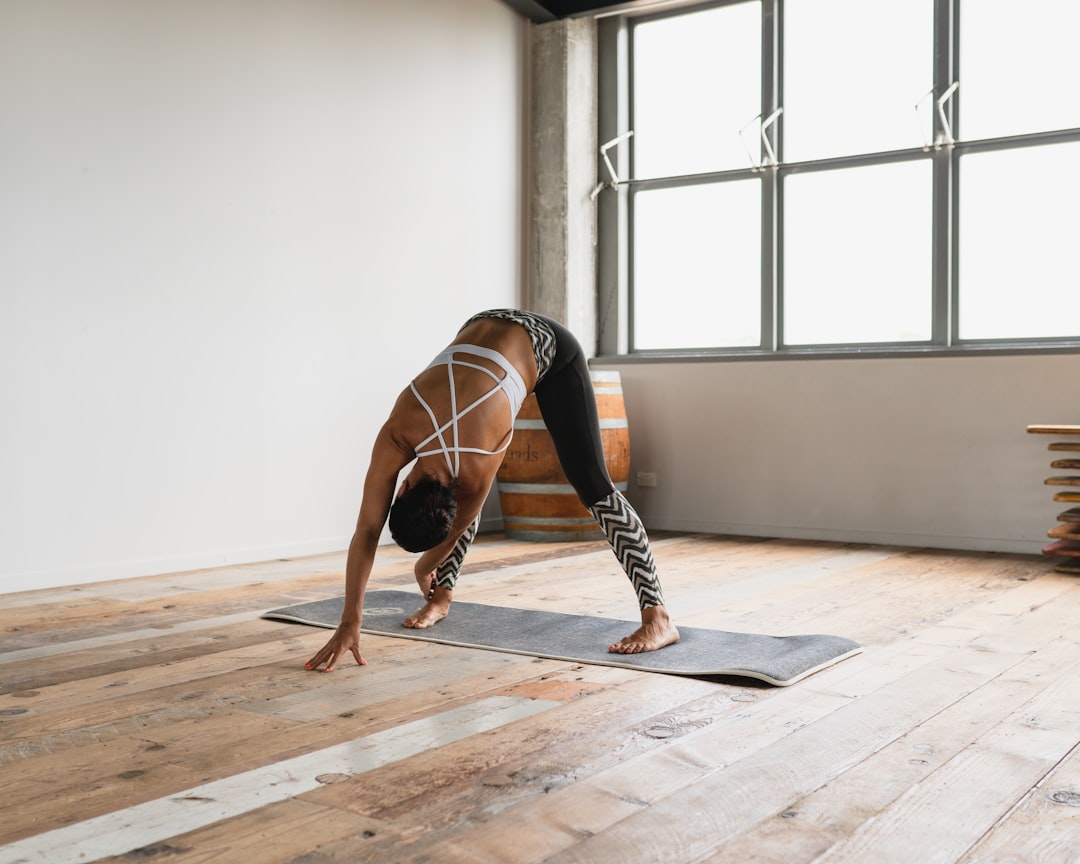
  • Hip Flexor Stretches for Women Who Sit All Day UK: Effective Routine

    Hip Flexor Stretches for Women Who Sit All Day UK: Effective Routine

    Sitting for prolonged periods can tighten hip flexors, leading to discomfort and reduced mobility, especially for women. This guide explores targeted hip flexor stretches designed specifically for women in the UK who spend much of their day seated. Incorporating these stretches improves posture, alleviates lower back pain, and supports overall hip health. Understanding how sitting affects the hip flexors and adopting practical routines can enhance daily comfort and fitness levels.

    Why Standard Diet Plans Don't Account for Your Hormones

    Hormonal fluctuations significantly influence women's nutritional needs and physical comfort. Hormones such as oestrogen and progesterone regulate metabolism, muscle function, and fluid balance, impacting energy levels and muscle tightness. Standard diet plans often overlook these variations, leading to suboptimal results. According to the NHS women's health and nutrition, women’s bodies undergo cyclical changes which require tailored nutritional and activity strategies.

    For women who sit all day, hormonal shifts can exacerbate muscle tension, including in the hip flexors. For example, increased relaxin levels during certain phases of the menstrual cycle may affect joint stability, necessitating adjusted exercise intensity and recovery periods. Ignoring these factors can lead to frustration and ineffective fitness outcomes.

    Integrating hormonal awareness into diet and exercise helps manage symptoms like stiffness and fatigue, which often coincide with prolonged sitting. This approach supports sustained mobility and wellbeing, especially in the UK climate where indoor sedentary behaviour is common. For more on nutrition for women UK, see our guide.

    How Your Nutritional Needs Change Through Your Cycle

    Nutritional needs vary distinctly across the menstrual cycle phases: follicular, ovulation, luteal, and menstruation. These changes affect energy production, muscle recovery, and inflammation, all critical for maintaining hip flexor health. The British Nutrition Foundation nutrition across the lifecycle outlines how energy requirements can increase by up to 10–15% during the luteal phase.

    During the follicular phase, rising oestrogen improves insulin sensitivity, making carbohydrate utilisation more efficient. Women may benefit from balanced meals including wholegrain carbohydrates, lean proteins, and healthy fats. This phase supports building muscle strength and flexibility.

    At ovulation, energy peaks, and women might tolerate higher intensity workouts and stretching routines more comfortably. Including iron-rich foods is vital, as iron demands rise, especially if menstruation follows soon after.

    The luteal phase sees a drop in oestrogen and rise in progesterone, which can cause fluid retention and muscle stiffness. Increased protein intake and anti-inflammatory foods support recovery. UK supermarkets like Waitrose and Tesco stock seasonal vegetables and omega-3 rich fish that help manage inflammation.

    During menstruation, blood loss increases the need for iron and hydration. Gentle stretching is recommended to ease cramping and muscle tension.

    If you'd rather not plan this manually, Milo generates your meals and workouts automatically.

    The Foods That Support Hormonal Balance and Energy

    The three main dietary mistakes that disrupt hormonal balance and energy in women are inadequate iron intake, excessive refined sugars, and low healthy fat consumption. Each has tangible effects on muscle function and overall wellbeing.

    Iron deficiency is common among UK women and can lead to fatigue and delayed muscle recovery, worsening hip flexor tightness. The NHS iron deficiency and women notes that 1 in 5 women of reproductive age are affected. Prioritising iron-rich foods like red meat, spinach, and fortified cereals helps maintain energy.

    High intake of refined sugars causes blood sugar spikes and crashes, leading to fluctuating energy and increased inflammation, which can aggravate muscle soreness. Reducing sugary snacks in favour of whole foods supports sustained energy release.

    Low healthy fat intake, especially omega-3 fatty acids, can impair hormone synthesis and inflammatory responses. Including sources such as oily fish, flaxseeds, and walnuts is crucial for muscle health and flexibility.

    Balancing meals according to the NHS Eatwell Guide ensures a diverse intake of nutrients to support hormonal function and energy levels essential for effective stretching routines.

    What to Eat Around Your Period, Ovulation and Luteal Phase

    Contrary to popular belief, eating the same way throughout the menstrual cycle may undermine comfort and performance. Evidence suggests tailoring food choices to cycle phases optimises hormonal balance and muscle health. For example, during menstruation, incorporating at least 18mg of iron daily supports replacement of menstrual blood losses as recommended by the NHS iron deficiency and women.

    Around ovulation, antioxidant-rich foods such as berries and green leafy vegetables help reduce oxidative stress, which can affect joint and muscle tissue. Consuming foods high in vitamin C aids collagen production, supporting connective tissue resilience.

    In the luteal phase, complex carbohydrates with a low glycaemic index stabilise mood and energy. Foods like sweet potatoes and oats also provide fibre to address common digestive changes. Including magnesium-rich foods such as nuts and seeds helps relax muscles and reduces cramping.

    Adjusting hydration is equally important; drinking at least 1.6 to 2 litres of water daily, especially during warmer months in the UK, supports muscle elasticity and reduces stiffness.

    Milo helps you stay consistent — no spreadsheets, no guesswork.

    Building a Flexible Eating Approach That Works With Your Hormones

    Adopt a flexible eating plan that responds to your cycle by tracking phases and adjusting nutrient intake accordingly. Start by noting your menstrual cycle dates and symptoms for two months. Plan meals around cycle phases, increasing iron and hydration during menstruation, boosting protein and antioxidants at ovulation, and emphasising complex carbs and magnesium in the luteal phase.

    Set weekly meal prep sessions to ensure availability of nutrient-dense foods aligned with these needs. Include a variety of whole foods from all groups per the Eatwell Guide to maintain overall balance.

    Incorporate hip flexor stretches into your daily routine, pairing them with balanced nutrition to support muscle function. Learn more about the Milo and how it can help you get started.

    Frequently Asked Questions

    What are the best hip flexor stretches for women who sit all day in the UK?

    The best hip flexor stretches for women who sit all day in the UK include the kneeling hip flexor stretch, seated butterfly stretch, standing quad stretch, pigeon pose, and lying leg raises. These exercises help lengthen the iliopsoas muscle and improve hip mobility. Performing these stretches daily for 5–10 minutes can reduce tightness caused by prolonged sitting.

    How often should women who sit all day perform hip flexor stretches?

    Women who sit all day should perform hip flexor stretches at least once daily, ideally 5–10 minutes per session. Regular stretching prevents muscle shortening, improves posture, and alleviates lower back discomfort. Consistency over several weeks is key to noticeable improvements in flexibility and pain reduction.

    Can tight hip flexors from sitting affect women's posture and pain levels?

    Yes, tight hip flexors from prolonged sitting can cause anterior pelvic tilt, leading to poor posture and lower back pain. This condition is common among women who spend extended periods seated. Stretching and strengthening surrounding muscles help correct alignment and reduce discomfort.

    Are there specific nutritional considerations for women doing hip flexor stretches?

    Nutritional support for women performing hip flexor stretches includes adequate protein for muscle repair, iron to prevent fatigue, and magnesium for muscle relaxation. Including whole foods as per the NHS Eatwell Guide ensures balanced nutrient intake, supporting muscle flexibility and recovery.

    Is it safe to stretch hip flexors every day for women who sit all day?

    Yes, it is safe for women who sit all day to stretch hip flexors daily, provided the stretches are performed gently and without pain. Daily stretching improves muscle length and joint mobility. If discomfort occurs, reducing intensity or consulting a healthcare professional is advised.

    Get started with Milo. Start your 7-day free trial — from £7.99/month.

    Disclaimer: This article is for informational purposes only and does not constitute medical, nutritional, or professional fitness advice. Always consult a qualified healthcare professional before making changes to your diet or exercise routine.

  • How to Tone Your Body with Yoga UK Women: A Beginner’s Guide

    How to Tone Your Body with Yoga UK Women: A Beginner’s Guide

    Toning your body with yoga offers a gentle yet effective approach to fitness, especially for UK women seeking strength without bulk. Unlike traditional weightlifting, yoga improves muscle tone, flexibility and mental focus through controlled movements and sustained poses. A consistent yoga routine can enhance your metabolism and contribute to overall wellbeing. This guide lays out practical steps to integrate yoga into your fitness plan, dispelling myths about bulking and focusing on realistic, achievable goals. For more on nutrition for women UK, see our guide.

    The "Getting Bulky" Fear That's Keeping Women Away From the Weights Room

    Getting bulky is the unfounded fear that lifting weights or strength training causes excessive muscle growth in women. Bulking is the process of increasing muscle size through high-calorie intake paired with heavy resistance training, which is hormonally difficult for most women due to lower testosterone levels compared to men. This misconception has led to 70% of UK women avoiding weight training altogether, diminishing their chances of effective toning. NHS strength training guidelines confirm that typical weight training designed for strength and toning does not cause bulky muscles but instead improves muscle definition and metabolic health.

    What Strength Training Actually Does to a Woman's Body

    Strength training increases muscle strength and endurance without necessarily increasing size. The process involves muscle fibre recruitment, repair, and neuromuscular adaptation rather than hypertrophy unless paired with high-calorie surplus. The NHS physical activity for women guideline recommends 150 minutes of moderate aerobic activity weekly alongside two strength sessions targeting all major muscle groups. A practical plan might include yoga poses like plank, chair pose, and warrior sequences, each held for 30-60 seconds, repeated 3-4 times per session. Local gyms such as PureGym and supermarkets like Tesco stock affordable resistance bands and mats to support home workouts.

    If you'd rather not plan this manually, Milo generates your meals and workouts automatically.

    Why Women Who Lift Achieve Better Results Faster

    The three main mistakes that slow toning progress are: 1) Avoiding resistance training due to bulking myths, resulting in weaker muscle tone; 2) Relying solely on cardio, which burns calories but doesn’t build muscle definition; 3) Inconsistency, which prevents muscle adaptation. Women who incorporate strength training, as recommended by NHS strength training guidelines, see faster improvements in muscle tone and metabolism. This leads to better posture, increased calorie burning, and stronger bones.

    How to Start Strength Training With Confidence

    Starting strength training with yoga can be straightforward. Begin with two sessions per week focusing on poses that engage core, legs, and arms. The NHS recommends building up to 30-minute sessions incorporating planks, chair pose, and downward dog, holding each pose for 20-60 seconds. Consistency is key: muscle adaptation begins within 4 weeks. Avoid overtraining; recovery allows muscles to strengthen. Strength training also supports mental health by improving confidence and reducing anxiety, as noted by Mind’s evidence on exercise.

    Milo helps you stay consistent — no spreadsheets, no guesswork.

    Your First Four Weeks in the Weights Room

    Begin by scheduling two 30-minute sessions weekly, focusing on bodyweight exercises and yoga poses that engage multiple muscle groups. Week 1-2: Master basic poses like plank and chair. Week 3-4: Increase hold times and add repetitions. Track progress by noting increased endurance and muscle tone, not bulk. Strength training also benefits bone health, crucial for long-term fitness.

    Frequently Asked Questions

    How often should UK women practice yoga to tone their body?

    UK women should practice yoga focusing on strength and muscle engagement at least twice weekly, as recommended by NHS guidelines for muscle-strengthening activities. Consistency over several weeks improves muscle tone, endurance, and overall fitness.

    Can yoga alone help tone muscles without bulking for women?

    Yes, yoga alone can help tone muscles without bulking. Due to hormonal differences, women rarely bulk from typical strength training. Yoga builds muscle endurance and definition by holding poses that engage multiple muscle groups, aligning with NHS strength training advice.

    What are the best yoga poses to tone the body for UK women?

    Effective yoga poses for toning include plank, chair pose, warrior sequences, and downward dog. These engage core, legs, and arms, promoting muscle strength and endurance. Holding poses for 30-60 seconds and repeating them 3-4 times enhances tone.

    How does strength training improve bone health in women?

    Strength training applies mechanical stress to bones, stimulating remodelling and increasing bone density. The NHS highlights resistance exercises, including yoga, as effective in reducing osteoporosis risk, especially important for women over 40.

    Is it necessary to combine yoga with other workouts to tone effectively?

    Combining yoga with aerobic or resistance training is beneficial but not necessary. Yoga alone can meet NHS muscle-strengthening guidelines if sessions are consistent and focused on strength poses, providing effective toning without bulk.

    Get started with Milo. Start your 7-day free trial — from £7.99/month.

    Disclaimer: This article is for informational purposes only and does not constitute medical, nutritional, or professional fitness advice. Always consult a qualified healthcare professional before making changes to your diet or exercise routine.
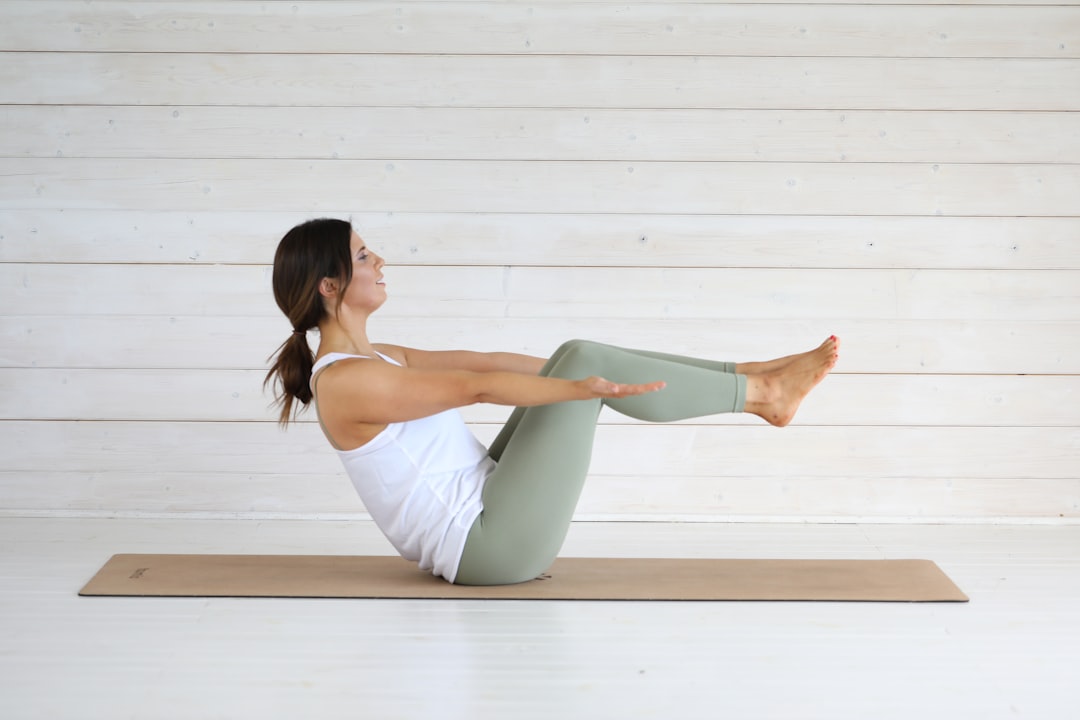
  • Yoga for Strength Not Just Flexibility UK Women Beginners Guide

    Yoga for Strength Not Just Flexibility UK Women Beginners Guide

    Yoga is often seen as a practice to increase flexibility, but for UK women, it can be a powerful tool to build strength too. Women’s bodies respond differently due to hormonal cycles and life stages such as menopause or postnatal recovery, which means strength-building requires a tailored approach. Incorporating yoga poses that target muscle engagement complements fat loss efforts and supports overall wellbeing. This guide explains why strength-focused yoga benefits women uniquely and how to combine it with nutrition and training for effective results. For more on nutrition for women UK, see our guide.

    Why Fat Loss Works Differently for Women

    Fat loss for women is a physiological process influenced by fluctuating hormone levels, including oestrogen and progesterone, across the menstrual cycle and life stages such as menopause. The NHS women's health and nutrition guidance highlights that these hormonal changes affect metabolism, fat storage, and muscle recovery, making generic fat loss advice less effective for women. Women tend to store fat differently from men, often in the hips, thighs, and lower abdomen, areas more resistant to fat loss. Muscle mass also naturally declines with age, reducing resting metabolic rate. Understanding these biological differences is essential for designing strength-building yoga programmes that complement fat loss efforts by targeting muscle endurance and metabolic support through low-impact resistance.

    The Nutrition Approach That Actually Works for Female Fat Loss

    Effective fat loss nutrition for women requires a focus on adequate protein intake timed around activity to support muscle repair and growth. The British Nutrition Foundation states that protein is crucial for fat loss because it preserves lean muscle and promotes satiety. Women should aim for at least 1.2–1.6 grams of protein per kilogram of body weight daily, sourced from lean meats, dairy, pulses, and nuts available at UK supermarkets like Tesco or Sainsbury’s. Balanced meals that include healthy fats and complex carbohydrates help regulate hormones and energy levels. Spacing protein intake evenly across three to four meals supports sustained muscle synthesis. Hydration and micronutrient intake, guided by the NHS Eatwell Guide, also play roles in optimising fat loss and workout recovery. Timing meals around yoga sessions can enhance strength gains and fat metabolism.

    If you'd rather not plan this manually, Milo generates your meals and workouts automatically.

    The Training Mistakes Women Make During a Fat Loss Phase

    The three common training mistakes that hinder fat loss for women are: (1) prioritising only cardio, which can lead to muscle loss and slower metabolism; (2) neglecting strength training, resulting in decreased muscle mass and reduced fat-burning capacity; (3) overtraining without adequate recovery, which elevates cortisol and promotes fat storage. These mistakes often cause frustration and plateauing results. NHS physical activity guidelines for adults recommend combining aerobic exercise with strength exercises twice weekly to maintain muscle and metabolic health. Women practicing yoga for strength should include poses that progressively challenge muscles and allow for rest days. Ignoring these principles can undermine fat loss and overall fitness.

    What Consistent Women Do That Most People Miss

    Consistent women who succeed with yoga for strength focus on progressive overload, variety, and hormonal awareness. They increase the difficulty of poses over time by adding holds, repetitions, or resistance to stimulate muscle growth. Incorporating different yoga styles such as power yoga or vinyasa increases cardiovascular benefits. Awareness of menstrual cycle phases helps tailor training intensity; for example, women often perform better with higher intensity in the follicular phase and benefit from restorative practices in the luteal phase. The NHS physical activity guidelines endorse this adaptive approach to optimise results. Consistency in nutrition and recovery practices is also key, with attention to protein intake and sleep quality. This nuanced approach helps women overcome common plateaus.

    Milo helps you stay consistent — no spreadsheets, no guesswork.

    Your Starting Framework: Fat Loss Done Right for Women

    Start by scheduling three yoga sessions focused on strength-building poses per week, progressively increasing hold times and repetitions. Combine this with two days of light aerobic activity such as walking. Follow a nutrition plan emphasising protein intake of 1.2–1.6 grams per kg body weight daily, spaced evenly. Track progress weekly and adjust for menstrual cycle phases to tune training intensity. Prioritise rest and hydration. Within four weeks, expect improved muscle tone and metabolic support.

    Frequently Asked Questions

    Can yoga build strength for UK women beyond flexibility?

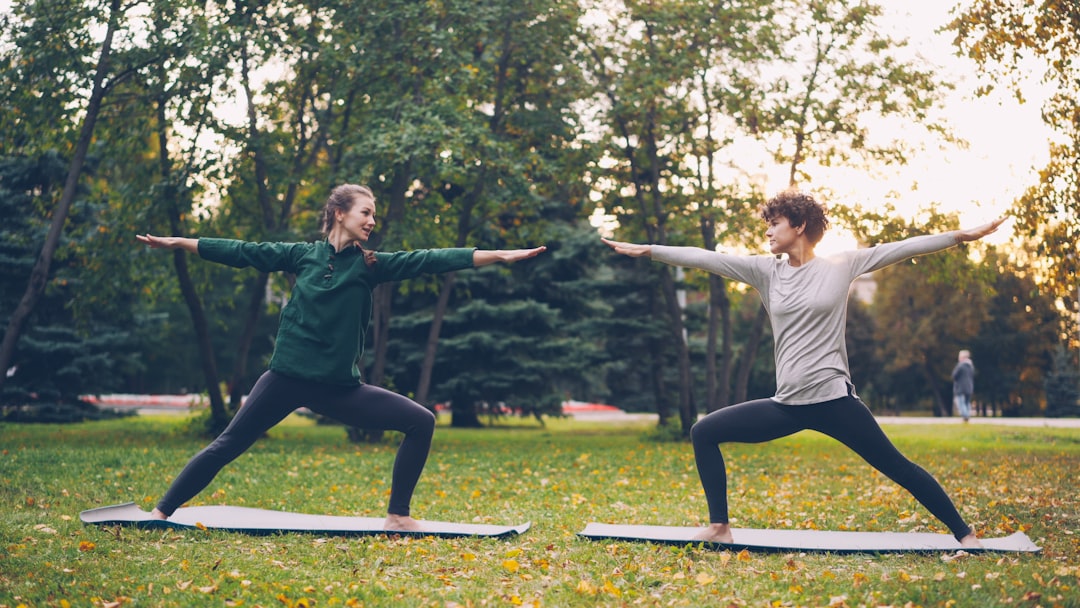
    Yes, yoga builds strength for UK women by engaging muscles through poses like Warrior II and Plank, which improve endurance and muscle tone. This approach supports fat loss and functional fitness by targeting muscle groups without high-impact strain, accounting for women's hormonal fluctuations.

    How does female physiology affect yoga for strength and fat loss?

    Female physiology affects strength and fat loss due to hormonal cycles that influence metabolism and muscle recovery. The NHS women's health and nutrition guidance notes that understanding these changes helps tailor yoga sequences to maximise muscle engagement and fat metabolism effectively.

    What are common training mistakes women make during fat loss?

    Common training mistakes include relying solely on cardio, neglecting strength exercises, and overtraining without rest. NHS physical activity guidelines recommend combining aerobic and strength exercises twice weekly to preserve muscle and boost metabolism, crucial for effective fat loss.

    How important is protein for women practising yoga for strength?

    Protein is vital for women practising strength yoga as it preserves muscle mass and supports fat loss. The British Nutrition Foundation recommends 1.2–1.6 grams per kilogram of body weight daily, spaced evenly to optimise muscle repair and synthesis.

    Can yoga be adapted to different phases of the menstrual cycle?

    Yes, yoga can be adapted to menstrual cycle phases by adjusting intensity. Higher intensity strength poses suit the follicular phase, while restorative practices benefit the luteal phase. This approach aligns with NHS physical activity guidelines to enhance training effectiveness.

    Get started with Milo. Start your 7-day free trial — from £7.99/month.

    Disclaimer: This article is for informational purposes only and does not constitute medical, nutritional, or professional fitness advice. Always consult a qualified healthcare professional before making changes to your diet or exercise routine.

  • Is Reformer Pilates Worth It UK Women? A Beginner’s Guide

    Is Reformer Pilates Worth It UK Women? A Beginner’s Guide

    Many UK women face anxiety about starting fitness routines, especially in gym environments where free weights and machines can feel intimidating. Reformer Pilates offers a low-impact, guided workout that builds strength, flexibility, and confidence without the pressure of crowded gyms. This approach suits women seeking personalised fitness solutions that accommodate both physical and mental wellbeing, helping them progress steadily while managing common barriers such as feeling watched or unsure of equipment use.

    Why Gym Anxiety Is Real and Nothing to Be Ashamed Of

    Gym anxiety is a recognised psychological barrier affecting nearly half of UK women who want to exercise but feel self-conscious or intimidated in gym settings. According to Sport England's women in sport barriers research, 48% of women report feeling uncomfortable due to concerns about being watched or not knowing how to use equipment properly. This anxiety can stem from past negative experiences, unfamiliarity with gym culture, or perceived judgment from others.

    Mental health organisations like Mind highlight that physical activity can reduce anxiety symptoms, but the fear of starting can prevent many from benefiting. Reformer Pilates addresses this by offering a structured, supervised method of exercise that reduces the unpredictability common in gyms. The machine guides movement patterns, helping beginners feel secure and less exposed. This supportive setting can lessen gym-related fears and encourage continued participation. For more on nutrition for women UK, see our guide.

    By recognising that gym anxiety is widespread and linked to specific triggers, women can approach their fitness journey with understanding and targeted strategies to manage unease effectively.

    The Practical Steps to Feeling Confident in the Gym

    Building confidence in a gym environment starts with small, manageable steps. Begin by visiting quieter times in local gyms, such as early afternoons or late evenings, to avoid crowds and reduce pressure. Locations like PureGym or The Gym Group often have off-peak hours suitable for beginners.

    Next, familiarise yourself with basic equipment outside the gym by watching instructional videos or attending beginner workshops. This preparation helps reduce the fear of using machines incorrectly. For example, NHS strength training for beginners recommends starting with bodyweight exercises before progressing to resistance machines, which parallels the controlled nature of reformer Pilates.

    When attending sessions, consider booking classes or small group Pilates reformer sessions where instruction is personalised and corrective feedback is immediate. This environment provides reassurance and reduces the likelihood of feeling observed negatively.

    Finally, set realistic goals such as attending two sessions per week for the first month, tracking progress with clear milestones. This structured approach helps maintain motivation and gradually builds confidence in gym settings.

    If you'd rather not plan this manually, Milo generates your meals and workouts automatically.

    How to Handle the Moments That Feel Uncomfortable

    The three common mistakes that worsen gym anxiety are: avoiding asking for help, overloading schedules too soon, and comparing yourself to others. Avoiding assistance can lead to incorrect form and injury risk, reinforcing negative feelings about the gym. Overcommitting early often causes burnout, while constant comparison increases self-doubt and discouragement.

    Instead, proactively seek guidance from instructors or staff; most gyms encourage questions and provide support. Start with shorter sessions focusing on technique rather than duration or intensity. Embrace your unique pace without measuring progress against others. Reformer Pilates naturally mitigates these issues since exercises are supervised, personalised, and paced carefully to prevent overwhelm.

    Additionally, bring headphones or a favourite playlist to create a personal space within the gym, helping to reduce the feeling of being watched. Practising mindfulness or deep breathing before and during workouts can also ease anxiety spikes and improve concentration.

    What Regulars Know That Beginners Don't

    Regular exercisers often understand that gym anxiety diminishes significantly after the first 6 to 8 weeks of consistent workouts. The NHS physical activity guidelines recommend at least 150 minutes of moderate exercise weekly, which is achievable with reformer Pilates sessions scheduled two to three times per week.

    Experienced participants also know that reformer Pilates improves core strength and flexibility more efficiently than many anticipate, with noticeable benefits after just a few weeks. The controlled movements reduce injury risk and build body awareness, which fosters greater confidence when transitioning to other fitness activities.

    Furthermore, regulars acknowledge that the gym environment becomes less intimidating as familiarity grows, and positive routines form. This mindset shift is supported by research from the British Heart Foundation, which highlights the mental health benefits of regular physical activity, reinforcing motivation.

    Understanding these insights helps beginners realise that initial discomfort is temporary and surmountable with patience and consistency.

    Milo helps you stay consistent — no spreadsheets, no guesswork.

    Your First Month Plan: Building Confidence Through Routine

    Start with two reformer Pilates sessions weekly, focusing on learning correct technique and breathing. Supplement with light stretching or walking on alternate days to maintain activity without overexertion.

    Week 1–2: Attend sessions at quieter times, practise mindfulness before workouts, and ask instructors specific questions about form.

    Week 3–4: Increase session intensity slightly as confidence grows, track progress with simple notes on flexibility and strength improvements.

    By the end of the month, you should notice reduced anxiety and increased comfort with gym equipment and routines. Learn more about the Milo and how it can help you get started.

    Frequently Asked Questions

    Is reformer pilates effective for beginners in the UK?

    Reformer Pilates is highly effective for beginners in the UK, offering controlled, low-impact exercises that improve strength and flexibility. It is especially suitable for women new to fitness, as the machine guides movement and reduces injury risk, making it easier to build confidence and see progress within weeks.

    Can reformer pilates help reduce gym anxiety for UK women?

    Yes, reformer Pilates can help reduce gym anxiety for UK women. The structured, supervised environment and guided equipment use address common fears such as feeling watched or unsure how to use machines, as noted in Sport England's research on barriers women face in sport.

    How often should UK women do reformer pilates to see benefits?

    UK women should aim for two to three reformer Pilates sessions per week to see benefits. The NHS physical activity guidelines recommend at least 150 minutes of moderate exercise weekly, which reformer Pilates can help achieve through focused, efficient workouts.

    Is reformer pilates suitable for women with low fitness levels?

    Reformer Pilates is suitable for women with low fitness levels because it allows exercises to be tailored and paced to individual needs. The machine supports controlled movements that build strength gradually without excessive strain, making it accessible for beginners.

    What mental health benefits does reformer pilates offer UK women?

    Reformer Pilates offers mental health benefits for UK women by reducing anxiety and improving mood through physical activity. Mind reports that exercise, including pilates, can lower stress levels and promote relaxation, which supports overall wellbeing.

    Get started with Milo. Start your 7-day free trial — from £7.99/month.

    Disclaimer: This article is for informational purposes only and does not constitute medical, nutritional, or professional fitness advice. Always consult a qualified healthcare professional before making changes to your diet or exercise routine.