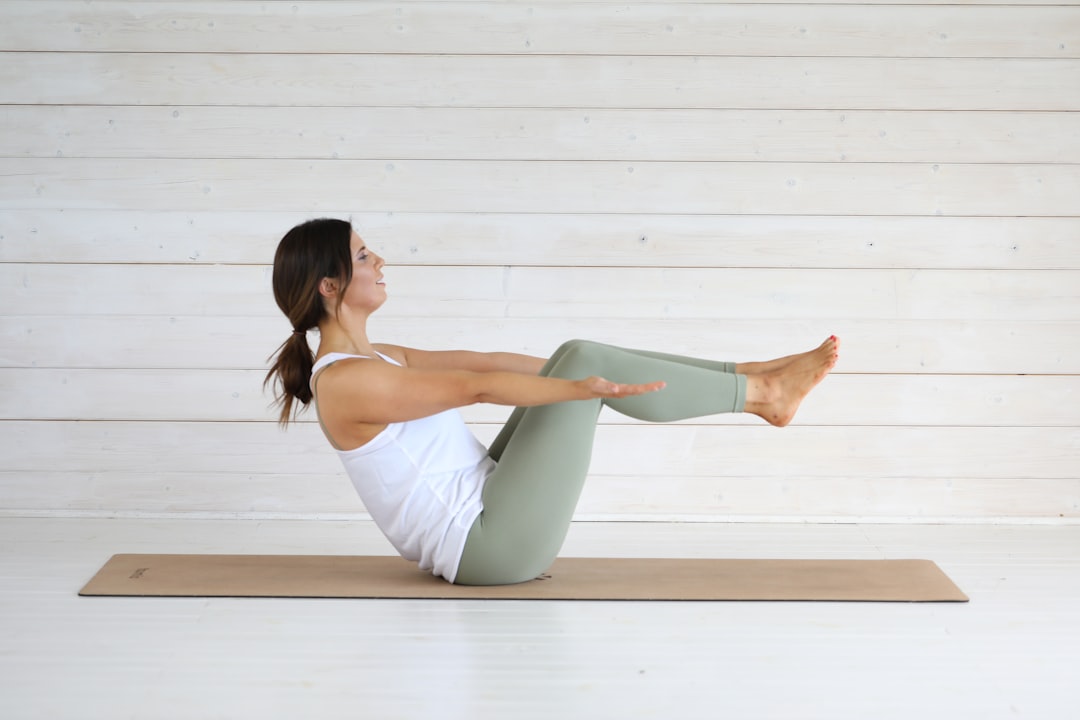
Many UK women face anxiety about starting fitness routines, especially in gym environments where free weights and machines can feel intimidating. Reformer Pilates offers a low-impact, guided workout that builds strength, flexibility, and confidence without the pressure of crowded gyms. This approach suits women seeking personalised fitness solutions that accommodate both physical and mental wellbeing, helping them progress steadily while managing common barriers such as feeling watched or unsure of equipment use.
Why Gym Anxiety Is Real and Nothing to Be Ashamed Of
Gym anxiety is a recognised psychological barrier affecting nearly half of UK women who want to exercise but feel self-conscious or intimidated in gym settings. According to Sport England's women in sport barriers research, 48% of women report feeling uncomfortable due to concerns about being watched or not knowing how to use equipment properly. This anxiety can stem from past negative experiences, unfamiliarity with gym culture, or perceived judgment from others.
Mental health organisations like Mind highlight that physical activity can reduce anxiety symptoms, but the fear of starting can prevent many from benefiting. Reformer Pilates addresses this by offering a structured, supervised method of exercise that reduces the unpredictability common in gyms. The machine guides movement patterns, helping beginners feel secure and less exposed. This supportive setting can lessen gym-related fears and encourage continued participation. For more on nutrition for women UK, see our guide.
By recognising that gym anxiety is widespread and linked to specific triggers, women can approach their fitness journey with understanding and targeted strategies to manage unease effectively.
The Practical Steps to Feeling Confident in the Gym
Building confidence in a gym environment starts with small, manageable steps. Begin by visiting quieter times in local gyms, such as early afternoons or late evenings, to avoid crowds and reduce pressure. Locations like PureGym or The Gym Group often have off-peak hours suitable for beginners.
Next, familiarise yourself with basic equipment outside the gym by watching instructional videos or attending beginner workshops. This preparation helps reduce the fear of using machines incorrectly. For example, NHS strength training for beginners recommends starting with bodyweight exercises before progressing to resistance machines, which parallels the controlled nature of reformer Pilates.
When attending sessions, consider booking classes or small group Pilates reformer sessions where instruction is personalised and corrective feedback is immediate. This environment provides reassurance and reduces the likelihood of feeling observed negatively.
Finally, set realistic goals such as attending two sessions per week for the first month, tracking progress with clear milestones. This structured approach helps maintain motivation and gradually builds confidence in gym settings.
If you'd rather not plan this manually, Milo generates your meals and workouts automatically.
How to Handle the Moments That Feel Uncomfortable
The three common mistakes that worsen gym anxiety are: avoiding asking for help, overloading schedules too soon, and comparing yourself to others. Avoiding assistance can lead to incorrect form and injury risk, reinforcing negative feelings about the gym. Overcommitting early often causes burnout, while constant comparison increases self-doubt and discouragement.
Instead, proactively seek guidance from instructors or staff; most gyms encourage questions and provide support. Start with shorter sessions focusing on technique rather than duration or intensity. Embrace your unique pace without measuring progress against others. Reformer Pilates naturally mitigates these issues since exercises are supervised, personalised, and paced carefully to prevent overwhelm.
Additionally, bring headphones or a favourite playlist to create a personal space within the gym, helping to reduce the feeling of being watched. Practising mindfulness or deep breathing before and during workouts can also ease anxiety spikes and improve concentration.
What Regulars Know That Beginners Don't
Regular exercisers often understand that gym anxiety diminishes significantly after the first 6 to 8 weeks of consistent workouts. The NHS physical activity guidelines recommend at least 150 minutes of moderate exercise weekly, which is achievable with reformer Pilates sessions scheduled two to three times per week.
Experienced participants also know that reformer Pilates improves core strength and flexibility more efficiently than many anticipate, with noticeable benefits after just a few weeks. The controlled movements reduce injury risk and build body awareness, which fosters greater confidence when transitioning to other fitness activities.
Furthermore, regulars acknowledge that the gym environment becomes less intimidating as familiarity grows, and positive routines form. This mindset shift is supported by research from the British Heart Foundation, which highlights the mental health benefits of regular physical activity, reinforcing motivation.
Understanding these insights helps beginners realise that initial discomfort is temporary and surmountable with patience and consistency.
Milo helps you stay consistent — no spreadsheets, no guesswork.
Your First Month Plan: Building Confidence Through Routine
Start with two reformer Pilates sessions weekly, focusing on learning correct technique and breathing. Supplement with light stretching or walking on alternate days to maintain activity without overexertion.
Week 1–2: Attend sessions at quieter times, practise mindfulness before workouts, and ask instructors specific questions about form.
Week 3–4: Increase session intensity slightly as confidence grows, track progress with simple notes on flexibility and strength improvements.
By the end of the month, you should notice reduced anxiety and increased comfort with gym equipment and routines. Learn more about the Milo and how it can help you get started.
Frequently Asked Questions
Is reformer pilates effective for beginners in the UK?
Reformer Pilates is highly effective for beginners in the UK, offering controlled, low-impact exercises that improve strength and flexibility. It is especially suitable for women new to fitness, as the machine guides movement and reduces injury risk, making it easier to build confidence and see progress within weeks.
Can reformer pilates help reduce gym anxiety for UK women?
Yes, reformer Pilates can help reduce gym anxiety for UK women. The structured, supervised environment and guided equipment use address common fears such as feeling watched or unsure how to use machines, as noted in Sport England's research on barriers women face in sport.
How often should UK women do reformer pilates to see benefits?
UK women should aim for two to three reformer Pilates sessions per week to see benefits. The NHS physical activity guidelines recommend at least 150 minutes of moderate exercise weekly, which reformer Pilates can help achieve through focused, efficient workouts.
Is reformer pilates suitable for women with low fitness levels?
Reformer Pilates is suitable for women with low fitness levels because it allows exercises to be tailored and paced to individual needs. The machine supports controlled movements that build strength gradually without excessive strain, making it accessible for beginners.
What mental health benefits does reformer pilates offer UK women?
Reformer Pilates offers mental health benefits for UK women by reducing anxiety and improving mood through physical activity. Mind reports that exercise, including pilates, can lower stress levels and promote relaxation, which supports overall wellbeing.
Get started with Milo. Start your 7-day free trial — from £7.99/month.
Disclaimer: This article is for informational purposes only and does not constitute medical, nutritional, or professional fitness advice. Always consult a qualified healthcare professional before making changes to your diet or exercise routine.
Leave a Reply