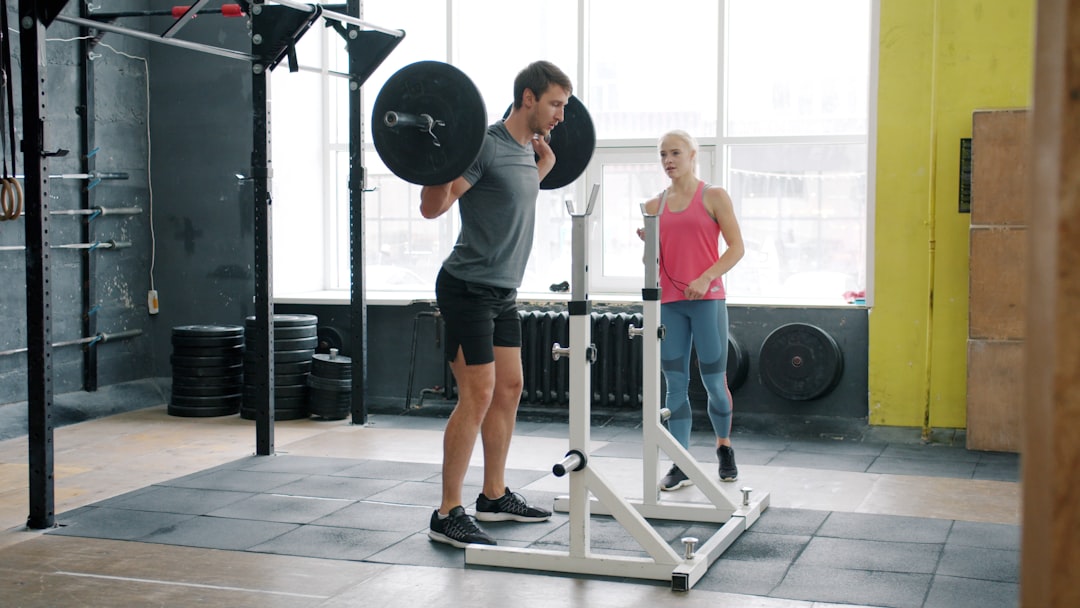
Determining how heavy women should lift depends largely on age, fitness level, and life stage. Women in their 30s to 50s often face unique challenges such as hormonal changes, postnatal recovery, and bone density concerns that affect optimal lifting weight. This guide explores tailored approaches to strength training for British women, helping them build muscle safely and effectively while accommodating physiological shifts. It emphasises practical, age-appropriate advice rather than one-size-fits-all methods. For more on women's training UK, see our guide.
Why Your 30s, 40s or Post-Natal Body Needs a Different Approach
Women’s bodies between 30 and 50 undergo hormonal and physiological changes that influence strength training needs. The NHS notes that oestrogen levels decline during perimenopause and menopause, affecting muscle mass and bone density (NHS menopause and physical health). Postnatal women face recovery challenges including pelvic floor and abdominal muscle repair (NHS postnatal exercise guidance). These changes mean that lifting weights suitable at 25 may be inappropriate at 40 or after childbirth. Muscle loss accelerates without resistance training, with up to 3–8% loss per decade after 30. Strength exercises counteract this decline and support metabolic health. This life stage demands personalised lifting weights that consider recovery, joint health, and hormonal shifts rather than generic programmes.
How to Train Effectively for Your Life Stage
Effective training for women aged 30 to 50 involves structured progressive overload balanced with adequate rest. Start by determining a weight allowing 8 to 12 reps per set with proper form; this is typically 60–75% of one-repetition max. Training sessions should include 2 to 3 full-body strength workouts per week, focusing on compound movements like squats, deadlifts, and presses. Incorporate pelvic floor and core exercises recommended by the NHS to support postnatal recovery and general stability (NHS pelvic floor exercises). Supermarkets like Tesco and Sainsbury’s provide accessible protein sources to aid muscle repair. Gradually increase weights by 2.5 to 5% weekly as strength improves, avoiding plateaus. Recovery days are essential to prevent overtraining, especially during menopause when fatigue can increase. Tracking progress with a training log helps adjust weights and volume safely.
If you'd rather not plan this manually, Milo generates your meals and workouts automatically.
The Mistakes Women Make When Ignoring Life-Stage Changes
The three main mistakes that reduce strength training benefits and increase injury risk are: 1) Lifting weights that are too heavy without considering reduced recovery capacity, leading to joint strain and delayed healing. 2) Using generic workout plans not adapted for postnatal or menopausal hormonal changes, resulting in ineffective or unsafe training. 3) Neglecting pelvic floor and bone-strengthening exercises, which are crucial for preventing urinary incontinence and osteoporosis, particularly in women over 40 (NHS strength exercises for bone health). These mistakes can cause setbacks such as muscle imbalances, injury, or loss of motivation. Awareness and adjustment for life stage factors ensure safer, more effective lifting routines.
What the Most Consistent Women Do Differently
Consistent women focus on gradual progression combined with life stage-specific strategies. They prioritise lifting weights that challenge but do not overwhelm, typically increasing load by 2.5 to 5% every 1–2 weeks. Evidence shows that resistance training 2 to 3 times weekly maintains muscle mass and supports metabolic health during menopause (NICE menopause clinical guidelines). They also integrate pelvic floor exercises and core strengthening to address postnatal or menopausal changes. Regularly reviewing goals and adjusting weights prevents plateaus. Rather than lifting maximal loads, these women focus on form, recovery, and balanced nutrition, often sourcing protein from UK supermarkets to complement their training. This measured approach reduces injury risk and improves long-term outcomes.
Milo helps you stay consistent — no spreadsheets, no guesswork.
Your Life-Stage Appropriate Starting Point
Begin by assessing your current strength with light weights that allow 8 to 12 reps without strain. Perform 2 to 3 full-body sessions per week focusing on compound lifts and pelvic floor exercises. Increase weights progressively by no more than 5% weekly. Schedule regular rest days to accommodate recovery needs, particularly if you are postnatal or menopausal. Monitor your body’s response to avoid overtraining and adjust as needed. Consistency over time builds strength sustainably.
Frequently Asked Questions
How heavy should women lift in the UK for strength training?
Women in the UK should lift weights that allow 8 to 12 repetitions per set, approximately 60 to 75% of their one-repetition maximum (1RM). This range supports muscle growth and bone health safely for most adult women aged 30 to 50.
Is it safe for postnatal women in the UK to lift heavy weights?
Postnatal women should start with lighter weights and gradually increase load while incorporating pelvic floor and core exercises. The NHS advises a progressive approach to avoid injury and support recovery (NHS postnatal exercise guidance).
How does menopause affect the weight women should lift?
During menopause, women experience decreased oestrogen which impacts muscle and bone density. Adjusting lifting to moderate weights with progressive overload helps maintain strength and bone health safely (NHS menopause and physical health).
Can lifting weights prevent osteoporosis in UK women?
Yes, lifting weights with resistance exercises 2 to 3 times weekly can increase bone density and reduce osteoporosis risk. The NHS recommends strength exercises specifically for bone health as part of a fitness routine (NHS strength exercises for bone health).
How often should women lift weights to see results in the UK?
Most women benefit from 2 to 3 strength training sessions per week, focusing on weights that allow 8 to 12 reps per set. Consistency over months is key to improving muscle mass, metabolism, and overall health.
Get started with Milo. Start your 7-day free trial — from £7.99/month.
Disclaimer: This article is for informational purposes only and does not constitute medical, nutritional, or professional fitness advice. Always consult a qualified healthcare professional before making changes to your diet or exercise routine.
Leave a Reply