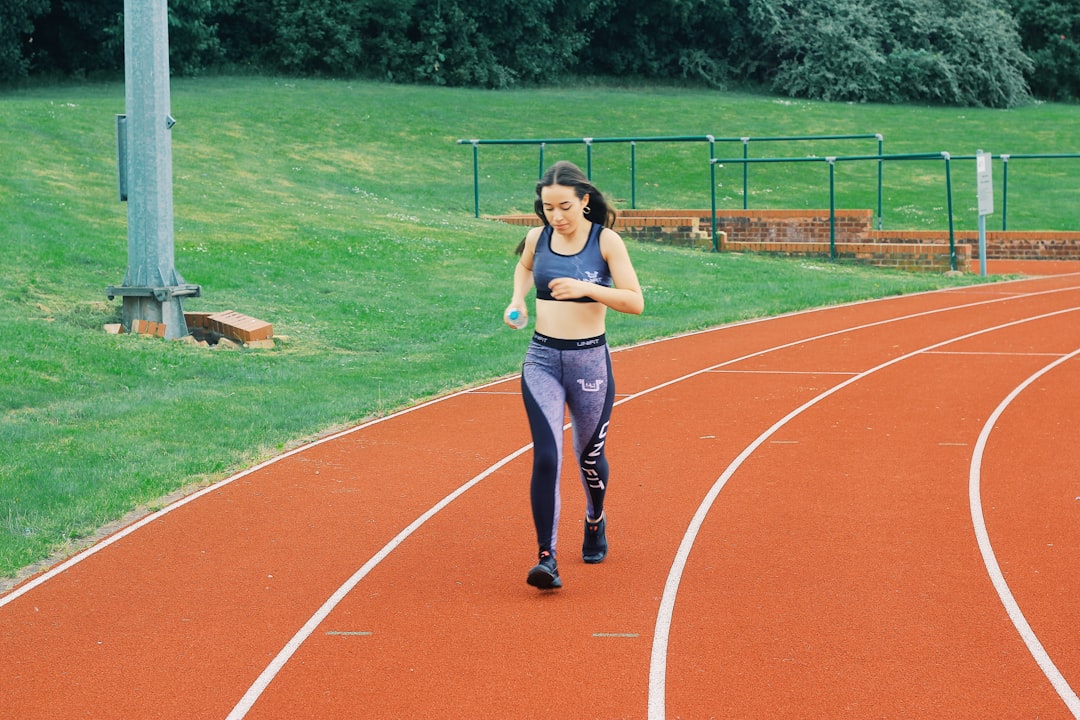
Losing weight in your thighs can feel frustrating, especially when gym anxiety and confusing advice stand in the way. This guide breaks down how to tackle thigh fat with practical exercises, nutrition tips, and confidence-building strategies tailored for women starting their fitness journey in the UK. From overcoming fears in busy gyms to crafting a simple monthly plan, you’ll gain clarity and control over your progress.
Why Gym Anxiety Is Real and Nothing to Be Ashamed Of
Gym anxiety affects around 40% of women in the UK, often caused by feeling watched, unsure how to use machines, or concerns around free weights. This is backed by Sport England's women in sport barriers research, which highlights that many women avoid gyms due to fear of judgement or not knowing where to start. Mental health charity Mind confirms exercise-related anxiety is common and that recognising these feelings is the first step to overcoming them.
For example, many women find the free weights section intimidating because it’s unfamiliar and often dominated by men. Or they might feel unsure about how to adjust gym machines, leading to embarrassment or avoidance. These feelings can delay progress or cause people to drop fitness plans entirely.
Understanding gym anxiety as a natural response rather than a personal failing helps reframe the challenge. It means you’re not alone and that small, manageable steps can build confidence. Starting with quieter times at your gym — such as early mornings or late evenings at chains like PureGym or David Lloyd — can reduce pressure. Also, many UK gyms offer beginner induction sessions to familiarise you with equipment and techniques, which can demystify the environment. For more on fitness guides, see our guide.
The Practical Steps to Feeling Confident in the Gym
Confidence grows from a simple system: preparation, small wins, and routine. Begin by planning short, achievable gym visits of 30–45 minutes, 3 times per week. Use a basic workout that targets thighs with exercises like bodyweight squats, lunges, and leg presses. A practical sequence might be 3 sets of 12 repetitions per exercise, resting 60 seconds between sets.
Before your session, watch short online tutorials on exercises you plan to do, so you feel prepared. Spending 10 minutes familiarising yourself with correct form reduces uncertainty. Arrive 10 minutes early to walk around and locate machines and weights.
During the workout, focus on your form rather than the environment. If unsure about a machine, pick an alternative exercise that uses bodyweight or free weights you feel comfortable holding. For instance, Bulgarian split squats with no weights are excellent for thigh toning and require no equipment.
Tracking progress is crucial. Use a simple notebook or phone app to log exercises, weights, and reps. Seeing improvements week to week builds motivation and reduces anxiety about wasting time.
If you'd rather not plan this manually, Milo generates your meals and workouts automatically.
How to Handle the Moments That Feel Uncomfortable
Three common mistakes can worsen gym anxiety and stall progress:
-
Comparing Yourself to Others: This often leads to feeling inadequate. Remember, most gym-goers focus on their own workout and have been beginners too. Keep your attention on your plan.
-
Skipping Warm-Ups or Cool-Downs: Neglecting these can cause soreness or injury, making exercise feel unpleasant and discouraging continuation. Spend 5–10 minutes on dynamic stretches before and after.
-
Overloading Too Soon: Trying to lift heavy weights or doing intense cardio before your body is ready increases fatigue and risk of injury. Start with lighter loads and gradually increase as strength improves.
When you feel intimidated, use deep breathing techniques to calm nerves. Taking slow, steady breaths for 30 seconds can lower heart rate and clear the mind. Additionally, choosing less crowded gym times or smaller local leisure centres can ease discomfort.
What Regulars Know That Beginners Don't
Experienced gym-goers understand that consistency outweighs intensity. Regular, moderate workouts deliver better fat loss results than sporadic high-intensity sessions. They also know that thigh fat loss requires patience because spot reduction is a myth; fat decreases overall with a calorie deficit and muscle toning.
Regulars often integrate low-impact cardio like cycling or brisk walking, alongside strength exercises, to burn fat without stressing joints. They also prioritise protein intake to support muscle repair, aiming for roughly 1.2–1.6 grams per kilogram of bodyweight daily. UK supermarkets often stock affordable options like eggs, canned beans, and chicken breasts, making this achievable on a budget.
Another insight is the importance of routine. Setting fixed workout days reduces decision fatigue and builds habit. Experienced gym users often pair workouts with daily activities, such as walking to work or using stairs instead of lifts, to increase overall calorie burn.
Milo helps you stay consistent — no spreadsheets, no guesswork.
Your First Month Plan: Building Confidence Through Routine
For your first month, aim for three gym sessions weekly, each lasting 30–45 minutes. Focus on a simple thigh-strengthening circuit: bodyweight squats, lunges, glute bridges, and leg presses, 3 sets of 12 reps each. Complement this with 20 minutes of moderate cardio, like cycling or walking.
Week 1–2: Prioritise learning correct form. Use video guides or ask gym staff for a machine rundown. Visit during off-peak hours (mid-morning or early afternoon) when gyms are quieter.
Week 3–4: Gradually add light weights to exercises, increasing by 1–2 kg every session if comfortable. Track your reps and weights to celebrate small wins.
By the end of the month, aim to meet at least 150 minutes of moderate physical activity weekly as recommended by the NHS physical activity guidelines. This foundation helps reduce thigh fat and builds the confidence needed to progress further. Learn more about the Milo and how it can help you get started.
Frequently Asked Questions
How long does it typically take to see thigh fat loss results?
Thigh fat loss usually becomes noticeable after 8 to 12 weeks of consistent exercise and healthy eating. This timeframe allows for gradual fat reduction and muscle toning, which together reshape your thighs. Individual results vary based on factors like starting weight, workout intensity, and diet.
What are the best exercises to target thigh fat for beginners?
Effective beginner exercises for thigh fat include bodyweight squats, lunges, glute bridges, and leg presses. These movements engage the major thigh muscles safely and can be done with little or no equipment. Aim for 3 sets of 12 repetitions, 2–3 times a week as part of a balanced fitness routine.
How much does healthy eating cost for someone trying to lose thigh fat in the UK?
Eating healthily in the UK can cost around £20–£35 per week when focusing on whole foods like vegetables, lean protein, and whole grains. Shopping at budget supermarkets such as Aldi or Lidl can reduce costs. Meal planning and batch cooking help control portions and limit food waste.
Can I lose thigh fat without going to the gym?
Yes, losing thigh fat without gym access is possible through home-based bodyweight exercises like squats and lunges combined with cardiovascular activities such as brisk walking or cycling. Consistency and a calorie-controlled diet remain key. Starting with 30 minutes of daily activity can support gradual fat loss.
What should I include in a beginner workout plan to reduce thigh fat?
A beginner workout plan to reduce thigh fat should include aerobic exercises for fat burning, such as walking or cycling, plus strength training targeting thigh muscles like squats, lunges, and leg presses. Sessions of 30–45 minutes, 3 times a week, combined with a balanced diet, are effective.
Get started with Milo. Start your 7-day free trial — from £7.99/month.
Disclaimer: This article is for informational purposes only and does not constitute medical, nutritional, or professional fitness advice. Always consult a qualified healthcare professional before making changes to your diet or exercise routine.
Leave a Reply