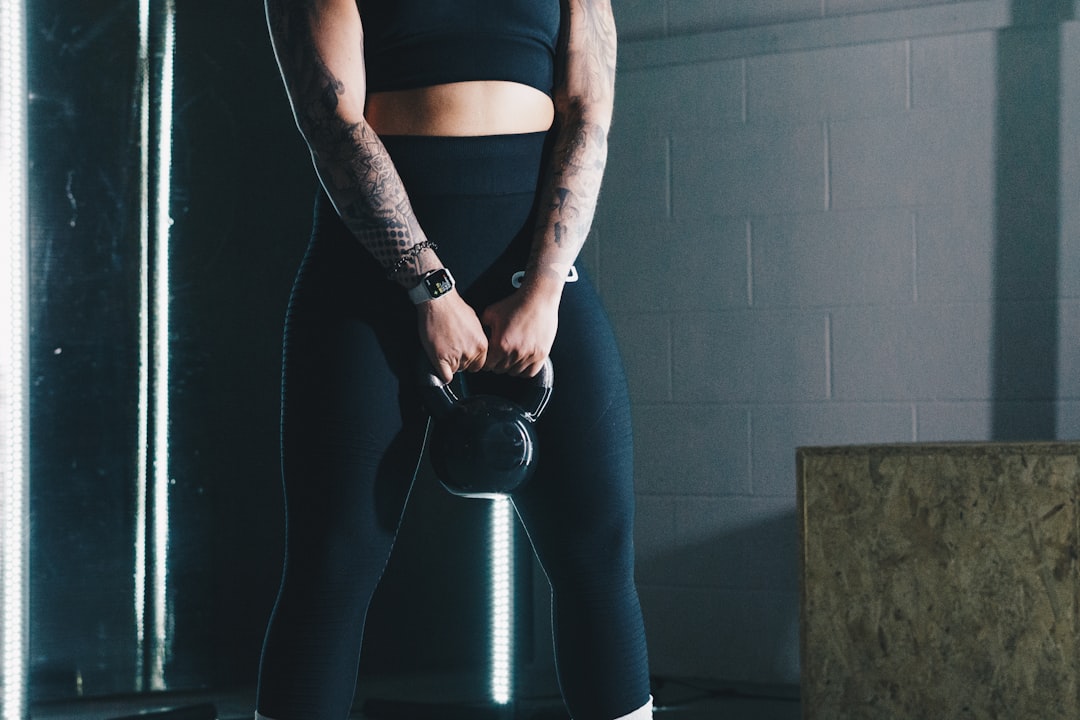
If you're a woman in the UK wanting to get toned but worried about getting bulky, this guide breaks down the exact steps to train smarter. You'll learn why your body's needs change through your 30s, 40s, and after childbirth, how to adjust your workouts and nutrition accordingly, and what common mistakes to avoid. This is straightforward, science-backed advice for beginners ready to see results without confusion or jargon.
Why Your 30s, 40s or Post-Natal Body Needs a Different Approach
Women’s bodies undergo significant physiological changes through their 30s, 40s, and after childbirth, which affects how they respond to exercise and nutrition. For example, metabolic rate often declines by about 5% per decade after 30, making fat loss and muscle maintenance more challenging. Hormonal fluctuations during peri-menopause and menopause impact energy levels, fat distribution, and muscle mass retention. Post-natal bodies require special care due to pelvic floor recovery and potential diastasis recti.
Understanding these changes is essential for designing workouts that tone without bulk. A woman in her 30s juggling work and family might only have 3 sessions of 30 minutes weekly but can still build muscle tone by focusing on compound movements like squats, lunges, and push-ups with moderate weights. Women in their 40s may benefit from adding low-impact strength sessions combined with cardiovascular work to support bone density and heart health, as recommended by NHS women's health across life stages. Post-natal women should prioritise pelvic floor exercises and gradually reintroduce strength training, following safe guidelines to avoid injury. For more on fitness guides, see our guide.
How to Train Effectively for Your Life Stage
Training effectively means adjusting volume, intensity, and exercise selection to your current life stage. For women in their 30s, a balanced plan might include 3 sessions per week: two resistance workouts with moderate weights (around 60% of your maximum lift) for 12 to 15 reps, plus one cardio session. Each resistance workout should last 30–45 minutes, focusing on full-body movements that engage multiple muscle groups.
In your 40s, incorporate strength exercises that support bone health and joint stability. The NHS recommends strength exercises at least twice a week for adults, especially women over 40, to maintain muscle and bone density NHS strength exercises for bone health. Workouts could include resistance bands, bodyweight exercises, or gym machines at chains like PureGym or Virgin Active, which offer flexible membership options.
Post-natal exercise follows a specific progression. Begin with pelvic floor and core activation exercises in the first 6 weeks, then gradually add low-impact strength training as advised by NHS postnatal exercise guidance. Aim for 2–3 short sessions per week, focusing on posture, breathing, and light resistance before progressing to heavier loads.
Each session should include a warm-up of 5–10 minutes of light cardio and mobility work, followed by targeted strength moves and a cool-down to reduce muscle soreness. Tracking progress using simple measures such as repetitions, weight used, and how you feel can help you adjust your plan every 4–6 weeks.
If you'd rather not plan this manually, Milo generates your meals and workouts automatically.
The Mistakes Women Make When Ignoring Life-Stage Changes
Ignoring the distinct changes in your body through your 30s, 40s, or after childbirth often leads to ineffective workouts and frustration. One common mistake is sticking to the same high-volume, high-intensity workouts used in younger years, which can cause fatigue or injury without delivering results.
Another error is neglecting recovery and nutrition adjustments. For example, as metabolism slows, eating the same quantity or types of food without adjusting macronutrients can lead to unwanted fat gain instead of lean muscle development. This is especially true during menopause when oestrogen levels decline, influencing fat storage and muscle mass.
A third frequent mistake is overlooking pelvic floor and core rehabilitation after pregnancy, which can cause long-term issues like incontinence or back pain, limiting exercise capacity. Avoiding these considerations often leads to stalled progress and discouragement. Tailoring your approach based on your life stage is essential to avoid these pitfalls and achieve sustainable toning.
What the Most Consistent Women Do Differently
Women who successfully get toned without bulk tend to adopt a patient, structured approach that respects their body's signals and changes. They prioritise consistency over intensity, focusing on gradual increases in resistance and duration rather than quick fixes.
They also integrate strength training with cardiovascular work and pay attention to nutrition, ensuring protein supports muscle repair without excess calories. Tracking progress with realistic milestones—such as increasing reps by 1–2 every two weeks or adding 0.5–1 kg in weight after a month—helps maintain motivation.
Another key difference is their attention to recovery, including quality sleep and stress management, which supports hormonal balance and muscle growth. Women who succeed often adjust their plans every few months to reflect changes in energy levels or lifestyle without abandoning their goals.
Milo helps you stay consistent — no spreadsheets, no guesswork.
Your Life-Stage Appropriate Starting Point
Start by assessing your current fitness and lifestyle realistically. If you’re in your 30s with a busy schedule, allocate three 30-minute sessions weekly focusing on compound strength exercises using moderate weights. Track your progress by recording weights and reps.
In your 40s, add two strength sessions and one cardio session weekly, prioritising joint-friendly exercises and bone health. Incorporate pelvic floor exercises daily.
Post-natal women should begin with gentle pelvic floor and core work, gradually increasing intensity after 6 weeks as guided by NHS recommendations. Aim to build up to 2–3 sessions of full-body strength training per week over 3 months.
Set a short-term goal to complete at least eight weeks of consistent training, adjusting based on how your body responds. This approach ensures you progressively tone muscles without risking bulk or injury. Learn more about the Milo and how it can help you get started.
Frequently Asked Questions
How long does it take to get toned without getting bulky for women?
Typically, women can expect to see noticeable muscle tone improvements within 6 to 8 weeks of consistent moderate resistance training combined with proper nutrition. Training 3–4 times per week with 12–15 repetitions per set encourages toning rather than bulk. Results vary based on age, diet, and workout intensity.
What type of training helps women tone muscles without bulking up?
Moderate resistance training using 40–60% of your one-rep max with higher repetitions (12–15 reps) is ideal for toning. Combining this with cardiovascular exercise 2–3 times a week improves muscle definition without significant size increase.
Can women in their 40s get toned without gaining bulk?
Yes, women in their 40s can tone muscles without bulking by focusing on strength training twice a week with moderate weights and including weight-bearing exercises to maintain bone density. Adjusting nutrition and prioritising recovery supports this process.
Is it safe to start strength training after giving birth to get toned?
Starting strength training post-birth is safe when following gradual progression and NHS guidelines. Begin with pelvic floor and core activation exercises during the first 6 weeks, then slowly add low-impact strength workouts, ensuring no pain or discomfort.
How much protein should women eat to get toned without bulk?
Women aiming to tone muscles should consume around 1.2 to 1.6 grams of protein per kilogram of body weight daily. This supports muscle repair and growth without excessive calorie intake that could lead to bulk or fat gain.
Get started with Milo. Start your 7-day free trial — from £7.99/month.
Disclaimer: This article is for informational purposes only and does not constitute medical, nutritional, or professional fitness advice. Always consult a qualified healthcare professional before making changes to your diet or exercise routine.
Leave a Reply