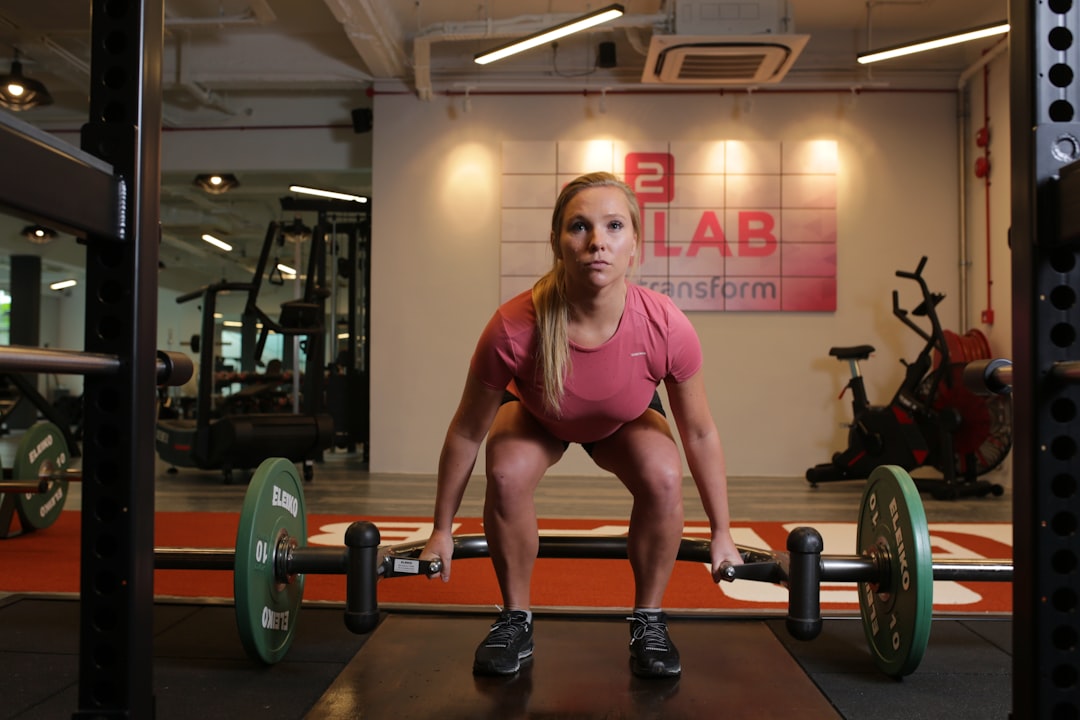
Many women starting strength training worry about becoming bulky. This common concern often stops them from lifting weights, which can limit progress towards fitness goals. Understanding how female biology reacts to resistance training and nutrition helps clear up misconceptions. This post explains why women typically don’t bulk up like men, how hormones influence muscle growth, and how to tailor nutrition and workouts to feel strong and lean. By reading this, you’ll gain clear, practical insights to confidently start or continue lifting weights without fear of unwanted bulk.
Why Standard Diet Plans Don't Account for Your Hormones
Most diet plans target general populations without considering the unique hormonal fluctuations women experience monthly. For instance, oestrogen and progesterone levels shift throughout the menstrual cycle, affecting appetite, energy, and nutrient needs. Women are also at different life stages with varying nutritional requirements, from menstruation through to menopause. Ignoring these factors can lead to frustration, ineffective results, and feelings of failure.
An example: a woman following a strict calorie deficit during her luteal phase (post-ovulation) might struggle more due to increased appetite and lower insulin sensitivity. This phase demands more nuanced nutrition and training adjustments. The British Nutrition Foundation highlights how nutritional needs change across a woman's lifecycle, emphasizing that a one-size-fits-all diet overlooks these critical shifts. Tailoring your approach to your body's rhythms can improve energy, recovery, and progress. For more on fitness guides, see our guide.
How Your Nutritional Needs Change Through Your Cycle
Your menstrual cycle consists of four phases: menstrual, follicular, ovulation, and luteal. Each phase alters hormone levels, impacting how your body uses energy and nutrients. For example, the follicular phase, when oestrogen rises, supports muscle recovery and higher energy. This is the best time to focus on building strength with heavier lifts. Conversely, the luteal phase increases progesterone, which can raise appetite and cause water retention.
During menstruation, iron losses are highest, so prioritising iron-rich foods is essential to prevent fatigue. The British Nutrition Foundation recommends iron from sources like red meat, spinach, and fortified cereals to support this stage. Ovulation often brings a natural peak in energy, making it ideal for more intense workouts.
Adjusting your diet and exercise to these phases means eating more carbohydrates and proteins when energy expenditure is higher, and focusing on mood-supporting nutrients such as magnesium and vitamin B6 during lower energy phases. This cyclical approach is practical and backed by UK nutritional science.
If you'd rather not plan this manually, Milo generates your meals and workouts automatically.
The Foods That Support Hormonal Balance and Energy
Three common mistakes women make with nutrition during strength training include neglecting iron, ignoring balanced macronutrients, and underestimating healthy fats. Firstly, iron deficiency is widespread among women in the UK due to menstruation, leading to fatigue and poor workout performance. Including iron-rich foods or supplements, where necessary, can prevent this.
Secondly, many reduce carbohydrates excessively to control weight, but carbs are vital for hormone regulation and energy, especially around ovulation and the luteal phase. Thirdly, avoiding fats can disrupt hormone production. Healthy fats from sources like oily fish, nuts, and seeds support hormone synthesis and brain health.
Following the NHS Eatwell Guide ensures meals are balanced, combining carbohydrates, proteins, and fats in proportions that support hormonal health. These foods fuel workouts, aid recovery, and maintain steady energy levels, which are crucial for consistent strength training.
What to Eat Around Your Period, Ovulation and Luteal Phase
Eating in tune with your cycle can improve comfort and performance. Around your period, iron-rich and anti-inflammatory foods such as leafy greens, lentils, and oily fish help ease symptoms and replenish iron losses. During ovulation, when oestrogen peaks, your body can handle more intense training and higher carb intake for energy.
In the luteal phase, appetite often increases. Prioritise complex carbs and fibre-rich vegetables to manage blood sugar and mood swings. Magnesium-rich foods like pumpkin seeds and bananas reduce cramps and support relaxation. This phase also benefits from moderate protein intake to prevent muscle breakdown without overloading.
Recognising these nutritional patterns allows you to avoid rigid dieting that conflicts with your body's needs. This practical strategy aligns with NHS guidance on balanced eating and managing women's health through nutrition.
Milo helps you stay consistent — no spreadsheets, no guesswork.
Building a Flexible Eating Approach That Works With Your Hormones
To create a sustainable eating plan, start by tracking your cycle and noting how your hunger and energy shift. Plan meals with a balance of carbohydrates, proteins, and fats according to your phase. For example, increase carbs slightly in the follicular and ovulation phases and focus on protein and healthy fats during the luteal phase.
Set weekly goals to prepare meals in advance that match these needs, using typical UK supermarket ingredients like oats, chicken, eggs, vegetables, and nuts. Avoid strict restrictions; allow flexibility to accommodate fluctuating appetite and cravings.
Aim to reassess your plan monthly, adjusting portions and food choices based on your energy levels and training progress. This flexible approach respects your biology and supports long-term fitness and wellbeing.
References to reliable UK sources ensure these recommendations are rooted in trusted evidence, helping you feel confident in your strength training and nutrition choices. Learn more about the Milo and how it can help you get started.
Frequently Asked Questions
Will lifting weights make me bulky as a woman in the UK?
No, lifting weights will not make most women bulky due to lower testosterone levels compared to men. Women typically develop lean muscle tone rather than large bulky muscles unless engaging in very intense bodybuilding with specific nutrition and supplementation.
How can I start strength training safely as a beginner woman in the UK?
Begin with light weights or bodyweight exercises focusing on proper form. Use 2-3 sessions per week, gradually increasing resistance. Combining strength training with balanced nutrition and adequate rest supports safe progress.
What are the best foods to eat for women during their menstrual cycle?
Iron-rich foods (red meat, spinach), complex carbohydrates, healthy fats, and magnesium sources like nuts and seeds help support energy and reduce symptoms throughout the cycle.
How often should women in the UK lift weights for fitness benefits?
Two to three strength training sessions per week are recommended for general fitness and muscle tone. Consistency over months yields noticeable improvements without risking bulk.
Can strength training help with weight loss for women in the UK?
Yes, strength training increases muscle mass, which boosts resting metabolism and aids fat loss when combined with suitable nutrition. It also improves body composition and overall health.
Get started with Milo. Start your 7-day free trial — from £7.99/month.
Disclaimer: This article is for informational purposes only and does not constitute medical, nutritional, or professional fitness advice. Always consult a qualified healthcare professional before making changes to your diet or exercise routine.
Leave a Reply