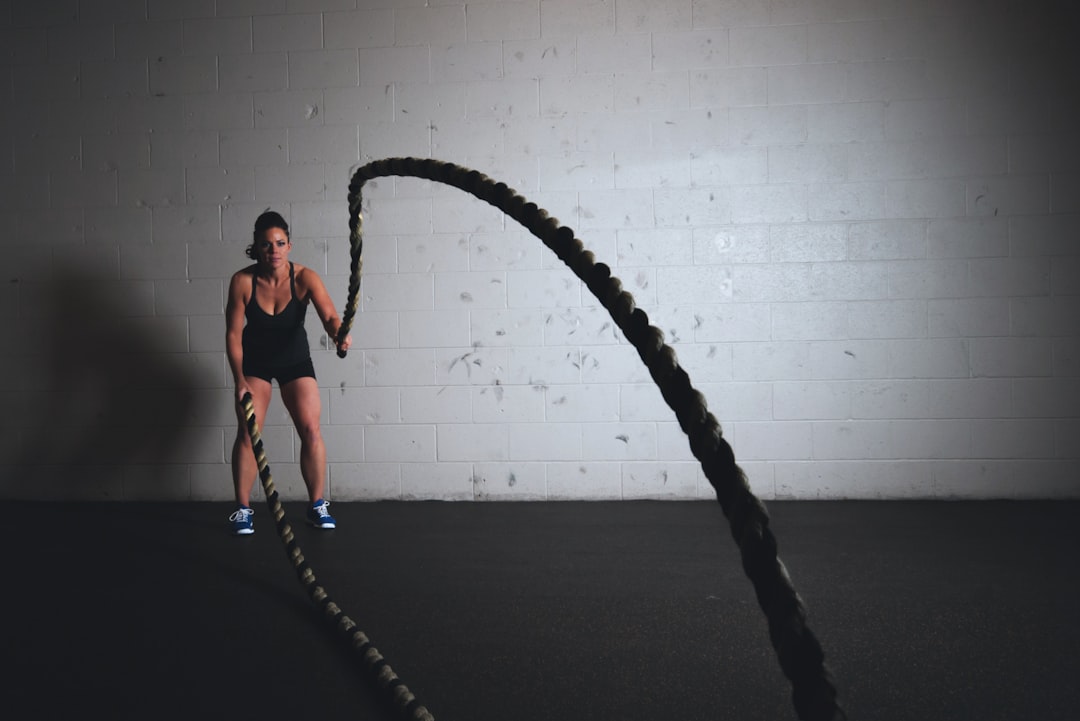
If you’re a woman in the UK asking, “Why am I not losing weight?” you’re not alone. Many find their usual diet and exercise routines suddenly less effective. This often comes down to hormonal shifts, lifestyle factors, and training approaches that don’t match your life stage. By understanding these changes and adapting your strategy with clear steps, you can start seeing progress again. This guide breaks down the science and offers practical advice tailored to your 30s, 40s, or post-natal body.
Why Your 30s, 40s or Post-Natal Body Needs a Different Approach
Most women notice a slowdown in weight loss around their 30s and beyond. This is not a failure of willpower but a result of biological changes. For example, resting metabolic rate (RMR) decreases by approximately 1–2% per decade after age 30, meaning you burn fewer calories at rest than before. Combined with fluctuating hormones, such as declining oestrogen in the 40s or the demands of recovery after childbirth, the body stores fat differently and can resist weight loss. The NHS highlights that women experience unique health shifts across life stages, including fertility changes, menopause onset, and postnatal recovery, which all influence weight management NHS women’s health across life stages.
Postnatal women face challenges like pelvic floor weakness and hormonal imbalances that affect exercise capacity and fat distribution. Meanwhile, women in their 40s may see reduced muscle mass and bone density without targeted strength work. Understanding these physiological facts is essential to avoid frustration and tailor your fitness and nutrition strategy to what your body needs now, not what worked five or ten years ago. For more on fitness guides, see our guide.
How to Train Effectively for Your Life Stage
Training for weight loss must align with your body’s current demands. For women in their 30s, maintaining muscle mass is key since muscle burns more calories. Aim for at least two sessions weekly of resistance training, focusing on compound movements like squats and push-ups, with 8–12 repetitions per set and 3 sets per exercise. Include 150 minutes of moderate aerobic exercise weekly, such as brisk walks or cycling.
In your 40s, strength training becomes even more critical to counteract muscle loss and support bone health. The NHS recommends weight-bearing and muscle-strengthening activities at least twice weekly, which can help manage menopausal symptoms and support heart health NHS menopause and physical health. Incorporate exercises like lunges, deadlifts, and resistance band work with progressive overload every 2–3 weeks.
Postnatal women should prioritise gentle return to activity after birth, focusing first on pelvic floor and core rehabilitation to avoid injury. The NHS advises waiting until after the 6-week postnatal check before resuming more intense exercise NHS postnatal exercise guidance. Begin with low-impact activities such as walking and pelvic floor exercises, gradually increasing intensity over 8–12 weeks.
In all stages, consistency matters more than intensity. Schedule workouts realistically around your lifestyle, such as 30-minute sessions 3–4 times a week, and focus on gradual progress rather than quick fixes.
If you'd rather not plan this manually, Milo generates your meals and workouts automatically.
The Mistakes Women Make When Ignoring Life-Stage Changes
Ignoring how your body changes with age or motherhood leads to three common mistakes that stall weight loss.
First, sticking to high-cardio-only routines without strength training causes muscle loss. Less muscle means fewer calories burned daily, making fat loss harder. For example, a woman who neglects resistance work can lose up to 5% muscle mass per decade, lowering metabolic rate significantly.
Second, undereating or following fad diets damages metabolism and energy levels. Many women drop below 1,200 calories daily, which slows metabolism and triggers fat retention as a survival response.
Third, skipping recovery and ignoring hormonal fluctuations causes burnout and inconsistent results. Overtraining without rest impairs hormones like cortisol and insulin, which regulate fat storage and hunger.
Each mistake leads to frustration, stalled progress, and sometimes weight gain despite effort. Addressing these by adapting your training, eating enough, and respecting recovery is crucial.
What the Most Consistent Women Do Differently
Women who succeed long-term focus on sustainable habits tailored to their stage rather than short-term fixes. They prioritise strength training, recognising its role in boosting metabolism and preserving muscle. For instance, dedicating just two 45-minute strength sessions weekly can increase resting metabolic rate by up to 7% over months.
They also adopt flexible eating patterns that meet energy needs without severe restriction. Instead of cutting calories drastically, they track portion sizes, meal timing, and nutrient balance to support fat loss without sacrificing wellbeing.
Consistency in scheduling workouts around family and work commitments helps too. Women who plan 3–4 sessions weekly, even if shorter, maintain momentum better than those who wait for perfect conditions.
Finally, these women listen to their bodies, adjusting intensity during hormonal shifts or recovery periods. This reduces injury risk and keeps motivation steady.
Milo helps you stay consistent — no spreadsheets, no guesswork.
Your Life-Stage Appropriate Starting Point
Begin by identifying your current life stage: 30s, 40s, or postnatal. Then, set a simple, realistic plan. For women in their 30s, start with two strength sessions plus 150 minutes of moderate cardio weekly. Use bodyweight or light weights and increase load every 2–3 weeks.
If you’re in your 40s, add bone-strengthening exercises like weight-bearing lunges and step-ups alongside aerobic activity. Aim for at least two strength-focused sessions weekly and monitor how your body responds.
Postnatal women should consult their health professional after birth, then gradually return to activity with pelvic floor and core exercises for 6–8 weeks before increasing intensity.
Track your progress with weekly weigh-ins or measurements but focus primarily on how clothes fit and energy levels. Adjust your programme monthly based on results and wellbeing.
With these clear steps matched to your stage, you can overcome plateaus and move confidently towards your weight loss goals. Learn more about the Milo and how it can help you get started.
Frequently Asked Questions
Why am I not losing weight despite eating less?
Eating too little can slow your metabolism, causing your body to conserve energy by storing fat. If your daily calorie intake drops below 1,200 calories, your metabolic rate may decrease, making weight loss harder. Instead, aim for a moderate calorie deficit combined with strength training to maintain muscle and boost calorie burn.
How much strength training should women do for weight loss?
Women should aim for at least two strength training sessions per week, focusing on compound exercises like squats and lunges. Each session can last 30–45 minutes with 3 sets of 8–12 repetitions. This helps preserve muscle mass, which is vital for maintaining a higher metabolic rate and supporting fat loss.
When can I start exercising after giving birth?
Most women can begin gentle exercise after their 6-week postnatal check, focusing initially on pelvic floor and core strengthening. Low-impact activities like walking are recommended early on. Gradual progression to more intense workouts can occur over 8–12 weeks, depending on individual recovery and medical advice.
How does menopause affect weight loss for women in the UK?
Menopause brings hormonal changes, especially reduced oestrogen, which can slow metabolism and increase fat storage, particularly around the abdomen. Strength and weight-bearing exercises are crucial during this stage to maintain muscle and bone density, supporting ongoing weight management and overall health.
What is a realistic workout schedule for busy women starting fitness?
A practical workout schedule is 3–4 sessions per week lasting 30 minutes each. This can include two strength sessions and 1–2 moderate-intensity cardio sessions, such as brisk walking or cycling. Consistency and gradual progression are key to maintaining motivation and achieving results.
Get started with Milo. Start your 7-day free trial — from £7.99/month.
Disclaimer: This article is for informational purposes only and does not constitute medical, nutritional, or professional fitness advice. Always consult a qualified healthcare professional before making changes to your diet or exercise routine.
Leave a Reply