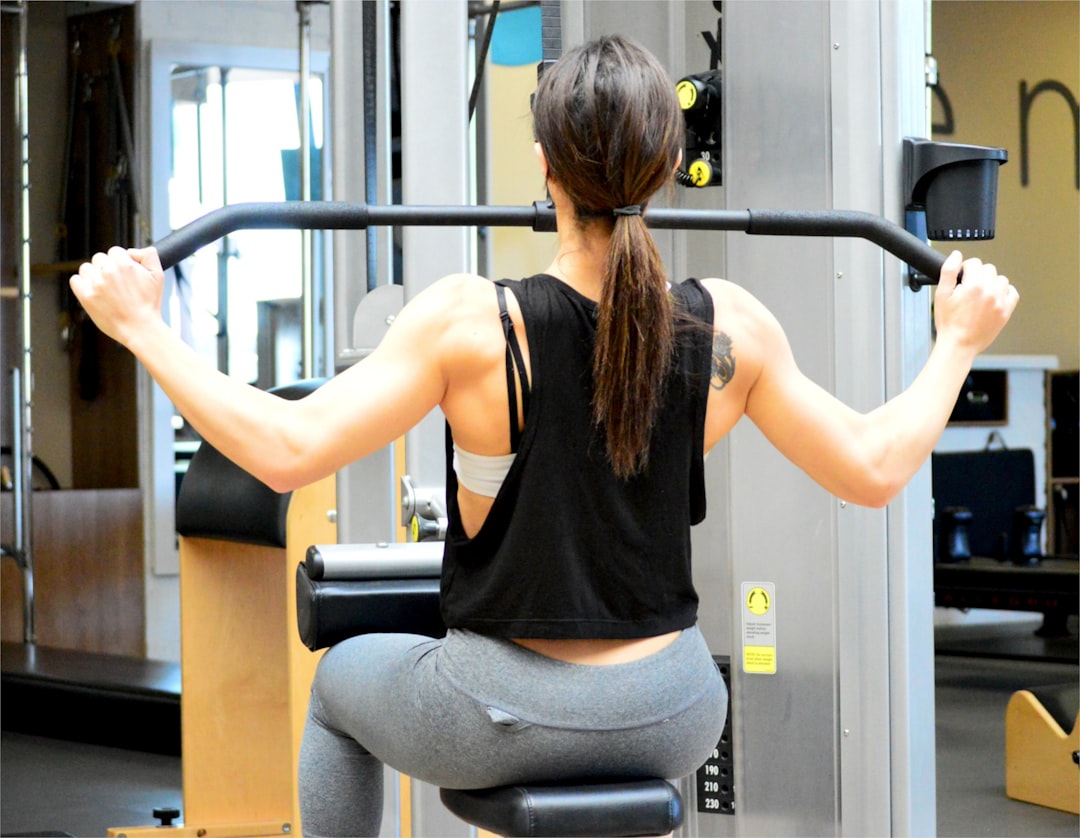
Growing glutes as a woman in the UK requires more than just generic gym routines and diets. Hormonal fluctuations throughout the menstrual cycle affect strength gains and nutritional needs, making a personalised approach essential. By understanding how to align your workouts and meals with your biology, you can build muscle more effectively and sustainably. This guide breaks down the science behind nutrition, cycle phases, and targeted exercises for optimal glute growth.
Why Standard Diet Plans Don't Account for Your Hormones
Hormonal cycling is the natural fluctuation of oestrogen and progesterone levels across roughly 28 days, affecting metabolism, energy, and muscle growth potential. Standard diet plans typically provide fixed calorie and macronutrient targets but rarely consider these hormonal shifts. This mismatch can reduce training effectiveness and body composition results.
Oestrogen peaks during the follicular phase, increasing insulin sensitivity and muscle-building capacity, while progesterone rises after ovulation, slightly raising metabolic rate but potentially reducing energy efficiency. According to the NHS women's health and nutrition, recognising these phases helps tailor nutrition and exercise for better outcomes.
Ignoring hormonal phases can lead to inadequate energy availability during strength training sessions or poor nutrient timing, limiting glute muscle growth. Women who adjust their diet and workouts in line with their cycle often report improved strength gains and recovery. For more on fitness guides, see our guide.
How Your Nutritional Needs Change Through Your Cycle
Nutritional requirements vary distinctly between the follicular, ovulatory, and luteal phases. The follicular phase (days 1–14) benefits from higher carbohydrate intake to fuel strength training, as oestrogen increases glycogen storage and utilisation. Supermarkets like Tesco and Sainsbury’s offer quality wholegrain options such as rolled oats and wholemeal bread to support this.
During ovulation (around day 14), protein needs should increase slightly to support muscle repair after peak training intensity. Lean British chicken, eggs, and dairy from local sources can provide this.
In the luteal phase (days 15–28), progesterone raises basal metabolic rate by approximately 5–10%, increasing energy demands. Women may experience cravings and reduced insulin sensitivity at this time. Increasing healthy fats and fibre, found in avocados, nuts, and vegetables, helps maintain energy and hormonal balance. The British Nutrition Foundation nutrition across the lifecycle outlines these phase-specific needs.
Implementing a cycle-aware nutrition plan means adapting calorie and macronutrient intake weekly rather than following a static diet.
If you'd rather not plan this manually, Milo generates your meals and workouts automatically.
The Foods That Support Hormonal Balance and Energy
There are three common nutritional mistakes that can hinder glute growth and hormonal health: insufficient protein intake, neglecting essential fats, and inconsistent meal timing.
Firstly, inadequate protein limits muscle repair and growth, especially during the follicular and ovulatory phases when anabolic processes peak. Women should aim for at least 1.6g of protein per kilogram of body weight daily, including sources like British lean beef, fish, and pulses.
Secondly, low intake of omega-3 fatty acids impairs hormone production and inflammatory response. Incorporating oily fish such as salmon or mackerel twice weekly supports hormonal balance and recovery, as advised in the NHS Eatwell Guide.
Thirdly, erratic meal timing can cause blood sugar fluctuations and energy crashes, negatively impacting workout performance and muscle synthesis. Regular meals spaced every 3–4 hours help sustain energy and optimise nutrient delivery to muscles.
Addressing these three areas strengthens the hormonal environment for glute growth and overall wellbeing.
What to Eat Around Your Period, Ovulation and Luteal Phase
Contrary to the common belief that calorie restriction aids fat loss and muscle definition, women who maintain consistent energy intake around their menstrual phases see better muscle gains and mood stability.
During menstruation (days 1–5), iron levels can drop due to blood loss, so consuming iron-rich foods like spinach, red meat, and fortified cereals helps prevent fatigue and supports training capacity, aligning with NHS iron deficiency and women.
Around ovulation (days 13–15), energy and strength peak; prioritising higher carbohydrate intake from potatoes, rice, and fruits supports intense glute workouts.
The luteal phase (days 16–28) increases cravings and metabolic rate; focusing on complex carbohydrates and healthy fats from nuts, seeds, and olive oil can curb appetite and maintain energy.
Women who adjust their eating patterns to these phases report improved workout consistency and muscle growth.
Milo helps you stay consistent — no spreadsheets, no guesswork.
Building a Flexible Eating Approach That Works With Your Hormones
To build glutes effectively, adopt a flexible nutrition plan tailored to your cycle:
- Track your menstrual cycle phases using a calendar or app.
- Increase protein intake to 1.6–2.0g/kg during follicular and ovulatory phases.
- Raise carbohydrate intake by 10–15% around ovulation for workout fuel.
- Incorporate iron-rich foods during menstruation to prevent fatigue.
- Add healthy fats and fibre in the luteal phase to stabilise energy and appetite.
Adjust portion sizes weekly rather than daily to reduce complexity.
is a UK fitness app that generates personalised meal plans and workout programmes based on your goals, body stats, and preferences, including cycle-aware nutrition strategies. Learn more about the Milo and how it can help you get started.
Frequently Asked Questions
How often should women in the UK train their glutes for the best growth?
Women in the UK should train their glutes 2 to 3 times per week with progressive resistance exercises to maximise muscle growth, allowing at least 48 hours of recovery between sessions.
What types of exercises are most effective for growing glutes as a woman?
Compound movements like squats, deadlifts, and hip thrusts are most effective for glute growth, as they target multiple muscles simultaneously and promote greater strength and hypertrophy.
How does the menstrual cycle affect glute training results for women in the UK?
The menstrual cycle affects energy, strength, and recovery; women tend to have higher strength and insulin sensitivity in the follicular phase, making it the optimal time for intense glute training.
What protein intake supports glute growth for UK women?
A protein intake of 1.6 to 2.0 grams per kilogram of body weight daily supports muscle repair and growth necessary for glute development in women.
Can adjusting diet around the menstrual cycle improve glute growth?
Yes, adjusting macronutrient intake—such as increasing carbohydrates during ovulation and iron during menstruation—can enhance energy, recovery, and muscle growth in line with hormonal changes.
Get started with Milo. Start your 7-day free trial — from £7.99/month.
Disclaimer: This article is for informational purposes only and does not constitute medical, nutritional, or professional fitness advice. Always consult a qualified healthcare professional before making changes to your diet or exercise routine.
Leave a Reply