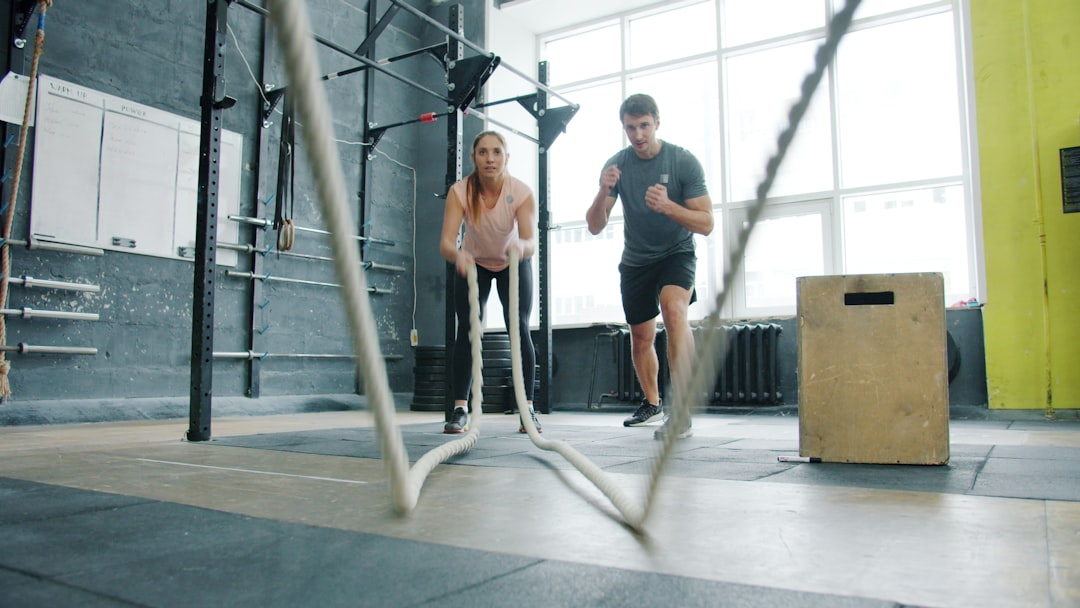
Building muscle as a woman in the UK requires an approach that respects your unique physiology and lifestyle, especially through your 30s, 40s and postnatal period. Many women struggle with ineffective routines that don’t consider hormonal changes or recovery needs. This guide provides clear, actionable steps to develop muscle safely and sustainably, addressing common pitfalls and offering life-stage-specific strategies to improve strength and wellbeing.
Why Your 30s, 40s or Post-Natal Body Needs a Different Approach
Muscle building for women over 30 is impacted by natural hormonal shifts, including declining oestrogen levels, which influence muscle protein synthesis and recovery capacity. According to the NHS women's health across life stages, these changes require adjustments in training intensity and nutrition to maintain and build muscle effectively. During the postnatal period, the body undergoes significant recovery, and strength programmes need modification to accommodate pelvic floor health and energy levels. The NHS postnatal exercise guidance emphasises starting with gentle strength and pelvic exercises before progressing to heavier resistance training.
Menopause further complicates muscle growth due to reduced oestrogen, which can lead to decreased muscle mass and strength if unaddressed. The NHS menopause and physical health notes that strength training is a recommended strategy to counteract these effects by preserving muscle and bone density. For more on fitness guides, see our guide.
How to Train Effectively for Your Life Stage
Effective muscle building for women in the UK requires a structured strength training programme tailored to your life stage. Start with compound movements such as squats, deadlifts, and presses, performed 2–3 times weekly with 8–12 repetitions per set to stimulate hypertrophy. Progressively increase weights or resistance to encourage muscle adaptation. Incorporate rest days to allow recovery, especially important during hormonal fluctuations.
Nutrition should support muscle repair and growth with a protein intake of 1.4 to 2.0 grams per kilogram of body weight daily, sourced from UK supermarkets like Tesco or Sainsbury’s offering lean meats, dairy, legumes, and plant proteins. Hydration and micronutrients such as vitamin D and calcium are also critical.
Postnatal women should prioritise pelvic floor exercises and gradually reintroduce resistance work, following guidance from the NHS postnatal exercise guidance. For menopausal women, consistency is key alongside functional strength training to maintain independence and metabolic health.
If you'd rather not plan this manually, Milo generates your meals and workouts automatically.
The Mistakes Women Make When Ignoring Life-Stage Changes
The three common mistakes women make when ignoring their life-stage changes are:
-
Training with the same volume and intensity as in their 20s, leading to overtraining and injury due to reduced recovery ability.
-
Neglecting nutrition adjustments, particularly protein intake, causing inadequate muscle repair and growth despite training.
-
Overlooking pelvic floor and core strengthening postnatally, which can prolong recovery and increase injury risk. These mistakes can stall progress and increase frustration, contributing to abandonment of strength goals.
What the Most Consistent Women Do Differently
Women who consistently build muscle beyond their 30s often adopt evidence-based adaptations such as prioritising progressive overload while listening to their body’s recovery signals. They maintain protein intake above 1.5 grams per kilogram daily, recognising its role in muscle protein synthesis. They also integrate functional and compound exercises 3 times per week and adjust rest days according to menstrual cycle phases or menopausal symptoms, as recommended by the NHS menopause and physical health. These women track progress objectively and avoid all-or-nothing mindsets.
Milo helps you stay consistent — no spreadsheets, no guesswork.
Your Life-Stage Appropriate Starting Point
Begin with a clear plan: 1) Assess your current fitness and dietary habits; 2) Schedule 2–3 strength sessions weekly focusing on compound movements; 3) Increase protein intake to at least 1.4 grams per kilogram of body weight daily; 4) Incorporate rest and recovery days sensitive to your energy levels; 5) Monitor progress every 4–6 weeks and adjust accordingly. For postnatal women, start with pelvic floor and light resistance exercises before increasing intensity. is a UK fitness app that generates personalised meal plans and workout programmes based on your goals, body stats and preferences.
Frequently Asked Questions
How much protein should a woman in the UK eat to build muscle?
Women aiming to build muscle should consume between 1.4 and 2.0 grams of protein per kilogram of body weight daily, according to UK nutrition guidelines, to support muscle repair and growth.
What strength training frequency is ideal for women over 30 in the UK?
Training 2–3 times per week with a focus on compound exercises and progressive overload is recommended for women over 30 to effectively build muscle while allowing adequate recovery.
Can postnatal women safely build muscle after childbirth?
Yes, postnatal women can build muscle safely by starting with pelvic floor and gentle core exercises, gradually progressing to resistance training as advised by the NHS postnatal exercise guidance.
Why is strength training important during menopause for UK women?
Strength training helps counteract muscle loss and bone density decline during menopause, reducing the risk of osteoporosis and supporting metabolic health, as noted by the NHS menopause and physical health resources.
What common mistakes hinder muscle growth for women in their 30s and 40s?
Common mistakes include training too intensely without sufficient rest, neglecting increased protein needs, and ignoring pelvic floor recovery postnatally, all of which can impede muscle growth.
Get started with Milo. Start your 7-day free trial — from £7.99/month.
Disclaimer: This article is for informational purposes only and does not constitute medical, nutritional, or professional fitness advice. Always consult a qualified healthcare professional before making changes to your diet or exercise routine.
Leave a Reply