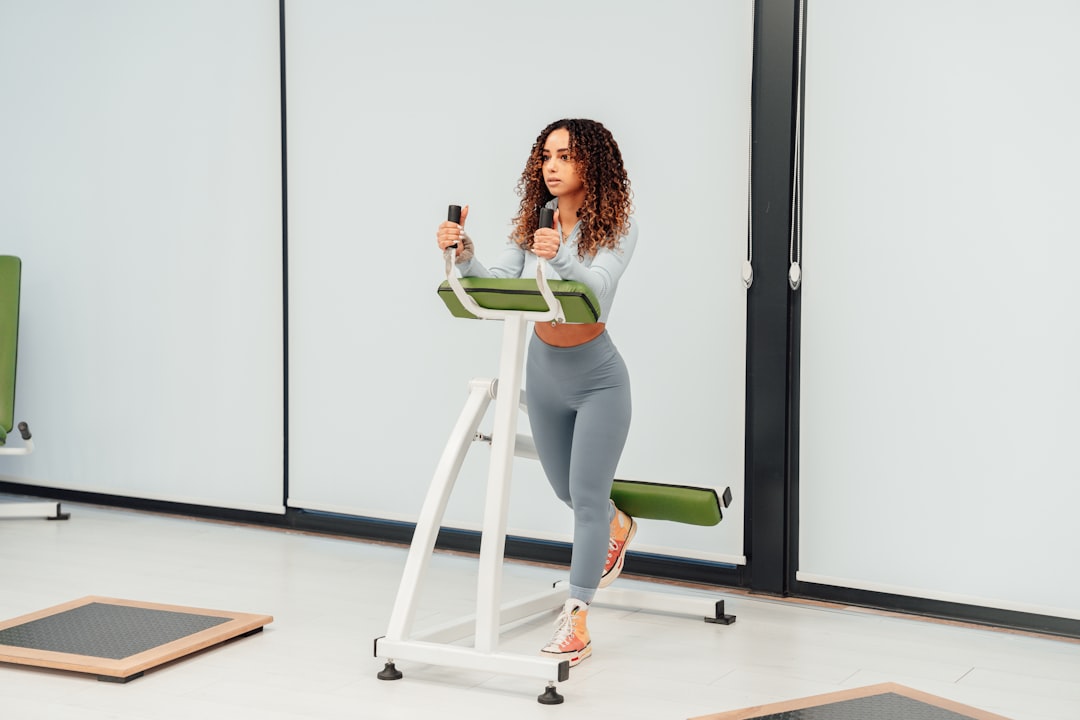
Struggling to build a bigger bum despite hours of cardio and endless squats? This guide breaks down exactly what strength training means for women starting out in the UK. You’ll learn why the fear of 'getting bulky' is misplaced, how to approach exercises correctly, and a realistic four-week plan to see progress. No jargon, just clear, practical steps for your fitness journey.
The "Getting Bulky" Fear That's Keeping Women Away From the Weights Room
The fear of getting bulky keeps many women away from the weights room, but it’s largely unfounded. For context, women have about 5–10 times less testosterone than men, a hormone critical for muscle growth. This hormonal difference makes significant muscle mass gains without very specific, intense training and nutrition strategies almost impossible naturally. For example, a typical woman lifting weights three times a week over six months will see strength and shape changes but not the kind of bulk often imagined.
Data from Sport England shows only 18% of women regularly use the weights area in gyms, compared to 41% of men, largely due to this misconception. Avoiding weights means missing out on the most effective method to sculpt and grow glute muscles. Instead, many women stick to cardio, which burns calories but doesn’t increase muscle size or reshape the bum.
The key is recognising that strength training builds firmness, curves, and tone—not oversized muscle. Models of muscular women in fitness magazines often use enhanced nutrition and training beyond beginner levels to achieve their look. Beginners should aim for consistent progress with exercises like hip thrusts, squats, and lunges, which target the glutes without bulky results.
What Strength Training Actually Does to a Woman's Body
Strength training for women primarily increases muscle strength and endurance rather than bulk. When you perform resistance exercises, your muscle fibres undergo microscopic damage, which the body repairs by thickening and strengthening those fibres. However, this process requires a calorie surplus and higher levels of testosterone to produce significant size increases, which most women lack naturally. For more on fitness guides, see our guide.
A sensible approach is to perform 8–12 repetitions per set with moderate weights, resting 60–90 seconds between sets. Aim for 2–3 strength sessions weekly focused on major glute movements such as hip thrusts, deadlifts, and Bulgarian split squats. Over 8–12 weeks, this protocol has been shown to improve muscle tone and size enough to create visible shape changes without excess bulk.
Strength training also counts towards the NHS’s recommended 150 minutes of moderate exercise per week for adults, which includes muscle-strengthening activities NHS physical activity for women. This dispels the myth that only cardio counts for fitness and weight management. Incorporating strength work improves metabolism, supports fat loss, and enhances posture, which contributes to a better bum shape.
Additionally, strength training improves muscle coordination and neuromuscular efficiency, meaning you recruit more muscle fibres during exercises, leading to better activation of the glutes rather than compensating with other muscles like the quads or lower back.
If you'd rather not plan this manually, Milo generates your meals and workouts automatically.
Why Women Who Lift Achieve Better Results Faster
Three common mistakes hold women back: avoiding weights due to bulk fears, neglecting progressive overload, and poor exercise selection.
Firstly, avoiding weights means relying on cardio or bodyweight exercises that don’t sufficiently challenge the glutes for growth. For example, a woman doing only walking or light jogging burns calories but won’t trigger muscle adaptation in the glutes.
Secondly, progressive overload—the gradual increase of weight or resistance—is essential. Without increasing load, muscles plateau quickly. Yet many beginners stick to the same weights or reps for months. For instance, starting squats with 10kg and never increasing means the glutes receive no new stimulus after a few weeks.
Thirdly, poor exercise selection is widespread. Many women focus too much on squats alone or leg presses, ignoring exercises like hip thrusts and glute bridges that isolate the glute muscles more effectively. Research shows hip thrusts produce greater glute activation than squats, making them a superior choice for bum building.
Avoiding these mistakes accelerates progress and reduces frustration. Women who structure workouts with compound and isolation glute exercises, increase weights regularly, and train consistently twice per week see measurable changes in 6–8 weeks.
How to Start Strength Training With Confidence
The barrier to starting weights is often intimidation, but the solution is straightforward: learn proper form, start light, and track progress. Gyms like Virgin Active or Bannatyne offer induction sessions where trainers explain safe lifting techniques. Alternatively, educational videos vetted by CIMSPA professionals can guide beginners.
Start with bodyweight exercises—glute bridges, clamshells, and basic squats—to build neuromuscular connection. Then gradually introduce weights, such as resistance bands or dumbbells from 2–5kg, increasing as strength improves. Focus on slow, controlled movements with a 2-second pause at the top of each rep to maximise muscle engagement.
Consistency matters more than intensity at first. Aim for two strength sessions weekly with 3 sets of 10–12 reps per exercise. Rest days allow muscles to recover and grow—skipping rest risks injury and stalls progress.
Building confidence also means understanding that soreness or muscle fatigue is normal but sharp pain is not. If unsure, seek advice from gym staff or qualified exercise professionals. The NHS highlights strength training as safe and effective for women across ages, including those approaching menopause, when muscle loss accelerates NHS menopause and muscle loss.
Milo helps you stay consistent — no spreadsheets, no guesswork.
Your First Four Weeks in the Weights Room
Week 1: Focus on technique. Perform bodyweight glute bridges, air squats, and lunges. Complete 3 sets of 12 reps, resting 60 seconds between sets. Aim for two sessions.
Week 2: Introduce light weights (dumbbells or kettlebells) for squats and lunges. Add hip thrusts with bodyweight, 3 sets of 10 reps.
Week 3: Gradually add resistance by increasing weights by 1–2kg and include Bulgarian split squats. Maintain 3 sets per exercise, resting 60–90 seconds.
Week 4: Focus on progressive overload. Increase weights for hip thrusts and squats by 5–10% compared to week 3. Add a fourth glute-focused exercise like cable kickbacks if available.
Track your weights, reps, and how your bum feels after workouts. Expect mild soreness but increasing strength and shape changes by week 4. This plan fits typical UK gym access and the NHS recommended strength training frequency for adults.
Strength training also improves bone density, reducing osteoporosis risk, a serious concern for women as they age NHS bone health and strength training. This long-term health benefit adds urgency to starting now rather than later. Learn more about the Milo and how it can help you get started.
Frequently Asked Questions
How long does it take to see results from bum-building exercises?
Most women notice initial changes in muscle tone and strength within 4 to 6 weeks of consistent strength training focused on the glutes. Visible size increases usually take 8 to 12 weeks, depending on training intensity, frequency, and nutrition.
Can I build a bigger bum at home without gym equipment?
Yes, you can build a bigger bum at home using bodyweight exercises like glute bridges, lunges, and step-ups. Adding resistance bands or household weights can enhance results. Consistency and progressive challenge are key for muscle growth.
How often should women in the UK do strength training for bum growth?
The NHS recommends adults do muscle-strengthening activities at least twice a week, which is ideal for glute development. Training the glutes two to three times weekly allows for recovery and maximises muscle growth.
Will strength training help me lose fat and build a bigger bum simultaneously?
Strength training improves muscle shape and increases metabolism, supporting fat loss when combined with balanced nutrition. However, building noticeable bum size may require a slight calorie surplus, so focusing on body recomposition over rapid fat loss is advisable.
What are the best exercises to build a bigger bum for beginners?
Effective beginner exercises include hip thrusts, glute bridges, Bulgarian split squats, lunges, and bodyweight squats. These target the glute muscles directly and can be progressed with added resistance as strength improves.
Get started with Milo. Start your 7-day free trial — from £7.99/month.
Disclaimer: This article is for informational purposes only and does not constitute medical, nutritional, or professional fitness advice. Always consult a qualified healthcare professional before making changes to your diet or exercise routine.
Leave a Reply