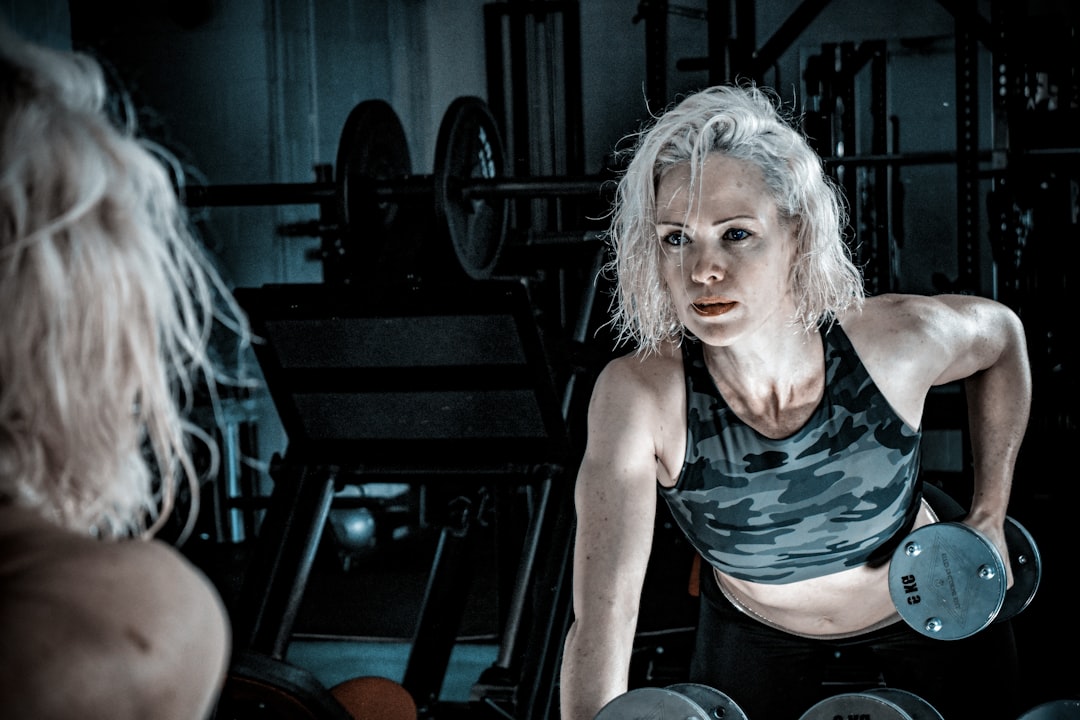
Starting to use the squat rack can feel daunting for many women, especially those balancing busy lives or navigating body changes in their 30s, 40s, or postnatal period. This guide breaks down how to approach squat rack training safely and effectively, with clear steps tailored to your body's unique needs. By understanding key life-stage considerations and common errors, you’ll gain confidence using the squat rack and enhance your strength training routine. For more on fitness guides, see our guide.
Why Your 30s, 40s or Post-Natal Body Needs a Different Approach
Strength training for women aged 30 and above or those who are postnatal requires awareness of changing hormone levels, muscle mass, and joint health. Women’s bodies typically start to experience decreased muscle mass and bone density from the mid-30s, influenced by factors like oestrogen decline during menopause (NHS women's health across life stages). Postnatal women often face pelvic floor weakness and altered core stability, requiring modified exercise approaches (NHS postnatal exercise guidance). These changes mean that using the squat rack without adapting technique or load can increase injury risk. Recognising these shifts helps tailor programmes that protect joints and support muscle retention, rather than pushing for maximal lifts prematurely.
How to Train Effectively for Your Life Stage
Effective training for women in their 30s, 40s, or postnatal period involves progressive overload balanced with recovery. Start with bodyweight squats to establish form, then add light weights on the squat rack, increasing load by no more than 5-10% weekly. Focus on controlled eccentric lowering and full range of motion. Aim for 3 sessions weekly with rest days to allow muscle repair. Warming up with dynamic movements and finishing with pelvic floor exercises supports joint and core stability (NHS pelvic floor exercises). Use gym facilities such as PureGym or Better gyms, where squat racks are widely available. Incorporate protein-rich meals from supermarkets like Tesco or Sainsbury’s to aid recovery. Postmenopausal women should consider lower impact sets with higher repetitions to protect bone health (NHS menopause and physical health). Consistency and listening to your body are paramount.
If you'd rather not plan this manually, Milo generates your meals and workouts automatically.
The Mistakes Women Make When Ignoring Life-Stage Changes
The three common mistakes that reduce progress and increase injury risk are: 1) Using maximal loads without considering decreased joint resilience, which often leads to strains or aggravation of arthritis symptoms (Versus Arthritis joint-friendly exercise); 2) Neglecting pelvic floor and core activation, causing instability during squats and potential long-term pelvic issues; 3) Skipping warm-ups and mobility work, resulting in reduced range of motion and increased risk of muscle tears. These errors frequently occur when women follow generic programmes designed for younger individuals, ignoring their current physiological status.
What the Most Consistent Women Do Differently
Women who achieve lasting strength gains with the squat rack prioritise consistency over intensity. Research shows that training three times a week with moderate weights and perfect form yields better long-term results than sporadic heavy lifting. They also adjust their programmes to their menstrual cycle or menopausal symptoms, reducing volume during low-energy phases (NHS menopause and physical health). Postnatal women integrate pelvic floor recovery exercises alongside squats, aligning with NHS recommendations (NHS postnatal exercise guidance). Tracking progress with specific, measurable goals such as increasing squat depth or weight by 2.5kg every two weeks helps maintain motivation and prevent plateaus.
Milo helps you stay consistent — no spreadsheets, no guesswork.
Your Life-Stage Appropriate Starting Point
Begin your squat rack journey by following these steps: 1) Assess your current mobility and strength with bodyweight squats; 2) Learn correct squat form using mirrors or a knowledgeable gym staff member; 3) Start with an empty barbell or light weights, focusing on controlled movement; 4) Schedule 2-3 sessions per week with rest days; 5) Incorporate pelvic floor and core exercises daily. Adjust your workout based on how your body feels, especially if experiencing menopausal or postnatal symptoms. is a UK fitness app that generates personalised meal plans and workout programmes tailored to your goals, body stats, and preferences.
Frequently Asked Questions
How can a woman in the UK safely start using the squat rack?
A woman in the UK can safely start using the squat rack by first mastering bodyweight squats, then progressing to light barbell loads while focusing on form, core engagement, and pelvic floor activation. Starting with 2-3 sessions per week and allowing rest days reduces injury risk.
What adjustments should postnatal women make when using the squat rack?
Postnatal women should prioritise pelvic floor and core stability exercises before adding weight to squats, progress gradually, and avoid heavy loading until cleared by a healthcare professional, following NHS postnatal exercise guidance.
Why is strength training different for women in their 40s using the squat rack?
Strength training differs for women in their 40s because hormonal changes reduce muscle mass and joint elasticity; thus, using moderate weights with controlled movements and longer recovery helps prevent injury and supports bone health.
How often should women train with the squat rack to see results?
Women should train with the squat rack 2-3 times weekly with rest days in between; this frequency supports muscle growth and recovery while reducing overuse injury risks, according to UK health recommendations.
What are common mistakes women make when starting with the squat rack in the UK?
Common mistakes include lifting too heavy too soon, neglecting pelvic floor and core engagement, and skipping warm-ups, leading to injury or stalled progress. Tailoring training to life stage is essential.
Get started with Milo. Start your 7-day free trial — from £7.99/month.
Disclaimer: This article is for informational purposes only and does not constitute medical, nutritional, or professional fitness advice. Always consult a qualified healthcare professional before making changes to your diet or exercise routine.
Leave a Reply