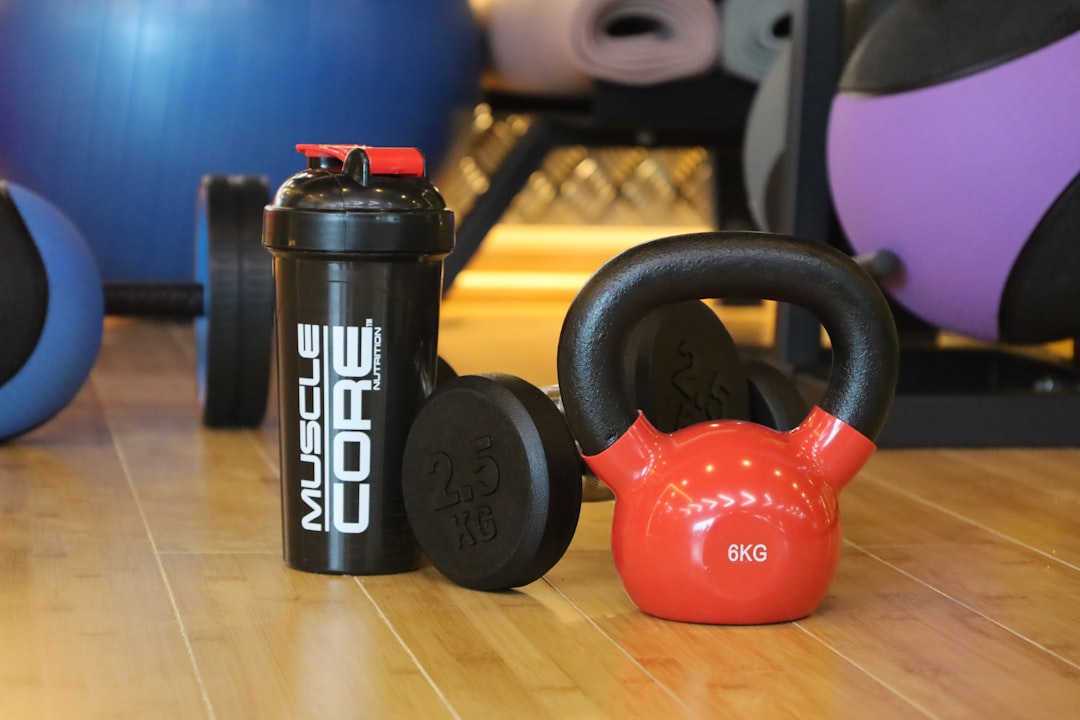
Starting a gym routine can be intimidating, especially for women new to fitness and unsure how to balance workouts with daily life. Anxiety around unfamiliar equipment, feeling observed, or not knowing where to start affects around 40% of women in the UK. This guide offers a clear, manageable three-day weekly gym plan designed specifically for female beginners, helping you develop confidence, strength, and consistency in a way that fits your lifestyle. For more on fitness guides, see our guide.
Why Gym Anxiety Is Real and Nothing to Be Ashamed Of
Gym anxiety is the discomfort or fear experienced by many women when entering fitness spaces, often linked to feelings of being watched or unsure how to use equipment. According to Sport England women in sport barriers research, 40% of women cite intimidation in gyms as a primary obstacle to regular exercise. This anxiety can stem from unfamiliarity with machines, self-consciousness about body image, or perceived lack of knowledge. Recognising that gym anxiety is common helps remove stigma and encourages women to seek supportive environments. Mind highlights that physical activity can reduce anxiety symptoms and improve mood, but starting can be the hardest step. Understanding these challenges as widespread validates your feelings and sets a foundation for gradual confidence building.
The Practical Steps to Feeling Confident in the Gym
Feeling confident in the gym begins with preparation and a clear plan. First, research local UK gyms offering beginner-friendly facilities and quieter hours, such as mid-mornings or early afternoons. Visit to familiarise yourself without pressure to work out immediately. Next, focus on learning the basics: start with machines rather than free weights to reduce intimidation, and ask staff for brief usage demonstrations. Then, schedule workouts on three non-consecutive days — for example, Monday, Wednesday, and Friday — allowing recovery and habit formation. Each session should include a 5-10 minute warm-up (walking or cycling), followed by simple circuit-style exercises targeting major muscle groups: bodyweight squats, seated rows, modified planks, and light dumbbell presses. Ending with stretching supports flexibility. Keeping workouts under 45 minutes prevents overwhelm. Over time, tracking small improvements helps build motivation and reduces anxiety.
If you'd rather not plan this manually, Milo generates your meals and workouts automatically.
How to Handle the Moments That Feel Uncomfortable
The three biggest mistakes that increase gym anxiety are overcommitting, comparing yourself to others, and neglecting preparation. Overcommitting by trying to do too much too soon often leads to fatigue or injury, discouraging continued effort. Comparing yourself to more experienced gym users can reinforce feelings of inadequacy and self-consciousness, making the environment feel hostile rather than supportive. Neglecting preparation, such as not planning exercises or unfamiliarity with equipment, increases uncertainty and stress during workouts. Each of these mistakes can cause avoidance and reduce exercise frequency. Instead, manage discomfort by setting realistic goals, focusing on your own progress, and preparing simple routines in advance. Bringing headphones, water, and a towel can provide comfort. Remember that gym regulars were once beginners and many feel similar anxieties.
What Regulars Know That Beginners Don't
Experienced gym-goers often understand that consistent, moderate effort beats sporadic intensity for long-term progress. Research from ukactive shows that regular gym attendance improves physical and mental health outcomes significantly over time. Many beginners expect rapid changes, but regulars know patience and routine are key. They also recognise the value of rest days and nutrition in recovery. Additionally, gym regulars often use simple strategies like focusing on form rather than weight, and embracing the learning curve. Understanding that everyone starts somewhere, and that feeling awkward at first is normal, reduces pressure. Regulars appreciate that the gym is a community space with many people prioritising their own workouts over judging others, a fact that beginners often underestimate.
Milo helps you stay consistent — no spreadsheets, no guesswork.
Your First Month Plan: Building Confidence Through Routine
Start your gym journey with a clear, manageable plan. Week 1 should focus on familiarising yourself with the gym environment and equipment. On day one, complete a 30-minute session with light cardio and basic bodyweight exercises. Day three, introduce machines for major muscle groups with low resistance. Day five, combine both with short stretching. In week two and three, gradually increase sets or reps but keep sessions under 45 minutes. Week four, aim for consistent three-day workouts, refining form and celebrating progress. Tracking sessions with a simple diary or app supports motivation. This structured approach builds confidence and reduces anxiety by setting achievable milestones.
Frequently Asked Questions
What is a good female beginner gym routine in the UK for 3 days a week?
A good female beginner gym routine in the UK for 3 days a week includes full-body workouts combining strength training and light cardio. Sessions should last 30-45 minutes, starting with warm-ups, followed by machine-based resistance exercises like seated rows and leg presses, and finishing with stretching. This approach aligns with NHS physical activity guidelines recommending muscle-strengthening activities on two or more days weekly.
How can women overcome gym anxiety when starting a 3-day weekly routine?
Women can overcome gym anxiety by visiting gyms during quieter hours, learning to use machines with staff guidance, and focusing on their own progress rather than others. Sport England research shows that 40% of women feel intimidated in gyms, so starting with familiar equipment and short sessions helps build confidence gradually.
What are the NHS physical activity guidelines for adults starting gym workouts?
The NHS recommends adults aged 19-64 engage in at least 150 minutes of moderate aerobic activity or 75 minutes of vigorous activity weekly, plus muscle-strengthening exercises on two or more days. For beginners, splitting workouts into three days with combined cardio and resistance training meets these guidelines effectively.
Why do many women feel uncomfortable in the gym and how common is it?
Many women feel uncomfortable in gyms due to fear of judgment, unfamiliar equipment, and body image concerns. According to Sport England, 40% of women report these barriers, which contribute to lower participation rates. Recognising this common experience can help reduce stigma and encourage women to find supportive routines.
How long should a female beginner gym session last if working out 3 days a week?
A female beginner gym session working out 3 days a week should last between 30 and 45 minutes. This duration supports building strength and endurance without causing excessive fatigue, aligning with NHS guidance that encourages manageable, consistent activity for beginners.
Get started with Milo. Start your 7-day free trial — from £7.99/month.
Disclaimer: This article is for informational purposes only and does not constitute medical, nutritional, or professional fitness advice. Always consult a qualified healthcare professional before making changes to your diet or exercise routine.
Leave a Reply