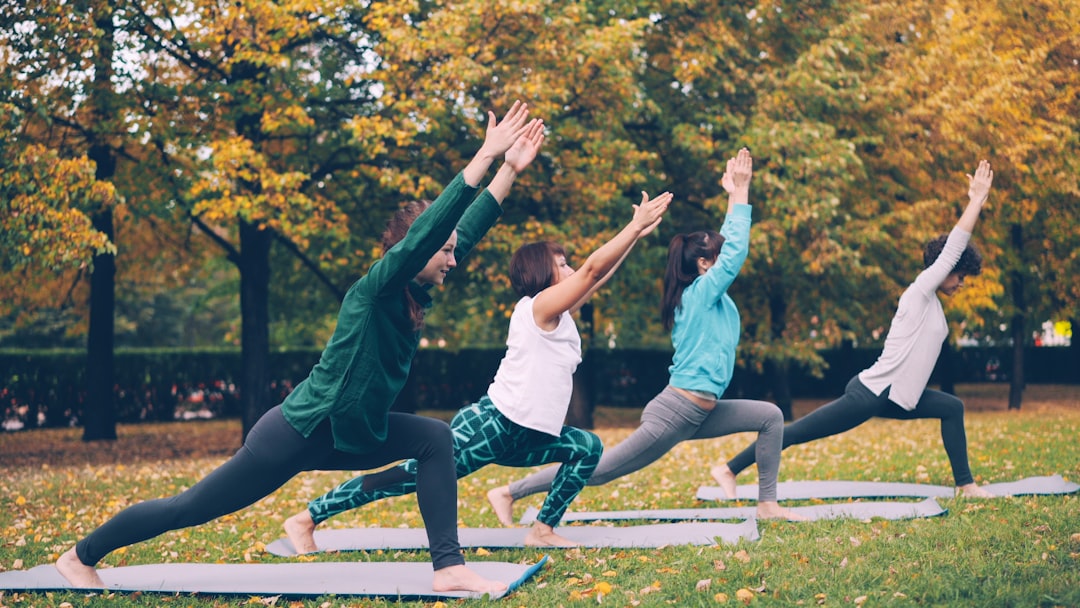
Getting fit at home as a woman in the UK involves understanding how female bodies respond uniquely to exercise and nutrition. This guide breaks down science-backed strategies focusing on hormonal cycles, appropriate workout types, and realistic goals that align with UK health standards. It highlights common training errors and how to spot progress effectively, empowering you with knowledge to create a sustainable fitness routine without leaving your home. For more on fitness guides, see our guide.
Why Your Body Responds to Exercise Differently as a Woman
Female physiology is defined by hormonal fluctuations that influence muscle recovery, energy use, and fat storage. Oestrogen and progesterone levels vary throughout the menstrual cycle, affecting strength and endurance. For example, strength and power tend to peak in the follicular phase when oestrogen is higher, while endurance may improve during the luteal phase. This cyclical variation means women’s bodies respond differently to training stimuli compared to men’s, requiring adjustments in workout intensity and timing. The NHS women’s health and fitness resource highlights that recognising these changes can improve exercise effectiveness and reduce injury risk. Additionally, women generally have a higher proportion of type I muscle fibres, which support endurance activities but may recover more slowly from high-intensity efforts.
The Hormonal Reality Behind Your Training Results
Hormones profoundly influence how exercise translates into fitness gains for women. The menstrual cycle's four phases—menstrual, follicular, ovulation, and luteal—each affect metabolism, strength, and fatigue differently. During the follicular phase, rising oestrogen supports muscle growth and recovery, making it ideal for strength training. In contrast, the luteal phase, dominated by progesterone, may increase perceived effort and reduce exercise capacity. Adapting workouts to these phases can enhance results; for instance, scheduling high-intensity sessions early in the cycle and prioritising lower-intensity or recovery workouts later. The British Heart Foundation notes that cardiovascular health benefits from consistent aerobic activity tailored to individual capability, with women needing to consider hormonal shifts to optimise heart health during training. Nutrition also plays a key role, with iron and calcium intake especially critical for women to support energy metabolism and bone strength.
If you'd rather not plan this manually, Milo generates your meals and workouts automatically.
What This Means for How You Should Be Training
The three mistakes that often undermine women’s fitness progress at home are ignoring hormonal cycles, overemphasising high-intensity training, and neglecting strength work. Ignoring hormonal cycles can cause burnout and inconsistent results because the body’s capacity for exertion fluctuates. Overemphasising high-intensity workouts without sufficient recovery risks injury and fatigue, particularly during the luteal phase. Neglecting strength training limits muscle maintenance and metabolic health, which are crucial for women over 30 to prevent bone density loss and maintain functional fitness. The NHS physical activity guidelines recommend at least 150 minutes of moderate aerobic activity weekly alongside muscle-strengthening exercises on two or more days. Balancing these elements with proper rest maximises fitness gains and supports long-term health.
The Signs Your Programme Is Actually Working
Contrary to common belief, visible weight loss is not the only indicator of fitness progress for women training at home. Improvements in strength, endurance, and mood are equally important and often precede changes in body composition. For example, increased ability to perform more repetitions or sustain longer cardio sessions signals adaptation. The NHS physical activity guidelines stress that fitness benefits include reduced risk of cardiovascular disease, improved mental health, and better sleep quality. Women should also monitor energy levels and menstrual cycle regularity as indirect signs of balanced training and recovery. According to the British Heart Foundation, consistent moderate exercise can lower heart disease risk by up to 35%, making cardiovascular improvements a critical success marker.
Milo helps you stay consistent — no spreadsheets, no guesswork.
Building a Training Approach That Works With Your Biology
Create a weekly plan that aligns with your menstrual cycle: schedule strength training during the follicular phase and lower-intensity workouts in the luteal phase. Include at least 150 minutes of moderate aerobic exercise weekly, combined with two sessions of muscle-strengthening activities. Track your progress by noting changes in endurance, strength, and wellbeing rather than focusing solely on weight. Allow rest days to avoid overtraining, especially when fatigue signals are strong. Prioritise nutrient-dense meals rich in iron, calcium, and protein to support muscle and bone health.
Frequently Asked Questions
How can I get fit as a woman at home in the UK without equipment?
You can get fit at home without equipment by focusing on bodyweight exercises such as squats, lunges, push-ups, and planks combined with aerobic activities like brisk walking or jogging in place. The NHS recommends at least 150 minutes of moderate aerobic activity weekly and muscle-strengthening exercises twice a week to improve fitness and health effectively.
What is the best time in my menstrual cycle to exercise for fitness gains?
The follicular phase, beginning after menstruation, is the optimal time for strength and high-intensity training due to higher oestrogen levels that support muscle growth and recovery. Adjusting workout intensity according to your cycle phases can enhance results and reduce fatigue, as advised by UK health resources on women's fitness.
How often should women exercise at home to see fitness improvements?
Women should aim for at least 150 minutes of moderate aerobic exercise per week combined with muscle-strengthening activities on two or more days, following NHS physical activity guidelines. Consistency with this schedule supports cardiovascular health, musculoskeletal strength, and overall wellbeing.
What common mistakes hinder women’s fitness progress at home?
Three common mistakes include ignoring hormonal cycle effects on energy and recovery, overdoing high-intensity workouts without adequate rest, and skipping strength training. These errors can lead to burnout, injury, and limited progress, according to UK health guidelines and fitness experts.
Can fitness at home improve heart health for women in the UK?
Yes, regular moderate aerobic exercise at home can reduce heart disease risk by up to 35% for women, according to the British Heart Foundation. Activities like brisk walking, cycling, or at-home cardio workouts support cardiovascular fitness and overall heart health.
Get started with Milo. Start your 7-day free trial — from £7.99/month.
Disclaimer: This article is for informational purposes only and does not constitute medical, nutritional, or professional fitness advice. Always consult a qualified healthcare professional before making changes to your diet or exercise routine.
Leave a Reply