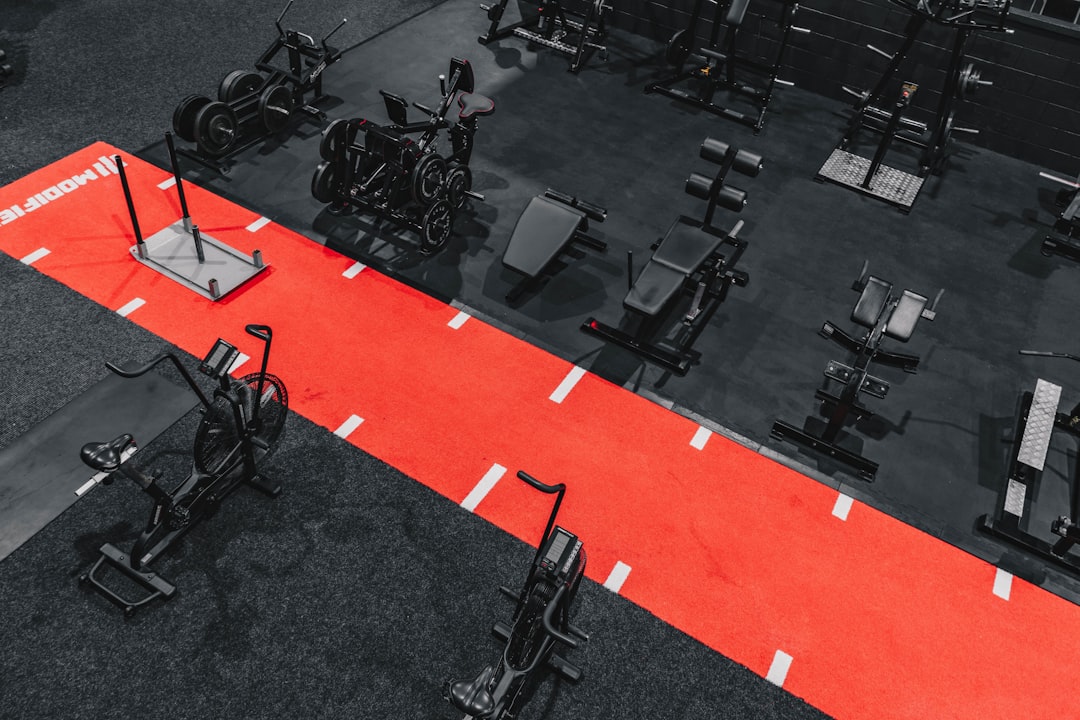
Starting the gym with no experience can feel daunting for many women in the UK. Concerns about proper nutrition, hormonal cycles, and workout routines often create uncertainty. Understanding how your body’s nutritional needs change through the menstrual cycle can help you feel more confident. This guide explains practical food choices and an adaptable approach to exercise, designed to support your hormones and energy levels while building gym confidence. For more on fitness guides, see our guide.
Why Standard Diet Plans Don't Account for Your Hormones
Hormonal health is the state of balance between fluctuating hormones that regulate mood, energy, and metabolism. Standard diet plans often ignore these fluctuations, leading to diets that feel restrictive or ineffective for women. For example, the NHS women's health and nutrition guidelines highlight that hormonal shifts during the menstrual cycle influence appetite and nutrient needs. Ignoring these can cause women to feel fatigued or frustrated with their progress. Tailoring nutrition and exercise to hormonal phases supports better energy management and overall wellbeing.
How Your Nutritional Needs Change Through Your Cycle
Your nutritional needs fluctuate across the menstrual cycle's four phases: menstrual, follicular, ovulatory, and luteal. Each phase demands specific macronutrient and micronutrient adjustments. The British Nutrition Foundation explains that during the follicular phase, women benefit from increased protein and iron to support energy and recovery. Near ovulation, carbohydrates can be increased to match rising energy expenditure. In the luteal phase, focusing on healthy fats and fibre helps mood and digestion. UK supermarkets like Tesco and Sainsbury's offer affordable options that align with these needs, such as leafy greens and oily fish.
If you'd rather not plan this manually, Milo generates your meals and workouts automatically.
The Foods That Support Hormonal Balance and Energy
The three biggest mistakes that disrupt hormonal balance are: skipping meals, low iron intake, and inadequate healthy fats. Skipping meals can cause blood sugar dips, leading to irritability and poor workout performance. Low iron, common in UK women, reduces oxygen transport and energy, as noted by NHS iron deficiency guidance. Lastly, insufficient omega-3 fatty acids impair hormone production and brain function. Including foods like oily fish, nuts, leafy vegetables, and whole grains supports hormone synthesis and sustained energy.
What to Eat Around Your Period, Ovulation and Luteal Phase
Contrary to popular belief, rigid dieting around menstrual phases can worsen symptoms like fatigue and mood swings. Evidence from the NHS Eatwell Guide shows that flexible eating with nutrient-dense foods during the period phase aids recovery and reduces inflammation. Around ovulation, increased protein and antioxidant-rich foods support tissue repair. During the luteal phase, higher magnesium and vitamin B6 intake can ease PMS symptoms. Balancing these nutrients helps maintain energy and emotional wellbeing throughout the cycle.
Milo helps you stay consistent — no spreadsheets, no guesswork.
Building a Flexible Eating Approach That Works With Your Hormones
Create a simple plan focused on whole foods and regular meals timed with your cycle. Start by tracking your cycle for one month and noting energy and hunger patterns. Plan meals rich in protein, iron, and healthy fats, adjusting portions according to cycle phases. Keep easy snacks like nuts and fruit handy for energy dips. Prioritise hydration and quality sleep to complement nutrition and exercise.
Frequently Asked Questions
How can a woman with no gym experience start working out safely in the UK?
A woman with no gym experience in the UK should begin with low-impact exercises such as walking, bodyweight movements, or beginner classes. Starting slowly and focusing on proper form reduces injury risk. The NHS recommends gradually increasing intensity over several weeks to build strength and confidence.
What type of nutrition supports women new to gym workouts in the UK?
Nutrition supporting women new to gym workouts includes balanced meals with protein, iron, healthy fats, and complex carbohydrates. The British Nutrition Foundation advises adjusting intake across the menstrual cycle to support energy and recovery.
Does hormonal cycle affect gym performance for women in the UK?
Yes, the hormonal cycle affects gym performance by influencing energy levels, strength, and appetite. The NHS women's health guidance explains that nutritional needs and exercise tolerance vary during menstrual phases, so adapting routines can improve outcomes.
What are common mistakes women make when starting at the gym with no experience?
Common mistakes include skipping warm-ups, neglecting nutrition, and overtraining early on. The NHS advises starting with manageable workouts and supporting them with balanced meals to avoid fatigue and injury.
How long does it take to build gym confidence as a woman with no experience in the UK?
Building gym confidence typically takes 4 to 6 weeks of consistent attendance and gradual progression. Confidence grows as women notice improvements in strength and energy, supported by suitable nutrition and workout plans.
Get started with Milo. Start your 7-day free trial — from £7.99/month.
Disclaimer: This article is for informational purposes only and does not constitute medical, nutritional, or professional fitness advice. Always consult a qualified healthcare professional before making changes to your diet or exercise routine.
Leave a Reply