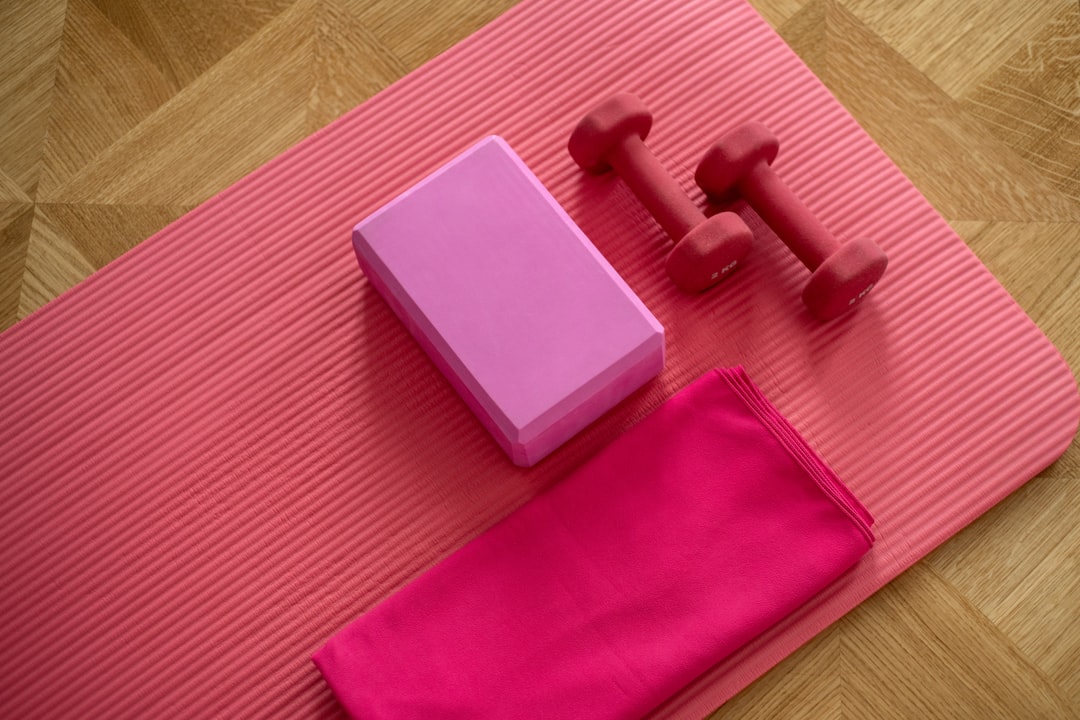
Building a consistent gym habit as a woman in the UK requires understanding how your body and hormones interact with nutrition and exercise. Many find generic advice frustrating because it overlooks unique biological needs which can affect energy and motivation. This guide explains how hormonal cycles influence fitness and eating habits, with clear, practical tips on nutrition and workout routines that accommodate these changes for sustainable progress.
Why Standard Diet Plans Don't Account for Your Hormones
Hormonal cycles are natural fluctuations in female sex hormones such as oestrogen and progesterone that occur roughly every 28 days. These cycles influence metabolism, appetite, and energy levels significantly. Standard diet plans often ignore these changes, leading to frustration and failure to sustain healthy habits. For example, during the luteal phase, which lasts about 14 days after ovulation, women may experience increased appetite and cravings due to hormonal shifts. According to NHS women's health and nutrition, recognising these phases and their effects can help in planning meals and workouts that suit your body's needs.
Ignoring hormonal effects can cause women to feel like they are 'failing' diets or gym routines when in fact their biology is working differently day to day. A habit built on rigid diet rules without this insight is unlikely to last. For more on fitness guides, see our guide.
How Your Nutritional Needs Change Through Your Cycle
Your nutritional requirements vary markedly throughout your menstrual cycle. The follicular phase (day 1 to ovulation) is characterised by rising oestrogen, boosting energy and metabolic rate. During this phase, protein intake supports muscle repair and growth, while complex carbohydrates help sustain energy for workouts. The luteal phase, spanning post-ovulation to menstruation, sees increased progesterone, which can raise basal metabolic rate by up to 10%. This means your body burns more calories and requires additional nutrients, particularly iron and magnesium, to support energy and mood.
The British Nutrition Foundation nutrition across the lifecycle highlights that iron needs increase during menstruation due to blood loss, making iron-rich foods essential around this time. Supermarkets like Tesco and Sainsbury’s offer a good range of iron-rich options such as spinach, red meat, and fortified cereals.
Planning meals and gym sessions around these phases helps maintain energy and motivation. For instance, scheduling higher intensity workouts during the follicular phase when energy peaks and lighter recovery sessions during the luteal phase aligns with your body's natural rhythms.
If you'd rather not plan this manually, Milo generates your meals and workouts automatically.
The Foods That Support Hormonal Balance and Energy
Three common nutrition mistakes undermine hormonal balance and energy levels in women building a gym habit: neglecting micronutrient intake, inconsistent meal timing, and over-restrictive dieting. Neglecting key vitamins and minerals like vitamin D, calcium, and omega-3 fatty acids can impair bone health, mood, and inflammation control. The NHS Eatwell Guide emphasises a balanced plate including fruit, vegetables, whole grains, and healthy fats to support these needs.
Inconsistent meal timing disrupts blood sugar stability, causing energy dips that reduce workout motivation. Over-restrictive diets can trigger hormonal imbalances and fatigue, leading to muscle loss and reduced immunity.
Eating a variety of whole foods, timed consistently, supports both gym performance and hormonal health. Incorporating sources of healthy fats like nuts and oily fish also aids hormone production and brain function.
What to Eat Around Your Period, Ovulation and Luteal Phase
Contrary to popular belief, eating more during certain cycle phases supports rather than hinders fitness goals. Around menstruation, when iron levels dip, incorporating iron-rich foods like lean red meat, lentils, and fortified cereals helps replenish stores. The NHS iron deficiency and women explains that iron deficiency affects up to 20% of women and can cause tiredness and poor workout recovery.
During ovulation, high oestrogen supports higher energy, making it a good time for protein-rich meals to aid muscle building. The luteal phase increases appetite and basal metabolic rate, so including complex carbohydrates and magnesium-rich foods like bananas and spinach helps stabilise mood and energy. This phase typically lasts about 14 days, requiring a slight increase in calorie intake to support metabolic demands.
Planning meals to match these phases helps avoid frustration from perceived lack of progress and supports consistent gym attendance.
Milo helps you stay consistent — no spreadsheets, no guesswork.
Building a Flexible Eating Approach That Works With Your Hormones
Create an adaptable meal and exercise plan based on cycle phases. Start by tracking your cycle for at least one month to identify patterns in energy and appetite. Plan workouts with higher intensity during the follicular phase and lighter sessions in the luteal phase. Schedule meals with balanced macronutrients and adequate micronutrients daily, adjusting portion sizes slightly during the luteal phase for increased energy needs.
Set weekly goals focusing on consistency rather than perfection. Incorporate rest days and listen to your body’s cues for fatigue or hunger. The key to a sustainable gym habit is flexibility, not rigidity. Learn more about the Milo and how it can help you get started.
Frequently Asked Questions
How can I build a gym habit as a woman in the UK?
Building a gym habit as a woman in the UK involves aligning workouts with your hormonal cycle, setting achievable goals, and adjusting nutrition accordingly. Tracking your cycle helps schedule higher intensity training during the follicular phase and lighter sessions during the luteal phase. Consistent meal timing and balanced nutrients, as recommended by NHS guidelines, support sustained energy and motivation.
What are the best foods to eat to support a gym routine for women?
The best foods to support a gym routine for women include iron-rich options like spinach and red meat during menstruation, protein sources for muscle repair, and complex carbohydrates for sustained energy. According to the NHS Eatwell Guide, a balanced diet with fruits, vegetables, whole grains, and healthy fats aids hormonal balance and workout performance.
How do hormonal cycles affect exercise motivation for women?
Hormonal cycles influence energy, mood, and appetite, affecting exercise motivation. For example, during the luteal phase, increased progesterone can cause fatigue and cravings, while the follicular phase typically boosts energy. Recognising these patterns helps women tailor workouts and nutrition to maintain motivation and consistency.
Why do women need more iron around their period when exercising?
Women need more iron around their period due to blood loss, which can cause iron deficiency and fatigue, reducing exercise performance. The NHS notes that up to 20% of women experience iron deficiency anaemia, making iron-rich foods essential during menstruation to support energy and recovery.
What is the recommended frequency of gym sessions for women starting out in the UK?
For women beginning a gym habit in the UK, 2 to 3 sessions per week is recommended to build consistency without risking burnout. Sessions should vary in intensity according to the menstrual cycle, with lighter activity during lower energy phases and more intense workouts when energy peaks.
Get started with Milo. Start your 7-day free trial — from £7.99/month.
Disclaimer: This article is for informational purposes only and does not constitute medical, nutritional, or professional fitness advice. Always consult a qualified healthcare professional before making changes to your diet or exercise routine.