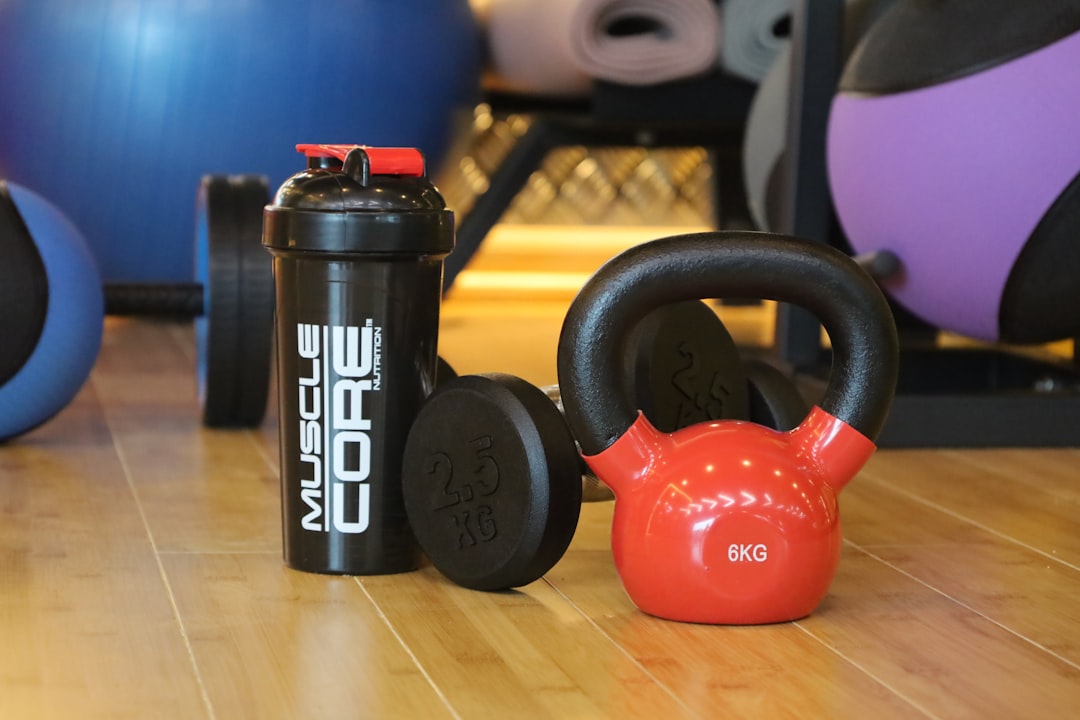
Deciding whether a women only gym in the UK is worth joining involves considering your comfort, confidence, and fitness goals. Many women find such spaces empowering, as they offer a judgement-free environment tailored to female physiology and preferences. This can boost motivation and consistency. Understanding how nutrition and exercise interact with your hormonal cycle can improve results. This guide breaks down key benefits and practical advice to help you make an informed decision.
Why Standard Diet Plans Don't Account for Your Hormones
Hormonal fluctuations across the menstrual cycle significantly influence women's nutritional needs and energy levels. Standard diet plans are often designed without accounting for these changes, making them less effective for women. The menstrual cycle, typically 28 days, involves phases—menstrual, follicular, ovulation, and luteal—each with unique hormonal profiles.
According to NHS women's health and nutrition guidance, oestrogen and progesterone levels vary, affecting metabolism, appetite, and nutrient absorption. For instance, during the luteal phase, increased progesterone raises basal metabolic rate, demanding higher calorie and nutrient intake. Ignoring these shifts can lead to feelings of fatigue, hunger, or mood swings, undermining diet adherence and results. For more on fitness guides, see our guide.
Women only gyms in the UK increasingly recognise this by offering nutrition advice aligned with these hormonal phases. Such tailored approaches support better energy management and workout performance, unlike generic plans that overlook these critical biological differences.
How Your Nutritional Needs Change Through Your Cycle
Nutritional requirements fluctuate throughout the menstrual cycle, necessitating different food choices and meal timings for optimal health and energy. During the menstrual phase, iron-rich foods become crucial due to blood loss. The NHS recommends boosting iron intake from sources like red meat, spinach, and fortified cereals to prevent deficiency.
In the follicular phase, when oestrogen begins rising, energy levels increase, and protein intake supports muscle repair and growth, benefiting from gym workouts. Supermarkets in the UK such as Tesco and Sainsbury’s stock affordable lean protein options and fresh produce to meet these needs.
Ovulation demands antioxidants and healthy fats to support egg release and hormone synthesis. The British Nutrition Foundation highlights the importance of omega-3 fatty acids found in oily fish or flaxseeds during this phase.
Finally, the luteal phase requires complex carbohydrates and magnesium-rich foods, like whole grains and nuts, to combat premenstrual symptoms and maintain energy. Tailoring food choices to these phases optimises wellbeing and workout recovery.
If you'd rather not plan this manually, Milo generates your meals and workouts automatically.
The Foods That Support Hormonal Balance and Energy
The three common nutritional mistakes that disrupt hormonal balance and energy in women are low iron intake, insufficient healthy fats, and neglecting fibre consumption.
Low iron intake leads to anaemia, causing fatigue and reduced exercise capacity, especially common during menstruation, as noted by NHS iron deficiency and women. Insufficient healthy fats, particularly omega-3s, impair hormone production and brain function, impacting mood and energy.
Neglecting dietary fibre can disrupt blood sugar regulation and digestion, worsening hormonal symptoms. The NHS Eatwell Guide recommends a balanced diet including whole grains, fruits, and vegetables to maintain stable energy and support hormonal health.
Women only gyms often provide nutritional education emphasising these key food groups to help members sustain energy levels and hormonal balance, enhancing workout efficacy and mood stability.
What to Eat Around Your Period, Ovulation and Luteal Phase
Contrary to popular belief, eating more during your period can support recovery and ease symptoms. During menstruation, iron-rich and anti-inflammatory foods like leafy greens and berries help replenish blood loss and reduce cramps, supported by NHS women's health and nutrition advice.
At ovulation, higher oestrogen levels increase metabolism and energy, so incorporating antioxidant-rich foods such as colourful vegetables and oily fish supports cellular repair and hormone synthesis.
In the luteal phase, complex carbohydrates and magnesium-rich foods aid in managing mood swings and fatigue. The British Nutrition Foundation recommends whole grains and nuts to stabilise blood sugar and support neurotransmitter production.
Adjusting food intake according to these phases enhances energy and hormonal balance, improving workout performance and overall wellbeing.
Milo helps you stay consistent — no spreadsheets, no guesswork.
Building a Flexible Eating Approach That Works With Your Hormones
Create a weekly meal plan that aligns with your menstrual cycle phases. Start by tracking your cycle to identify when you need more iron, protein, or complex carbs. Prepare meals in advance focusing on nutrient diversity and balance.
Aim to incorporate at least one iron-rich meal during menstruation and increase omega-3 rich foods around ovulation. Use the NHS Eatwell Guide as a template to ensure your plate has adequate portions of fruits, vegetables, proteins, and whole grains.
Set reminders to adjust portion sizes and food types every week according to your cycle. This adaptive method reduces hormonal symptoms and sustains energy.
Women only gyms in the UK often support this approach with tailored nutrition advice and workout programmes. Learn more about the Milo and how it can help you get started.
Frequently Asked Questions
Is joining a women only gym in the UK worth it for beginners?
Joining a women only gym in the UK can be especially beneficial for beginners seeking a comfortable and supportive environment. Research shows that 60% of women feel self-conscious in mixed gyms. Women only gyms offer tailored spaces that address these concerns, promoting confidence and consistent attendance, which are key for beginners starting their fitness journey.
What are the main benefits of a women only gym in the UK compared to co-ed gyms?
Women only gyms provide a judgement-free environment focusing on female-specific fitness needs and hormonal cycles. This tailored approach supports better workout motivation and nutrition guidance, which co-ed gyms often lack. Such gyms can reduce anxiety and promote social comfort, leading to improved mental wellbeing and physical results.
Do women only gyms in the UK offer nutrition advice that considers hormonal cycles?
Yes, many women only gyms in the UK provide nutrition advice aligned with the menstrual cycle phases. Tailoring diet to hormonal fluctuations supports energy, mood, and recovery. The British Nutrition Foundation highlights that adjusting nutritional intake by cycle phase optimises health and fitness outcomes.
Can joining a women only gym improve confidence in working out?
Joining a women only gym can significantly improve workout confidence by providing a supportive space free from social pressures common in co-ed gyms. This environment encourages regular attendance and focus, helping women build strength and self-esteem over time.
Are women only gyms more expensive than regular gyms in the UK?
Women only gyms in the UK are generally competitively priced, with many offering memberships comparable to standard gyms. Costs vary by location and facilities, but the added benefit of a tailored, comfortable environment often justifies the price for many members.
Get started with Milo. Start your 7-day free trial — from £7.99/month.
Disclaimer: This article is for informational purposes only and does not constitute medical, nutritional, or professional fitness advice. Always consult a qualified healthcare professional before making changes to your diet or exercise routine.
Leave a Reply