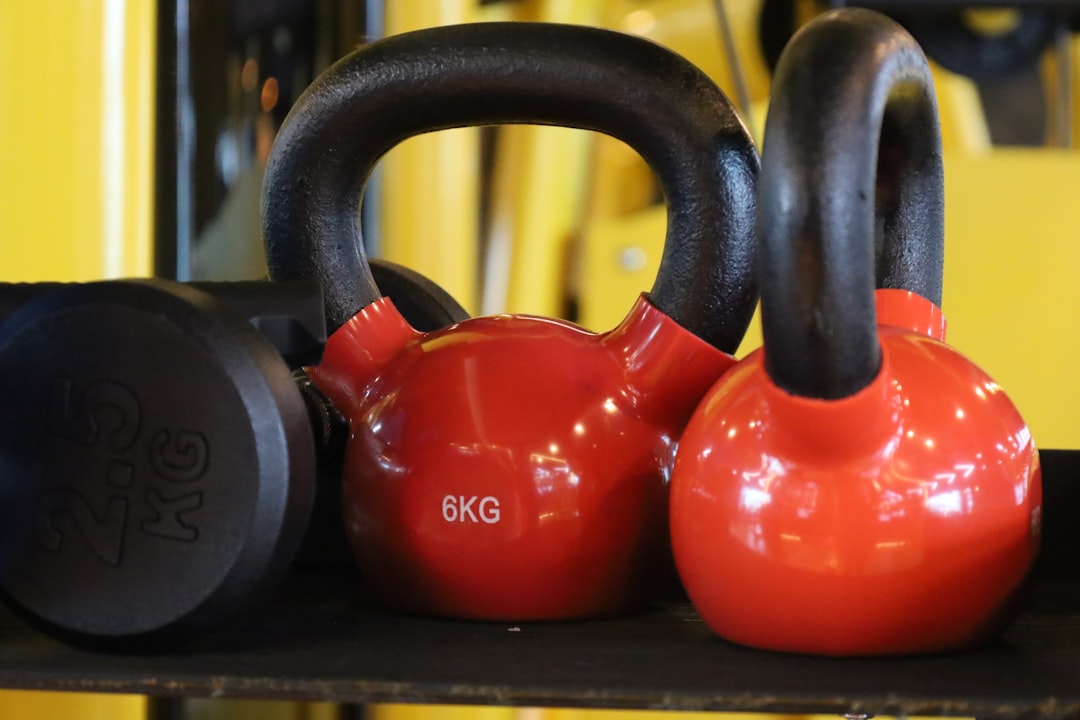
Strength training at home offers women in the UK a practical way to build muscle and improve bone health without a gym membership. Many hesitate due to fear of becoming bulky, but this is a myth rooted in misunderstanding female physiology. Effective strength workouts can be done with minimal equipment and tailored to individual goals. This guide outlines clear, evidence-based steps to start a home strength training plan that boosts fitness, supports healthy weight, and improves overall wellbeing.
The "Getting Bulky" Fear That's Keeping Women Away From the Weights Room
The fear that strength training will make women bulky is a persistent myth that delays fitness progress for many. Bulking is defined as a significant increase in muscle mass typically requiring a calorie surplus and high testosterone levels. Women naturally produce about ten times less testosterone than men, making it physiologically very difficult to gain large muscle mass unintentionally. Research confirms that strength training primarily improves muscle tone, strength, and endurance rather than extreme size gains. Many women avoid lifting weights due to this unfounded worry, missing out on benefits like increased metabolism and bone density. The NHS strength training guidelines clearly state that muscle-strengthening activities help maintain a healthy weight and reduce risk of chronic diseases, without promoting excessive bulk. Understanding this can empower women to include strength training confidently in their routines without fear of unwanted muscle size. For more on fitness guides, see our guide.
What Strength Training Actually Does to a Woman's Body
Strength training improves muscle strength by causing microscopic muscle fibre damage, which repairs and grows stronger during recovery. This process increases muscle tone and metabolic rate, helping with weight management. It also enhances bone density by placing controlled stress on bones, which stimulates bone-forming cells. The NHS bone health and strength training page emphasises that regular strength exercises reduce the risk of osteoporosis and fractures. Strength training also improves joint stability and reduces injury risk by strengthening surrounding muscles and connective tissues. For women, these benefits are critical throughout life stages, including menopause when muscle loss accelerates. Incorporating strength training with aerobic exercise aligns with NHS physical activity for women guidelines, recommending at least 150 minutes of moderate aerobic activity weekly alongside muscle-strengthening exercises on two or more days. This combination supports cardiovascular health, mental wellbeing, and physical function.
If you'd rather not plan this manually, Milo generates your meals and workouts automatically.
Why Women Who Lift Achieve Better Results Faster
The three main mistakes that slow down progress for women starting strength training are: 1) Avoiding weights due to fear of bulking, which leads to reliance on less effective cardio-only routines. 2) Inconsistent training frequency that prevents sufficient muscle adaptation and strength gains. 3) Neglecting progressive overload, meaning workouts remain too easy and fail to challenge muscles. These errors result in slower fat loss, weaker muscles, and poorer bone health. Women who commit to regular, progressively challenging strength training reap faster improvements in body composition, metabolic health, and confidence. The NHS strength training guidelines recommend working all major muscle groups twice weekly with increasing resistance to maximise benefits. Avoiding these mistakes accelerates results and long-term adherence.
How to Start Strength Training With Confidence
Starting strength training at home without gym equipment is straightforward and effective when approached correctly. Begin with bodyweight exercises such as squats, lunges, push-ups, and planks, focusing on technique. The NHS physical activity for women states that muscle-strengthening activities should be performed on two or more days per week. Incorporate resistance bands or household items like water bottles as you progress. Perform 2–3 sets of 8–12 repetitions per exercise, resting 30–60 seconds between sets. Gradually increase resistance or repetitions over weeks. Tracking progress helps maintain motivation. Prioritise recovery and avoid overtraining. Evidence shows that even modest strength training frequency improves muscle strength and bone health significantly. Confidence grows as strength increases, dispelling myths about bulking and encouraging sustainable fitness habits.
Milo helps you stay consistent — no spreadsheets, no guesswork.
Your First Four Weeks in the Weights Room
Commit to strength training at home twice weekly for your first four weeks. Focus on full-body workouts each session with 5–6 exercises covering legs, back, chest, arms, and core. Start with 2 sets of 10 repetitions per exercise, increasing to 3 sets by week 3. Use bodyweight or resistance bands, adding weight only as form improves. Rest at least 48 hours between sessions to allow muscle recovery. Track your sessions in a simple log to monitor progress and adjust workload. Incorporate a warm-up and cool-down routine. By the end of four weeks, strength and confidence should noticeably improve. Learn more about the Milo and how it can help you get started.
Frequently Asked Questions
What is the best home strength training plan for women in the UK with no gym access?
The best home strength training plan for women in the UK with no gym access includes bodyweight exercises and resistance bands, performed at least twice weekly targeting all major muscle groups, following NHS strength training guidelines. This approach improves muscle strength, bone density, and overall health effectively without equipment.
How often should women in the UK do strength training at home to see results?
Women in the UK should do strength training exercises at least two days per week as recommended by the NHS. Each session should include exercises for all major muscle groups with progressive overload to see measurable strength and health improvements.
Can women build muscle at home without bulking by strength training?
Yes, women can build muscle tone and strength at home without bulking because women produce far less testosterone than men, making significant muscle mass gain difficult. Strength training improves muscle firmness and health, not excessive bulk.
What equipment is needed for a home strength training plan for women in the UK?
Minimal equipment is needed, such as resistance bands, a yoga mat, and household items like water bottles. Bodyweight exercises alone can be effective for strength training as per NHS guidelines for adults aged 19 to 64.
How does strength training improve bone health for women at home?
Strength training applies controlled stress to bones, stimulating bone-forming cells which increases bone density and reduces osteoporosis risk. The NHS highlights that muscle-strengthening exercises are vital for maintaining healthy bones, especially for women.
Get started with Milo. Start your 7-day free trial — from £7.99/month.
Disclaimer: This article is for informational purposes only and does not constitute medical, nutritional, or professional fitness advice. Always consult a qualified healthcare professional before making changes to your diet or exercise routine.
Leave a Reply