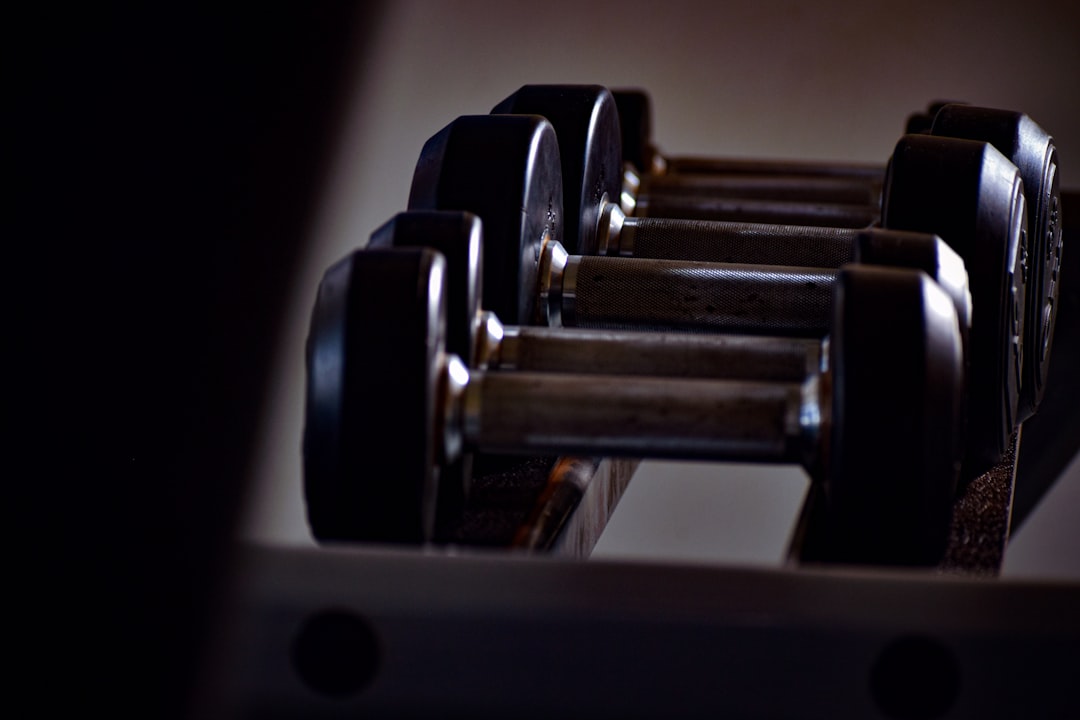
Barbell training offers a powerful way for women in the UK to build strength and improve fitness, but beginners need guidance tailored to female physiology. Understanding how women's bodies respond differently to resistance training is crucial for safe progress. This guide explains the hormonal factors affecting training, common mistakes that hinder results, and clear signs that your programme is effective. With evidence-based advice, women new to barbell training can develop a plan that respects their biology and supports sustainable progress.
Why Your Body Responds to Exercise Differently as a Woman
Female physiology is characterised by distinct hormonal profiles and musculoskeletal differences that influence how exercise impacts the body. Women generally have 30–40% less muscle mass in the upper body compared to men, yet they possess greater fatigue resistance due to a higher proportion of type I (slow-twitch) muscle fibres. The menstrual cycle causes fluctuating oestrogen and progesterone levels, which affect muscle function, energy metabolism, and recovery rates. Oestrogen has a protective effect on muscle and connective tissues, influencing injury risk and strength gains. According to NHS women's health and fitness, recognising these factors helps tailor training programmes that align with the body's natural rhythms and optimise performance. For more on fitness guides, see our guide.
The Hormonal Reality Behind Your Training Results
Hormonal fluctuations are a key factor in how women respond to barbell training. The menstrual cycle divides into phases—follicular, ovulatory, luteal—each impacting exercise tolerance and adaptation differently. During the follicular phase (days 1–14), rising oestrogen promotes muscle repair and growth, making this an ideal time for heavier lifting and volume. The luteal phase (days 15–28) features higher progesterone, which can reduce endurance and increase perceived effort. Training intensity might need modulating accordingly to prevent burnout.
Understanding this cycle allows for periodised training strategies that maximise gains while respecting recovery needs. UK gyms like PureGym and The Gym Group often recommend adjusting workouts to these phases for sustainable progress.
Nutrition also plays a role; supermarkets such as Tesco and Sainsbury’s offer iron-rich foods important for menstruating women to prevent fatigue during training. Hormonal awareness combined with targeted nutrition supports consistent strength improvements.
If you'd rather not plan this manually, Milo generates your meals and workouts automatically.
What This Means for How You Should Be Training
The three biggest mistakes that limit progress in barbell training for women beginners UK are neglecting recovery, ignoring technique, and following generic programmes. First, insufficient rest can lead to overuse injuries since women’s connective tissues respond differently to strain. Second, poor form increases risks of joint pain, especially in the knees and shoulders, areas sensitive to hormonal changes. Third, using one-size-fits-all plans overlooks the menstrual cycle’s impact on performance and recovery.
Avoiding these mistakes means incorporating active recovery days, focusing on mastering lifts with a coach or video feedback, and using cycle-aware programming. Evidence from NHS strength training emphasises that strength gains require consistent, safe progression tailored to individual needs.
The Signs Your Programme Is Actually Working
Progress in barbell training for women beginners UK may not always be reflected by rapid muscle size increases but by improved strength, energy, and wellbeing. One less obvious sign of effective training is enhanced bone density, a crucial factor for women as they are at greater risk of osteoporosis with age. Weight-bearing exercises like barbell squats and deadlifts stimulate bone formation, reducing fracture risk.
Improvements in daily activities, such as easier stair climbing or carrying children, also indicate functional strength gains. According to the British Heart Foundation women and heart health, regular strength training supports cardiovascular health by improving blood pressure and reducing heart disease risk.
Tracking progressive overload—gradually increasing weights or reps—is another measurable indicator your programme is effective.
Milo helps you stay consistent — no spreadsheets, no guesswork.
Building a Training Approach That Works With Your Biology
Start by assessing your current fitness level and identifying realistic goals. Structure your barbell sessions with a focus on compound movements performed 2–3 times per week, allowing at least 48 hours for recovery. Align training intensity with your menstrual cycle phases, increasing load during the follicular phase and incorporating lighter sessions during the luteal phase.
Prioritise technique over heavy weights initially, and incorporate mobility work to support joint health. Monitor progress through strength markers and how you feel physically and mentally. Adjust nutrition to support energy needs, emphasising protein, iron, and calcium. Learn more about the Milo and how it can help you get started.
Frequently Asked Questions
Is barbell training safe for women beginners in the UK?
Barbell training is safe for women beginners in the UK when proper technique and gradual progression are followed. Research indicates women respond well to strength training with reduced injury risk if programmes consider recovery and hormonal cycles. Using professional guidance and focusing on form minimizes joint stress and improves outcomes.
How often should women beginners in the UK do barbell training?
Women beginners in the UK should perform barbell training 2–3 times per week with at least 48 hours of rest between sessions. This frequency aligns with NHS physical activity guidelines and allows muscles and connective tissues to recover, optimising strength gains and preventing overtraining.
What are the benefits of barbell training for women beginners in the UK?
Barbell training for women beginners in the UK improves muscle strength, bone density, metabolic health, and cardiovascular fitness. It helps reduce risks of osteoporosis and heart disease, supports weight management, and enhances daily functional abilities, contributing to long-term wellbeing.
Should women beginners in the UK adjust barbell training with their menstrual cycle?
Yes, women beginners in the UK benefit from adjusting barbell training according to their menstrual cycle. Higher oestrogen levels in the follicular phase support heavier training loads, while the luteal phase may require reduced intensity to accommodate increased fatigue and recovery needs.
What common mistakes should women beginners avoid in barbell training in the UK?
Women beginners in the UK should avoid neglecting recovery, poor lifting technique, and following generic training plans. These mistakes can lead to injury, slower progress, and frustration. Tailoring workouts to individual physiology and cycle phases improves safety and effectiveness.
Get started with Milo. Start your 7-day free trial — from £7.99/month.
Disclaimer: This article is for informational purposes only and does not constitute medical, nutritional, or professional fitness advice. Always consult a qualified healthcare professional before making changes to your diet or exercise routine.
Leave a Reply