
Author: WomensFitness

  • NHS Exercise Recommendations for Women UK: Science-Based Fitness Guide

    NHS Exercise Recommendations for Women UK: Science-Based Fitness Guide

    NHS exercise guidelines for women in the UK highlight the importance of a balanced approach combining aerobic, strength, and flexibility training. Women’s bodies respond differently to exercise due to hormonal cycles, bone density variations, and heart health factors. Understanding these physiological differences helps women optimise their workout routines safely, improving overall fitness and reducing disease risk. This guide explains the core NHS recommendations, including weekly activity targets and how to align exercise with female biology for sustainable health benefits. For more on fitness guides, see our guide.

    Why Your Body Responds to Exercise Differently as a Woman

    Women’s bodies respond differently to exercise due to differences in muscle mass, hormonal fluctuations, and cardiovascular function. The term "sexual dimorphism" describes these biological variations affecting physical performance and adaptation. For example, women typically have 30-40% less muscle mass than men, influencing strength and endurance capacity. Oestrogen plays a key role in muscle repair and recovery, fluctuating throughout the menstrual cycle, which can affect energy levels and injury risk. Bone density is generally lower in women, increasing the importance of weight-bearing exercise to prevent osteoporosis, a condition affecting 1 in 3 women over 50 in the UK. (source) Understanding these factors helps explain why generic fitness advice often fails women. The NHS emphasises exercise plans that consider these differences, promoting safe progression and balanced activity for sustainable fitness adaptations. These physiological insights are foundational to NHS women's health and fitness.

    The Hormonal Reality Behind Your Training Results

    Hormones significantly influence how women respond to exercise and recover afterward. The menstrual cycle consists of the follicular phase, ovulation, and luteal phase, each impacting energy, strength, and endurance differently. For instance, during the follicular phase, oestrogen levels rise, enhancing muscle recovery and aerobic capacity. Conversely, the luteal phase involves higher progesterone, which can increase perceived exertion and fatigue. This cyclical hormonal variation explains fluctuating exercise performance and motivation. Women approaching menopause experience declining oestrogen, increasing risks of cardiovascular disease and bone loss. The British Heart Foundation reports heart disease as the leading cause of death among UK women, highlighting the need for targeted cardiovascular training. Strength training is particularly beneficial during and after menopause to maintain muscle mass and bone density. Incorporating this hormonal understanding into workout programming ensures exercise aligns with physiological states, optimising results. These hormonal effects are reflected in British Heart Foundation women and heart health guidance.

    Stop paying someone to tell you what to do. The Kira Mei Women’s Blueprint teaches you how to build your own tailored training programme that respects your biology and hormonal cycles — all for a one-off £49.99 or £79.99 for the full package. Take control and realise your potential without relying on personal trainers or automated apps.

    What This Means for How You Should Be Training

    The three most common mistakes that reduce training effectiveness for women are ignoring hormonal cycles, neglecting strength training, and inconsistent activity levels. First, disregarding hormonal fluctuations can lead to burnout or injury due to misaligned workout intensity and recovery needs. Second, skipping strength training misses critical benefits for bone health and metabolic rate; NHS guidelines emphasise muscle-strengthening exercises twice weekly to combat osteoporosis and maintain function. Third, inconsistent exercise undermines cardiovascular and mental health improvements; the NHS recommends at least 150 minutes of moderate aerobic activity weekly, spread over several days. These errors often result in stalled progress or increased injury risk. Tailoring training to cycle phases, prioritising strength work, and maintaining regularity enhances outcomes. Following NHS physical activity guidelines ensures women meet these standards for overall health.

    The Signs Your Programme Is Actually Working

    A less obvious but reliable sign your exercise programme is effective is consistent improvement in energy levels and mood alongside physical gains. Exercise stimulates endorphin and serotonin release, improving mental health; research indicates regular physical activity reduces depression risk by up to 30% in women. Physical markers include gradual increases in strength, endurance, and flexibility, often measurable within 4-6 weeks. Bone density improvements occur more slowly but are supported by weight-bearing and resistance exercises, reducing fracture risk. The NHS notes that sustained adherence to recommended activity levels correlates with a 35% reduction in cardiovascular events among women. Monitoring these health indicators rather than solely focusing on weight or appearance provides a more comprehensive measure of success. These outcomes align with evidence cited by British Heart Foundation women and heart health.

    Stop paying someone to tell you this. The Kira Mei Women’s Blueprint is your guide to creating personalised, effective training programmes that work with your unique biology — all for just £49.99 or £79.99 for the complete educational package.

    Building a Training Approach That Works With Your Biology

    Create a training schedule that respects your hormonal cycle by planning higher-intensity workouts during the follicular phase and lighter activity in the luteal phase. Include at least two weekly sessions of muscle-strengthening exercises targeting major muscle groups to support bone health. Spread aerobic activity evenly across the week to meet or exceed 150 minutes of moderate exercise. Track progress through energy, mood, and physical capacity rather than weight alone. Adjust intensity and rest days based on your body's feedback to prevent overtraining. Regularly review your approach every 6-8 weeks to accommodate changes such as menopause or lifestyle shifts.

    Frequently Asked Questions

    What are the NHS exercise recommendations for women in the UK?

    The NHS recommends women aged 19 to 64 engage in at least 150 minutes of moderate-intensity aerobic activity weekly, plus strength training exercises on two or more days a week. This approach supports cardiovascular, bone, and mental health and is tailored to accommodate female physiological needs.

    How does the menstrual cycle affect exercise for women according to NHS guidance?

    NHS guidance indicates that hormonal fluctuations during the menstrual cycle influence energy, recovery, and performance. Women may experience greater strength and endurance during the follicular phase when oestrogen is higher, and increased fatigue during the luteal phase due to progesterone, requiring adjusted workout intensity.

    Why is strength training important for women as per NHS advice?

    Strength training is crucial for women to maintain muscle mass and bone density, reducing osteoporosis risk, especially after age 50. The NHS advises muscle-strengthening activities at least twice weekly to protect against fractures and support metabolic health.

    How does regular exercise impact heart health in UK women?

    Regular exercise reduces the risk of cardiovascular disease by up to 35% in women, according to the British Heart Foundation. The NHS encourages aerobic and strength activities to improve heart function and lower risk factors such as high blood pressure and cholesterol.

    Can NHS exercise guidelines help with menopause symptoms?

    Yes, NHS recommendations include aerobic and strength training exercises that help manage menopause symptoms like hot flushes, mood swings, and bone loss. Exercise supports hormonal balance and improves quality of life during this transition.

    Stop paying someone to tell you this. The Kira Mei Women’s Blueprint teaches you how to build your own tailored training programme that respects your biology and hormonal cycles — all for a one-off £49.99 or £79.99 for the full package. Take control and realise your potential without relying on personal trainers or automated apps.

    Disclaimer: This article is for informational purposes only and does not constitute medical, nutritional, or professional fitness advice. Always consult a qualified healthcare professional before making changes to your diet or exercise routine.


  • How to Stay Fit as a Woman with a Busy Job UK: A Beginner’s Guide

    How to Stay Fit as a Woman with a Busy Job UK: A Beginner’s Guide

    Balancing work and fitness is a challenge for many women in the UK, especially when juggling demanding jobs and personal commitments. Staying fit does not require hours at the gym; effective workouts and nutrition tailored to your schedule can make a difference. This guide breaks down the myth that women will bulk up easily with strength training and shows how to implement practical, time-efficient strategies to maintain health, strength, and energy despite a busy lifestyle. For more on fitness guides, see our guide.

    The "Getting Bulky" Fear That's Keeping Women Away From the Weights Room

    Getting bulky is the fear that strength training leads women to develop large, masculine muscles, a misconception that deters many from resistance workouts. Bulking is muscle hypertrophy involving significant calorie surplus and elevated testosterone, which women naturally have at much lower levels—about 10 to 20 times less than men. This means women’s bodies respond to strength training by toning and strengthening rather than bulking up. The NHS strength training guidelines encourage women to engage in resistance exercises twice weekly, which promotes lean muscle, metabolic health, and bone density without significant size increase. Avoiding weights out of unfounded fear sacrifices these benefits and slows progress towards fitness goals.

    What Strength Training Actually Does to a Woman's Body

    Strength training improves muscle strength, endurance, and metabolic rate without causing bulky muscles in women. When a woman lifts weights, her body repairs muscle fibres, increasing strength and muscle tone rather than size. Specifically, the NHS physical activity guidelines for women aged 19 to 64 recommend 150 minutes of moderate aerobic activity plus muscle-strengthening activities twice a week. Exercises can be done with dumbbells, resistance bands, or bodyweight at home or gyms like PureGym or The Gym Group in the UK, which offer affordable access. Strength training also aids in bone health by stimulating bone formation, reducing osteoporosis risk. The key is consistent, moderate resistance, not heavy lifting or excessive volume.

    Stop paying someone else to tell you what to do. For £49.99, the Kira Mei Women’s Blueprint teaches you how to build your own personalised fitness and nutrition programme — no gimmicks, no PT required. Realise your potential by taking control at kiramei.co.uk/womens.

    Why Women Who Lift Achieve Better Results Faster

    The three mistakes women make that slow fitness progress are: avoiding strength training, inconsistent routines, and neglecting nutrition. Avoiding weights delays muscle tone and metabolic improvements, making weight management harder. Inconsistent workouts undermine strength gains and reduce motivation. Poor nutrition fails to support muscle repair and energy levels. Women who lift regularly while combining balanced meals tailored to their activity levels see faster improvements in strength, energy, and body composition. This aligns with NHS guidance advocating strength training for bone health and physical function. Prioritising these factors produces visible and sustainable results even with busy schedules.

    How to Start Strength Training With Confidence

    Starting strength training can feel intimidating, but knowledge and small steps build confidence quickly. Contrary to the belief that you need a gym membership or heavy equipment, bodyweight exercises like squats, lunges, and push-ups can be effective. The NHS recommends at least two muscle-strengthening sessions per week, each lasting 20–30 minutes. Begin with lighter resistance and focus on form to avoid injury. Tracking progress helps maintain motivation. Evidence shows women gain strength and improved mood from resistance training, with benefits extending to bone health and menopause symptom management. Local community centres and beginner classes also provide supportive environments.

    Stop paying someone else to tell you what to do. For £49.99, the Kira Mei Women’s Blueprint teaches you how to build your own personalised fitness and nutrition programme — no gimmicks, no PT required. Realise your potential by taking control at kiramei.co.uk/womens.

    Your First Four Weeks in the Weights Room

    Start your strength training journey with two sessions per week, each 20–30 minutes. Week 1: Focus on form with bodyweight exercises; Week 2: Introduce light weights or resistance bands; Week 3: Increase reps or sets; Week 4: Add variety targeting different muscle groups. Schedule workouts on fixed days to build habit. Combine with balanced meals rich in protein to support muscle repair. Aim to track progress weekly for encouragement. Consistency beats intensity at this stage. This structured yet manageable plan aligns with NHS recommendations and supports sustainable fitness.

    Frequently Asked Questions

    How can I stay fit as a woman with a busy job in the UK?

    To stay fit as a woman with a busy job in the UK, incorporate strength training twice a week following NHS guidelines, aim for at least 150 minutes of moderate aerobic activity weekly, and plan meals that support your energy needs. Short, consistent workouts combined with balanced nutrition help maintain muscle and bone health despite a hectic schedule.

    Does strength training make women bulky?

    Strength training does not make most women bulky due to naturally lower testosterone levels—about 10 to 20 times less than men. Instead, it improves muscle tone, metabolism, and bone density. The NHS recommends women include muscle-strengthening activities twice weekly, focusing on health rather than muscle size.

    What is the minimum exercise recommended for women aged 19 to 64 in the UK?

    The NHS recommends that women aged 19 to 64 engage in at least 150 minutes of moderate aerobic activity per week plus muscle-strengthening activities on two or more days per week to improve overall fitness and bone health.

    How long should a beginner woman strength train per session?

    Beginners should aim for 20 to 30 minutes per strength training session, at least twice weekly. Starting with bodyweight exercises and focusing on form allows safe progression and aligns with NHS strength training guidelines.

    What are effective strength exercises for busy women at home?

    Effective strength exercises for busy women at home include squats, lunges, push-ups, planks, and resistance band workouts. These exercises require minimal equipment and fit into short sessions recommended by the NHS for muscle strengthening twice weekly.

    Stop paying someone else to tell you what to do. For £49.99, the Kira Mei Women’s Blueprint teaches you how to build your own personalised fitness and nutrition programme — no gimmicks, no PT required. Realise your potential by taking control at kiramei.co.uk/womens.

    Disclaimer: This article is for informational purposes only and does not constitute medical, nutritional, or professional fitness advice. Always consult a qualified healthcare professional before making changes to your diet or exercise routine.


  • How Many Times a Week Should a Woman Exercise UK: Science-Based Guidance

    How Many Times a Week Should a Woman Exercise UK: Science-Based Guidance

    Understanding how frequently women should exercise each week is essential for achieving fitness goals without risking burnout or injury. Women’s bodies respond differently to physical activity due to hormonal fluctuations and physiological differences. UK guidelines recommend a balanced routine that includes aerobic and strength training exercises spread throughout the week. This approach supports heart health, bone density, and mental wellbeing while respecting the unique needs of female physiology.

    Why Your Body Responds to Exercise Differently as a Woman

    Female physiology involves unique characteristics that affect exercise adaptation. Women typically have higher oestrogen levels, which influence fat metabolism and muscle recovery. Oestrogen is a hormone that fluctuates throughout the menstrual cycle, affecting energy utilisation and inflammation. These fluctuations mean that women’s bodies may respond better to different exercise intensities or types on different days. For example, during the follicular phase (roughly days 1–14 of the cycle), women often experience greater strength and endurance. Conversely, the luteal phase (days 15–28) may require lighter or recovery-focused workouts due to increased fatigue and inflammation. Understanding this cycle can help women plan workouts that align with their body's natural capabilities. The NHS women’s health and fitness guidelines highlight the importance of recognising these variations to optimise training outcomes and reduce injury risk. For more on fitness guides, see our guide.

    The Hormonal Reality Behind Your Training Results

    Hormones such as oestrogen, progesterone, and testosterone directly impact how women respond to exercise. Oestrogen, for instance, protects against cardiovascular disease by improving blood vessel function and lipid profiles. The British Heart Foundation notes that cardiovascular disease remains a leading health risk for women in the UK, making regular aerobic exercise essential. Incorporating strength training twice weekly supports muscle mass maintenance, which naturally declines with age and hormonal changes. Hormonal shifts during menopause also affect metabolism and muscle function, which means exercise adaptations may be necessary at this stage. Planning workouts around these hormonal cycles, including lighter sessions during periods of hormonal decline, helps maintain consistency and progress. Nutritional timing and adequate protein intake further support muscle repair and energy availability during these phases.

    Stop paying someone to tell you what to do. For just £49.99, the Kira Mei Women’s Blueprint teaches you how to build your own personalised training programme that works with your biology — no PT required. Realise your potential with a plan that respects your cycle, your goals, and your time. Get the blueprint now.

    What This Means for How You Should Be Training

    The three common mistakes that reduce training effectiveness in women are: training without regard for hormonal fluctuations, skipping strength training, and overtraining without sufficient recovery. Ignoring hormonal phases can lead to fatigue and plateaued progress. Avoiding strength training neglects bone density and metabolic health, especially crucial given that osteoporosis risk rises in women post-menopause. Overtraining increases injury risk and hormonal imbalances, hindering long-term results. Training programmes should include 2 to 3 aerobic sessions and 2 strength sessions per week, with flexibility to adjust intensity based on menstrual cycle phases. The NHS physical activity guidelines recommend that adults aged 19 to 64 engage in at least 150 minutes of moderate aerobic activity weekly plus muscle-strengthening activities on two or more days, which aligns with these recommendations.

    The Signs Your Programme Is Actually Working

    Progress is not always linear, but certain signs indicate effective training. Increased energy levels, improved sleep quality, and consistent performance gains are positive indicators. Women often observe enhanced mood and reduced stress with regular exercise, supported by endorphin release and improved hormonal balance. A measurable increase in strength, such as lifting heavier weights or performing more repetitions, confirms adaptation. The British Heart Foundation states that regular exercise reduces heart disease risk by up to 35% in women, making cardiovascular improvements a critical marker. Additionally, reduced joint pain and improved bone density signal that the programme supports musculoskeletal health. Tracking these signs over weeks allows for informed adjustments to the training plan.

    Milo helps you stay consistent — no spreadsheets, no guesswork.

    Building a Training Approach That Works With Your Biology

    Plan exercise sessions around your menstrual cycle phases to optimise results. Schedule higher-intensity cardio and strength workouts during the follicular phase when energy peaks, and opt for lower-intensity or recovery activities during the luteal phase. Include at least two days of strength training weekly to support muscle and bone health. Ensure rest days are spaced evenly to allow recovery and reduce injury risk. Review progress every 4 to 6 weeks and adjust volume or intensity as needed. Learn more about the Milo and how it can help you get started.

    Frequently Asked Questions

    How many times a week should a woman exercise in the UK for general health?

    A woman in the UK should aim to exercise at least 3 to 5 times a week, combining 150 minutes of moderate aerobic activity and two muscle-strengthening sessions as recommended by the NHS physical activity guidelines for adults aged 19 to 64.

    Is it better for women in the UK to exercise daily or less frequently?

    Exercising 3 to 5 times per week is optimal for most women in the UK, balancing cardiovascular benefits and muscle recovery. Daily intense workouts without adequate rest may increase injury risk and hormonal imbalances.

    How does the menstrual cycle affect how often a woman should exercise weekly?

    Exercise frequency should consider menstrual cycle phases: higher intensity workouts suit the follicular phase (days 1–14), while lighter or recovery sessions are better during the luteal phase (days 15–28) to accommodate hormonal fluctuations.

    What types of exercise should women in the UK include in their weekly routine?

    Women should include at least 150 minutes of moderate aerobic exercise per week plus two days of muscle-strengthening activities, focusing on cardiovascular health and musculoskeletal strength, as advised by the NHS physical activity guidelines.

    How should exercise frequency change during menopause for UK women?

    During menopause, women should maintain at least 3 to 5 exercise sessions weekly, emphasising strength training to counteract muscle loss and bone density decline, and adjust intensity based on energy levels and symptoms, following NICE menopause guidelines.

    Stop paying someone to tell you what to do. For just £49.99, the Kira Mei Women’s Blueprint teaches you how to build your own training programme that respects your cycle and your goals — no PT required.

    Disclaimer: This article is for informational purposes only and does not constitute medical, nutritional, or professional fitness advice. Always consult a qualified healthcare professional before making changes to your diet or exercise routine.

  • How to Build a Gym Habit as a Woman UK: Practical Steps for Beginners

    How to Build a Gym Habit as a Woman UK: Practical Steps for Beginners

    Building a consistent gym habit as a woman in the UK requires understanding how your body and hormones interact with nutrition and exercise. Many find generic advice frustrating because it overlooks unique biological needs which can affect energy and motivation. This guide explains how hormonal cycles influence fitness and eating habits, with clear, practical tips on nutrition and workout routines that accommodate these changes for sustainable progress.

    Why Standard Diet Plans Don't Account for Your Hormones

    Hormonal cycles are natural fluctuations in female sex hormones such as oestrogen and progesterone that occur roughly every 28 days. These cycles influence metabolism, appetite, and energy levels significantly. Standard diet plans often ignore these changes, leading to frustration and failure to sustain healthy habits. For example, during the luteal phase, which lasts about 14 days after ovulation, women may experience increased appetite and cravings due to hormonal shifts. According to NHS women's health and nutrition, recognising these phases and their effects can help in planning meals and workouts that suit your body's needs.

    Ignoring hormonal effects can cause women to feel like they are 'failing' diets or gym routines when in fact their biology is working differently day to day. A habit built on rigid diet rules without this insight is unlikely to last. For more on fitness guides, see our guide.

    How Your Nutritional Needs Change Through Your Cycle

    Your nutritional requirements vary markedly throughout your menstrual cycle. The follicular phase (day 1 to ovulation) is characterised by rising oestrogen, boosting energy and metabolic rate. During this phase, protein intake supports muscle repair and growth, while complex carbohydrates help sustain energy for workouts. The luteal phase, spanning post-ovulation to menstruation, sees increased progesterone, which can raise basal metabolic rate by up to 10%. This means your body burns more calories and requires additional nutrients, particularly iron and magnesium, to support energy and mood.

    The British Nutrition Foundation nutrition across the lifecycle highlights that iron needs increase during menstruation due to blood loss, making iron-rich foods essential around this time. Supermarkets like Tesco and Sainsbury’s offer a good range of iron-rich options such as spinach, red meat, and fortified cereals.

    Planning meals and gym sessions around these phases helps maintain energy and motivation. For instance, scheduling higher intensity workouts during the follicular phase when energy peaks and lighter recovery sessions during the luteal phase aligns with your body's natural rhythms.

    If you'd rather not plan this manually, stop paying someone to tell you what to eat and how to train. The Kira Mei Women’s Blueprint teaches you how to build your own personalised nutrition and workout programme that fits your cycle and lifestyle — all for a one-off £49.99 or £79.99 for the full, detailed version. Take control, ditch the personal trainer, and realise your potential on your own terms.

    The Foods That Support Hormonal Balance and Energy

    Three common nutrition mistakes undermine hormonal balance and energy levels in women building a gym habit: neglecting micronutrient intake, inconsistent meal timing, and over-restrictive dieting. Neglecting key vitamins and minerals like vitamin D, calcium, and omega-3 fatty acids can impair bone health, mood, and inflammation control. The NHS Eatwell Guide emphasises a balanced plate including fruit, vegetables, whole grains, and healthy fats to support these needs.

    Inconsistent meal timing disrupts blood sugar stability, causing energy dips that reduce workout motivation. Over-restrictive diets can trigger hormonal imbalances and fatigue, leading to muscle loss and reduced immunity.

    Eating a variety of whole foods, timed consistently, supports both gym performance and hormonal health. Incorporating sources of healthy fats like nuts and oily fish also aids hormone production and brain function.

    What to Eat Around Your Period, Ovulation and Luteal Phase

    Contrary to popular belief, eating more during certain cycle phases supports rather than hinders fitness goals. Around menstruation, when iron levels dip, incorporating iron-rich foods like lean red meat, lentils, and fortified cereals helps replenish stores. The NHS iron deficiency and women explains that iron deficiency affects up to 20% of women and can cause tiredness and poor workout recovery.

    During ovulation, high oestrogen supports higher energy, making it a good time for protein-rich meals to aid muscle building. The luteal phase increases appetite and basal metabolic rate, so including complex carbohydrates and magnesium-rich foods like bananas and spinach helps stabilise mood and energy. This phase typically lasts about 14 days, requiring a slight increase in calorie intake to support metabolic demands.

    Planning meals to match these phases helps avoid frustration from perceived lack of progress and supports consistent gym attendance.

    Stop paying someone to tell you this. Learn to build your own flexible, cycle-aware plan with the Kira Mei Women’s Blueprint — from just £49.99. It’s time to take ownership of your fitness and nutrition without relying on personal trainers or apps.

    Building a Flexible Eating Approach That Works With Your Hormones

    Create an adaptable meal and exercise plan based on cycle phases. Start by tracking your cycle for at least one month to identify patterns in energy and appetite. Plan workouts with higher intensity during the follicular phase and lighter sessions in the luteal phase. Schedule meals with balanced macronutrients and adequate micronutrients daily, adjusting portion sizes slightly during the luteal phase for increased energy needs.

    Set weekly goals focusing on consistency rather than perfection. Incorporate rest days and listen to your body’s cues for fatigue or hunger. The key to a sustainable gym habit is flexibility, not rigidity. Learn more about the Kira Mei Women’s Blueprint and how it can help you get started.

    Frequently Asked Questions

    How can I build a gym habit as a woman in the UK?

    Building a gym habit as a woman in the UK involves aligning workouts with your hormonal cycle, setting achievable goals, and adjusting nutrition accordingly. Tracking your cycle helps schedule higher intensity training during the follicular phase and lighter sessions during the luteal phase. Consistent meal timing and balanced nutrients, as recommended by NHS guidelines, support sustained energy and motivation.

    What are the best foods to eat to support a gym routine for women?

    The best foods to support a gym routine for women include iron-rich options like spinach and red meat during menstruation, protein sources for muscle repair, and complex carbohydrates for sustained energy. According to the NHS Eatwell Guide, a balanced diet with fruits, vegetables, whole grains, and healthy fats aids hormonal balance and workout performance.

    How do hormonal cycles affect exercise motivation for women?

    Hormonal cycles influence energy, mood, and appetite, affecting exercise motivation. For example, during the luteal phase, increased progesterone can cause fatigue and cravings, while the follicular phase typically boosts energy. Recognising these patterns helps women tailor workouts and nutrition to maintain motivation and consistency.

    Why do women need more iron around their period when exercising?

    Women need more iron around their period due to blood loss, which can cause iron deficiency and fatigue, reducing exercise performance. The NHS notes that up to 20% of women experience iron deficiency anaemia, making iron-rich foods essential during menstruation to support energy and recovery.

    What is the recommended frequency of gym sessions for women starting out in the UK?

    For women beginning a gym habit in the UK, 2 to 3 sessions per week is recommended to build consistency without risking burnout. Sessions should vary in intensity according to the menstrual cycle, with lighter activity during lower energy phases and more intense workouts when energy peaks.

    Stop paying someone to tell you what to do. Get the Kira Mei Women’s Blueprint today for £49.99 or £79.99 and learn to build your own personalised programme that respects your hormones and lifestyle.

    Disclaimer: This article is for informational purposes only and does not constitute medical, nutritional, or professional fitness advice. Always consult a qualified healthcare professional before making changes to your diet or exercise routine.

  • Running Plan for Women Beginners UK Couch to 5k: Start Strong Today

    Running Plan for Women Beginners UK Couch to 5k: Start Strong Today

    Starting running can feel overwhelming, especially for women new to fitness and anxious about gyms or outdoor routes. A structured couch to 5k plan offers a gradual, manageable way to build stamina and confidence. This approach focuses on achievable goals each week, helping beginners avoid injury and stay motivated. Understanding common barriers women face, including gym anxiety and uncertainty on how to begin, is key to success in the UK fitness scene. For more on fitness guides, see our guide.

    Why Gym Anxiety Is Real and Nothing to Be Ashamed Of

    Gym anxiety is a form of social anxiety experienced by approximately 30% of women, according to Sport England women in sport barriers research. It often includes fears about using free weights, feeling watched, or not knowing how to operate machines. These feelings can reduce motivation to attend gyms or fitness classes. Gym anxiety is recognised as a genuine barrier to physical activity and can increase stress levels rather than reduce them. Mental health organisations such as Mind highlight that physical activity can alleviate anxiety symptoms, but only when the environment feels safe and supportive. Understanding that gym anxiety is common helps normalise it and encourages women to seek manageable ways to engage in exercise.

    The Practical Steps to Feeling Confident in the Gym

    Building confidence in the gym requires a clear, step-by-step approach. Start by visiting the gym during off-peak hours to avoid crowds. Plan your sessions to include machines you understand or prefer, such as treadmills or stationary bikes. Many UK gyms provide introductory sessions or guided tours—take advantage of these to learn equipment use. Wearing comfortable clothing and bringing headphones can create a personal space. Setting small goals like 20 minutes of walking or light jogging gradually builds familiarity. Incorporating a running plan with intervals of walking and running can be done on a treadmill or outside. Supermarkets such as Tesco or Sainsbury’s often have nearby parks ideal for outdoor runs. Regular attendance, even twice weekly, helps reduce anxiety through routine and familiarity.

    Stop paying someone to tell you what to do. For just £49.99, the Kira Mei Women’s Blueprint teaches you how to build your own personalised running and fitness plans that suit your lifestyle and goals. No gimmicks, no trainers pushing their agenda—just clear, no-nonsense guidance to help you realise your potential on your terms. Get the blueprint at kiramei.co.uk/womens.

    How to Handle the Moments That Feel Uncomfortable

    The three common mistakes that intensify discomfort during workouts are: 1) Trying to keep up with more experienced gym users, which can cause exhaustion and self-doubt. 2) Ignoring personal limits, leading to injury or burnout. 3) Avoiding asking for help, which prolongs uncertainty about exercise technique. Each mistake can heighten feelings of anxiety and reduce motivation. To counter these, focus on your own pace and progress, learn proper form through beginner-friendly resources, and seek support from staff or peers when needed. Recognising these pitfalls allows beginners to navigate their fitness journey more effectively and with less stress.

    What Regulars Know That Beginners Don't

    Regular gym users often understand that consistency is more important than intensity. Evidence from Sport England shows that women who maintain regular activity sessions for at least three months experience significant improvements in confidence and fitness. Many beginners expect rapid results and feel discouraged by slow progress. However, the NHS Couch to 5K programme demonstrates that gradual increases in running duration reduce injury risk and sustain motivation. Regulars also appreciate that short warm-ups and cool-downs, combined with strength exercises, improve overall performance. This knowledge highlights that patience and routine, rather than sporadic high effort, yield lasting benefits.

    Stop paying someone to tell you this. The Kira Mei Women’s Blueprint is your £49.99 alternative to expensive trainers and confusing plans.

    Your First Month Plan: Building Confidence Through Routine

    Begin with three sessions per week alternating walking and running intervals for 20–30 minutes. Week 1 might be 1 minute running, 1.5 minutes walking repeated 8 times. Increase running time by 30 seconds weekly while decreasing walking intervals. Track progress using a simple stopwatch or phone timer. Each session should include a 5-minute warm-up and cool-down walk. Celebrate small milestones, such as completing the first full running interval without stopping. Within four weeks, aim to run continuously for 5 minutes.

    Frequently Asked Questions

    What is the best running plan for women beginners UK couch to 5k?

    The best running plan for women beginners in the UK to go from couch to 5k is a nine-week programme alternating walking and running intervals. It starts with short running bursts and gradually increases duration to build stamina safely. This method aligns with NHS Couch to 5K guidelines and addresses beginner anxiety by pacing progress.

    How long does it take to complete a couch to 5k running plan for women beginners UK?

    Completing a couch to 5k running plan for women beginners in the UK typically takes nine weeks, with three sessions per week. Each session gradually increases running intervals, helping build endurance while reducing injury risk as recommended by NHS physical activity guidelines.

    Can running reduce anxiety for women beginners in the UK?

    Yes, running can reduce anxiety for women beginners in the UK. Physical activity, including running, is recognised by Mind as an effective way to manage anxiety symptoms. Starting with manageable intervals helps beginners build confidence and improve mental wellbeing.

    What are common barriers women face starting a running plan in the UK?

    Common barriers for women starting running plans in the UK include gym anxiety, fear of injury, lack of knowledge about exercise techniques, and feeling self-conscious in fitness spaces. Sport England research shows these factors reduce participation but can be overcome with gradual, supportive approaches.

    How often should women beginners run per week to complete a couch to 5k plan?

    Women beginners should run three times per week to complete a couch to 5k plan effectively. This frequency balances building endurance with sufficient rest, aligning with NHS physical activity guidelines to promote safe and sustainable progress.

    Stop paying someone to tell you this. Get the Kira Mei Women’s Blueprint for just £49.99 and learn how to create your own effective, no-nonsense fitness plans. Visit kiramei.co.uk/womens to get started.

    Disclaimer: This article is for informational purposes only and does not constitute medical, nutritional, or professional fitness advice. Always consult a qualified healthcare professional before making changes to your diet or exercise routine.

  • How to Get Fit as a Woman at Home UK: A Beginner’s Guide

    How to Get Fit as a Woman at Home UK: A Beginner’s Guide

    Getting fit at home as a woman in the UK involves understanding how female bodies respond uniquely to exercise and nutrition. This guide breaks down science-backed strategies focusing on hormonal cycles, appropriate workout types, and realistic goals that align with UK health standards. It highlights common training errors and how to spot progress effectively, empowering you with knowledge to create a sustainable fitness routine without leaving your home. For more on fitness guides, see our guide.

    Why Your Body Responds to Exercise Differently as a Woman

    Female physiology is defined by hormonal fluctuations that influence muscle recovery, energy use, and fat storage. Oestrogen and progesterone levels vary throughout the menstrual cycle, affecting strength and endurance. For example, strength and power tend to peak in the follicular phase when oestrogen is higher, while endurance may improve during the luteal phase. This cyclical variation means women’s bodies respond differently to training stimuli compared to men’s, requiring adjustments in workout intensity and timing. The NHS women’s health and fitness resource highlights that recognising these changes can improve exercise effectiveness and reduce injury risk. Additionally, women generally have a higher proportion of type I muscle fibres, which support endurance activities but may recover more slowly from high-intensity efforts.

    The Hormonal Reality Behind Your Training Results

    Hormones profoundly influence how exercise translates into fitness gains for women. The menstrual cycle’s four phases—menstrual, follicular, ovulation, and luteal—each affect metabolism, strength, and fatigue differently. During the follicular phase, rising oestrogen supports muscle growth and recovery, making it ideal for strength training. In contrast, the luteal phase, dominated by progesterone, may increase perceived effort and reduce exercise capacity. Adapting workouts to these phases can enhance results; for instance, scheduling high-intensity sessions early in the cycle and prioritising lower-intensity or recovery workouts later. The British Heart Foundation notes that cardiovascular health benefits from consistent aerobic activity tailored to individual capability, with women needing to consider hormonal shifts to optimise heart health during training. Nutrition also plays a key role, with iron and calcium intake especially critical for women to support energy metabolism and bone strength.

    Stop paying someone to tell you what to do. The Kira Mei Women’s Blueprint teaches you how to build your own personalised training and nutrition programme that respects your biology and fits your life. For just £49.99 or £79.99, you get a straightforward, no-nonsense blueprint that puts you in control—ditch the personal trainers and apps that do the thinking for you.

    What This Means for How You Should Be Training

    The three mistakes that often undermine women’s fitness progress at home are ignoring hormonal cycles, overemphasising high-intensity training, and neglecting strength work. Ignoring hormonal cycles can cause burnout and inconsistent results because the body’s capacity for exertion fluctuates. Overemphasising high-intensity workouts without sufficient recovery risks injury and fatigue, particularly during the luteal phase. Neglecting strength training limits muscle maintenance and metabolic health, which are crucial for women over 30 to prevent bone density loss and maintain functional fitness. The NHS physical activity guidelines recommend at least 150 minutes of moderate aerobic activity weekly alongside muscle-strengthening exercises on two or more days. Balancing these elements with proper rest maximises fitness gains and supports long-term health.

    The Signs Your Programme Is Actually Working

    Contrary to common belief, visible weight loss is not the only indicator of fitness progress for women training at home. Improvements in strength, endurance, and mood are equally important and often precede changes in body composition. For example, increased ability to perform more repetitions or sustain longer cardio sessions signals adaptation. The NHS physical activity guidelines stress that fitness benefits include reduced risk of cardiovascular disease, improved mental health, and better sleep quality. Women should also monitor energy levels and menstrual cycle regularity as indirect signs of balanced training and recovery. According to the British Heart Foundation, consistent moderate exercise can lower heart disease risk by up to 35%, making cardiovascular improvements a critical success marker.

    Stop paying someone to tell you what to do. The Kira Mei Women’s Blueprint teaches you how to build your own personalised training and nutrition programme that respects your biology and fits your life. For just £49.99 or £79.99, you get a straightforward, no-nonsense blueprint that puts you in control—ditch the personal trainers and apps that do the thinking for you.

    Building a Training Approach That Works With Your Biology

    Create a weekly plan that aligns with your menstrual cycle: schedule strength training during the follicular phase and lower-intensity workouts in the luteal phase. Include at least 150 minutes of moderate aerobic exercise weekly, combined with two sessions of muscle-strengthening activities. Track your progress by noting changes in endurance, strength, and wellbeing rather than focusing solely on weight. Allow rest days to avoid overtraining, especially when fatigue signals are strong. Prioritise nutrient-dense meals rich in iron, calcium, and protein to support muscle and bone health.

    Frequently Asked Questions

    How can I get fit as a woman at home in the UK without equipment?

    You can get fit at home without equipment by focusing on bodyweight exercises such as squats, lunges, push-ups, and planks combined with aerobic activities like brisk walking or jogging in place. The NHS recommends at least 150 minutes of moderate aerobic activity weekly and muscle-strengthening exercises twice a week to improve fitness and health effectively.

    What is the best time in my menstrual cycle to exercise for fitness gains?

    The follicular phase, beginning after menstruation, is the optimal time for strength and high-intensity training due to higher oestrogen levels that support muscle growth and recovery. Adjusting workout intensity according to your cycle phases can enhance results and reduce fatigue, as advised by UK health resources on women’s fitness.

    How often should women exercise at home to see fitness improvements?

    Women should aim for at least 150 minutes of moderate aerobic exercise per week combined with muscle-strengthening activities on two or more days, following NHS physical activity guidelines. Consistency with this schedule supports cardiovascular health, musculoskeletal strength, and overall wellbeing.

    What common mistakes hinder women’s fitness progress at home?

    Three common mistakes include ignoring hormonal cycle effects on energy and recovery, overdoing high-intensity workouts without adequate rest, and skipping strength training. These errors can lead to burnout, injury, and limited progress, according to UK health guidelines and fitness experts.

    Can fitness at home improve heart health for women in the UK?

    Yes, regular moderate aerobic exercise at home can reduce heart disease risk by up to 35% for women, according to the British Heart Foundation. Activities like brisk walking, cycling, or at-home cardio workouts support cardiovascular fitness and overall heart health.

    Stop paying someone to tell you what to do. Get the Kira Mei Women’s Blueprint for £49.99 or £79.99 and learn to build your own programme that fits your biology and lifestyle.

    Disclaimer: This article is for informational purposes only and does not constitute medical, nutritional, or professional fitness advice. Always consult a qualified healthcare professional before making changes to your diet or exercise routine.

  • Female Beginner Gym Routine UK 3 Days a Week for Confident Fitness

    Female Beginner Gym Routine UK 3 Days a Week for Confident Fitness

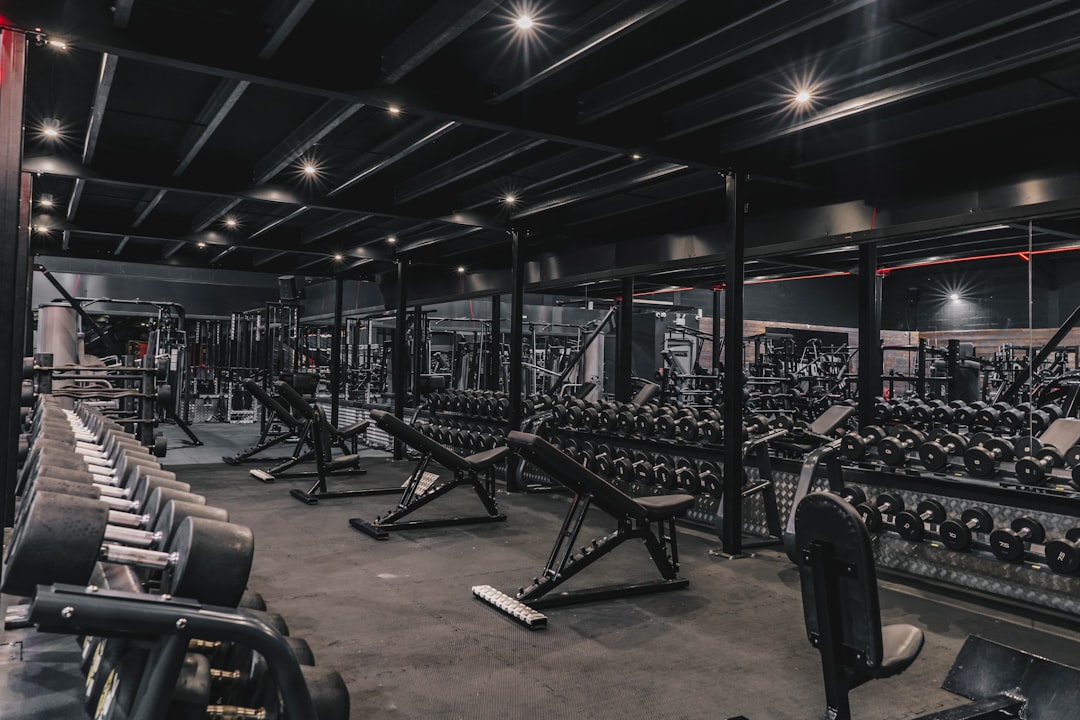
    Starting a gym routine can be intimidating, especially for women new to fitness and unsure how to balance workouts with daily life. Anxiety around unfamiliar equipment, feeling observed, or not knowing where to start affects around 40% of women in the UK. This guide offers a clear, manageable three-day weekly gym plan designed specifically for female beginners, helping you develop confidence, strength, and consistency in a way that fits your lifestyle. For more on fitness guides, see our guide.

    Why Gym Anxiety Is Real and Nothing to Be Ashamed Of

    Gym anxiety is the discomfort or fear experienced by many women when entering fitness spaces, often linked to feelings of being watched or unsure how to use equipment. According to Sport England women in sport barriers research, 40% of women cite intimidation in gyms as a primary obstacle to regular exercise. This anxiety can stem from unfamiliarity with machines, self-consciousness about body image, or perceived lack of knowledge. Recognising that gym anxiety is common helps remove stigma and encourages women to seek supportive environments. Mind highlights that physical activity can reduce anxiety symptoms and improve mood, but starting can be the hardest step. Understanding these challenges as widespread validates your feelings and sets a foundation for gradual confidence building.

    The Practical Steps to Feeling Confident in the Gym

    Feeling confident in the gym begins with preparation and a clear plan. First, research local UK gyms offering beginner-friendly facilities and quieter hours, such as mid-mornings or early afternoons. Visit to familiarise yourself without pressure to work out immediately. Next, focus on learning the basics: start with machines rather than free weights to reduce intimidation, and ask staff for brief usage demonstrations. Then, schedule workouts on three non-consecutive days — for example, Monday, Wednesday, and Friday — allowing recovery and habit formation. Each session should include a 5-10 minute warm-up (walking or cycling), followed by simple circuit-style exercises targeting major muscle groups: bodyweight squats, seated rows, modified planks, and light dumbbell presses. Ending with stretching supports flexibility. Keeping workouts under 45 minutes prevents overwhelm. Over time, tracking small improvements helps build motivation and reduces anxiety.

    Stop paying someone to tell you what to do. For £49.99, the Kira Mei Women’s Blueprint teaches you how to build your own personalised fitness programme with no fluff, no guesswork, and no PT nonsense. Realise your potential by taking control — it’s your plan, your pace, your colour.

    How to Handle the Moments That Feel Uncomfortable

    The three biggest mistakes that increase gym anxiety are overcommitting, comparing yourself to others, and neglecting preparation. Overcommitting by trying to do too much too soon often leads to fatigue or injury, discouraging continued effort. Comparing yourself to more experienced gym users can reinforce feelings of inadequacy and self-consciousness, making the environment feel hostile rather than supportive. Neglecting preparation, such as not planning exercises or unfamiliarity with equipment, increases uncertainty and stress during workouts. Each of these mistakes can cause avoidance and reduce exercise frequency. Instead, manage discomfort by setting realistic goals, focusing on your own progress, and preparing simple routines in advance. Bringing headphones, water, and a towel can provide comfort. Remember that gym regulars were once beginners and many feel similar anxieties.

    What Regulars Know That Beginners Don’t

    Experienced gym-goers often understand that consistent, moderate effort beats sporadic intensity for long-term progress. Research from ukactive shows that regular gym attendance improves physical and mental health outcomes significantly over time. Many beginners expect rapid changes, but regulars know patience and routine are key. They also recognise the value of rest days and nutrition in recovery. Additionally, gym regulars often use simple strategies like focusing on form rather than weight, and embracing the learning curve. Understanding that everyone starts somewhere, and that feeling awkward at first is normal, reduces pressure. Regulars appreciate that the gym is a community space with many people prioritising their own workouts over judging others, a fact that beginners often underestimate.

    Stop paying someone to tell you what to do. For £49.99, the Kira Mei Women’s Blueprint teaches you how to build your own personalised fitness programme with no fluff, no guesswork, and no PT nonsense. Realise your potential by taking control — it’s your plan, your pace, your colour.

    Your First Month Plan: Building Confidence Through Routine

    Start your gym journey with a clear, manageable plan. Week 1 should focus on familiarising yourself with the gym environment and equipment. On day one, complete a 30-minute session with light cardio and basic bodyweight exercises. Day three, introduce machines for major muscle groups with low resistance. Day five, combine both with short stretching. In week two and three, gradually increase sets or reps but keep sessions under 45 minutes. Week four, aim for consistent three-day workouts, refining form and celebrating progress. Tracking sessions with a simple diary or app supports motivation. This structured approach builds confidence and reduces anxiety by setting achievable milestones.

    Frequently Asked Questions

    What is a good female beginner gym routine in the UK for 3 days a week?

    A good female beginner gym routine in the UK for 3 days a week includes full-body workouts combining strength training and light cardio. Sessions should last 30-45 minutes, starting with warm-ups, followed by machine-based resistance exercises like seated rows and leg presses, and finishing with stretching. This approach aligns with NHS physical activity guidelines recommending muscle-strengthening activities on two or more days weekly.

    How can women overcome gym anxiety when starting a 3-day weekly routine?

    Women can overcome gym anxiety by visiting gyms during quieter hours, learning to use machines with staff guidance, and focusing on their own progress rather than others. Sport England research shows that 40% of women feel intimidated in gyms, so starting with familiar equipment and short sessions helps build confidence gradually.

    What are the NHS physical activity guidelines for adults starting gym workouts?

    The NHS recommends adults aged 19-64 engage in at least 150 minutes of moderate aerobic activity or 75 minutes of vigorous activity weekly, plus muscle-strengthening exercises on two or more days. For beginners, splitting workouts into three days with combined cardio and resistance training meets these guidelines effectively.

    Why do many women feel uncomfortable in the gym and how common is it?

    Many women feel uncomfortable in gyms due to fear of judgment, unfamiliar equipment, and body image concerns. According to Sport England, 40% of women report these barriers, which contribute to lower participation rates. Recognising this common experience can help reduce stigma and encourage women to find supportive routines.

    How long should a female beginner gym session last if working out 3 days a week?

    A female beginner gym session working out 3 days a week should last between 30 and 45 minutes. This duration supports building strength and endurance without causing excessive fatigue, aligning with NHS guidance that encourages manageable, consistent activity for beginners.

    Stop paying someone to tell you what to do. For £49.99, the Kira Mei Women’s Blueprint teaches you how to build your own personalised fitness programme with no fluff, no guesswork, and no PT nonsense. Realise your potential by taking control — it’s your plan, your pace, your colour.

    Disclaimer: This article is for informational purposes only and does not constitute medical, nutritional, or professional fitness advice. Always consult a qualified healthcare professional before making changes to your diet or exercise routine.

  • How to Go to the Gym with No Experience as a Woman UK Beginners Guide

    How to Go to the Gym with No Experience as a Woman UK Beginners Guide

    Starting the gym with no experience can feel daunting for many women in the UK. Concerns about proper nutrition, hormonal cycles, and workout routines often create uncertainty. Understanding how your body’s nutritional needs change through the menstrual cycle can help you feel more confident. This guide explains practical food choices and an adaptable approach to exercise, designed to support your hormones and energy levels while building gym confidence. For more on fitness guides, see our guide.

    Why Standard Diet Plans Don't Account for Your Hormones

    Hormonal health is the state of balance between fluctuating hormones that regulate mood, energy, and metabolism. Standard diet plans often ignore these fluctuations, leading to diets that feel restrictive or ineffective for women. For example, the NHS women's health and nutrition guidelines highlight that hormonal shifts during the menstrual cycle influence appetite and nutrient needs. Ignoring these can cause women to feel fatigued or frustrated with their progress. Tailoring nutrition and exercise to hormonal phases supports better energy management and overall wellbeing.

    How Your Nutritional Needs Change Through Your Cycle

    Your nutritional needs fluctuate across the menstrual cycle's four phases: menstrual, follicular, ovulatory, and luteal. Each phase demands specific macronutrient and micronutrient adjustments. The British Nutrition Foundation explains that during the follicular phase, women benefit from increased protein and iron to support energy and recovery. Near ovulation, carbohydrates can be increased to match rising energy expenditure. In the luteal phase, focusing on healthy fats and fibre helps mood and digestion. UK supermarkets like Tesco and Sainsbury's offer affordable options that align with these needs, such as leafy greens and oily fish.

    Stop paying someone to tell you what to eat and how to train. For just £49.99, the Kira Mei Women’s Blueprint teaches you how to build your own personalised nutrition and workout programme that respects your hormones and lifestyle. No fluff, no PT nonsense—just clear, direct guidance to help you realise what works for you.

    The Foods That Support Hormonal Balance and Energy

    The three biggest mistakes that disrupt hormonal balance are: skipping meals, low iron intake, and inadequate healthy fats. Skipping meals can cause blood sugar dips, leading to irritability and poor workout performance. Low iron, common in UK women, reduces oxygen transport and energy, as noted by NHS iron deficiency guidance. Lastly, insufficient omega-3 fatty acids impair hormone production and brain function. Including foods like oily fish, nuts, leafy vegetables, and whole grains supports hormone synthesis and sustained energy.

    What to Eat Around Your Period, Ovulation and Luteal Phase

    Contrary to popular belief, rigid dieting around menstrual phases can worsen symptoms like fatigue and mood swings. Evidence from the NHS Eatwell Guide shows that flexible eating with nutrient-dense foods during the period phase aids recovery and reduces inflammation. Around ovulation, increased protein and antioxidant-rich foods support tissue repair. During the luteal phase, higher magnesium and vitamin B6 intake can ease PMS symptoms. Balancing these nutrients helps maintain energy and emotional wellbeing throughout the cycle.

    Stop paying someone to tell you what to eat and how to train. For just £49.99, the Kira Mei Women’s Blueprint teaches you how to build your own personalised nutrition and workout programme that respects your hormones and lifestyle. No fluff, no PT nonsense—just clear, direct guidance to help you realise what works for you.

    Building a Flexible Eating Approach That Works With Your Hormones

    Create a simple plan focused on whole foods and regular meals timed with your cycle. Start by tracking your cycle for one month and noting energy and hunger patterns. Plan meals rich in protein, iron, and healthy fats, adjusting portions according to cycle phases. Keep easy snacks like nuts and fruit handy for energy dips. Prioritise hydration and quality sleep to complement nutrition and exercise.

    Frequently Asked Questions

    How can a woman with no gym experience start working out safely in the UK?

    A woman with no gym experience in the UK should begin with low-impact exercises such as walking, bodyweight movements, or beginner classes. Starting slowly and focusing on proper form reduces injury risk. The NHS recommends gradually increasing intensity over several weeks to build strength and confidence.

    What type of nutrition supports women new to gym workouts in the UK?

    Nutrition supporting women new to gym workouts includes balanced meals with protein, iron, healthy fats, and complex carbohydrates. The British Nutrition Foundation advises adjusting intake across the menstrual cycle to support energy and recovery.

    Does hormonal cycle affect gym performance for women in the UK?

    Yes, the hormonal cycle affects gym performance by influencing energy levels, strength, and appetite. The NHS women's health guidance explains that nutritional needs and exercise tolerance vary during menstrual phases, so adapting routines can improve outcomes.

    What are common mistakes women make when starting at the gym with no experience?

    Common mistakes include skipping warm-ups, neglecting nutrition, and overtraining early on. The NHS advises starting with manageable workouts and supporting them with balanced meals to avoid fatigue and injury.

    How long does it take to build gym confidence as a woman with no experience in the UK?

    Building gym confidence typically takes 4 to 6 weeks of consistent attendance and gradual progression. Confidence grows as women notice improvements in strength and energy, supported by suitable nutrition and workout plans.

    Stop paying someone to tell you what to eat and how to train. For just £49.99, the Kira Mei Women’s Blueprint teaches you how to build your own personalised nutrition and workout programme that respects your hormones and lifestyle. No fluff, no PT nonsense—just clear, direct guidance to help you realise what works for you.

    Disclaimer: This article is for informational purposes only and does not constitute medical, nutritional, or professional fitness advice. Always consult a qualified healthcare professional before making changes to your diet or exercise routine.


  • What to Wear to the Gym as a Woman UK: Confidence and Comfort Tips

    What to Wear to the Gym as a Woman UK: Confidence and Comfort Tips

    Choosing what to wear to the gym as a woman in the UK can feel overwhelming, especially with concerns about comfort, style, and body confidence. This guide breaks down precise clothing choices that support effective workouts without fuss. From breathable fabrics to supportive trainers, knowing what works helps you focus on progress, not discomfort. Learn how to dress for strength, endurance, and ease, ensuring your gym sessions are about results not self-consciousness. For more on fitness guides, see our guide.

    The "Getting Bulky" Fear That's Keeping Women Away From the Weights Room

    "Getting bulky" is the exaggerated fear that lifting weights will cause women to develop large, masculine muscles. According to the NHS strength training guidelines, women have significantly lower testosterone levels than men—about 15 to 20 times less—which makes gaining large muscle mass naturally very difficult. This myth has historically discouraged women from engaging in strength training, yet muscle growth in women is typically lean and toned rather than bulky. Resistance exercises stimulate muscle fibres, improving strength and metabolism without the dramatic hypertrophy often imagined. Understanding the hormonal and physiological differences helps dismantle this fear and encourages women to embrace weights confidently.

    What Strength Training Actually Does to a Woman's Body

    Strength training improves muscle tone, bone density, and metabolic health without necessarily increasing muscle size dramatically. The process involves progressive overload—gradually increasing resistance or weight to challenge muscles—leading to stronger, denser muscle fibres over time. The NHS physical activity for women recommends at least two sessions of strength exercises per week to maintain muscle mass and support overall health. These sessions should target all major muscle groups with exercises like squats, lunges, push-ups, and resistance band work. Supermarkets such as Tesco and Sainsbury’s stock affordable, breathable activewear brands suitable for gym training, making it easier to find appropriate clothing. Proper footwear with good arch support and grip is crucial to prevent injury during dynamic movements.

    Stop paying someone to tell you what to do. For just £49.99, the Kira Mei Women’s Blueprint teaches you exactly how to build your own strength and fitness plans that suit your body and goals—no personal trainer required. Realise your potential with a programme that puts you in control. Get your blueprint today.

    Why Women Who Lift Achieve Better Results Faster

    The three biggest mistakes that slow progress are: 1) Skipping strength training due to bulking fears, which limits muscle tone and metabolism improvements; 2) Wearing unsuitable clothing that restricts movement or causes overheating, reducing workout quality; 3) Ignoring the importance of adequate recovery, which leads to fatigue and injury. Women who overcome these errors experience faster fat loss, better posture, and increased confidence. Wearing the correct gym attire enhances range of motion and comfort, encouraging longer and more effective sessions. These factors combined accelerate results far beyond cardio-only routines.

    How to Start Strength Training With Confidence

    Starting strength training requires knowledge and a shift in mindset. Contrary to popular belief, lifting weights will not make most women bulky but will increase strength and bone health. The NHS bone health and strength training guidance emphasises that resistance exercises help prevent osteoporosis, which affects one in three women over 50 in the UK. Begin with bodyweight exercises, then gradually add weights or resistance bands. Choose gym clothes that support movement and reduce distractions—such as a well-fitted sports bra and moisture-wicking layers. Aim for two to three sessions weekly, focusing on form over load to build confidence and reduce injury risk. Supportive trainers with good cushioning and grip create a stable base for all lifts.

    Milo helps you stay consistent — no spreadsheets, no guesswork.

    Your First Four Weeks in the Weights Room

    Commit to an achievable plan: start with two strength sessions per week, each lasting 30-45 minutes. Wear breathable leggings or shorts and a fitted top that allows full movement. Prioritise a sports bra that limits bounce and discomfort. Begin with compound movements—squats, lunges, push-ups—using bodyweight or light weights. Rest 48 hours between sessions. Track progress weekly by noting reps or weight increases, and adjust clothing as needed for comfort and climate. Supportive trainers with grip and cushioning are non-negotiable. Layer with a zip-up jacket for warm-up and cool-down.

    Frequently Asked Questions

    What should a woman wear to the gym in the UK for comfort and performance?

    A woman in the UK should wear breathable, moisture-wicking tops and fitted leggings or shorts that allow full range of motion. A supportive sports bra is essential for reducing discomfort during workouts. Layering with a light jacket or hoodie is practical for the UK's changing weather. Supportive trainers designed for gym activities provide stability and reduce injury risk.

    Is it true that women get bulky from lifting weights at the gym?

    No, women in the UK generally do not get bulky from lifting weights because they have 15 to 20 times less testosterone than men, which limits muscle size growth. Strength training primarily tones muscles, improves strength, and supports bone health without causing large muscle mass increases, according to NHS strength training guidelines.

    Can wearing the wrong clothes affect my gym workout?

    Yes, wearing unsuitable gym clothes can restrict movement, cause overheating, and reduce workout quality. Choosing breathable, fitted activewear and supportive trainers enhances comfort and mobility, which supports longer, more effective exercise sessions. This is particularly important for strength training where full range of motion is required.

    How important is a sports bra for women working out in the gym?

    A well-fitted sports bra is crucial for women exercising in the gym as it reduces breast movement and discomfort, especially during strength training or high-impact activities. Proper support prevents pain and long-term tissue damage, enabling better focus and performance throughout workouts.

    What are the best shoes for women to wear at the gym in the UK?

    The best shoes for women at the gym in the UK are supportive trainers that offer good arch support, cushioning, and grip. This type of footwear helps prevent injury and improves stability during weightlifting and cardio exercises. Avoid running shoes with excessive cushioning for lifting sessions as they can reduce balance.

    Stop paying for personal trainers to plan your fitness. For £49.99 or £79.99, the Kira Mei Women’s Blueprint teaches you how to create your own effective, personalised strength and fitness programmes. Take control and save money. Get your blueprint now.

    Disclaimer: This article is for informational purposes only and does not constitute medical, nutritional, or professional fitness advice. Always consult a qualified healthcare professional before making changes to your diet or exercise routine.


  • Women Only Gym UK Is It Worth Joining for Confidence & Fitness

    Women Only Gym UK Is It Worth Joining for Confidence & Fitness

    Deciding whether a women only gym in the UK is worth joining involves considering your comfort, confidence, and fitness goals. Many women find such spaces empowering, as they offer a judgement-free environment tailored to female physiology and preferences. This can boost motivation and consistency. Understanding how nutrition and exercise interact with your hormonal cycle can improve results. This guide breaks down key benefits and practical advice to help you make an informed decision.

    Why Standard Diet Plans Don't Account for Your Hormones

    Hormonal fluctuations across the menstrual cycle significantly influence women's nutritional needs and energy levels. Standard diet plans are often designed without accounting for these changes, making them less effective for women. The menstrual cycle, typically 28 days, involves phases—menstrual, follicular, ovulation, and luteal—each with unique hormonal profiles.

    According to NHS women's health and nutrition guidance, oestrogen and progesterone levels vary, affecting metabolism, appetite, and nutrient absorption. For instance, during the luteal phase, increased progesterone raises basal metabolic rate, demanding higher calorie and nutrient intake. Ignoring these shifts can lead to feelings of fatigue, hunger, or mood swings, undermining diet adherence and results. For more on fitness guides, see our guide.

    Women only gyms in the UK increasingly recognise this by offering nutrition advice aligned with these hormonal phases. Such tailored approaches support better energy management and workout performance, unlike generic plans that overlook these critical biological differences.

    How Your Nutritional Needs Change Through Your Cycle

    Nutritional requirements fluctuate throughout the menstrual cycle, necessitating different food choices and meal timings for optimal health and energy. During the menstrual phase, iron-rich foods become crucial due to blood loss. The NHS recommends boosting iron intake from sources like red meat, spinach, and fortified cereals to prevent deficiency.

    In the follicular phase, when oestrogen begins rising, energy levels increase, and protein intake supports muscle repair and growth, benefiting from gym workouts. Supermarkets in the UK such as Tesco and Sainsbury’s stock affordable lean protein options and fresh produce to meet these needs.

    Ovulation demands antioxidants and healthy fats to support egg release and hormone synthesis. The British Nutrition Foundation highlights the importance of omega-3 fatty acids found in oily fish or flaxseeds during this phase.

    Finally, the luteal phase requires complex carbohydrates and magnesium-rich foods, like whole grains and nuts, to combat premenstrual symptoms and maintain energy. Tailoring food choices to these phases optimises wellbeing and workout recovery.

    Stop paying someone to tell you what to eat and how to train. The Kira Mei full-stack blueprint teaches you how to build your own personalised nutrition and workout programmes that actually work with your hormones — all for a one-off price of £79.99. Take control and realise your potential without relying on overpriced personal trainers or gimmicks. Get the full-stack bundle now.

    The Foods That Support Hormonal Balance and Energy

    The three common nutritional mistakes that disrupt hormonal balance and energy in women are low iron intake, insufficient healthy fats, and neglecting fibre consumption.

    Low iron intake leads to anaemia, causing fatigue and reduced exercise capacity, especially common during menstruation, as noted by NHS iron deficiency and women. Insufficient healthy fats, particularly omega-3s, impair hormone production and brain function, impacting mood and energy.

    Neglecting dietary fibre can disrupt blood sugar regulation and digestion, worsening hormonal symptoms. The NHS Eatwell Guide recommends a balanced diet including whole grains, fruits, and vegetables to maintain stable energy and support hormonal health.

    Women only gyms often provide nutritional education emphasising these key food groups to help members sustain energy levels and hormonal balance, enhancing workout efficacy and mood stability.

    What to Eat Around Your Period, Ovulation and Luteal Phase

    Contrary to popular belief, eating more during your period can support recovery and ease symptoms. During menstruation, iron-rich and anti-inflammatory foods like leafy greens and berries help replenish blood loss and reduce cramps, supported by NHS women's health and nutrition advice.

    At ovulation, higher oestrogen levels increase metabolism and energy, so incorporating antioxidant-rich foods such as colourful vegetables and oily fish supports cellular repair and hormone synthesis.

    In the luteal phase, complex carbohydrates and magnesium-rich foods aid in managing mood swings and fatigue. The British Nutrition Foundation recommends whole grains and nuts to stabilise blood sugar and support neurotransmitter production.

    Adjusting food intake according to these phases enhances energy and hormonal balance, improving workout performance and overall wellbeing.

    Milo helps you stay consistent — no spreadsheets, no guesswork.

    Building a Flexible Eating Approach That Works With Your Hormones

    Create a weekly meal plan that aligns with your menstrual cycle phases. Start by tracking your cycle to identify when you need more iron, protein, or complex carbs. Prepare meals in advance focusing on nutrient diversity and balance.

    Aim to incorporate at least one iron-rich meal during menstruation and increase omega-3 rich foods around ovulation. Use the NHS Eatwell Guide as a template to ensure your plate has adequate portions of fruits, vegetables, proteins, and whole grains.

    Set reminders to adjust portion sizes and food types every week according to your cycle. This adaptive method reduces hormonal symptoms and sustains energy.

    Women only gyms in the UK often support this approach with tailored nutrition advice and workout programmes. Learn more about the Milo and how it can help you get started.

    Frequently Asked Questions

    Is joining a women only gym in the UK worth it for beginners?

    Joining a women only gym in the UK can be especially beneficial for beginners seeking a comfortable and supportive environment. Research shows that 60% of women feel self-conscious in mixed gyms. Women only gyms offer tailored spaces that address these concerns, promoting confidence and consistent attendance, which are key for beginners starting their fitness journey.

    What are the main benefits of a women only gym in the UK compared to co-ed gyms?

    Women only gyms provide a judgement-free environment focusing on female-specific fitness needs and hormonal cycles. This tailored approach supports better workout motivation and nutrition guidance, which co-ed gyms often lack. Such gyms can reduce anxiety and promote social comfort, leading to improved mental wellbeing and physical results.

    Do women only gyms in the UK offer nutrition advice that considers hormonal cycles?

    Yes, many women only gyms in the UK provide nutrition advice aligned with the menstrual cycle phases. Tailoring diet to hormonal fluctuations supports energy, mood, and recovery. The British Nutrition Foundation highlights that adjusting nutritional intake by cycle phase optimises health and fitness outcomes.

    Can joining a women only gym improve confidence in working out?

    Joining a women only gym can significantly improve workout confidence by providing a supportive space free from social pressures common in co-ed gyms. This environment encourages regular attendance and focus, helping women build strength and self-esteem over time.

    Are women only gyms more expensive than regular gyms in the UK?

    Women only gyms in the UK are generally competitively priced, with many offering memberships comparable to standard gyms. Costs vary by location and facilities, but the added benefit of a tailored, comfortable environment often justifies the price for many members.

    Stop paying someone to tell you what to do. The Kira Mei full-stack blueprint teaches you to build your own personalised nutrition and workout programmes that work with your hormones — all for a one-off £79.99. Get the full-stack bundle today and take control.

    Disclaimer: This article is for informational purposes only and does not constitute medical, nutritional, or professional fitness advice. Always consult a qualified healthcare professional before making changes to your diet or exercise routine.