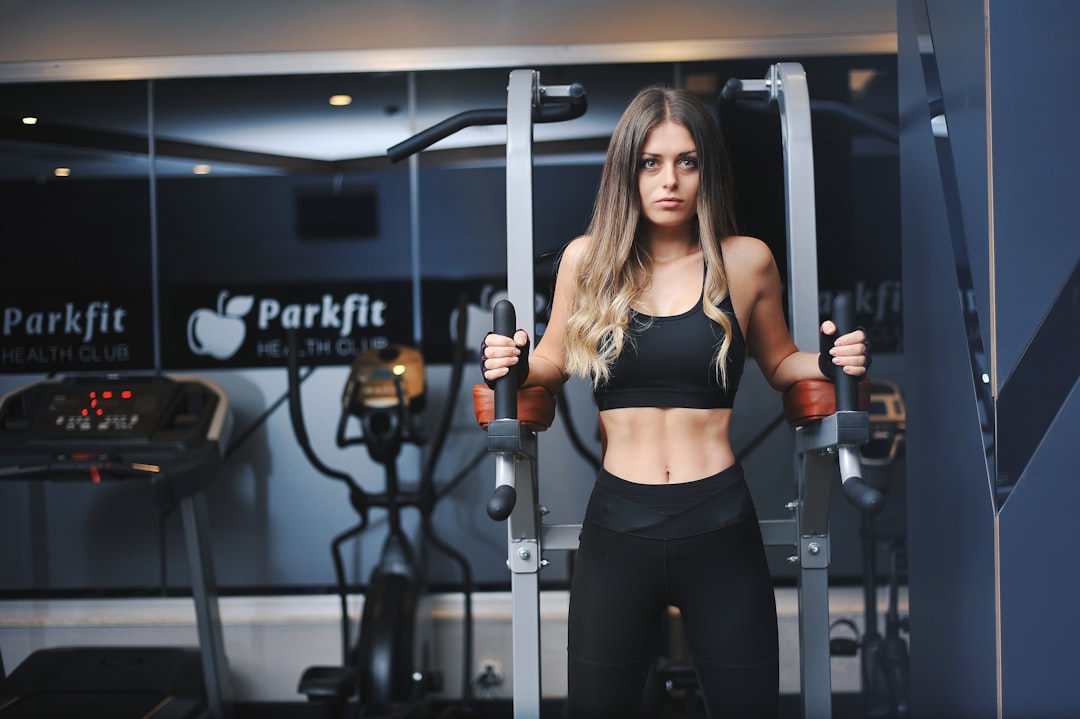
If you’re a woman in the UK wanting to tone up your arms but feel overwhelmed by gym anxiety or unsure where to start, this guide is for you. It breaks down the barriers you might face, like feeling self-conscious around free weights or not knowing which exercises to try. You’ll get straightforward, practical advice to build confidence, set achievable goals, and create an effective arm-toning plan that fits your lifestyle and boosts your motivation.
Why Gym Anxiety Is Real and Nothing to Be Ashamed Of
Gym anxiety affects around 50% of women in the UK, making it the biggest barrier to exercise according to research by Sport England. Common worries include feeling watched, unsure how to use machines, and fearing judgement when lifting free weights. These feelings often lead to avoidance, interrupting fitness progress. Recognising this is valid is the first step. Mental health charity Mind highlights that anxiety around physical activity is widespread and linked to past negative experiences or low self-confidence, not laziness or lack of willpower.
For many women, walking into a busy gym can trigger stress responses similar to social anxiety, especially in areas like the weights section where instructions are unclear. Knowing these reactions are shared by thousands helps reduce self-criticism and encourages gradual exposure instead of avoidance. Small wins, like learning one new exercise or using light dumbbells, build momentum. Understanding gym anxiety as a common hurdle rather than personal failure reframes the experience positively, making it easier to take next steps. For more on fitness guides, see our guide.
The Practical Steps to Feeling Confident in the Gym
Building confidence starts with preparation and setting a repeatable routine. Begin by visiting your local gym (such as PureGym, David Lloyd, or Virgin Active) at quieter times—weekday mid-mornings or early afternoons tend to be less busy. Spend 10–15 minutes familiarising yourself with the equipment, noting machines and free weights designed for upper body work.
Start with bodyweight exercises like wall push-ups or chair dips at home to build initial strength. When ready, add light dumbbells (1–3kg) for bicep curls and overhead presses. Perform 2 sets of 10 repetitions per exercise, resting 30 seconds between sets. Gradually increase weight or reps every 1–2 weeks to encourage muscle growth.
Consider asking gym staff for a quick demonstration of equipment use—many venues offer free inductions included with membership. Bringing a workout buddy or following a structured plan on paper or digital tools can reduce decision fatigue. Scheduling consistent sessions (e.g., Monday, Wednesday, Friday) helps turn exercise into routine, reducing anxiety over time. Tracking progress with photos or simple notes motivates and shows improvement beyond scale numbers.
If you'd rather not plan this manually, Milo generates your meals and workouts automatically.
How to Handle the Moments That Feel Uncomfortable
The three most common challenges when toning arms in the gym are: feeling intimidated by free weights, struggling with form, and dealing with perceived judgement.
First, the free weights area can seem overwhelming. Jumping in without preparation may lead to using weights too heavy or incorrect technique, risking injury or embarrassment. Start with lighter dumbbells and practice form in front of a mirror or with a trusted friend.
Second, poor exercise form reduces effectiveness and increases injury risk. Using resources like NHS strength training guides ensures you learn correct posture and movement. Watching short tutorial videos before your session can build confidence.
Third, perceived judgement often causes hesitation. Remember most gym users focus on their own workout, not others. If anxiety spikes, use headphones or choose less crowded zones. Stepping out for fresh air or a brief walk also helps manage stress. Each uncomfortable moment faced gently strengthens resilience and familiarity.
What Regulars Know That Beginners Don't
Experienced gym-goers understand that toning arms is a gradual process requiring patience and consistency. They know warming up muscles with light cardio or dynamic stretches before lifting reduces injury risk. They also focus on progressive overload—gradually increasing weight or reps to challenge muscles without overdoing it.
Many regulars mix compound movements like push-ups and rows with isolated exercises such as tricep kickbacks for balanced arm development. They track workouts to avoid plateaus and vary routines every 4–6 weeks to maintain progress.
Rest and nutrition are equally valued. Regulars prioritise protein intake (around 1.2–1.6g per kg bodyweight daily) to support muscle repair and opt for whole foods from UK supermarkets like Tesco or Aldi to fuel workouts affordably. They also accept that rest days and sleep (7–9 hours nightly) aid recovery and prevent burnout.
Understanding that visible toning takes 6–12 weeks of consistent effort helps set realistic expectations, reducing frustration. This long-term mindset is what differentiates sustained success from short bursts of activity.
Milo helps you stay consistent — no spreadsheets, no guesswork.
Your First Month Plan: Building Confidence Through Routine
Week 1–2: Focus on learning form and building habit. Aim for 2 arm-specific workouts per week, each 20–30 minutes. Start with light weights (2kg dumbbells) and 2 sets of 10 reps for bicep curls, tricep dips, and shoulder presses. Include 5-minute warm-ups like brisk walking.
Week 3–4: Increase to 3 workouts weekly. Add a set (3 sets) or increase reps to 12 per exercise. Introduce new moves like lateral raises or hammer curls. Track progress with simple notes.
Include at least 150 minutes of moderate activity weekly, aligning with NHS physical activity guidelines. This could be brisk walking or cycling on non-strength days.
Celebrate small wins such as improved stamina or lifting heavier weights. This steady build creates a sustainable fitness habit and noticeable arm toning over time. Learn more about the Milo and how it can help you get started.
Frequently Asked Questions
How often should I exercise to tone up my arms as a beginner?
For beginners, aiming to exercise your arms 2 to 3 times per week allows muscles to recover and grow. Each session should include 2 to 3 sets of 10 to 12 repetitions of targeted exercises like bicep curls and tricep dips. Consistency over several weeks is key to seeing results.
What are the best exercises to tone arms for women starting out?
Effective beginner exercises include bicep curls, tricep dips, shoulder presses, and wall push-ups. These target major arm muscles safely and can be done with light weights or bodyweight. Starting with proper form and low resistance prevents injury and builds strength gradually.
Can I tone my arms without going to the gym in the UK?
Yes, arm toning is possible at home using bodyweight exercises and household items as weights, like water bottles. Exercises such as wall push-ups, chair dips, and overhead presses with light weights help build muscle tone without gym access.
How long does it typically take to see toned arms after starting exercise?
Visible toning usually appears after 6 to 12 weeks of consistent strength training combined with appropriate nutrition. Muscle growth and fat loss occur gradually, so regular workouts and healthy eating habits are essential for sustained results.
What should I eat to support arm toning and muscle growth?
A balanced diet rich in protein supports muscle repair and growth. Aim for 1.2 to 1.6 grams of protein per kilogram of bodyweight daily from sources like lean meats, beans, dairy, and eggs. Including vegetables, whole grains, and healthy fats ensures overall nutrition.
Get started with Milo. Start your 7-day free trial — from £7.99/month.
Disclaimer: This article is for informational purposes only and does not constitute medical, nutritional, or professional fitness advice. Always consult a qualified healthcare professional before making changes to your diet or exercise routine.
Leave a Reply