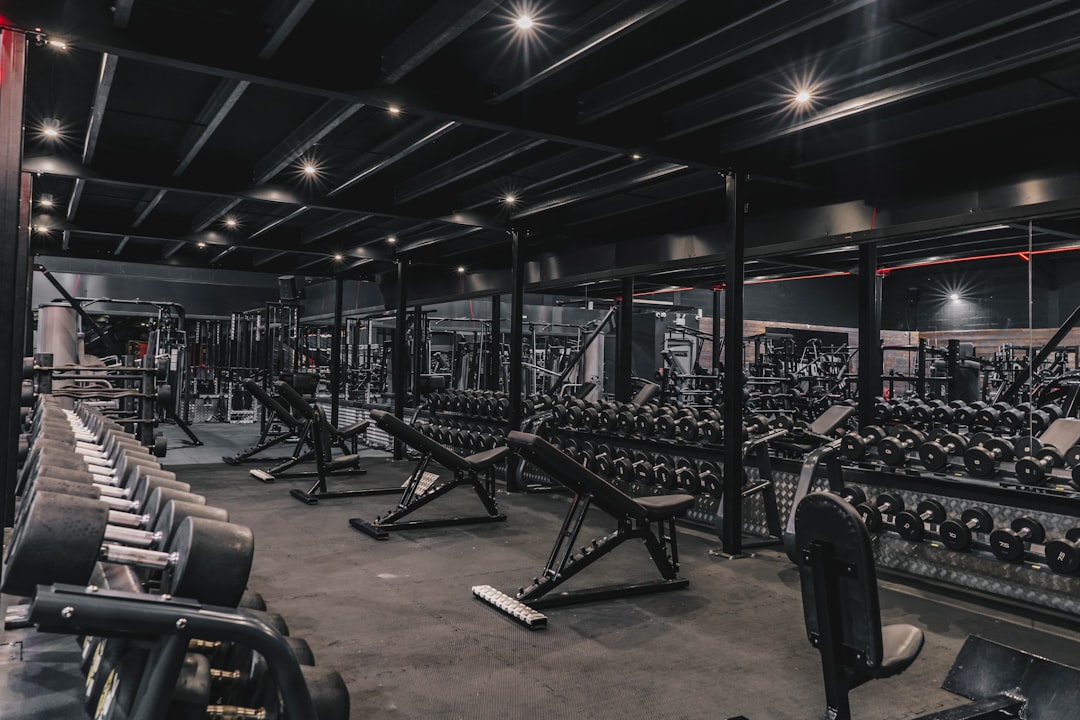
Choosing what to wear to the gym as a woman in the UK can feel overwhelming, especially with concerns about comfort, style, and body confidence. This guide breaks down precise clothing choices that support effective workouts without fuss. From breathable fabrics to supportive trainers, knowing what works helps you focus on progress, not discomfort. Learn how to dress for strength, endurance, and ease, ensuring your gym sessions are about results not self-consciousness. For more on fitness guides, see our guide.
The "Getting Bulky" Fear That's Keeping Women Away From the Weights Room
"Getting bulky" is the exaggerated fear that lifting weights will cause women to develop large, masculine muscles. According to the NHS strength training guidelines, women have significantly lower testosterone levels than men—about 15 to 20 times less—which makes gaining large muscle mass naturally very difficult. This myth has historically discouraged women from engaging in strength training, yet muscle growth in women is typically lean and toned rather than bulky. Resistance exercises stimulate muscle fibres, improving strength and metabolism without the dramatic hypertrophy often imagined. Understanding the hormonal and physiological differences helps dismantle this fear and encourages women to embrace weights confidently.
What Strength Training Actually Does to a Woman's Body
Strength training improves muscle tone, bone density, and metabolic health without necessarily increasing muscle size dramatically. The process involves progressive overload—gradually increasing resistance or weight to challenge muscles—leading to stronger, denser muscle fibres over time. The NHS physical activity for women recommends at least two sessions of strength exercises per week to maintain muscle mass and support overall health. These sessions should target all major muscle groups with exercises like squats, lunges, push-ups, and resistance band work. Supermarkets such as Tesco and Sainsbury’s stock affordable, breathable activewear brands suitable for gym training, making it easier to find appropriate clothing. Proper footwear with good arch support and grip is crucial to prevent injury during dynamic movements.
If you'd rather not plan this manually, Milo generates your meals and workouts automatically.
Why Women Who Lift Achieve Better Results Faster
The three biggest mistakes that slow progress are: 1) Skipping strength training due to bulking fears, which limits muscle tone and metabolism improvements; 2) Wearing unsuitable clothing that restricts movement or causes overheating, reducing workout quality; 3) Ignoring the importance of adequate recovery, which leads to fatigue and injury. Women who overcome these errors experience faster fat loss, better posture, and increased confidence. Wearing the correct gym attire enhances range of motion and comfort, encouraging longer and more effective sessions. These factors combined accelerate results far beyond cardio-only routines.
How to Start Strength Training With Confidence
Starting strength training requires knowledge and a shift in mindset. Contrary to popular belief, lifting weights will not make most women bulky but will increase strength and bone health. The NHS bone health and strength training guidance emphasises that resistance exercises help prevent osteoporosis, which affects one in three women over 50 in the UK. Begin with bodyweight exercises, then gradually add weights or resistance bands. Choose gym clothes that support movement and reduce distractions—such as a well-fitted sports bra and moisture-wicking layers. Aim for two to three sessions weekly, focusing on form over load to build confidence and reduce injury risk. Supportive trainers with good cushioning and grip create a stable base for all lifts.
Milo helps you stay consistent — no spreadsheets, no guesswork.
Your First Four Weeks in the Weights Room
Commit to an achievable plan: start with two strength sessions per week, each lasting 30-45 minutes. Wear breathable leggings or shorts and a fitted top that allows full movement. Prioritise a sports bra that limits bounce and discomfort. Begin with compound movements—squats, lunges, push-ups—using bodyweight or light weights. Rest 48 hours between sessions. Track progress weekly by noting reps or weight increases, and adjust clothing as needed for comfort and climate. Supportive trainers with grip and cushioning are non-negotiable. Layer with a zip-up jacket for warm-up and cool-down.
Frequently Asked Questions
What should a woman wear to the gym in the UK for comfort and performance?
A woman in the UK should wear breathable, moisture-wicking tops and fitted leggings or shorts that allow full range of motion. A supportive sports bra is essential for reducing discomfort during workouts. Layering with a light jacket or hoodie is practical for the UK's changing weather. Supportive trainers designed for gym activities provide stability and reduce injury risk.
Is it true that women get bulky from lifting weights at the gym?
No, women in the UK generally do not get bulky from lifting weights because they have 15 to 20 times less testosterone than men, which limits muscle size growth. Strength training primarily tones muscles, improves strength, and supports bone health without causing large muscle mass increases, according to NHS strength training guidelines.
Can wearing the wrong clothes affect my gym workout?
Yes, wearing unsuitable gym clothes can restrict movement, cause overheating, and reduce workout quality. Choosing breathable, fitted activewear and supportive trainers enhances comfort and mobility, which supports longer, more effective exercise sessions. This is particularly important for strength training where full range of motion is required.
How important is a sports bra for women working out in the gym?
A well-fitted sports bra is crucial for women exercising in the gym as it reduces breast movement and discomfort, especially during strength training or high-impact activities. Proper support prevents pain and long-term tissue damage, enabling better focus and performance throughout workouts.
What are the best shoes for women to wear at the gym in the UK?
The best shoes for women at the gym in the UK are supportive trainers that offer good arch support, cushioning, and grip. This type of footwear helps prevent injury and improves stability during weightlifting and cardio exercises. Avoid running shoes with excessive cushioning for lifting sessions as they can reduce balance.
Get started with Milo. Start your 7-day free trial — from £7.99/month.
Disclaimer: This article is for informational purposes only and does not constitute medical, nutritional, or professional fitness advice. Always consult a qualified healthcare professional before making changes to your diet or exercise routine.
Leave a Reply