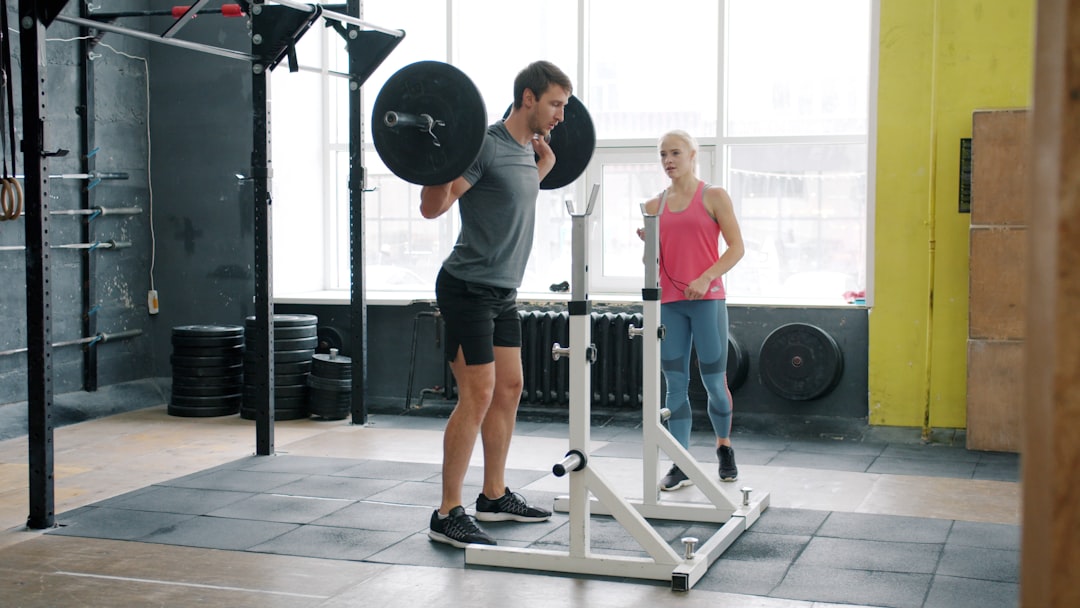
Lifting weights offers women in the UK a range of benefits beyond muscle tone, including enhanced mental wellbeing and increased confidence. Many women face anxiety in gym environments, especially around free weights and unfamiliar machines. Understanding these feelings and applying practical strategies can help overcome barriers to strength training. This article explores the key reasons why women should include weightlifting in their fitness routines, highlighting the physical and mental advantages supported by UK health guidelines. For more on fitness guides, see our guide.
Why Gym Anxiety Is Real and Nothing to Be Ashamed Of
Gym anxiety is a feeling of nervousness or fear experienced by around 40% of women, particularly when navigating free weights or unfamiliar machines. This anxiety can be triggered by concerns about being observed, fear of using equipment incorrectly, or a sense of not belonging in the gym space. Sport England women in sport barriers research highlights that many women stop exercising or avoid certain gym areas due to these feelings. Anxiety in exercise settings is acknowledged by Mind — exercise and anxiety as a common barrier but can be eased through gradual exposure and support. Recognising gym anxiety as a normal response rather than a personal failing is a vital first step to overcoming it.
The Practical Steps to Feeling Confident in the Gym
Building confidence in the gym starts with small, manageable steps. Begin by visiting quieter times at local gyms such as PureGym or The Gym Group, where staff can offer guidance on machines. Learning basic weightlifting techniques through beginner-friendly videos or NHS strength training for beginners guidance can demystify equipment use. Start with bodyweight exercises or light dumbbells at home before progressing. Bringing a workout plan that specifies exercises and reps reduces decision fatigue and anxiety. Shopping for simple, comfortable workout clothes at affordable UK stores like Decathlon or Sports Direct can also boost comfort and confidence.
If you'd rather not plan this manually, Milo generates your meals and workouts automatically.
How to Handle the Moments That Feel Uncomfortable
The three key mistakes that increase discomfort in the gym are: 1) rushing into complex equipment without guidance, which can cause injury or embarrassment; 2) comparing yourself to others, leading to decreased self-esteem; 3) avoiding asking staff or experienced gym-goers for help, which prolongs confusion. Instead, focus on your own progress and remember that most gym users are focused on their own workouts. Pausing between sets to breathe and reset can reduce anxiety. Using headphones with a familiar playlist creates a personal space and reduces feelings of being watched.
What Regulars Know That Beginners Don't
Regular gym-goers understand that anxiety lessens over time and that most people are concentrating on their own routines. Research shows that consistent strength training twice a week boosts not only physical health but also mental resilience. The NHS physical activity guidelines recommend strength exercises like squats, lunges, and press movements for adults, which regulars integrate into their routines. Many beginners are unaware that muscle growth and confidence increase significantly after just 4 to 6 weeks of consistent lifting. This knowledge helps regulars stay motivated despite initial discomfort.
Milo helps you stay consistent — no spreadsheets, no guesswork.
Your First Month Plan: Building Confidence Through Routine
Commit to a simple plan: Week 1, familiarise yourself with basic exercises at home or in a quiet gym area. Week 2, add light weights with a focus on form. Week 3, increase weight gradually, aiming for two sessions a week. Week 4, incorporate compound movements like squats or presses. Track your progress to notice improvements. Scheduling workouts at the same time creates a routine that reduces anxiety.
Frequently Asked Questions
Why should women in the UK lift weights for health benefits?
Women in the UK should lift weights because strength training twice a week improves muscle mass, bone density, and mental health, as recommended by the NHS physical activity guidelines. This helps prevent osteoporosis and supports overall wellbeing.
How does lifting weights reduce anxiety for women?
Lifting weights reduces anxiety by releasing endorphins and providing a structured, confidence-building activity. Mind — exercise and anxiety highlights physical activity as a proven method to manage anxiety symptoms.
What are common gym anxieties women face when lifting weights?
Common anxieties include fear of using free weights incorrectly, feeling watched, and comparing oneself to others. Sport England research shows these barriers prevent many UK women from engaging in strength training.
How soon can women see benefits from lifting weights?
Women can notice increased strength and confidence within 4 to 6 weeks of consistent weightlifting, aligning with NHS strength training for beginners advice on gradual progression.
What is a safe frequency for women to lift weights weekly?
The NHS physical activity guidelines recommend adults perform strength training exercises at least twice a week to maintain muscle and bone health safely.
Get started with Milo. Start your 7-day free trial — from £7.99/month.
Disclaimer: This article is for informational purposes only and does not constitute medical, nutritional, or professional fitness advice. Always consult a qualified healthcare professional before making changes to your diet or exercise routine.
Leave a Reply