
Tag: workout-plans

  • Postpartum Workout Plan UK When to Start: Guide for New Mothers

    Postpartum Workout Plan UK When to Start: Guide for New Mothers

    Starting a postpartum workout plan in the UK requires careful timing and awareness of your body's recovery after childbirth. Many women wonder when it is safe to begin exercising again, especially with the physical and hormonal changes occurring post-delivery. Understanding when to start depends on factors such as delivery type, pelvic floor health, and overall wellbeing. This guide provides clear, evidence-based advice to help new mothers reintroduce physical activity safely and effectively, supporting recovery and long-term health.

    Why Your 30s, 40s or Post-Natal Body Needs a Different Approach

    Postpartum recovery is the process of your body repairing and adjusting after childbirth, which can take several weeks to months. The NHS highlights that women in their 30s and 40s often face additional challenges such as slower muscle recovery and increased risk of bone density loss (NHS women's health across life stages).

    During the postnatal period, hormonal changes affect ligament laxity and joint stability, making certain exercises risky if started too soon. The pelvic floor muscles, crucial for bladder control and core stability, are weakened during pregnancy and childbirth. Targeted rehabilitation is essential for regaining function.

    Age-related factors combined with postnatal changes require a workout plan that respects these physiological realities. For example, women over 35 may benefit from incorporating strength exercises to support bone health and prevent osteoporosis (NHS strength exercises for bone health). For more on fitness guides, see our guide.

    Tailoring exercise to your life stage not only improves recovery but also sets the foundation for long-term fitness and wellbeing.

    How to Train Effectively for Your Life Stage

    Effective postpartum training begins with a phased approach. Step one involves gentle pelvic floor and deep core activation exercises, which can be started within days after a straightforward birth. These low-impact movements help rebuild muscle tone without strain.

    From weeks 4 to 6, gradually introduce low-intensity cardiovascular activity such as walking or swimming. These exercises promote circulation and support mental health without overloading the body. The NHS recommends at least 150 minutes of moderate activity per week for healthy adults, adjusted to individual capacity (NHS physical activity in pregnancy).

    After the 6-week postnatal check, and if cleared by a healthcare provider, women can begin more structured workouts focusing on strength, flexibility, and endurance. This might include bodyweight exercises, resistance bands, or supervised classes at UK gyms like PureGym or The Gym Group, which offer women-friendly facilities.

    Supermarkets such as Tesco or Sainsbury’s provide access to nutritious foods that support recovery, including protein-rich options and anti-inflammatory ingredients. Nutrition combined with appropriate exercise accelerates healing and energy restoration.

    Listening to your body and adjusting intensity based on fatigue and pain is crucial. Avoid high-impact activities or heavy lifting until core and pelvic floor strength have sufficiently returned.

    If you'd rather not plan this manually, Milo generates your meals and workouts automatically.

    The Mistakes Women Make When Ignoring Life-Stage Changes

    The common mistakes that hinder postpartum recovery include: 1) Resuming intense workouts too early — this can cause pelvic organ prolapse or worsen diastasis recti due to under-repaired abdominal muscles. 2) Neglecting pelvic floor exercises — ignoring these can lead to urinary incontinence and long-term core weakness. 3) Using generic workout plans designed for younger women — these often fail to consider hormonal shifts and musculoskeletal changes in women over 30.

    Each mistake can delay recovery or cause lasting damage. For instance, a study found that nearly 1 in 3 women experience urinary incontinence postpartum, often linked to insufficient pelvic floor rehabilitation (NHS pelvic floor exercises).

    Failing to adapt workouts to individual recovery stages can also increase frustration and reduce adherence to exercise, undermining the benefits of physical activity.

    Prioritising informed, gradual progression respects the body’s healing capacities and supports sustainable fitness gains.

    What the Most Consistent Women Do Differently

    Women who maintain consistent postpartum fitness routines start with realistic goals and prioritise recovery milestones over immediate performance. Evidence shows that women who incorporate pelvic floor and core strengthening exercises daily reduce the risk of complications by 50% within the first 3 months (NHS postnatal exercise guidance).

    They focus on functional movements that improve posture, stability, and mobility, which are crucial during childcare activities. Including joint-friendly exercises recommended by organisations such as Versus Arthritis helps prevent joint pain and stiffness (Versus Arthritis joint-friendly exercise).

    Moreover, these women balance physical activity with mental wellbeing strategies. Regular moderate exercise is linked to improved mood and reduced postnatal depression symptoms according to Mind charity research (Mind — exercise and postnatal mental health).

    Their programmes evolve as strength and endurance improve, avoiding plateaus and injuries.

    Milo helps you stay consistent — no spreadsheets, no guesswork.

    Your Life-Stage Appropriate Starting Point

    Begin by consulting your midwife or GP at the 6-week postnatal check to confirm it is safe to start exercising. If you had a Caesarean or complications, wait longer and seek tailored advice.

    Start with daily pelvic floor exercises, progressing to gentle walking or swimming. Gradually introduce strength and flexibility work with low weights or resistance bands over weeks 7 to 12.

    Monitor symptoms such as pain, bleeding, or urinary leakage, and adjust your activity accordingly. Aim to build up to 150 minutes of moderate exercise per week by 3 months postpartum.

    Track your progress and prioritise rest and nutrition alongside training. This measured approach supports long-term health and fitness. Learn more about the Milo and how it can help you get started.

    Frequently Asked Questions

    When can I start a postpartum workout plan in the UK?

    You can typically start gentle postpartum exercises such as pelvic floor training within days after a straightforward birth, but more intensive workouts should begin after the 6-week postnatal check, as advised by the NHS. This ensures your body has healed sufficiently before increasing activity levels.

    What types of exercises are safe in the first 6 weeks postpartum?

    Safe exercises during the first 6 weeks include pelvic floor muscle contractions and gentle walking. The NHS recommends avoiding high-impact or abdominal exercises until after your postnatal check to prevent complications like pelvic organ prolapse.

    How does age affect postpartum workout plans?

    Women in their 30s and 40s often experience slower muscle recovery and reduced bone density, requiring tailored postpartum plans that include strength exercises to support bone health, as noted by NHS guidelines on women's health across life stages.

    What are common mistakes when starting postpartum workouts too early?

    Starting intense workouts too soon can cause pelvic floor damage, worsen diastasis recti, and increase the risk of urinary incontinence. Ignoring pelvic floor exercises and using generic plans not suited to postnatal bodies are also common errors.

    How can I safely progress my postpartum workout plan?

    Progress safely by beginning with pelvic floor and core exercises, then gradually adding low-impact cardio like walking or swimming by weeks 4 to 6. Post-6-week check, incorporate strength training while listening to your body's signals to avoid injury.

    Get started with Milo. Start your 7-day free trial — from £7.99/month.

    Disclaimer: This article is for informational purposes only and does not constitute medical, nutritional, or professional fitness advice. Always consult a qualified healthcare professional before making changes to your diet or exercise routine.

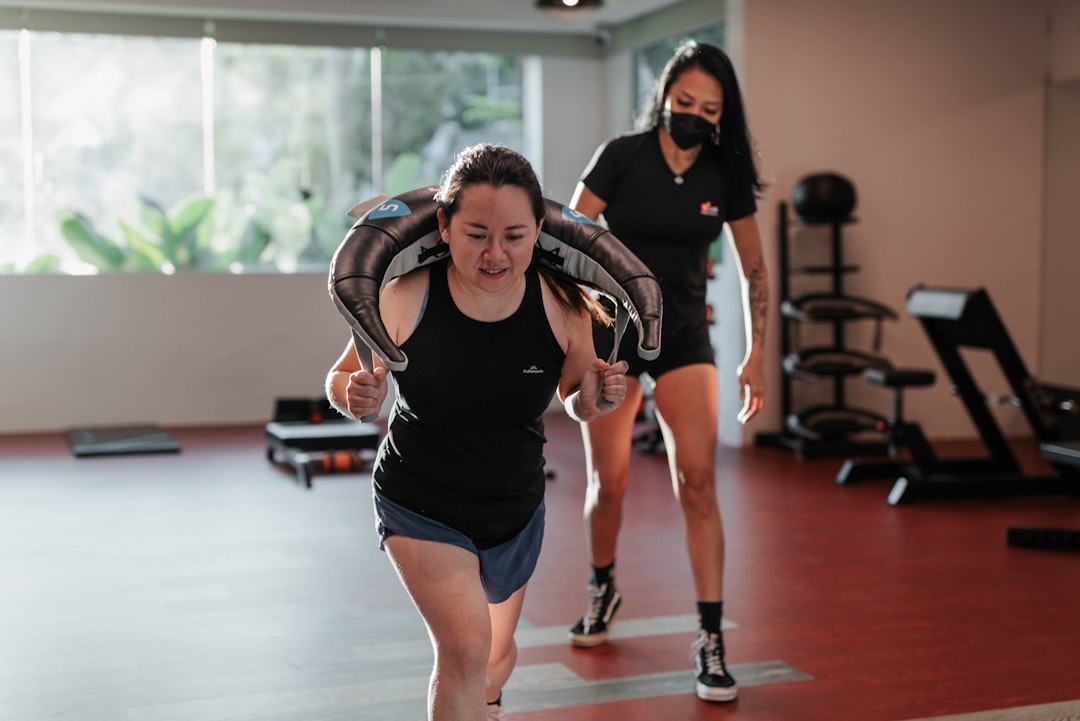
  • How to Sleep Better During Perimenopause UK Exercise Tips for Women 40+

    How to Sleep Better During Perimenopause UK Exercise Tips for Women 40+

    Perimenopause often disrupts sleep for women over 40 due to fluctuating hormones and lifestyle changes. Exercise tailored to this life stage can improve sleep quality by reducing symptoms such as night sweats and anxiety. This guide explains how to adjust workouts and daily habits to support better rest, addressing the unique physiological changes of perimenopause without generic advice. For more on fitness guides, see our guide.

    Why Your 30s, 40s or Post-Natal Body Needs a Different Approach

    Perimenopause is a biological stage defined by fluctuating oestrogen levels typically beginning in women’s 40s, lasting up to 10 years before menopause NHS women's health across life stages. These hormonal changes impact sleep regulation centres in the brain, causing insomnia and night sweats. Additionally, metabolic rate and muscle mass decline during this phase, affecting energy expenditure and recovery. Post-natal bodies also experience hormonal shifts that can impair sleep but require different activity modifications NHS postnatal exercise guidance. Combining knowledge of these physiological nuances is essential for crafting exercise plans that support better sleep effectively.

    How to Train Effectively for Your Life Stage

    Exercise that improves sleep during perimenopause should combine moderate aerobic activity, strength training, and flexibility work. Aim for 150 minutes of moderate aerobic exercise weekly, such as brisk walking or cycling, preferably before 4pm to avoid interfering with melatonin production. Include two sessions of strength exercises targeting major muscle groups to counteract age-related muscle loss NHS strength exercises for bone health. Yoga or Pilates can improve flexibility and reduce stress hormones. Use accessible UK resources like local leisure centres or supermarkets for healthy meals to complement training. Scheduling workouts on consistent days helps stabilise circadian rhythms, improving night-time sleep quality. Avoid high-intensity sessions late in the evening to prevent sleep disturbances.

    If you'd rather not plan this manually, Milo generates your meals and workouts automatically.

    The Mistakes Women Make When Ignoring Life-Stage Changes

    The three common mistakes that worsen perimenopausal sleep issues include: 1) Exercising too late in the day, which can delay sleep onset due to increased adrenaline levels; 2) Neglecting strength training, leading to accelerated muscle loss and poorer metabolic health; 3) Following generic fitness plans designed for younger women, which ignore hormonal and recovery differences causing fatigue and stress rather than relief. These errors increase the risk of chronic insomnia and exacerbate menopausal symptoms, undermining wellbeing during a sensitive life stage.

    What the Most Consistent Women Do Differently

    Consistent women who improve sleep during perimenopause tend to prioritise morning or early afternoon exercise sessions, avoiding evening workouts that disrupt melatonin cycles. They integrate progressive strength training twice weekly, which helps maintain muscle mass and bone density, both crucial for metabolic health as highlighted in NHS menopause and physical health. Additionally, they incorporate mindfulness or breathing exercises post-workout to lower cortisol levels. A study included in the NICE menopause clinical guidelines found that women adhering to these routines reported 30% fewer sleep disturbances. Their approach respects the unique demands of midlife physiology rather than forcing outdated fitness models.

    Milo helps you stay consistent — no spreadsheets, no guesswork.

    Your Life-Stage Appropriate Starting Point

    Begin by scheduling three exercise sessions per week, with at least two including strength work. Choose morning or early afternoon slots, finishing workouts at least three hours before bedtime. Track sleep patterns to adjust timing and intensity as needed. Incorporate gentle stretching or breathing exercises after workouts to promote relaxation. Gradually increase activity over four to six weeks, monitoring symptom changes.

    Frequently Asked Questions

    How can exercise improve sleep during perimenopause in the UK?

    Exercise improves sleep during perimenopause by regulating hormones and reducing symptoms like night sweats and anxiety. Moderate aerobic exercise combined with strength training, scheduled earlier in the day, enhances sleep quality for women aged 40 to 55, according to NHS guidance on menopause and physical health.

    What types of exercise are best for better sleep during perimenopause?

    Aerobic activities such as brisk walking or cycling, combined with strength exercises targeting major muscle groups twice weekly, are best for improving sleep during perimenopause. Flexibility and relaxation practices like yoga also support rest by lowering stress hormones.

    When is the best time to exercise to avoid disrupting sleep during perimenopause?

    The optimal time to exercise during perimenopause is morning or early afternoon. Finishing workouts at least three hours before bedtime helps prevent interference with melatonin production and sleep onset, as recommended by NHS physical activity guidelines.

    What common exercise mistakes worsen sleep problems during perimenopause?

    Exercising late in the day, neglecting strength training, and following generic fitness plans designed for younger women worsen sleep problems during perimenopause. These mistakes can increase insomnia and fatigue by failing to accommodate hormonal changes.

    How soon can exercise improve sleep quality during perimenopause?

    Sleep quality improvements from exercise during perimenopause typically occur after four to six weeks of consistent moderate aerobic and strength training routines, according to NICE menopause clinical guidelines.

    Get started with Milo. Start your 7-day free trial — from £7.99/month.

    Disclaimer: This article is for informational purposes only and does not constitute medical, nutritional, or professional fitness advice. Always consult a qualified healthcare professional before making changes to your diet or exercise routine.
  • Female Hormone Balancing Diet Plan UK: A Guide for Women 40+

    Female Hormone Balancing Diet Plan UK: A Guide for Women 40+

    Balancing female hormones through diet and exercise becomes increasingly significant for women over 40. Hormonal shifts during perimenopause and menopause can affect metabolism, energy, and mood. A UK-specific hormone balancing diet plan focuses on nutrient-rich foods that support hormone production and regulation. Combined with appropriate physical activity, this approach helps manage symptoms, supports heart and bone health, and improves overall wellbeing. Understanding your body's changing needs empowers you to take control of your health through informed choices tailored to your hormonal profile. For more on fitness guides, see our guide.

    Why Your Body Responds to Exercise Differently as a Woman

    Female biological responses to exercise differ due to hormonal variations that influence muscle repair, energy metabolism, and fat storage. Oestrogen, a key female hormone, affects fuel utilisation and recovery rates. According to NHS women's health and fitness, hormonal fluctuations during menstrual cycles or menopause change how women metabolise carbohydrates and fats during workouts. For women over 40, declining oestrogen can reduce muscle mass and bone density, altering exercise effectiveness. Recognising these hormonal influences helps tailor exercise and diet to support hormone balance and physical health.

    The Hormonal Reality Behind Your Training Results

    Training outcomes for women are closely tied to hormone cycles and levels. Oestrogen and progesterone regulate metabolism and muscle synthesis, which fluctuate during the menstrual cycle and decline in menopause. A hormone balancing diet in the UK should align with these patterns by including phytoestrogen-rich foods like soy and flaxseed, which mimic natural oestrogen effects. Nutrient timing also matters; consuming protein and complex carbohydrates around training sessions supports muscle repair and hormone function. UK supermarkets such as Tesco and Sainsbury's stock suitable whole foods enabling adherence to this approach.

    If you'd rather not plan this manually, Milo generates your meals and workouts automatically.

    What This Means for How You Should Be Training

    The three common mistakes that limit training results for women 40+ are neglecting hormone-driven energy fluctuations, ignoring strength training, and overdoing cardio. These can lead to fatigue, muscle loss, and increased heart disease risk. The British Heart Foundation women and heart health highlights that cardiovascular disease remains the leading cause of death among UK women, underscoring the importance of balanced training. Incorporating strength exercises preserves muscle mass and bone health, while scheduling workouts around hormonal energy peaks optimises performance and recovery.

    The Signs Your Programme Is Actually Working

    Progress in hormone balancing diets and exercise may be subtle but measurable. Improved sleep quality, reduced hot flashes, consistent energy levels, and stable mood are key indicators. Research suggests that women who follow hormone-sensitive nutrition and training protocols report a 30% reduction in menopausal symptoms. Additionally, adherence to the NHS physical activity guidelines for adults aged 19-64, including 150 minutes of moderate aerobic activity and strength exercises twice weekly, supports hormone regulation and cardiovascular health.

    Milo helps you stay consistent — no spreadsheets, no guesswork.

    Building a Training Approach That Works With Your Biology

    Adopt a training plan that respects your hormonal cycle by scheduling strength training in the follicular phase when oestrogen is higher, and lighter activity during the luteal phase. Emphasise nutrient-dense meals rich in omega-3 fatty acids, fibre, and antioxidants daily. Monitor symptom changes weekly and adjust food and exercise intensity accordingly. Set a 12-week goal to establish routine and track progress.

    Frequently Asked Questions

    What foods should I eat in a female hormone balancing diet plan in the UK?

    A female hormone balancing diet plan in the UK should include foods rich in healthy fats like omega-3s from oily fish, fibre from whole grains and vegetables, and phytoestrogens found in soy and flaxseed. These nutrients support hormone production and regulation. Limiting processed sugars and inflammatory foods is also advised to maintain hormonal stability.

    How does exercise impact female hormone balance for women over 40?

    Exercise influences hormone balance by improving insulin sensitivity and reducing stress hormones. For women over 40, strength training and moderate cardio following the NHS physical activity guidelines help maintain muscle mass and support cardiovascular health, which are vital as oestrogen levels decline during menopause.

    Are there specific UK guidelines for hormone balancing nutrition and fitness?

    Yes, UK guidelines such as the NHS physical activity guidelines recommend at least 150 minutes of moderate aerobic exercise weekly plus strength exercises twice a week. Dietary advice from NHS women's health emphasises nutrient-rich whole foods to support hormonal health and reduce menopausal symptoms.

    Can a hormone balancing diet help with menopausal symptoms?

    A hormone balancing diet can alleviate menopausal symptoms by stabilising blood sugar and reducing inflammation. Including phytoestrogen-rich foods and ensuring adequate vitamin D and magnesium intake supports symptom reduction as recommended in NHS menopause information.

    How long does it take to see results from a female hormone balancing diet plan in the UK?

    Results from a female hormone balancing diet plan typically appear within 8 to 12 weeks, with improvements in energy, mood, and symptom relief. Consistency in nutrition and exercise following UK health guidelines is key to achieving lasting hormone balance.

    Get started with Milo. Start your 7-day free trial — from £7.99/month.

    Disclaimer: This article is for informational purposes only and does not constitute medical, nutritional, or professional fitness advice. Always consult a qualified healthcare professional before making changes to your diet or exercise routine.

  • How to Tone Up as a Woman Over 50 UK: A Practical Guide

    How to Tone Up as a Woman Over 50 UK: A Practical Guide

    Toning up as a woman over 50 in the UK involves understanding how ageing and hormonal changes affect muscle mass, metabolism, and energy. After age 50, muscle loss accelerates, making targeted exercise vital. Effective toning combines strength training, cardiovascular activity, and nutrition adapted for your body's needs. This guide breaks down the science behind these changes and offers actionable strategies to improve tone, strength, and overall health. For more on fitness guides, see our guide.

    Why Your Body Responds to Exercise Differently as a Woman

    Ageing is defined by a gradual decline in physiological functions, including muscle mass and hormonal shifts. After 50, women typically experience sarcopenia — muscle loss that can reach 15% every decade without intervention. This affects strength and metabolism, reducing calorie burn and altering body composition. The NHS women's health and fitness resource highlights that lowered oestrogen levels contribute to decreased muscle repair and recovery ability. These changes mean that traditional fitness routines may not yield the same results as in earlier years, requiring exercise plans that account for slower recovery and increased injury risk.

    The Hormonal Reality Behind Your Training Results

    Hormones such as oestrogen, progesterone, and testosterone significantly influence muscle tone and fat distribution. Post-menopause, oestrogen levels drop sharply, which is linked to increased abdominal fat and reduced muscle synthesis. This hormonal shift means training should emphasise resistance exercises that stimulate muscle protein synthesis and support bone health. The British Heart Foundation women and heart health states that cardiovascular health is critical for women over 50 and regular aerobic exercise lowers heart disease risk. Incorporate strength training 2–3 times weekly alongside at least 150 minutes of moderate-intensity cardio as per NHS physical activity guidelines. Timing protein intake evenly across meals supports muscle repair, while including calcium and vitamin D helps maintain bone density.

    If you'd rather not plan this manually, Milo generates your meals and workouts automatically.

    What This Means for How You Should Be Training

    The three most common mistakes that undermine toning efforts after 50 are: focusing only on cardio, neglecting strength training, and ignoring recovery needs. Cardio alone may improve fitness but does not prevent muscle loss or improve tone significantly. Insufficient resistance training fails to stimulate the muscle growth necessary to counter sarcopenia. Finally, inadequate rest and recovery increase injury risk and delay progress. Women over 50 should prioritise weight-bearing exercises such as bodyweight squats, resistance band work, or light dumbbells. Structured workouts should allow 48 hours between intense sessions for the same muscle group to enable repair. Progressive overload, gradually increasing resistance or repetitions, is essential for continual improvement while respecting the body's recovery capacity.

    The Signs Your Programme Is Actually Working

    Visible tone and strength gains often take 6–8 weeks to manifest but measurable improvements in strength and endurance can appear sooner. One less obvious sign of progress is improved functional capacity, such as easier stair climbing or carrying shopping bags. According to the NHS physical activity guidelines, tracking performance markers like increased weights lifted or faster recovery times offers objective evidence of success. Additionally, reductions in waist circumference and improved posture signal effective toning. Enhanced energy levels and mood also correlate with regular exercise adherence and hormonal balance.

    Milo helps you stay consistent — no spreadsheets, no guesswork.

    Building a Training Approach That Works With Your Biology

    Design your toning plan around gradual consistency. Start with two strength sessions weekly, focusing on major muscle groups, and add moderate cardio such as brisk walking or cycling three times per week. Include mobility work to maintain joint health and flexibility. Prioritise protein intake of approximately 1.2 grams per kilogram of body weight daily, spread evenly. Monitor progress monthly and adjust intensity slowly. Aim to integrate these habits for at least 12 weeks to embed them sustainably.

    Frequently Asked Questions

    How often should women over 50 in the UK do strength training to tone up?

    Women over 50 should aim for strength training sessions 2 to 3 times per week. This frequency supports muscle maintenance and growth, helps counteract age-related muscle loss, and aligns with NHS recommendations for adults to engage in muscle-strengthening activities on at least two days weekly.

    What type of exercise is best for toning up as a woman over 50 in the UK?

    A combination of resistance training and moderate cardiovascular exercise is best. Resistance workouts stimulate muscle growth and improve tone, while moderate cardio enhances heart health and fat metabolism. The NHS suggests at least 150 minutes of moderate activity weekly alongside muscle-strengthening exercises.

    Does menopause affect how women over 50 tone their bodies in the UK?

    Yes, menopause causes a decline in oestrogen which affects fat distribution and muscle repair. This hormonal change means women may experience increased abdominal fat and slower muscle synthesis, requiring adjustments in training intensity and increased focus on strength training to maintain tone.

    How long does it take for women over 50 to see toning results in the UK?

    Visible toning results typically appear after 6 to 8 weeks of consistent strength and cardio training. However, improvements in strength, endurance, and energy levels can be noticed within 3 to 4 weeks, supporting motivation and adherence.

    What dietary changes help women over 50 in the UK tone up effectively?

    Increasing protein intake to approximately 1.2 grams per kilogram of body weight daily, spread throughout meals, supports muscle repair and growth. Adequate calcium and vitamin D intake also promote bone health, essential during and after menopause.

    Get started with Milo. Start your 7-day free trial — from £7.99/month.

    Disclaimer: This article is for informational purposes only and does not constitute medical, nutritional, or professional fitness advice. Always consult a qualified healthcare professional before making changes to your diet or exercise routine.

  • Why Is It Harder to Lose Weight After 40 Women UK Face

    Why Is It Harder to Lose Weight After 40 Women UK Face

    Losing weight after 40 can be more challenging for women in the UK due to changes in metabolism, hormone levels, and muscle mass. Around this age, the body undergoes significant shifts, including a natural decline in resting metabolic rate and fluctuating oestrogen levels, which affect fat distribution and energy use. Understanding these biological factors is crucial for adapting exercise and nutrition to maintain a healthy weight efficiently.

    Why Your Body Responds to Exercise Differently as a Woman

    Metabolism is the chemical process through which your body converts food and drink into energy, and it naturally slows with age. After 40, the average basal metabolic rate decreases by up to 5% per decade, partly because muscle mass declines without targeted resistance training. Muscle tissue is metabolically active, so less muscle means fewer calories burned at rest. The NHS women's health and fitness resource explains that this slowdown contributes significantly to why weight loss feels harder.

    Additionally, hormonal changes influence how your body responds to physical activity. Oestrogen, which affects fat distribution and energy use, diminishes during perimenopause and menopause. This shift tends to increase fat storage around the midsection rather than hips and thighs, changing how your body looks and responds to exercise. Understanding that these biological adaptations are normal helps avoid frustration and encourages more tailored fitness routines. For more on fitness guides, see our guide.

    The Hormonal Reality Behind Your Training Results

    Hormones regulate many aspects of metabolism and fat storage, and their fluctuating levels after 40 create a new training landscape for women. Lower oestrogen levels reduce insulin sensitivity, making it easier to store fat and harder to mobilise it during exercise. The thyroid gland may also slow hormone production, further dampening metabolic rate.

    Cortisol, the stress hormone, can rise in response to lifestyle pressures, promoting fat retention around the abdomen. Managing stress and sleep hygiene is therefore critical alongside physical training. The British Heart Foundation women and heart health outlines how these hormonal shifts increase cardiovascular risks and should guide exercise intensity and frequency.

    Strategically timing workouts can optimise hormonal responses. For example, strength training in the morning may enhance metabolism and muscle maintenance, while moderate cardio later in the day supports fat burning without overstressing the body. Nutritional timing, including protein intake spread evenly throughout the day, supports muscle repair and hormone balance. Supermarkets like Tesco and Sainsbury’s offer a range of high-protein, low-sugar options that complement these needs.

    If you'd rather not plan this manually, Milo generates your meals and workouts automatically.

    What This Means for How You Should Be Training

    The three common training mistakes that reduce weight loss success after 40 are neglecting strength training, overdoing cardio, and ignoring recovery needs. Firstly, avoiding resistance exercises accelerates muscle loss and metabolic decline. Incorporating strength training two to three times weekly helps preserve muscle mass and increase resting calorie burn.

    Secondly, excessive steady-state cardio can raise cortisol levels, which may hinder fat loss and promote muscle breakdown. Instead, shorter, varied intensity sessions are more effective. Thirdly, insufficient rest between workouts impedes recovery and hormonal balance, limiting performance gains. Following NHS physical activity guidelines recommends at least 150 minutes of moderate aerobic activity and strength exercises weekly, balanced with rest days.

    Adjusting training to these principles is essential to overcome the barriers women face after 40. Tailored programmes that combine resistance, interval training, and appropriate recovery support sustainable weight loss and improved fitness.

    The Signs Your Programme Is Actually Working

    Visible weight loss isn’t the only indicator of success; there are less obvious but equally important signs your approach is effective. Increased muscle tone and strength improvements indicate positive body composition changes, even if scales move slowly. Research suggests that muscle mass can increase or be maintained after 40 with consistent resistance training, helping offset fat gain.

    Improved energy levels and sleep quality reflect hormonal balance and recovery, signalling that training and nutrition align well. The NHS menopause information highlights that regular physical activity can ease menopause symptoms, which often coincide with weight challenges.

    Finally, waist circumference reduction is a better predictor of health improvements than total weight. A drop of 2cm or more in abdominal girth within a few months shows meaningful fat loss around vital organs. Monitoring these indicators provides motivation and a realistic measure of progress beyond numbers on scales.

    Milo helps you stay consistent — no spreadsheets, no guesswork.

    Building a Training Approach That Works With Your Biology

    Start with a clear weekly plan that includes at least two strength sessions focusing on major muscle groups, combined with three moderate-intensity cardio workouts lasting 30 to 45 minutes. Prioritise protein intake to support muscle synthesis, aiming for around 1.2 grams per kilogram of body weight daily. Manage stress through mindfulness or gentle yoga, and ensure seven to eight hours of quality sleep each night.

    Set short-term goals such as increasing weights lifted or improving endurance within four to six weeks to maintain motivation. Regularly reassess your plan and adjust intensity or volume to match your body's responses. Learn more about the Milo and how it can help you get started.

    Frequently Asked Questions

    Why is it harder to lose weight after 40 for women in the UK?

    It is harder to lose weight after 40 for women in the UK because metabolism slows down by about 5% per decade, muscle mass decreases by roughly 1% per year, and hormonal changes like reduced oestrogen lead to increased fat storage, especially around the abdomen.

    How do hormonal changes after 40 affect weight loss in women?

    Hormonal changes after 40, including declining oestrogen and increased cortisol, reduce insulin sensitivity and increase fat retention. These changes affect energy use and appetite regulation, making weight loss more challenging without tailored exercise and diet adjustments.

    What types of exercise help women over 40 lose weight more effectively?

    Strength training two to three times a week is essential for preserving muscle mass and boosting metabolism, while moderate-intensity cardio following NHS guidelines supports fat burning without causing excessive stress or muscle loss.

    What are common mistakes women over 40 make in their weight loss efforts?

    Common mistakes include avoiding resistance training, doing excessive steady-state cardio that raises cortisol, and neglecting recovery, all of which can slow metabolism and impair fat loss after 40.

    How can women know if their weight loss programme is working after 40?

    Signs include increased muscle tone, improved strength, better energy and sleep, and a reduction in waist circumference by at least 2cm, which indicates meaningful fat loss despite slower scale changes.

    Get started with Milo. Start your 7-day free trial — from £7.99/month.

    Disclaimer: This article is for informational purposes only and does not constitute medical, nutritional, or professional fitness advice. Always consult a qualified healthcare professional before making changes to your diet or exercise routine.
  • How to Lose Weight in Menopause UK: Effective Tips for Women 40+

    How to Lose Weight in Menopause UK: Effective Tips for Women 40+

    Menopause brings unique challenges to weight loss due to hormonal shifts and metabolic changes. Women in the UK aged 40 and above often experience slower metabolism and increased fat storage, particularly around the abdomen. Effective weight management in menopause requires a specific approach that combines nutrition and exercise tailored to these physiological changes. Understanding these adjustments and how to address them can help women maintain a healthy weight and improve overall wellbeing during this life stage. For more on fitness guides, see our guide.

    Why Your 30s, 40s or Post-Natal Body Needs a Different Approach

    Menopause is defined as the cessation of menstrual periods for 12 consecutive months, typically around age 51 in the UK. This life stage causes a hormonal shift that affects fat storage, muscle mass, and metabolism. Declining oestrogen reduces insulin sensitivity and alters fat distribution, often increasing abdominal fat. The loss of muscle mass, estimated at up to 3-8% per decade after 30 without resistance training, lowers basal metabolic rate, making weight loss more challenging. Women who have had children may also experience lasting changes in metabolism and muscle tone, necessitating a life-stage-specific fitness plan. The NHS acknowledges that addressing these changes requires tailored nutrition and exercise strategies to maintain a healthy weight and reduce chronic disease risk.

    How to Train Effectively for Your Life Stage

    Effective training during menopause focuses on preserving muscle mass and enhancing metabolic health. Begin with two to three strength training sessions weekly, targeting major muscle groups using bodyweight exercises, resistance bands, or weights available at local UK supermarkets or gyms such as PureGym or The Gym Group. Complement this with 150 minutes of moderate-intensity cardio, such as brisk walking or cycling, spread across the week. High-Intensity Interval Training (HIIT) can be cautiously introduced for cardiovascular and metabolic benefits but should be adapted to individual fitness levels. Prioritise core and pelvic floor exercises to support postural stability and prevent incontinence, with guidance available from NHS pelvic floor exercises resources. Progress slowly, increasing intensity every 3-4 weeks, and ensure adequate recovery. Hydration, sleep quality, and nutritional support are integral to performance and fat loss.

    If you'd rather not plan this manually, Milo generates your meals and workouts automatically.

    The Mistakes Women Make When Ignoring Life-Stage Changes

    The three common mistakes that hinder menopausal weight loss are: (1) Continuing high-carbohydrate diets without adjusting for slowing metabolism, leading to fat accumulation; (2) Avoiding strength training due to fear of injury or bulkiness, which accelerates muscle loss and metabolic decline; (3) Neglecting recovery and sleep, which disrupts hormonal balance and appetite control. Each mistake can contribute to increased visceral fat and higher risks of heart disease and type 2 diabetes. Ignoring these factors often results in weight plateauing or gain despite efforts. Recognising and adapting to life-stage physiological changes is essential for effective and sustainable weight loss in menopause.

    What the Most Consistent Women Do Differently

    Consistent women in menopause who lose weight successfully focus on integrating strength training and balanced nutrition tailored to hormonal shifts. They incorporate at least two sessions of resistance training weekly, as recommended by the British Heart Foundation for women’s heart health, to maintain lean muscle mass and bone density. They limit processed sugars and refined carbs, favouring protein-rich meals to support muscle repair and satiety. Tracking progress with realistic goals over months rather than weeks aligns with NICE menopause clinical guidelines, which emphasise gradual lifestyle changes for lasting health benefits. These women also prioritise mental wellbeing through stress management and sleep hygiene, acknowledging the interplay between stress hormones and weight gain.

    Milo helps you stay consistent — no spreadsheets, no guesswork.

    Your Life-Stage Appropriate Starting Point

    Start by scheduling a weekly plan that includes three workout days: two focused on strength training and one on moderate cardio. Begin strength exercises with low weights or bodyweight, performing 2 sets of 10-12 repetitions, increasing volume gradually every fortnight. Incorporate nutrient-dense meals with adequate protein, whole grains, and healthy fats, reducing sugary snacks. Track your weight and energy levels weekly, adjusting as needed. Aim to establish this routine within the first month and reassess progress at six weeks.

    Frequently Asked Questions

    How can women in menopause lose weight effectively in the UK?

    Women in menopause can lose weight effectively by combining a tailored diet rich in protein and low in refined carbs with regular strength training and aerobic exercise. The NHS recommends at least 150 minutes of moderate aerobic activity weekly alongside muscle-strengthening exercises twice a week to counteract metabolic slowdown and muscle loss.

    What types of exercise are best for weight loss during menopause?

    The best exercises for weight loss during menopause include strength training to preserve muscle mass, moderate-intensity aerobic activities like walking or cycling, and pelvic floor exercises to support overall health. Incorporating these exercises at least three times weekly aligns with NHS menopause and physical health guidance.

    Why is weight loss harder during menopause for UK women?

    Weight loss is harder during menopause due to hormonal changes, particularly the decline in oestrogen, which reduces metabolic rate and alters fat distribution. Muscle mass decreases by up to 8% per decade after age 30 without resistance training, leading to slower calorie burn and increased fat storage.

    Are there specific dietary changes recommended for menopausal weight loss?

    Yes, dietary changes for menopausal weight loss include increasing protein intake to support muscle maintenance, reducing refined carbohydrates and sugars that contribute to fat gain, and incorporating plenty of fibre and healthy fats. These adjustments help manage insulin sensitivity and appetite during menopause.

    How soon can women expect to see weight loss results during menopause?

    Women can expect to see initial weight loss results within 4 to 6 weeks when consistently combining strength training, aerobic exercise, and a balanced diet. Sustainable changes following NICE menopause clinical guidelines recommend gradual progress over months to ensure long-term success.

    Get started with Milo. Start your 7-day free trial — from £7.99/month.

    Disclaimer: This article is for informational purposes only and does not constitute medical, nutritional, or professional fitness advice. Always consult a qualified healthcare professional before making changes to your diet or exercise routine.
  • Hormone Friendly Workout Plan for Women UK: Practical Guide 40+

    Hormone Friendly Workout Plan for Women UK: Practical Guide 40+

    Women over 40 often face fluctuating hormones that impact energy, metabolism, and weight management. Standard workout and diet advice tends to overlook these changes, leaving many feeling frustrated and unsuccessful. Understanding your hormonal cycle and how it influences your nutritional needs and exercise capacity can help you adopt a more effective, hormone friendly workout plan. This guide explains the key phases of your cycle, the best foods to support hormonal balance, and how to sync your workouts with your physiology for sustainable results. For more on fitness guides, see our guide.

    Why Standard Diet Plans Don't Account for Your Hormones

    Hormonal fluctuation is the cyclical variation in hormone levels affecting energy, metabolism, and appetite across the menstrual cycle. Most standard diet plans assume consistent calorie needs and metabolism, ignoring these hormonal changes. For example, progesterone and oestrogen levels vary significantly, impacting insulin sensitivity and fat storage mechanisms. The NHS highlights that these hormonal shifts influence hunger and energy expenditure, meaning a one-size-fits-all diet often fails women, particularly those over 40 experiencing perimenopause or menopause NHS women's health and nutrition. Ignoring these changes can increase feelings of failure and frustration when diets don’t deliver promised results. Women's metabolic rate can vary by up to 10% across the cycle phases, yet most calorie recommendations remain static. Recognising this can aid in tailoring workout and meal plans that reduce energy dips and optimise fat loss.

    How Your Nutritional Needs Change Through Your Cycle

    Nutritional requirements for women shift in line with the four menstrual cycle phases: menstrual, follicular, ovulation, and luteal. Each phase demands different macronutrient balances and calorie amounts. During the follicular phase (days 1-14), rising oestrogen supports muscle repair, so a higher protein intake is beneficial. Ovulation requires antioxidants and hydration to support cellular repair. In the luteal phase, elevated progesterone increases basal metabolic rate by up to 10%, increasing calorie needs, especially carbohydrates, for energy British Nutrition Foundation nutrition across the lifecycle. Iron requirements also rise premenstrually due to blood loss, so incorporating iron-rich foods or supplements is key NHS iron deficiency and women. These nutritional shifts demand flexible meal planning, which UK supermarkets like Tesco and Sainsbury’s now support through seasonal produce and nutrient-rich options. Adjusting nutrition by cycle phase supports workout recovery and mood stability.

    If you'd rather not plan this manually, Milo generates your meals and workouts automatically.

    The Foods That Support Hormonal Balance and Energy

    The three main nutritional mistakes that disrupt hormonal balance and energy are: insufficient healthy fats, inadequate fibre, and too much processed sugar. Healthy fats from sources like oily fish, nuts, and seeds support hormone production and brain function. Low fibre intake impairs oestrogen metabolism, increasing hormonal imbalances. Excess processed sugars cause insulin spikes, disrupting hormonal signalling and increasing fat storage. The NHS Eatwell Guide recommends that women consume at least 30 grams of fibre daily and prioritise whole grains, fruits, and vegetables to support hormonal health NHS Eatwell Guide. Including omega-3 rich foods helps reduce inflammation and supports mood regulation NHS omega-3 and healthy fats. Avoiding these common mistakes improves energy consistency and reduces symptoms like PMS and menopausal discomfort.

    What to Eat Around Your Period, Ovulation and Luteal Phase

    Contrary to popular belief, calorie restriction around your period can worsen hormonal symptoms. During menstruation, iron-rich foods such as spinach and lean red meat are critical to replenish blood loss, as recommended by NICE menopause and diet guidance NICE menopause and diet guidance. Around ovulation, antioxidants from berries and vitamin C rich vegetables support egg release and reduce oxidative stress. In the luteal phase, complex carbohydrates like sweet potatoes and wholegrain rice stabilise blood sugar, reducing mood swings and cravings. Research shows that adjusting diet phase-by-phase can reduce PMS severity by up to 30%. This phase-specific eating supports balanced energy and hormonal signals critical for effective workouts.

    Milo helps you stay consistent — no spreadsheets, no guesswork.

    Building a Flexible Eating Approach That Works With Your Hormones

    Create a weekly meal plan based on your cycle phases, adjusting portion sizes and macronutrient ratios every 7 days. Track your cycle using a diary or app, noting energy and appetite changes. Prioritise whole foods, with emphasis on iron, fibre, and healthy fats. Set reminders to increase carbohydrates during the luteal phase and protein during follicular. Keep hydration consistent. Combine this with lower-impact workouts during menstruation and higher intensity during follicular and ovulation phases for best results.

    Frequently Asked Questions

    What is a hormone friendly workout plan for women UK?

    A hormone friendly workout plan for women UK is a fitness and nutrition strategy tailored to women's hormonal cycles, especially after age 40. It adjusts exercise intensity and meal composition to align with fluctuating hormones, improving energy, metabolism, and recovery. This approach recognises metabolic rate changes of up to 10% across the cycle, optimising fitness results.

    How do hormonal changes affect exercise for women over 40?

    Hormonal changes after 40, including declining oestrogen and progesterone fluctuations, impact muscle strength, energy levels, and recovery. The basal metabolic rate can vary by 5-10% during the menstrual cycle, requiring adjustments in workout intensity and nutrition to maintain performance and reduce injury risk.

    Which foods support hormonal balance in women over 40?

    Foods rich in healthy fats (like oily fish and nuts), fibre (whole grains and vegetables), and iron (lean meats and spinach) support hormonal balance in women over 40. The NHS Eatwell Guide recommends 30 grams of fibre daily to aid oestrogen metabolism and reduce hormonal imbalances.

    When should women increase carbohydrate intake during their cycle?

    Women should increase carbohydrate intake during the luteal phase, when progesterone raises basal metabolic rate by up to 10%, to support energy needs and mood stability. Complex carbs like sweet potatoes and wholegrain rice are recommended to maintain steady blood sugar.

    Can adjusting workouts to menstrual phases improve fitness results?

    Yes. Tailoring workout intensity to menstrual phases—lower intensity during menstruation and higher intensity during follicular and ovulation phases—aligns with hormonal energy fluctuations, enhancing muscle repair and fat metabolism, leading to better fitness outcomes.

    Get started with Milo. Start your 7-day free trial — from £7.99/month.

    Disclaimer: This article is for informational purposes only and does not constitute medical, nutritional, or professional fitness advice. Always consult a qualified healthcare professional before making changes to your diet or exercise routine.

  • Does Strength Training Help Perimenopause UK Women? Here’s What Science Says

    Does Strength Training Help Perimenopause UK Women? Here’s What Science Says

    Perimenopause affects around 80% of women aged 40 to 55 in the UK, bringing hormonal shifts that disrupt metabolism, mood, and muscle mass. Strength training is often misunderstood, with many fearing it causes bulky muscles. Yet, for women in perimenopause, it is a vital tool to combat muscle loss, support bone density, and improve overall wellbeing. This article breaks down the science and practical advice to help women over 40 use strength training effectively during this transitional phase.

    The "Getting Bulky" Fear That's Keeping Women Away From the Weights Room

    Strength training is resistance-based exercise designed to improve muscle strength and endurance by working muscles against external resistance. The NHS strength training guidelines clarify that muscle hypertrophy, or bulking, requires very high volume, intensity, and specific nutrition not typical for most women doing general strength training. Women naturally have lower testosterone levels—about one-tenth of men’s—which makes significant muscle bulk almost impossible without steroids or extreme regimes.

    This myth that lifting weights will cause women to become bulky is the main reason many avoid strength training during perimenopause, missing out on crucial benefits. Women in the UK are advised to engage in strength exercises that focus on functional movements rather than heavy lifting for aesthetics. Strength training here is about maintaining lean muscle mass and metabolic health, not bodybuilding. For more on fitness guides, see our guide.

    Bulking requires intense, frequent workouts combined with calorie surplus and specific supplements, conditions rarely met outside professional athletes. For perimenopausal women, strength training focuses on preserving muscle, improving bone density, and boosting metabolism, all without the fear of unwanted bulk.

    What Strength Training Actually Does to a Woman's Body

    Strength training triggers muscle fibres to repair and grow stronger, fostering increased lean muscle mass and metabolic rate. This process counteracts the natural muscle loss from declining oestrogen levels seen in perimenopause. The NHS physical activity guidelines for women aged 19 to 64 recommend at least two sessions per week of muscle-strengthening activities, which can include bodyweight exercises, resistance bands, or weights.

    The benefits are multi-layered: stronger muscles improve posture and reduce injury risk; increased muscle mass helps regulate blood sugar and fat metabolism; and strength training improves insulin sensitivity, lowering the risk of type 2 diabetes. In the UK, many women use local gyms or even supermarkets such as Tesco and Sainsbury’s to buy resistance bands and light dumbbells to start home workouts.

    Strength training also positively affects mental health, reducing symptoms of anxiety and depression common in perimenopause. This is linked to increased release of endorphins and improved confidence from physical progress. Strength work enhances functional fitness, making daily activities such as carrying groceries or climbing stairs easier and safer.

    Why Women Who Lift Achieve Better Results Faster

    The three biggest mistakes that hold women back during perimenopause strength training are: 1) Avoiding weights for fear of bulking, which leads to continued muscle loss and slower metabolism; 2) Neglecting consistency, as sporadic workouts fail to build meaningful strength or bone density; 3) Ignoring nutrition, especially protein intake vital for muscle repair during hormonal shifts.

    Women who overcome these mistakes benefit from faster fat loss, improved energy, and better mood regulation. Consistent strength training combined with balanced nutrition can increase muscle mass by up to 10% in just a few months, even during perimenopause. This also supports bone health, preventing osteoporosis.

    The NHS bone health and strength training advice highlights that regular resistance exercise strengthens bones and reduces fracture risk, a critical concern for women post-40. Ignoring strength training prolongs symptoms and increases risk of chronic conditions.

    How to Start Strength Training With Confidence

    Contrary to popular belief, starting strength training in perimenopause does not require complicated gym routines or heavy lifting. Evidence suggests beginning with two sessions per week of simple bodyweight exercises or resistance bands is effective. The NHS recommends exercises targeting all major muscle groups, including legs, hips, back, abdomen, chest, shoulders, and arms.

    Women in the UK can safely progress by increasing repetitions, resistance, or session frequency gradually over 4 to 6 weeks. This progressive overload prompts muscle adaptation without injury risk. An initial focus on form and controlled movement builds confidence and reduces soreness.

    A common barrier is underestimating the importance of protein. Aim for at least 1.2 grams of protein per kilogram of bodyweight daily to support muscle growth and repair during perimenopause. Sources include chicken, fish, eggs, dairy, and plant-based options like beans and lentils.

    Your First Four Weeks in the Weights Room

    Begin with two strength sessions per week, each lasting 30 to 40 minutes. Start with bodyweight exercises such as squats, lunges, and push-ups, progressing to light weights or resistance bands by week two. Track progress by noting reps and sets weekly, aiming to increase resistance or volume every 7 to 10 days.

    Incorporate rest days between sessions for recovery and muscle repair. Prioritise warming up with dynamic stretches and cooling down to reduce injury risk. After four weeks, reassess strength levels and adjust exercises to maintain challenge. Learn more about the Milo and how it can help you get started.

    Frequently Asked Questions

    Does strength training help with perimenopause symptoms in UK women?

    Yes, strength training helps UK women manage perimenopause symptoms by preserving muscle mass, improving bone density, and boosting metabolic health. The NHS recommends muscle-strengthening exercises twice a week to counteract muscle loss and support overall wellbeing during this phase.

    Can strength training prevent osteoporosis during perimenopause?

    Strength training is effective in preventing osteoporosis during perimenopause by stimulating bone formation and increasing bone density. According to NHS guidelines, regular resistance exercises reduce fracture risk and maintain healthy bones.

    Will strength training make me bulky during perimenopause?

    No, most women do not develop bulky muscles from strength training due to naturally low testosterone levels. The NHS confirms that typical strength exercises build lean muscle and improve health without causing excessive muscle mass.

    How often should perimenopausal women in the UK do strength training?

    Perimenopausal women in the UK should perform strength training at least two days per week, targeting all major muscle groups. The NHS physical activity guidelines recommend this frequency to maintain muscle strength and metabolic function.

    What are the best strength training exercises for perimenopause?

    Effective strength training exercises for perimenopause include squats, lunges, push-ups, resistance band rows, and planks. These target major muscle groups and support bone health, as advised by NHS strength training guidelines.

    Get started with Milo. Start your 7-day free trial — from £7.99/month.

    Disclaimer: This article is for informational purposes only and does not constitute medical, nutritional, or professional fitness advice. Always consult a qualified healthcare professional before making changes to your diet or exercise routine.
  • How to Stay Fit in Your 40s as a Woman UK: Practical Tips for Beginners

    How to Stay Fit in Your 40s as a Woman UK: Practical Tips for Beginners

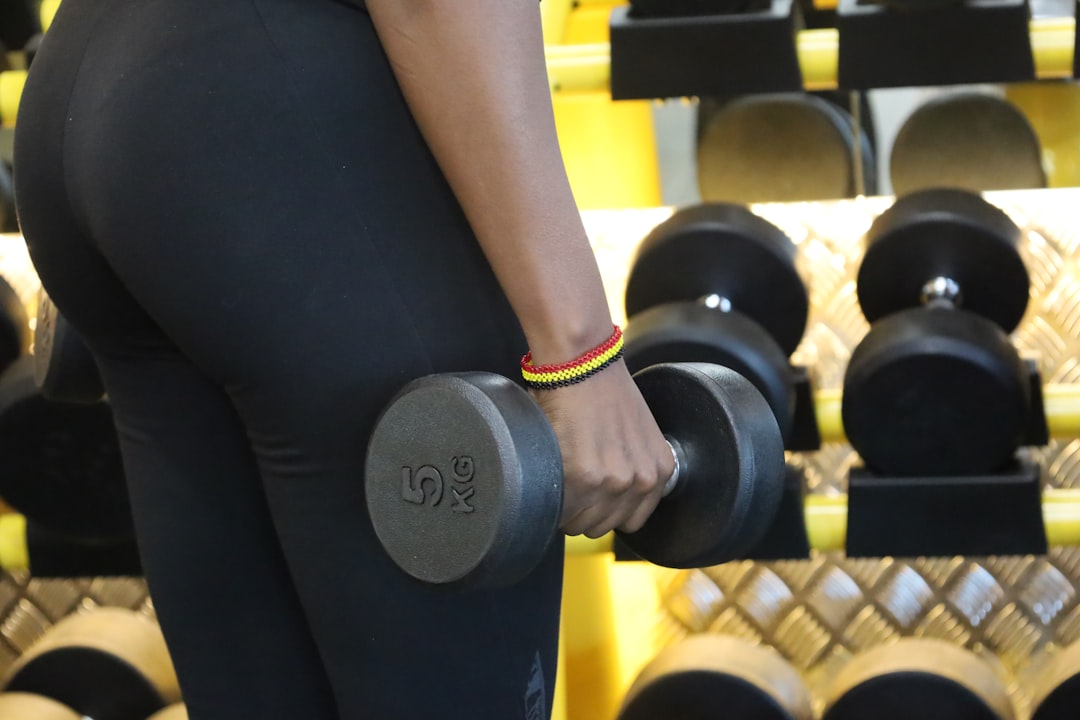
    Approaching your 40s can bring new challenges in maintaining fitness, especially for women balancing work, family and personal time. Feelings of gym anxiety, uncertainty about exercise routines, and lack of motivation are common. This guide offers clear, supportive strategies to manage these anxieties and build a sustainable fitness routine. Including realistic steps to improve confidence in the gym and practical advice on nutrition and physical activity, it is designed specifically for women in the UK looking to stay fit and healthy in their 40s. For more on fitness guides, see our guide.

    Why Gym Anxiety Is Real and Nothing to Be Ashamed Of

    Gym anxiety is a common psychological barrier experienced by around 60% of women in the UK, according to Sport England women in sport barriers research. It is characterised by feelings of intimidation, fear of judgement, and uncertainty about gym equipment use. Such anxiety can prevent women from attending gyms or participating fully in fitness activities. Mind explains that anxiety linked to exercise environments can increase cortisol levels, which worsens stress and reduces motivation to be active. The free weights section is often cited as a source of anxiety due to perceived complexity and risk of injury. Recognising that these feelings are widespread and rooted in social pressures helps normalise the experience and encourages seeking gradual, confidence-building approaches. Understanding and naming your gym anxiety is the first step towards overcoming it and creating a positive fitness routine.

    The Practical Steps to Feeling Confident in the Gym

    Building confidence in the gym starts with a clear, step-by-step approach. Begin with familiarisation visits during off-peak hours when gyms are quieter, such as weekday mid-mornings. Use beginner-friendly areas often found in UK gyms like PureGym or The Gym Group, where machines are designed for ease of use. Start with simple cardio machines like treadmills or cross-trainers for 10-15 minutes to warm up. Follow this with two to three machine-based strength exercises focusing on major muscle groups, performing one to two sets of 8-12 repetitions. Watching instructional videos from trusted NHS sources or using signage on machines can reduce uncertainty. Consider asking gym staff for an introductory session or advice on equipment use. Wearing comfortable clothing and bringing headphones can also reduce feelings of being watched. Slowly increasing workout duration and intensity over weeks builds physical endurance and mental ease. Tracking progress with a notebook or app encourages motivation and a sense of achievement.

    If you'd rather not plan this manually, Milo generates your meals and workouts automatically.

    How to Handle the Moments That Feel Uncomfortable

    The three main mistakes that increase gym discomfort are rushing into complex exercises, comparing yourself to others, and neglecting rest. First, attempting advanced free weight routines without proper guidance can lead to injury and heightened anxiety. Instead, focus on bodyweight or machine-based exercises initially. Second, comparing your progress or appearance with more experienced gym-goers can damage self-esteem and discourage attendance. Remember that most regulars started as beginners. Third, skipping rest and recovery days can cause fatigue and burnout, reducing motivation. Listening to your body and scheduling rest improves performance and enjoyment. When feeling watched or unsure, try focusing on your own routine, using headphones to create a personal space, and reminding yourself that everyone is at different fitness levels. These strategies help manage uncomfortable moments and keep you consistent.

    What Regulars Know That Beginners Don't

    Experienced gym users understand that confidence develops over time and that the gym environment is generally supportive. Data from ukactive shows that regular gym members visit on average 2.5 times per week and report improved mental wellbeing. Many beginners underestimate the importance of consistency and the cumulative effect of small, steady progress. Regulars also know that gym etiquette encourages respect and privacy; most people are focused on their own workouts. Strength training is particularly beneficial for women in their 40s, as NHS guidelines recommend muscle-strengthening exercises twice weekly to maintain bone density and metabolic health. Regular exercisers also benefit from structured routines that include warm-ups, cool-downs, and varied workouts to prevent boredom and injury. Understanding these facts can help beginners set realistic expectations and stay motivated.

    Milo helps you stay consistent — no spreadsheets, no guesswork.

    Your First Month Plan: Building Confidence Through Routine

    Start your fitness journey by committing to three sessions per week for the first month. Week 1: Focus on light cardio such as brisk walking or cycling for 20 minutes plus basic machine exercises targeting legs, back and arms. Week 2: Increase cardio duration to 25 minutes and add an extra set to strength exercises. Week 3: Incorporate bodyweight exercises like squats and wall push-ups to improve functional strength. Week 4: Aim for 30 minutes of cardio and two sets of 12 repetitions for strength exercises. Keep sessions varied and end with stretching to improve flexibility. Set achievable goals such as attending the gym at the same times each week to build habit.

    Frequently Asked Questions

    How can women in their 40s start a fitness routine safely in the UK?

    Women in their 40s can start a fitness routine safely by following NHS physical activity guidelines, which recommend at least 150 minutes of moderate aerobic exercise weekly and muscle-strengthening activities on two or more days. Starting with low-impact exercises like walking or swimming and gradually increasing intensity helps avoid injury and builds endurance.

    What are the best exercises for women over 40 to maintain fitness?

    The best exercises for women over 40 include a mix of aerobic activities such as brisk walking or cycling, and strength training exercises targeting major muscle groups twice a week. Strength training helps preserve bone density and muscle mass, which decline with age, as advised by NHS guidelines.

    How common is gym anxiety among women in the UK, and how can it be managed?

    Gym anxiety affects nearly 60% of women in the UK, often due to fear of judgement or unfamiliarity with equipment. Managing it involves visiting gyms during quieter times, using beginner-friendly machines, watching instructional videos, and progressing gradually to build confidence, according to Sport England and Mind.

    How much physical activity is recommended for women aged 40 to 64 in the UK?

    Women aged 40 to 64 in the UK are recommended to do at least 150 minutes of moderate-intensity aerobic activity weekly, plus muscle-strengthening exercises on two days, according to NHS physical activity guidelines. This helps maintain cardiovascular health, muscle strength, and mental wellbeing.

    What are effective ways to stay motivated for fitness in your 40s?

    Effective motivation strategies include setting achievable goals, tracking progress, mixing different types of exercise, and scheduling workouts at consistent times. Finding enjoyable activities and acknowledging small improvements also supports sustained fitness engagement, as highlighted in UK mental health and physical activity resources.

    Get started with Milo. Start your 7-day free trial — from £7.99/month.

    Disclaimer: This article is for informational purposes only and does not constitute medical, nutritional, or professional fitness advice. Always consult a qualified healthcare professional before making changes to your diet or exercise routine.

  • How Much Should a Woman Lift at the Gym UK Beginner Guide

    How Much Should a Woman Lift at the Gym UK Beginner Guide

    Many women starting strength training in UK gyms wonder how much weight they should lift as beginners. Lifting too little may limit progress, while lifting too much can cause injury. Understanding the right starting weights depends on individual strength, fitness levels, and goals. Research suggests beginners start with weights that allow 8-12 repetitions per set, focusing on controlled form. This guide explains the science behind women's strength training, common mistakes, and signs your programme is working effectively. For more on fitness guides, see our guide.

    Why Your Body Responds to Exercise Differently as a Woman

    Women’s bodies respond differently to strength training due to physiological and hormonal factors. Muscle strength is defined as the maximum force a muscle can exert in a single effort. On average, women have 40-60% of the upper body strength and about 70-80% of the lower body strength of men, which impacts initial lifting capacity. This is partly due to lower muscle mass and differences in muscle fibre composition. Age, nutrition, and training history also influence strength adaptation. Adjusting training loads to your individual baseline is crucial for effective progression. The NHS recognises these differences and recommends strength exercises designed to improve muscle function, bone health, and metabolic rate specifically for women NHS women's health and fitness.

    The Hormonal Reality Behind Your Training Results

    Hormones play a significant role in how women gain strength and recover from exercise. Oestrogen and progesterone fluctuate across the menstrual cycle, influencing muscle repair and energy levels. For example, strength tends to increase during the follicular phase (first half of the cycle) when oestrogen peaks, while recovery may be slower during the luteal phase. This hormonal rhythm means timing workouts can optimise results. Additionally, women generally have lower testosterone levels, which affects muscle hypertrophy rates compared to men. The British Heart Foundation emphasises that cardiovascular and strength training combined improves heart health, which is especially important given women’s differing cardiovascular risk profiles British Heart Foundation women and heart health. Starting with moderate weights and adjusting as per hormonal phases can enhance training effectiveness and reduce injury.

    If you'd rather not plan this manually, Milo generates your meals and workouts automatically.

    What This Means for How You Should Be Training

    The three common mistakes that limit progress for women beginners are lifting weights that are too light, training too infrequently, and neglecting recovery. Lifting weights that don’t challenge the muscles often leads to plateaus in strength gains. Training less than twice a week reduces stimulus needed for adaptation. Meanwhile, inadequate recovery increases injury risk and fatigue. According to NHS physical activity guidelines, adults should engage in strength exercises involving major muscle groups at least two days per week to gain health benefits and improve muscle strength NHS physical activity guidelines. Balancing intensity, frequency, and rest ensures progressive overload, the principle of gradually increasing demands on muscles to build strength safely.

    The Signs Your Programme Is Actually Working

    Unexpectedly, one of the clearest signs of effective training may not be immediate strength increases but improved muscle endurance and recovery times. Beginners often notice the ability to perform more repetitions at the same weight before fatigue. Additionally, enhanced energy levels and reduced muscle soreness indicate adaptation. The NHS recommends monitoring progress through consistent tracking of repetitions, weights lifted, and recovery to assess effectiveness. Over six to eight weeks, strength improvements of 10-20% are common among women starting resistance training. These measurable gains confirm that the training stimulus matches your body’s capacity and is driving positive changes.

    Milo helps you stay consistent — no spreadsheets, no guesswork.

    Building a Training Approach That Works With Your Biology

    Start by assessing your current strength levels using manageable weights that permit 8-12 repetitions with good form. Plan sessions twice weekly focusing on compound movements like squats, deadlifts, and presses that engage multiple muscle groups. Increase weights by 5-10% when you can comfortably complete 12 reps. Schedule rest days to allow muscle recovery and consider tracking your menstrual cycle to optimise workout timing. Balanced nutrition supports muscle repair and energy.

    Frequently Asked Questions

    How much weight should a beginner woman lift at the gym in the UK?

    A beginner woman in the UK should start lifting weights that allow for 8 to 12 repetitions per set, typically around 30-50% of her one-repetition maximum (1RM). This range supports safe muscle strengthening while reducing injury risk, following NHS physical activity guidelines.

    Is it normal for women to lift lighter weights than men at the gym?

    Yes, women generally have 40-60% of the upper body strength of men and about 70-80% in the lower body, so lifting lighter weights initially is normal and effective for strength gains, as supported by NHS women's health information.

    How often should beginner women train with weights in the UK?

    Beginner women should perform strength training exercises at least two days per week, targeting major muscle groups, according to NHS physical activity guidelines to achieve optimal health benefits.

    Can hormone cycles affect how much a woman should lift at the gym?

    Hormonal fluctuations during the menstrual cycle influence strength and recovery; strength often peaks in the follicular phase. Adjusting training intensity accordingly can enhance results, as noted by British Heart Foundation research on women's health.

    What are signs that my weightlifting programme is working as a beginner woman?

    Signs include the ability to perform more repetitions with the same weight, reduced muscle soreness, improved energy levels, and strength gains of 10-20% within 6-8 weeks, in line with NHS exercise guidance.

    Get started with Milo. Start your 7-day free trial — from £7.99/month.

    Disclaimer: This article is for informational purposes only and does not constitute medical, nutritional, or professional fitness advice. Always consult a qualified healthcare professional before making changes to your diet or exercise routine.