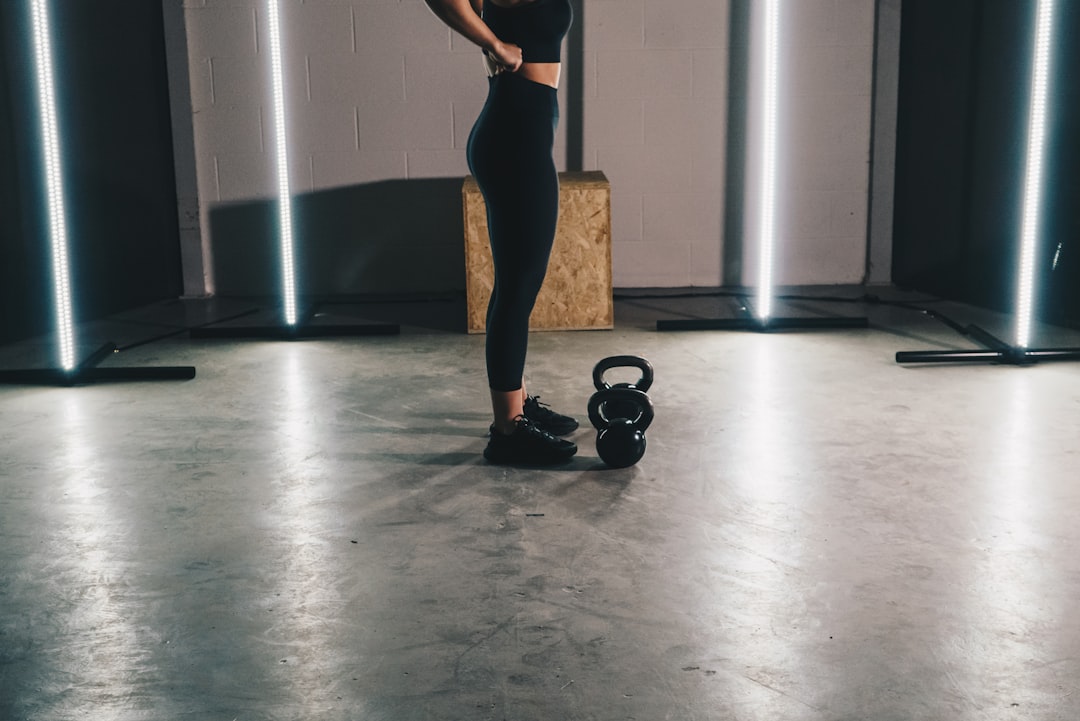
Perimenopause affects around 80% of women aged 40 to 55 in the UK, bringing hormonal shifts that disrupt metabolism, mood, and muscle mass. Strength training is often misunderstood, with many fearing it causes bulky muscles. Yet, for women in perimenopause, it is a vital tool to combat muscle loss, support bone density, and improve overall wellbeing. This article breaks down the science and practical advice to help women over 40 use strength training effectively during this transitional phase.
The "Getting Bulky" Fear That's Keeping Women Away From the Weights Room
Strength training is resistance-based exercise designed to improve muscle strength and endurance by working muscles against external resistance. The NHS strength training guidelines clarify that muscle hypertrophy, or bulking, requires very high volume, intensity, and specific nutrition not typical for most women doing general strength training. Women naturally have lower testosterone levels—about one-tenth of men’s—which makes significant muscle bulk almost impossible without steroids or extreme regimes.
This myth that lifting weights will cause women to become bulky is the main reason many avoid strength training during perimenopause, missing out on crucial benefits. Women in the UK are advised to engage in strength exercises that focus on functional movements rather than heavy lifting for aesthetics. Strength training here is about maintaining lean muscle mass and metabolic health, not bodybuilding. For more on fitness guides, see our guide.
Bulking requires intense, frequent workouts combined with calorie surplus and specific supplements, conditions rarely met outside professional athletes. For perimenopausal women, strength training focuses on preserving muscle, improving bone density, and boosting metabolism, all without the fear of unwanted bulk.
What Strength Training Actually Does to a Woman's Body
Strength training triggers muscle fibres to repair and grow stronger, fostering increased lean muscle mass and metabolic rate. This process counteracts the natural muscle loss from declining oestrogen levels seen in perimenopause. The NHS physical activity guidelines for women aged 19 to 64 recommend at least two sessions per week of muscle-strengthening activities, which can include bodyweight exercises, resistance bands, or weights.
The benefits are multi-layered: stronger muscles improve posture and reduce injury risk; increased muscle mass helps regulate blood sugar and fat metabolism; and strength training improves insulin sensitivity, lowering the risk of type 2 diabetes. In the UK, many women use local gyms or even supermarkets such as Tesco and Sainsbury’s to buy resistance bands and light dumbbells to start home workouts.
Strength training also positively affects mental health, reducing symptoms of anxiety and depression common in perimenopause. This is linked to increased release of endorphins and improved confidence from physical progress. Strength work enhances functional fitness, making daily activities such as carrying groceries or climbing stairs easier and safer.
Why Women Who Lift Achieve Better Results Faster
The three biggest mistakes that hold women back during perimenopause strength training are: 1) Avoiding weights for fear of bulking, which leads to continued muscle loss and slower metabolism; 2) Neglecting consistency, as sporadic workouts fail to build meaningful strength or bone density; 3) Ignoring nutrition, especially protein intake vital for muscle repair during hormonal shifts.
Women who overcome these mistakes benefit from faster fat loss, improved energy, and better mood regulation. Consistent strength training combined with balanced nutrition can increase muscle mass by up to 10% in just a few months, even during perimenopause. This also supports bone health, preventing osteoporosis.
The NHS bone health and strength training advice highlights that regular resistance exercise strengthens bones and reduces fracture risk, a critical concern for women post-40. Ignoring strength training prolongs symptoms and increases risk of chronic conditions.
How to Start Strength Training With Confidence
Contrary to popular belief, starting strength training in perimenopause does not require complicated gym routines or heavy lifting. Evidence suggests beginning with two sessions per week of simple bodyweight exercises or resistance bands is effective. The NHS recommends exercises targeting all major muscle groups, including legs, hips, back, abdomen, chest, shoulders, and arms.
Women in the UK can safely progress by increasing repetitions, resistance, or session frequency gradually over 4 to 6 weeks. This progressive overload prompts muscle adaptation without injury risk. An initial focus on form and controlled movement builds confidence and reduces soreness.
A common barrier is underestimating the importance of protein. Aim for at least 1.2 grams of protein per kilogram of bodyweight daily to support muscle growth and repair during perimenopause. Sources include chicken, fish, eggs, dairy, and plant-based options like beans and lentils.
Your First Four Weeks in the Weights Room
Begin with two strength sessions per week, each lasting 30 to 40 minutes. Start with bodyweight exercises such as squats, lunges, and push-ups, progressing to light weights or resistance bands by week two. Track progress by noting reps and sets weekly, aiming to increase resistance or volume every 7 to 10 days.
Incorporate rest days between sessions for recovery and muscle repair. Prioritise warming up with dynamic stretches and cooling down to reduce injury risk. After four weeks, reassess strength levels and adjust exercises to maintain challenge. Learn more about the Milo and how it can help you get started.
Frequently Asked Questions
Does strength training help with perimenopause symptoms in UK women?
Yes, strength training helps UK women manage perimenopause symptoms by preserving muscle mass, improving bone density, and boosting metabolic health. The NHS recommends muscle-strengthening exercises twice a week to counteract muscle loss and support overall wellbeing during this phase.
Can strength training prevent osteoporosis during perimenopause?
Strength training is effective in preventing osteoporosis during perimenopause by stimulating bone formation and increasing bone density. According to NHS guidelines, regular resistance exercises reduce fracture risk and maintain healthy bones.
Will strength training make me bulky during perimenopause?
No, most women do not develop bulky muscles from strength training due to naturally low testosterone levels. The NHS confirms that typical strength exercises build lean muscle and improve health without causing excessive muscle mass.
How often should perimenopausal women in the UK do strength training?
Perimenopausal women in the UK should perform strength training at least two days per week, targeting all major muscle groups. The NHS physical activity guidelines recommend this frequency to maintain muscle strength and metabolic function.
What are the best strength training exercises for perimenopause?
Effective strength training exercises for perimenopause include squats, lunges, push-ups, resistance band rows, and planks. These target major muscle groups and support bone health, as advised by NHS strength training guidelines.
Get started with Milo. Start your 7-day free trial — from £7.99/month.
Disclaimer: This article is for informational purposes only and does not constitute medical, nutritional, or professional fitness advice. Always consult a qualified healthcare professional before making changes to your diet or exercise routine.
Leave a Reply