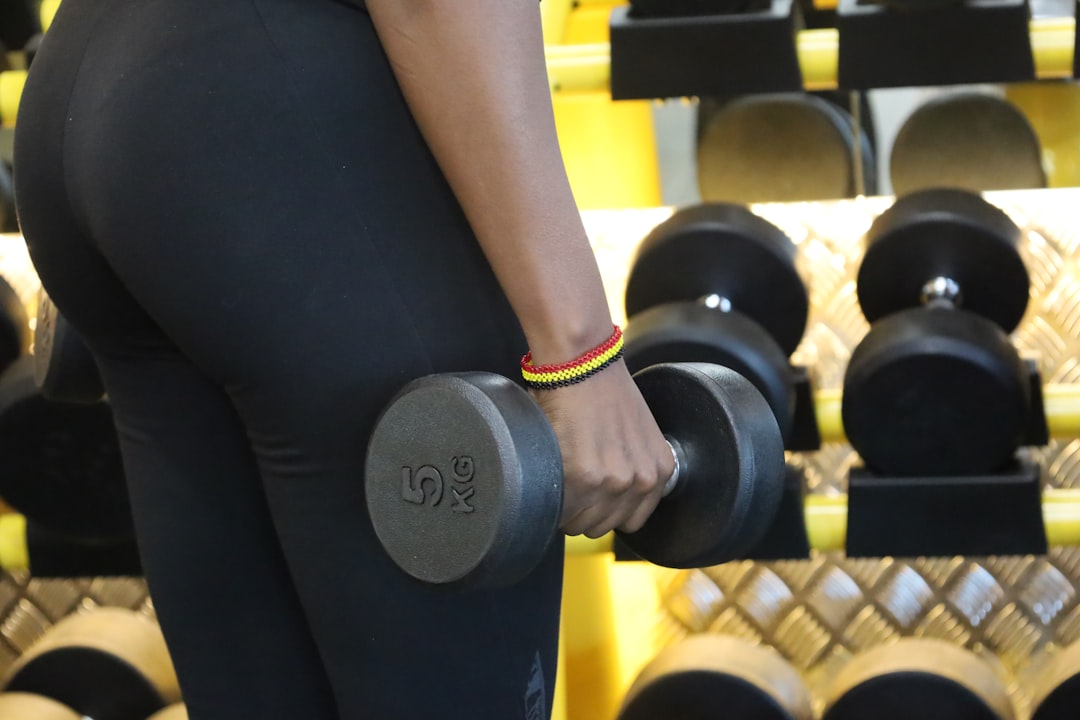
Many women starting strength training in UK gyms wonder how much weight they should lift as beginners. Lifting too little may limit progress, while lifting too much can cause injury. Understanding the right starting weights depends on individual strength, fitness levels, and goals. Research suggests beginners start with weights that allow 8-12 repetitions per set, focusing on controlled form. This guide explains the science behind women's strength training, common mistakes, and signs your programme is working effectively. For more on fitness guides, see our guide.
Why Your Body Responds to Exercise Differently as a Woman
Women’s bodies respond differently to strength training due to physiological and hormonal factors. Muscle strength is defined as the maximum force a muscle can exert in a single effort. On average, women have 40-60% of the upper body strength and about 70-80% of the lower body strength of men, which impacts initial lifting capacity. This is partly due to lower muscle mass and differences in muscle fibre composition. Age, nutrition, and training history also influence strength adaptation. Adjusting training loads to your individual baseline is crucial for effective progression. The NHS recognises these differences and recommends strength exercises designed to improve muscle function, bone health, and metabolic rate specifically for women NHS women's health and fitness.
The Hormonal Reality Behind Your Training Results
Hormones play a significant role in how women gain strength and recover from exercise. Oestrogen and progesterone fluctuate across the menstrual cycle, influencing muscle repair and energy levels. For example, strength tends to increase during the follicular phase (first half of the cycle) when oestrogen peaks, while recovery may be slower during the luteal phase. This hormonal rhythm means timing workouts can optimise results. Additionally, women generally have lower testosterone levels, which affects muscle hypertrophy rates compared to men. The British Heart Foundation emphasises that cardiovascular and strength training combined improves heart health, which is especially important given women’s differing cardiovascular risk profiles British Heart Foundation women and heart health. Starting with moderate weights and adjusting as per hormonal phases can enhance training effectiveness and reduce injury.
If you'd rather not plan this manually, Milo generates your meals and workouts automatically.
What This Means for How You Should Be Training
The three common mistakes that limit progress for women beginners are lifting weights that are too light, training too infrequently, and neglecting recovery. Lifting weights that don’t challenge the muscles often leads to plateaus in strength gains. Training less than twice a week reduces stimulus needed for adaptation. Meanwhile, inadequate recovery increases injury risk and fatigue. According to NHS physical activity guidelines, adults should engage in strength exercises involving major muscle groups at least two days per week to gain health benefits and improve muscle strength NHS physical activity guidelines. Balancing intensity, frequency, and rest ensures progressive overload, the principle of gradually increasing demands on muscles to build strength safely.
The Signs Your Programme Is Actually Working
Unexpectedly, one of the clearest signs of effective training may not be immediate strength increases but improved muscle endurance and recovery times. Beginners often notice the ability to perform more repetitions at the same weight before fatigue. Additionally, enhanced energy levels and reduced muscle soreness indicate adaptation. The NHS recommends monitoring progress through consistent tracking of repetitions, weights lifted, and recovery to assess effectiveness. Over six to eight weeks, strength improvements of 10-20% are common among women starting resistance training. These measurable gains confirm that the training stimulus matches your body’s capacity and is driving positive changes.
Milo helps you stay consistent — no spreadsheets, no guesswork.
Building a Training Approach That Works With Your Biology
Start by assessing your current strength levels using manageable weights that permit 8-12 repetitions with good form. Plan sessions twice weekly focusing on compound movements like squats, deadlifts, and presses that engage multiple muscle groups. Increase weights by 5-10% when you can comfortably complete 12 reps. Schedule rest days to allow muscle recovery and consider tracking your menstrual cycle to optimise workout timing. Balanced nutrition supports muscle repair and energy.
Frequently Asked Questions
How much weight should a beginner woman lift at the gym in the UK?
A beginner woman in the UK should start lifting weights that allow for 8 to 12 repetitions per set, typically around 30-50% of her one-repetition maximum (1RM). This range supports safe muscle strengthening while reducing injury risk, following NHS physical activity guidelines.
Is it normal for women to lift lighter weights than men at the gym?
Yes, women generally have 40-60% of the upper body strength of men and about 70-80% in the lower body, so lifting lighter weights initially is normal and effective for strength gains, as supported by NHS women's health information.
How often should beginner women train with weights in the UK?
Beginner women should perform strength training exercises at least two days per week, targeting major muscle groups, according to NHS physical activity guidelines to achieve optimal health benefits.
Can hormone cycles affect how much a woman should lift at the gym?
Hormonal fluctuations during the menstrual cycle influence strength and recovery; strength often peaks in the follicular phase. Adjusting training intensity accordingly can enhance results, as noted by British Heart Foundation research on women's health.
What are signs that my weightlifting programme is working as a beginner woman?
Signs include the ability to perform more repetitions with the same weight, reduced muscle soreness, improved energy levels, and strength gains of 10-20% within 6-8 weeks, in line with NHS exercise guidance.
Get started with Milo. Start your 7-day free trial — from £7.99/month.
Disclaimer: This article is for informational purposes only and does not constitute medical, nutritional, or professional fitness advice. Always consult a qualified healthcare professional before making changes to your diet or exercise routine.
Leave a Reply