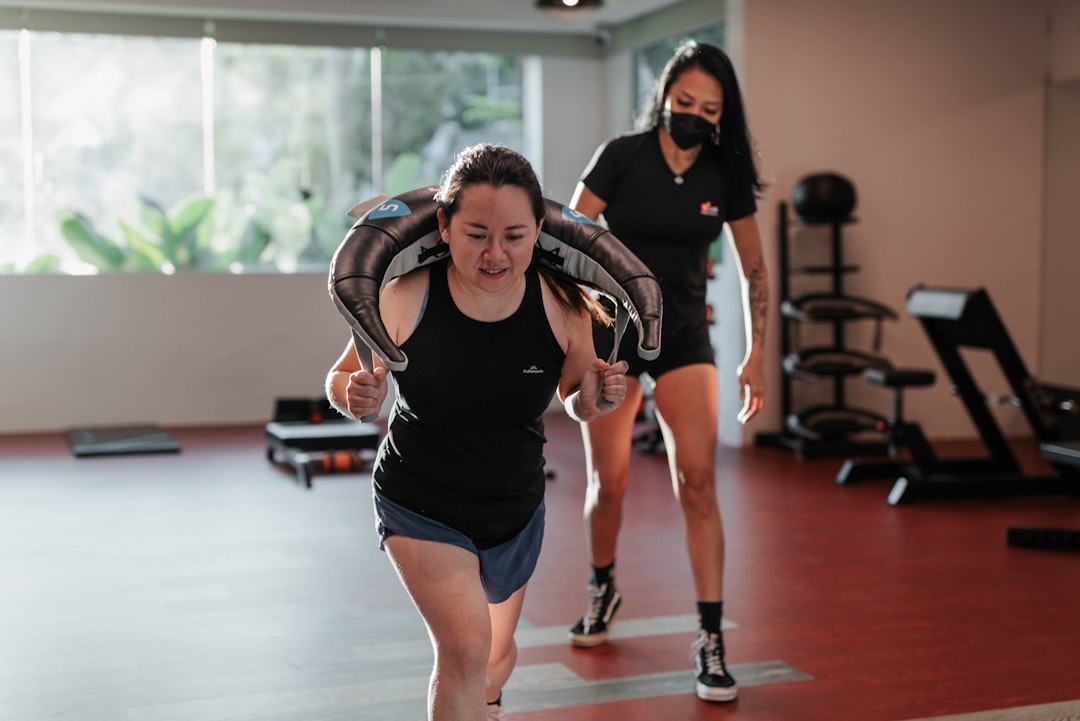
Balancing female hormones through diet and exercise becomes increasingly significant for women over 40. Hormonal shifts during perimenopause and menopause can affect metabolism, energy, and mood. A UK-specific hormone balancing diet plan focuses on nutrient-rich foods that support hormone production and regulation. Combined with appropriate physical activity, this approach helps manage symptoms, supports heart and bone health, and improves overall wellbeing. Understanding your body's changing needs empowers you to take control of your health through informed choices tailored to your hormonal profile. For more on fitness guides, see our guide.
Why Your Body Responds to Exercise Differently as a Woman
Female biological responses to exercise differ due to hormonal variations that influence muscle repair, energy metabolism, and fat storage. Oestrogen, a key female hormone, affects fuel utilisation and recovery rates. According to NHS women's health and fitness, hormonal fluctuations during menstrual cycles or menopause change how women metabolise carbohydrates and fats during workouts. For women over 40, declining oestrogen can reduce muscle mass and bone density, altering exercise effectiveness. Recognising these hormonal influences helps tailor exercise and diet to support hormone balance and physical health.
The Hormonal Reality Behind Your Training Results
Training outcomes for women are closely tied to hormone cycles and levels. Oestrogen and progesterone regulate metabolism and muscle synthesis, which fluctuate during the menstrual cycle and decline in menopause. A hormone balancing diet in the UK should align with these patterns by including phytoestrogen-rich foods like soy and flaxseed, which mimic natural oestrogen effects. Nutrient timing also matters; consuming protein and complex carbohydrates around training sessions supports muscle repair and hormone function. UK supermarkets such as Tesco and Sainsbury's stock suitable whole foods enabling adherence to this approach.
If you'd rather not plan this manually, Milo generates your meals and workouts automatically.
What This Means for How You Should Be Training
The three common mistakes that limit training results for women 40+ are neglecting hormone-driven energy fluctuations, ignoring strength training, and overdoing cardio. These can lead to fatigue, muscle loss, and increased heart disease risk. The British Heart Foundation women and heart health highlights that cardiovascular disease remains the leading cause of death among UK women, underscoring the importance of balanced training. Incorporating strength exercises preserves muscle mass and bone health, while scheduling workouts around hormonal energy peaks optimises performance and recovery.
The Signs Your Programme Is Actually Working
Progress in hormone balancing diets and exercise may be subtle but measurable. Improved sleep quality, reduced hot flashes, consistent energy levels, and stable mood are key indicators. Research suggests that women who follow hormone-sensitive nutrition and training protocols report a 30% reduction in menopausal symptoms. Additionally, adherence to the NHS physical activity guidelines for adults aged 19-64, including 150 minutes of moderate aerobic activity and strength exercises twice weekly, supports hormone regulation and cardiovascular health.
Milo helps you stay consistent — no spreadsheets, no guesswork.
Building a Training Approach That Works With Your Biology
Adopt a training plan that respects your hormonal cycle by scheduling strength training in the follicular phase when oestrogen is higher, and lighter activity during the luteal phase. Emphasise nutrient-dense meals rich in omega-3 fatty acids, fibre, and antioxidants daily. Monitor symptom changes weekly and adjust food and exercise intensity accordingly. Set a 12-week goal to establish routine and track progress.
Frequently Asked Questions
What foods should I eat in a female hormone balancing diet plan in the UK?
A female hormone balancing diet plan in the UK should include foods rich in healthy fats like omega-3s from oily fish, fibre from whole grains and vegetables, and phytoestrogens found in soy and flaxseed. These nutrients support hormone production and regulation. Limiting processed sugars and inflammatory foods is also advised to maintain hormonal stability.
How does exercise impact female hormone balance for women over 40?
Exercise influences hormone balance by improving insulin sensitivity and reducing stress hormones. For women over 40, strength training and moderate cardio following the NHS physical activity guidelines help maintain muscle mass and support cardiovascular health, which are vital as oestrogen levels decline during menopause.
Are there specific UK guidelines for hormone balancing nutrition and fitness?
Yes, UK guidelines such as the NHS physical activity guidelines recommend at least 150 minutes of moderate aerobic exercise weekly plus strength exercises twice a week. Dietary advice from NHS women's health emphasises nutrient-rich whole foods to support hormonal health and reduce menopausal symptoms.
Can a hormone balancing diet help with menopausal symptoms?
A hormone balancing diet can alleviate menopausal symptoms by stabilising blood sugar and reducing inflammation. Including phytoestrogen-rich foods and ensuring adequate vitamin D and magnesium intake supports symptom reduction as recommended in NHS menopause information.
How long does it take to see results from a female hormone balancing diet plan in the UK?
Results from a female hormone balancing diet plan typically appear within 8 to 12 weeks, with improvements in energy, mood, and symptom relief. Consistency in nutrition and exercise following UK health guidelines is key to achieving lasting hormone balance.
Get started with Milo. Start your 7-day free trial — from £7.99/month.
Disclaimer: This article is for informational purposes only and does not constitute medical, nutritional, or professional fitness advice. Always consult a qualified healthcare professional before making changes to your diet or exercise routine.
Leave a Reply