Tag: meal-prep-uk

  • How to Overcome Gym Anxiety as a Woman UK Beginners Guide

    How to Overcome Gym Anxiety as a Woman UK Beginners Guide

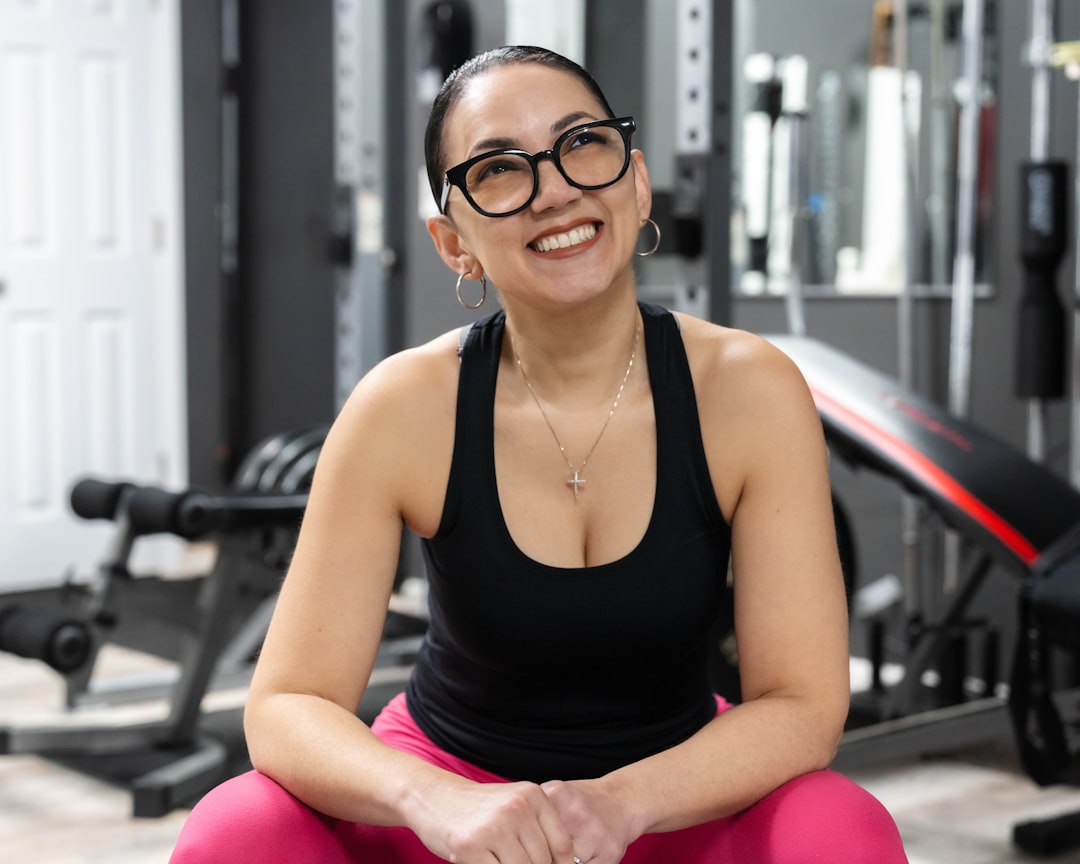
    Feeling nervous about going to the gym is common among women in the UK, with around 54% reporting anxiety before workouts. Gym anxiety can stem from concerns about body image, unfamiliar environments, or a lack of knowledge about exercise routines. Understanding how your body and hormones interact with nutrition and exercise can help reduce this anxiety. This guide covers how to align your eating habits with your menstrual cycle and practical steps to build confidence in the gym space. By recognising your unique physiological needs, you can create a sustainable fitness routine that supports both your mental and physical wellbeing. For more on fitness guides, see our guide.

    Why Standard Diet Plans Don't Account for Your Hormones

    Standard diet plans often overlook hormonal influences on women’s metabolism and energy requirements. Hormonal fluctuations across the menstrual cycle affect appetite, nutrient absorption, and energy expenditure. The British Nutrition Foundation nutrition across the lifecycle highlights that women need to adjust their diet according to these changes for optimal health. For example, during the luteal phase, increased progesterone levels raise basal metabolic rate, leading to higher calorie needs. Ignoring these variations can cause feelings of fatigue or frustration, potentially increasing gym anxiety. Evidence shows that tailored nutrition plans considering hormonal phases improve adherence and reduce psychological barriers to exercise.

    How Your Nutritional Needs Change Through Your Cycle

    Women’s nutritional requirements vary significantly throughout the menstrual cycle. During the follicular phase, oestrogen rises, supporting muscle recovery and energy storage, so incorporating lean proteins and complex carbohydrates is beneficial. Around ovulation, energy needs may peak due to increased physical activity potential. The luteal phase demands higher iron and magnesium intake to combat fatigue and support mood stability. UK supermarkets such as Tesco and Sainsbury’s offer accessible options rich in these nutrients. Awareness of these shifts can empower women to schedule workouts aligning with their energy highs and lows, easing anxiety about physical performance.

    If you'd rather not plan this manually, Milo generates your meals and workouts automatically.

    The Foods That Support Hormonal Balance and Energy

    The three common nutritional mistakes that worsen hormonal imbalance and gym anxiety are insufficient iron intake, low omega-3 fatty acids, and inadequate fibre consumption. Iron deficiency affects 20% of UK women and reduces oxygen transport, leading to fatigue, as detailed by NHS iron deficiency and women. Omega-3 fats, found in oily fish, support brain function and mood regulation, mitigating anxiety symptoms. Low fibre disrupts gut health, indirectly influencing hormonal balance. Correcting these errors by including leafy greens, nuts, seeds, and oily fish can stabilise energy levels and improve workout confidence.

    What to Eat Around Your Period, Ovulation and Luteal Phase

    Contrary to popular belief, rigid diets do not support hormonal health around the menstrual cycle phases. During menstruation, iron-rich foods like red meat or fortified cereals help replenish lost nutrients. At ovulation, antioxidant-rich fruits and vegetables support tissue repair and immune function. In the luteal phase, complex carbohydrates and magnesium-rich foods like bananas and dark chocolate can ease premenstrual symptoms. The NHS Eatwell Guide recommends a balanced intake from all food groups to maintain hormonal and emotional stability throughout the month.

    Milo helps you stay consistent — no spreadsheets, no guesswork.

    Building a Flexible Eating Approach That Works With Your Hormones

    Create a nutrition plan that adapts weekly to your cycle phases by planning meals around key nutrients needed at each stage. Track your cycle and adjust portion sizes, favouring protein and iron post-menstruation and increasing carbohydrates during the luteal phase. Prepare meals in advance to reduce decision fatigue and support consistency. This flexible approach helps reduce stress and gym anxiety by aligning energy availability with workout intensity.

    Frequently Asked Questions

    How can I reduce gym anxiety as a woman in the UK?

    Reducing gym anxiety as a woman in the UK involves understanding your hormonal cycle and adjusting your nutrition and workout times accordingly. Studies show that aligning exercise with energy peaks in your cycle and eating nutrient-rich foods reduces fatigue and boosts confidence. Familiarising yourself with gym equipment and starting with low-intensity workouts also help ease anxiety.

    What foods help reduce anxiety for women working out?

    Foods rich in magnesium, omega-3 fatty acids, and iron support mood and energy, which can reduce anxiety during workouts. The NHS advises including leafy greens, oily fish, nuts, and fortified cereals in your diet. These nutrients help stabilise hormones and improve focus, making exercise sessions more comfortable.

    Does the menstrual cycle affect gym performance?

    Yes, the menstrual cycle significantly affects gym performance. For example, during the luteal phase, increased progesterone raises energy needs by up to 10%, requiring more calories and specific nutrients for recovery. Timing workouts around your cycle phases can enhance endurance and reduce injury risk, as supported by the British Nutrition Foundation.

    Are personalised meal plans helpful for women with gym anxiety?

    Personalised meal plans tailored to hormonal cycles can help women manage energy levels and mood, reducing gym anxiety. These plans ensure adequate intake of key nutrients like iron and magnesium, supporting sustained workout motivation and recovery, which is backed by NHS women's health nutrition guidelines.

    What practical steps can UK women take to feel confident at the gym?

    UK women can build gym confidence by setting small, achievable goals, attending at quieter times, and learning basic equipment use beforehand. Combining this with a nutrition plan that supports hormonal fluctuations reduces fatigue and anxiety. Consistent practice in a supportive environment fosters long-term confidence.

    Get started with Milo. Start your 7-day free trial — from £7.99/month.

    Disclaimer: This article is for informational purposes only and does not constitute medical, nutritional, or professional fitness advice. Always consult a qualified healthcare professional before making changes to your diet or exercise routine.
  • Effective Home Workout for New Mums UK No Equipment Needed

    Effective Home Workout for New Mums UK No Equipment Needed

    New mums in the UK often struggle to find time and resources for fitness, especially without access to equipment. A home workout that requires no equipment can be the perfect solution to regain strength, improve mood, and support recovery after childbirth. Tailored exercises focusing on strength, mobility and posture can be done safely at home, helping new mothers rebuild their fitness gradually while caring for their baby. For more on fitness guides, see our guide.

    The "Getting Bulky" Fear That's Keeping Women Away From the Weights Room

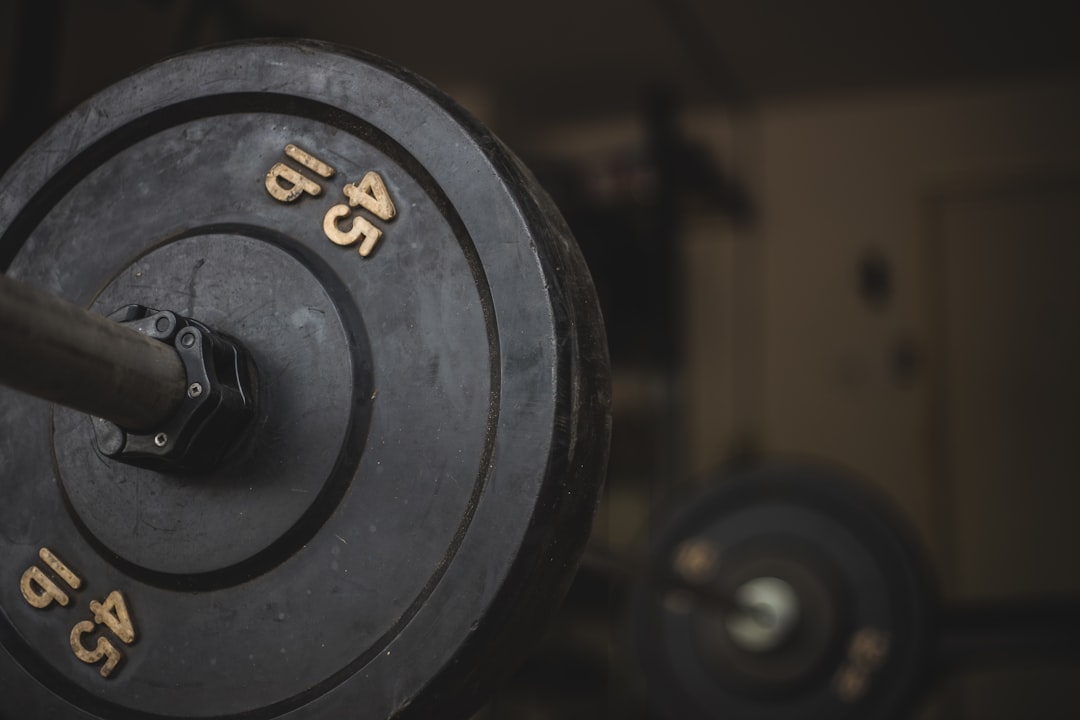
    "Getting bulky" is the unfounded fear that strength training will cause women to develop excessively large muscles, which is rarely the case due to physiological differences. Women produce much lower levels of testosterone than men, making significant muscle hypertrophy extremely difficult without specific training and diet regimes. The NHS strength training guidelines emphasise that strength exercises, even with weights, generally improve muscle tone and support metabolic health rather than bulk. This myth has cost many women years of progress because they avoid weight training, missing out on benefits like improved posture, bone density, and mental wellbeing. Strength training after childbirth helps rebuild muscle lost during pregnancy and supports the return to pre-pregnancy fitness levels without causing unwanted bulk.

    What Strength Training Actually Does to a Woman's Body

    Strength training builds lean muscle, enhances metabolism, and supports bone health without causing excessive muscle size. The NHS physical activity for women recommends adults engage in muscle-strengthening activities at least twice a week to maintain healthy joints and bones. Exercises like bodyweight squats, glute bridges, and modified planks improve muscle endurance and core stability, critical for new mums recovering from pregnancy-related changes. Strength training also reduces the risk of osteoporosis by stimulating bone formation, as the NHS bone health and strength training advice explains. This process is vital for women post-childbirth, who may experience reduced bone density due to hormonal shifts. Incorporating strength training into your routine promotes long-term health benefits, including better energy levels and reduced injury risk.

    Why Women Who Lift Achieve Better Results Faster

    The three mistakes holding new mums back are neglecting strength training, overemphasising cardio, and fearing muscle gain. Neglecting strength training leads to slower recovery and weaker muscle tone. Overemphasising cardio often results in fatigue without improving muscle strength or bone density, which are essential for postnatal health. Fear of muscle gain prevents many women from lifting weights or performing resistance exercises, despite the NHS confirming that muscle bulk is rare without specific conditions. Women who include regular strength training see faster improvements in posture, energy, and fat loss because muscle tissue burns more calories at rest. This combination accelerates recovery and fitness gains compared to cardio-only approaches.

    How to Start Strength Training With Confidence

    Starting strength training after childbirth requires a focus on gradual progression and listening to your body. Contrary to popular belief, even gentle strength work can be beneficial from six weeks postpartum with medical clearance. The NHS suggests beginning with low-intensity bodyweight exercises before adding resistance or complexity. Begin with two sessions a week, including exercises targeting the core, legs, and upper body, with sets of 8-12 repetitions. Rest between sets and avoid any exercise causing pain or discomfort. Consistency is key; building strength over four to six weeks can significantly improve function and mood. This approach aligns with NHS physical activity guidelines and supports bone health while reducing injury risk.

    Your First Four Weeks in the Weights Room

    Begin with clear, manageable goals: aim for two strength sessions per week, each lasting 20-30 minutes. Focus on foundational moves like bodyweight squats, glute bridges, pelvic tilts, and wall push-ups. Perform 2-3 sets of 8-12 repetitions per exercise, resting 30-60 seconds between sets. Track progress weekly by increasing reps or sets as strength improves. Prioritise posture and controlled movements to protect your joints and pelvic floor. After four weeks, reassess your routine and consider adding light resistance or new exercises.

    Frequently Asked Questions

    What is the best home workout for new mums UK no equipment?

    The best home workout for new mums UK no equipment involves bodyweight exercises like squats, glute bridges, pelvic floor exercises, and modified push-ups performed twice weekly as recommended by NHS strength training guidelines. These exercises rebuild muscle and support recovery without needing gym access.

    How often should new mums do home workouts without equipment?

    New mums should aim for at least two strength training sessions per week, each lasting 20-30 minutes, to align with NHS physical activity guidelines. Consistency helps rebuild strength and supports bone health after childbirth.

    Can new mums safely start strength training at home without equipment?

    Yes, new mums can safely start strength training at home without equipment from around six weeks postpartum with medical clearance. Beginning with low-impact bodyweight exercises reduces risk and aligns with NHS recommendations for gradual postnatal exercise.

    Does strength training make new mums bulky?

    Strength training does not make new mums bulky. Women naturally have lower testosterone levels, making significant muscle bulk rare. NHS strength training guidelines clarify that resistance exercises primarily improve muscle tone and metabolic health.

    Why is strength training important for new mums at home?

    Strength training is important for new mums as it rebuilds muscle lost during pregnancy, improves posture, supports pelvic floor function, and enhances bone density. The NHS highlights strength exercises as key to reducing osteoporosis risk and improving overall postnatal recovery.

    Get started with Milo. Start your 7-day free trial — from £7.99/month.

    Disclaimer: This article is for informational purposes only and does not constitute medical, nutritional, or professional fitness advice. Always consult a qualified healthcare professional before making changes to your diet or exercise routine.

  • When Can I Start the Gym After Giving Birth UK? Evidence-Based Guidance

    When Can I Start the Gym After Giving Birth UK? Evidence-Based Guidance

    Returning to exercise after childbirth is a common concern for new mothers in the UK. The timeline for starting gym workouts varies depending on the type of birth, recovery progress, and individual health. Many women look for guidance on how soon they can safely resume physical activity without risking injury or setbacks. Understanding the physiological changes after birth and following professional recommendations can help optimise postnatal fitness routines while supporting overall recovery. For more on fitness guides, see our guide.

    Why Your Body Responds to Exercise Differently as a Woman

    Postnatal physiology is the state of the female body as it adjusts and recovers after childbirth. This period involves hormonal fluctuations, tissue healing, and restoration of muscle function. The pelvic floor muscles, which support the bladder, uterus, and bowel, often weaken or stretch during pregnancy and birth. According to NHS women's health and fitness recommendations, these muscles need targeted rehabilitation before returning to high-impact or resistance training. The abdominal muscles also require careful reactivation, as separation (diastasis recti) affects up to 60% of women after birth. This means exercise programmes must be adapted to accommodate these changes, ensuring safety and effectiveness.

    The Hormonal Reality Behind Your Training Results

    Hormonal shifts after childbirth significantly influence training outcomes. Oestrogen and progesterone levels drop rapidly after delivery, impacting ligament laxity and muscle strength. The pelvic ligaments remain more flexible for up to 12 weeks postpartum, increasing injury risk if exercise is too intense. Prolactin, responsible for milk production, also affects energy metabolism. The British Heart Foundation highlights that the cardiovascular system adapts during pregnancy and gradually returns to pre-pregnancy state over months. Hence, the timing and intensity of workouts should align with these physiological changes. For example, starting with low-impact activities and gradually progressing to strength and cardio training over 6-12 weeks is advised.

    What This Means for How You Should Be Training

    The three mistakes that compromise postnatal recovery are: returning to high-impact exercise too soon, neglecting pelvic floor rehabilitation, and ignoring individual symptoms like pain or bleeding. Returning to running or heavy lifting before the body is ready can cause urinary incontinence or pelvic organ prolapse. Skipping pelvic floor exercises prolongs muscle weakness and delays recovery. Lastly, pushing through pain or persistent bleeding signals underlying issues needing medical review. NHS physical activity guidelines recommend a gradual increase in activity, starting with gentle walking and pelvic floor exercises before progressing to more demanding gym workouts.

    The Signs Your Programme Is Actually Working

    Contrary to popular belief, immediate postnatal weight loss is not the sole indicator of successful training. Instead, improvements in pelvic floor strength, reduced lower back pain, and enhanced energy levels are better markers. Research shows that 6-8 weeks of targeted postnatal exercise improves continence and reduces pelvic discomfort in 70% of women. Monitoring symptoms like absence of pain during exercise and stable bleeding indicate readiness to progress training. The British Heart Foundation notes that cardiovascular fitness improves steadily with consistent moderate exercise postpartum, reducing risks of heart disease later in life.

    Building a Training Approach That Works With Your Biology

    Start by consulting healthcare professionals at the 6-week postnatal check to assess healing and suitability for exercise. Begin with pelvic floor and core activation daily for 2-4 weeks. Introduce low-impact cardio such as walking or swimming for 15-30 minutes several times a week. Gradually increase strength training focusing on posture and alignment over 6-12 weeks. Avoid high-impact activities like running or jumping until pelvic floor strength is restored. Monitor body signals carefully and adjust intensity accordingly.

    Frequently Asked Questions

    When can I start going to the gym after giving birth in the UK?

    You can generally start gym workouts around six weeks after giving birth, once you have had your postnatal check and received medical clearance. This timeline allows the uterus and pelvic floor muscles to heal sufficiently to handle moderate exercise safely.

    Is it safe to do strength training after childbirth in the UK?

    Strength training can be safe after childbirth if introduced gradually following medical advice. NHS guidelines recommend starting with pelvic floor and core exercises before progressing to heavier resistance training, typically after 6 to 12 weeks postpartum.

    What types of exercise should I avoid after giving birth in the UK?

    High-impact activities such as running, jumping, or heavy lifting should be avoided for at least six weeks postpartum or until pelvic floor strength is restored. Exercises that cause pain, leaking, or heavy bleeding should also be stopped immediately.

    How can I tell if I am ready to return to the gym after childbirth?

    Signs you are ready include absence of pelvic pain, no urinary leakage during activity, reduced vaginal bleeding, and medical clearance at your 6-week postnatal check. It’s important to progress gradually and listen to your body’s signals.

    What role does the postnatal check play in resuming gym workouts in the UK?

    The 6-week postnatal check is crucial for assessing healing and any complications. Healthcare professionals evaluate pelvic floor function and overall recovery, providing personalised advice on when and how to safely resume gym workouts.

    Get started with Milo. Start your 7-day free trial — from £7.99/month.

    Disclaimer: This article is for informational purposes only and does not constitute medical, nutritional, or professional fitness advice. Always consult a qualified healthcare professional before making changes to your diet or exercise routine.
  • Postnatal Fitness UK What You Need to Know for New Mothers

    Postnatal Fitness UK What You Need to Know for New Mothers

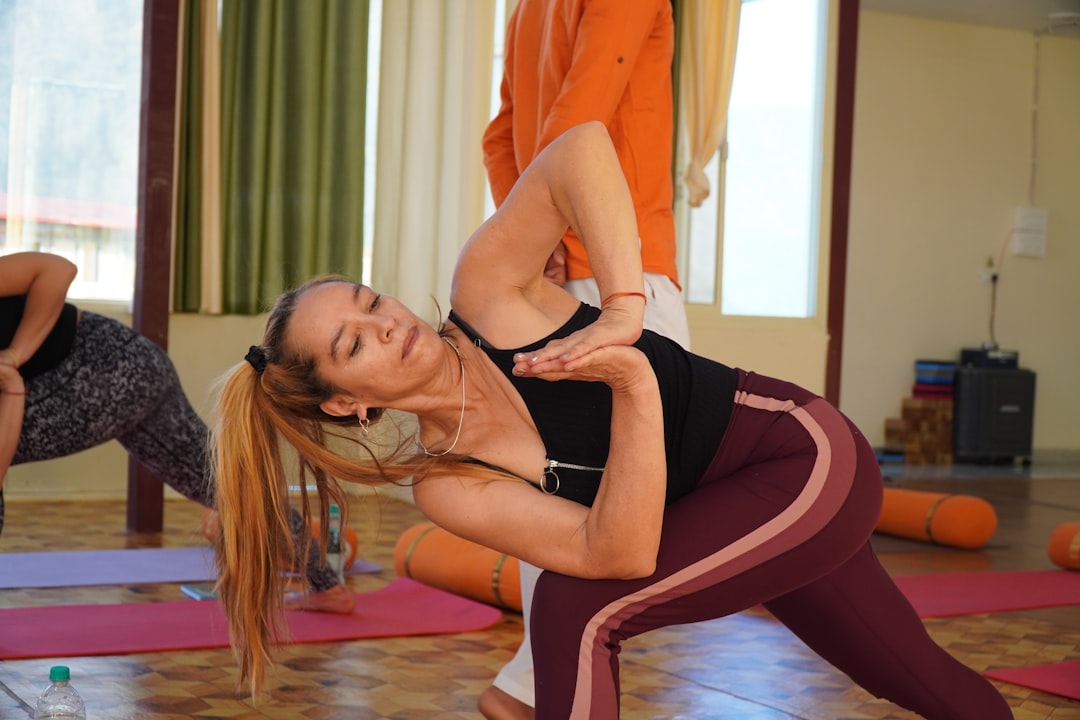
    Postnatal fitness comes with unique challenges that many new mothers in the UK face, including anxiety about gym environments and uncertainty about safe exercises. Around 60% of women report feeling intimidated by gym spaces, especially when returning after childbirth. This guide outlines what you need to know to regain confidence, manage common anxieties, and establish a fitness routine tailored to your postnatal needs. Understanding your body’s recovery timeline and knowing practical strategies can help ease you back into exercise safely and effectively. For more on fitness guides, see our guide.

    Why Gym Anxiety Is Real and Nothing to Be Ashamed Of

    Gym anxiety is the fear or discomfort many experience when using fitness facilities, affecting over 60% of women, according to Sport England's women in sport barriers research. This anxiety often stems from feeling watched or judged, especially in free weights areas or crowded classes. For postnatal women, these feelings may be amplified by body changes and uncertainty about exercise safety. Recognising gym anxiety as a legitimate response rather than a personal flaw helps normalise these experiences and reduces stigma. According to Mind, exercise reduces anxiety but initial barriers can prevent participation, especially for women balancing motherhood and recovery.

    The Practical Steps to Feeling Confident in the Gym

    Building gym confidence starts with a clear, step-by-step approach. Begin with familiarising yourself with the gym layout during off-peak hours to avoid crowds. Focus on machines rather than free weights initially, as they offer controlled movement and guidance. Classes specifically designed for beginners or postnatal women, often available at UK gyms like PureGym or The Gym Group, provide supportive environments. Bringing a friend can lessen feelings of isolation. Practising a simple warm-up and cool-down routine helps prepare the body. Scheduling 30-minute sessions twice a week allows gradual adaptation without overwhelming. Tracking progress with a journal or app builds motivation and confidence.

    How to Handle the Moments That Feel Uncomfortable

    Three common mistakes increase discomfort in postnatal fitness gyms: rushing into complex workouts, ignoring personal limits, and avoiding asking for help. Rushing can lead to injury or burnout, while pushing beyond current capacity risks setbacks. Avoiding staff or fellow gym users when unsure about equipment prolongs anxiety and reduces effectiveness. Instead, take time to learn basic exercises, listen to your body's signals, and seek assistance from gym staff or experienced users. These approaches prevent negative experiences and support a positive fitness journey.

    What Regulars Know That Beginners Don't

    Experienced gym users understand that discomfort is temporary and routine builds familiarity. Research shows that consistent attendance over 6 to 8 weeks significantly reduces gym-related anxiety. Many beginners underestimate the value of small, frequent workouts and peer support networks. Regulars often use mental strategies like setting small, achievable goals and celebrating progress to maintain motivation. According to Sport England, women who join classes or groups tailored to their needs report higher satisfaction and persistence. Understanding that most gym users are focused on their own workouts reduces fear of judgement.

    Your First Month Plan: Building Confidence Through Routine

    Start with three 20-30 minute sessions per week during quieter gym times, focusing on low-impact cardio and gentle strength exercises. Week 1: familiarise with equipment and practice basic movements. Week 2: introduce light resistance training and stretching. Week 3: increase session length or intensity slightly. Week 4: try a beginner class or workout with a friend. Monitor how your body responds and adjust accordingly.

    Frequently Asked Questions

    What are the safest exercises for postnatal fitness in the UK?

    The safest postnatal exercises in the UK include pelvic floor exercises, gentle walking, and light strength training focusing on core stability. NHS guidelines recommend starting with low-impact activities and gradually increasing intensity after medical clearance, typically around 6 weeks postpartum.

    How can I overcome gym anxiety after having a baby?

    Overcoming gym anxiety after childbirth involves starting with familiar, low-pressure environments such as off-peak hours or women-only classes. According to Sport England, 60% of women feel intimidated at gyms, so taking gradual steps like learning equipment use and bringing a supportive friend can ease nerves.

    When is it safe to start postnatal workouts in the UK?

    Most women can begin gentle postnatal workouts around 6 weeks after childbirth, following NHS physical activity guidelines and after consulting a healthcare professional. This allows healing of tissues and reduces risks of injury or complications.

    What should I avoid in postnatal fitness routines?

    Avoid high-impact exercises, heavy lifting, and abdominal crunches in the early postnatal period, as these can strain recovering muscles and pelvic floor. NHS advice stresses gradual progression and listening to your body to prevent setbacks.

    How much exercise is recommended for postnatal women in the UK?

    NHS physical activity guidelines recommend adults, including postnatal women, aim for at least 150 minutes of moderate aerobic activity weekly, plus strength exercises on two or more days, adjusted to individual recovery and health status.

    Get started with Milo. Start your 7-day free trial — from £7.99/month.

    Disclaimer: This article is for informational purposes only and does not constitute medical, nutritional, or professional fitness advice. Always consult a qualified healthcare professional before making changes to your diet or exercise routine.

  • How to Get Back into Exercise After Pregnancy UK: A Beginner’s Guide

    How to Get Back into Exercise After Pregnancy UK: A Beginner’s Guide

    Returning to exercise after pregnancy can feel overwhelming due to hormonal shifts and physical changes. Postnatal women in the UK face unique challenges including fluctuating energy, nutrient needs, and recovery timelines. Understanding how your body’s hormonal cycle affects energy and nutrition is key to restarting physical activity safely. This guide provides clear, evidence-based advice on managing your diet and exercise to support your body’s recovery, optimise energy levels, and create a sustainable routine that respects your postnatal physiology.

    Why Standard Diet Plans Don't Account for Your Hormones

    Standard diet plans often overlook the complex hormonal changes women experience postpartum. Hormones such as oestrogen, progesterone, and prolactin fluctuate significantly after childbirth, influencing appetite, energy metabolism, and mood. The hormonal cycle is the monthly pattern of these hormones that regulates reproductive functions and impacts nutritional requirements. For example, prolactin levels rise to support breastfeeding, which increases calorie needs by approximately 500 kcal per day during exclusive breastfeeding. Ignoring these changes can lead to inadequate energy intake or nutrient imbalances that impair recovery and exercise performance. The NHS women's health and nutrition guidance highlights that nutritional needs in postnatal women differ from standard adult recommendations due to these hormonal effects. Tailoring nutrition and exercise plans to hormone-driven shifts ensures better support for physical and emotional wellbeing. For more on fitness guides, see our guide.

    How Your Nutritional Needs Change Through Your Cycle

    Your nutritional needs shift across the menstrual cycle phases, even postpartum when menstruation returns. The cycle comprises the follicular phase, ovulation, and luteal phase, each affecting energy metabolism differently. During the follicular phase, rising oestrogen improves insulin sensitivity, making carbohydrate metabolism more efficient. Around ovulation, energy demand peaks, requiring more carbohydrates and micronutrients like zinc. In the luteal phase, progesterone raises basal metabolic rate by 5-10%, increasing calorie needs and often causing cravings for fats and sugars. Postnatal women should monitor these phases to adjust meal timing and composition accordingly. Major UK supermarkets like Tesco and Sainsbury’s stock seasonal, nutrient-dense foods aligned with these needs. The British Nutrition Foundation nutrition across the lifecycle recommends focusing on nutrient-dense meals that support these metabolic changes, particularly emphasising iron and calcium-rich foods to replenish postpartum stores and support bone health.

    If you'd rather not plan this manually, Milo generates your meals and workouts automatically.

    The Foods That Support Hormonal Balance and Energy

    The three common dietary mistakes that undermine hormonal balance and energy postpartum are: excessive processed sugar intake, insufficient protein consumption, and inadequate healthy fats. High sugar intake leads to blood sugar crashes and worsened mood swings. Low protein delays tissue repair and muscle rebuilding crucial after pregnancy. Insufficient omega-3 fatty acids impair anti-inflammatory processes and brain function. Including foods rich in complex carbohydrates like whole grains, lean proteins such as poultry and legumes, and healthy fats from oily fish or flaxseeds can stabilise hormones and provide sustained energy. The NHS Eatwell Guide advises balancing portions across food groups to meet vitamin and mineral needs. For example, vitamin D supports mood and immune function, while iron counters postpartum anaemia risks. Avoiding fad diets that restrict entire food groups helps maintain this balance.

    What to Eat Around Your Period, Ovulation and Luteal Phase

    Contrary to popular belief, you do not need to eat the same way every day of your cycle postpartum. Adjusting meals according to your hormonal phases can improve energy and wellbeing. During menstruation, iron-rich foods like spinach and red meat help replace blood loss, as women can lose up to 30-40ml of blood per period. Around ovulation, antioxidant-rich fruits and vegetables support cellular repair and hormone synthesis. The luteal phase calls for magnesium and B vitamins from nuts and whole grains to ease premenstrual symptoms and support metabolism. Evidence from the British Nutrition Foundation emphasises that tailoring nutrient intake to cycle phases can lessen fatigue and mood fluctuations. Drinking adequate water and limiting caffeine during the luteal phase also improves comfort.

    Milo helps you stay consistent — no spreadsheets, no guesswork.

    Building a Flexible Eating Approach That Works With Your Hormones

    Develop a flexible eating plan by tracking your cycle and adjusting food choices weekly. Start by noting your menstrual phases for two months, then plan meals that prioritise iron and protein during menstruation, antioxidants at ovulation, and magnesium-rich foods in the luteal phase. Set achievable goals such as preparing batch-cooked meals ahead and incorporating snacks like nuts or yoghurt to stabilise blood sugar. Hydration and moderate caffeine intake should remain consistent. Avoid rigid diets to prevent energy dips and hormonal disruption. Regularly reassess your plan every 4–6 weeks to refine it based on energy levels and mood. Learn more about the Milo and how it can help you get started.

    Frequently Asked Questions

    How soon can I start exercising after giving birth in the UK?

    Most women can begin gentle postnatal exercises like pelvic floor and walking around 6 weeks after a vaginal birth, once cleared by a healthcare professional. The NHS recommends consulting your midwife or GP before resuming more intensive workouts to ensure proper healing and avoid complications.

    What types of exercise are safe for postnatal women in the UK?

    Safe postnatal exercises include low-impact activities such as walking, swimming, pelvic floor exercises, and gentle yoga. These support gradual strength rebuilding without overloading healing tissues. Avoid high-impact or abdominal exercises until cleared by a healthcare provider.

    How does breastfeeding affect my exercise routine and nutrition?

    Breastfeeding increases daily calorie needs by about 500 kcal and requires extra hydration. It can also affect energy levels and hormonal balance, so adjusting your nutrition to include sufficient protein, iron, and fluids is important when exercising postpartum.

    What nutritional deficiencies should UK women watch for after pregnancy?

    Iron deficiency is common postpartum due to blood loss and increased demand, with up to 20% of women affected. Vitamin D and calcium are also crucial for bone health. The NHS advises monitoring these nutrients to support recovery and energy.

    Can hormonal changes after pregnancy impact my motivation to exercise?

    Yes, fluctuating hormones like progesterone and oestrogen can affect mood, energy, and motivation. Postnatal women may experience fatigue or mood swings, which can make consistent exercise challenging. Tailoring routines to hormonal cycles can improve adherence.

    Get started with Milo. Start your 7-day free trial — from £7.99/month.

    Disclaimer: This article is for informational purposes only and does not constitute medical, nutritional, or professional fitness advice. Always consult a qualified healthcare professional before making changes to your diet or exercise routine.

  • Diastasis Recti Exercises UK NHS Safe: Effective Postnatal Guidance

    Diastasis Recti Exercises UK NHS Safe: Effective Postnatal Guidance

    Diastasis recti, a separation of the abdominal muscles affecting up to 60% of postnatal women, requires careful exercise selection to ensure safe recovery. UK NHS guidelines recommend specific exercises tailored to heal the abdominal wall without strain, avoiding common pitfalls that can worsen the condition. Understanding the science behind these exercises empowers women to regain strength effectively while protecting their core. This article explains safe, NHS-aligned exercise strategies for diastasis recti in the UK context.

    Why Your Body Responds to Exercise Differently as a Woman

    Diastasis recti is a separation of the abdominal muscles occurring in up to 60% of women after pregnancy. Postnatal recovery is complicated by hormonal changes, tissue laxity, and altered biomechanics unique to female physiology. The connective tissue, called the linea alba, stretches during pregnancy to accommodate the growing uterus, weakening the midline muscle attachment. This explains why common abdominal exercises can worsen the condition if they increase pressure on the linea alba.

    The female body’s response to exercise post-pregnancy is influenced by relaxin, a hormone that increases ligament laxity to prepare for childbirth. Relaxin levels remain elevated for several months postpartum, affecting muscle and tendon stiffness. This requires modifying exercise intensity and technique to prevent injury. Understanding this hormonal influence is critical to selecting safe exercises that strengthen rather than strain the abdominal wall.

    The NHS offers guidance on women’s health and fitness, emphasising that postnatal exercise should prioritise core re-education and gradual strength rebuilding rather than high-impact or heavy resistance training NHS women's health and fitness. This approach helps restore posture and reduce associated pain while accommodating the body's unique recovery timeline. For more on fitness guides, see our guide.

    The Hormonal Reality Behind Your Training Results

    Hormones profoundly affect postnatal training outcomes. Relaxin, oestrogen, and progesterone levels remain elevated after childbirth, increasing tissue elasticity and affecting muscle tone. This hormonal milieu means the abdominal wall is more susceptible to overstretching during exercise. Training must therefore be tailored to respect these physiological conditions.

    Relaxin peaks during the third trimester and can remain elevated for up to 6 months postpartum, meaning connective tissues are more pliable and vulnerable during this period. Exercises that excessively increase intra-abdominal pressure or involve twisting motions risk exacerbating diastasis recti. Instead, focus on stabilising movements that enhance the function of the transverse abdominis and pelvic floor muscles.

    Nutrition and sleep also influence hormonal balance and recovery. Adequate protein intake supports tissue repair, while quality sleep aids hormonal regulation, critical for postpartum healing. UK supermarkets like Tesco and Sainsbury’s offer a variety of nutrient-rich foods that can support recovery.

    The British Heart Foundation highlights the importance of cardiovascular health in women, noting that moderate-intensity physical activity improves heart function and hormonal balance British Heart Foundation women and heart health. Incorporating safe aerobic exercise alongside core rehabilitation fosters overall wellbeing.

    What This Means for How You Should Be Training

    The three most common mistakes that worsen diastasis recti recovery are: 1) Performing traditional crunches or sit-ups too early, which increase intra-abdominal pressure and can widen the gap; 2) Neglecting pelvic floor engagement, which undermines core stability and prolongs healing; 3) Lifting heavy weights without sufficient core control, risking strain on the weakened abdominal wall.

    Avoiding these errors means prioritising exercises that maintain a neutral spine and focus on deep core activation. Controlled breathing techniques that coordinate diaphragm and pelvic floor movement help reduce pressure on the linea alba. The NHS physical activity guidelines recommend starting with low-impact exercises and gradually increasing intensity as strength returns NHS physical activity guidelines.

    Structured progression might include pelvic tilts, leg slides, and gentle bridging before advancing to modified planks and side-lying leg lifts. Monitoring the abdominal gap by self-palpation can guide when to increase challenge. Avoiding sudden or jerky movements reduces the risk of setbacks.

    The Signs Your Programme Is Actually Working

    An effective diastasis recti recovery programme may initially yield subtle improvements, but there are clear signs your approach is successful. These include a reduction in the width of the abdominal gap, improved core stability during daily activities, and decreased lower back pain. In some cases, the gap can reduce by up to 2cm within 6 to 12 weeks of consistent, safe exercise.

    Progressive core strength is demonstrated by the ability to engage the transverse abdominis without bulging the abdomen during movement. Improved posture and enhanced pelvic floor function also indicate positive adaptation. The British Heart Foundation underscores that physical activity benefits extend beyond muscle repair, enhancing cardiovascular health and mental wellbeing in women British Heart Foundation women and heart health.

    Regular reassessment every 4 to 6 weeks helps tailor the programme. If symptoms like bulging during exertion or persistent lower back discomfort continue, exercises may need modification. Success is measured by improved function, not speed, respecting the biological healing process.

    Building a Training Approach That Works With Your Biology

    Begin by assessing your abdominal gap through self-palpation or professional advice. Start with gentle core activation exercises such as pelvic tilts and deep breathing that engage the transverse abdominis. Perform these daily for 2 to 3 weeks, focusing on quality over quantity.

    Once able to contract the core without doming or bulging, progress to controlled leg lifts and bridging exercises while maintaining core engagement. Avoid heavy lifting and high-impact activities until the gap narrows and core strength improves.

    Incorporate pelvic floor exercises to support the abdominal wall and improve overall stability. Follow UK NHS physical activity guidelines for gradual progression, aiming for at least 150 minutes of moderate exercise weekly NHS physical activity guidelines.

    Track progress every 4 to 6 weeks and adjust exercises accordingly. Consistency and patience are essential; healing connective tissue takes time. Learn more about the Milo and how it can help you get started.

    Frequently Asked Questions

    What are the safest exercises for diastasis recti according to the UK NHS?

    The UK NHS recommends exercises that activate the deep core muscles like pelvic tilts, heel slides, and transverse abdominis engagement while avoiding sit-ups and crunches. These exercises reduce intra-abdominal pressure, supporting safe healing of the abdominal separation. Starting with gentle movements and progressing gradually is key to effective recovery.

    How long does it take for diastasis recti to improve with NHS-approved exercises?

    Improvement in diastasis recti typically occurs over 6 to 12 weeks with consistent, safe exercise as recommended by the NHS. The abdominal gap may reduce by up to 2cm during this period, depending on severity and adherence to a tailored programme focusing on deep core activation.

    Can I do NHS safe diastasis recti exercises during the first 6 months postpartum?

    Yes, NHS guidance supports starting gentle diastasis recti exercises like pelvic tilts and deep core engagement within the first 6 months postpartum. This period coincides with elevated relaxin levels, so exercises should avoid excessive pressure on the abdominal wall and progress slowly to prevent injury.

    Why does the NHS advise against traditional sit-ups for diastasis recti recovery?

    The NHS advises against traditional sit-ups because they increase intra-abdominal pressure and strain the linea alba, potentially worsening the abdominal muscle separation. Instead, safer exercises focus on stabilising the core and strengthening the transverse abdominis without forward flexion that stresses the midline.

    How do UK NHS physical activity guidelines support diastasis recti rehabilitation?

    UK NHS physical activity guidelines recommend gradual progression from low-impact to moderate exercise, including core stabilisation and pelvic floor strengthening, to support diastasis recti rehabilitation. They advise at least 150 minutes of moderate activity weekly, customised to individual recovery status, to improve overall health and abdominal function.

    Get started with Milo. Start your 7-day free trial — from £7.99/month.

    Disclaimer: This article is for informational purposes only and does not constitute medical, nutritional, or professional fitness advice. Always consult a qualified healthcare professional before making changes to your diet or exercise routine.

  • How to Get Fit as a Busy Mum UK: Practical Steps for Postnatal Fitness

    How to Get Fit as a Busy Mum UK: Practical Steps for Postnatal Fitness

    For busy mums in the UK, reclaiming fitness after childbirth can feel overwhelming, especially with time constraints and life changes. Weight fluctuations, hormonal shifts, and new routines demand a different approach than pre-pregnancy fitness methods. Effective training focuses on gradual progression, pelvic floor recovery, and balanced nutrition tailored to postnatal needs. Learning to work with your body’s life stage empowers sustainable fitness and wellbeing amidst motherhood’s demands.

    Why Your 30s, 40s or Post-Natal Body Needs a Different Approach

    Postnatal fitness is defined by the body's need to recover from pregnancy and childbirth, involving hormonal shifts and musculoskeletal changes documented by the NHS women's health across life stages. Women in their 30s and 40s face natural declines in muscle mass and metabolism, which are compounded by postnatal demands.

    The postpartum period requires careful attention to pelvic floor and abdominal muscle rehabilitation, as these areas support bladder control and core stability. The NHS postnatal exercise guidance advises starting with gentle pelvic floor exercises and gradually increasing activity intensity.

    Additionally, the recovery phase can last several months, during which joint laxity and fatigue may affect exercise tolerance. Hormonal changes around menopause further influence energy levels and muscle recovery, as detailed in the NHS menopause and physical health resource. For more on fitness guides, see our guide.

    Understanding these factors underscores the importance of a tailored fitness approach that respects your body's stage and recovery status.

    How to Train Effectively for Your Life Stage

    Effective training for busy mums in the UK begins with a structured plan combining low-impact cardiovascular activities, strength training, and flexibility exercises.

    Start with short sessions of 15-20 minutes, three to four times per week, focusing on pelvic floor activation exercises and gentle core strengthening moves such as pelvic tilts and bridges. Gradually incorporate resistance training to rebuild muscle mass, using bodyweight or light weights available at home or in local gyms such as PureGym or The Gym Group.

    Incorporate walking or cycling as accessible cardiovascular options that fit around childcare routines, aiming for 150 minutes of moderate activity weekly as recommended by the NHS. Nutritional habits should focus on balanced meals rich in protein, fibre, and micronutrients, sourced from UK supermarkets like Tesco or Sainsbury’s.

    Listening to your body and adjusting intensity based on fatigue and pain is crucial. Avoid high-impact or strenuous activities too soon to reduce the risk of injury.

    Tracking progress through simple logs or wearable devices can motivate consistency without overwhelming your schedule.

    If you'd rather not plan this manually, Milo generates your meals and workouts automatically.

    The Mistakes Women Make When Ignoring Life-Stage Changes

    The three common mistakes that hinder busy mums’ fitness progress are: pushing too hard too soon, neglecting pelvic floor recovery, and following generic workout plans designed for younger or non-postnatal women.

    Pushing into high-intensity exercise without adequate recovery can exacerbate fatigue and increase injury risk, especially given postpartum joint laxity and hormonal fluctuations. Ignoring pelvic floor exercises often leads to urinary incontinence or prolapse, affecting quality of life.

    Using generic plans disregards the body's altered biomechanics and energy systems after childbirth, leading to frustration and plateauing results.

    These mistakes reduce motivation and may cause setbacks in regaining fitness safely, emphasising the importance of life-stage appropriate training.

    What the Most Consistent Women Do Differently

    Women who consistently improve their fitness postpartum adopt a progressive, patient mindset focused on incremental gains. They integrate pelvic floor and core exercises daily, recognising their role in long-term health, as highlighted by the NHS pelvic floor exercises.

    They also prioritise nutrition tailored to postpartum recovery, including adequate protein intake to support muscle repair and energy.

    Studies indicate that women maintaining at least three sessions per week of moderate exercise show significant improvements in mental health and physical function during the postnatal period, supported by Mind’s guidance on exercise and postnatal mental health.

    Consistent women adjust their routines based on body feedback, scheduling workouts flexibly around family life rather than following rigid plans.

    Milo helps you stay consistent — no spreadsheets, no guesswork.

    Your Life-Stage Appropriate Starting Point

    Begin by assessing your current physical condition and consulting NHS postnatal exercise recommendations to ensure readiness. Initiate daily pelvic floor exercises and integrate gentle walking or stretching.

    Set realistic weekly goals to gradually increase activity duration and intensity over 4 to 6 weeks. Incorporate strength exercises focusing on core and lower body twice weekly.

    Plan balanced meals emphasizing whole foods and hydration to support energy needs.

    Track progress with simple tools and adjust routines according to fatigue and recovery. Learn more about the Milo and how it can help you get started.

    Frequently Asked Questions

    How can busy mums in the UK start getting fit after having a baby?

    Busy mums in the UK should start postnatal fitness with gentle pelvic floor exercises and low-impact activities like walking, following NHS postnatal exercise guidance. Gradually increase exercise duration to 150 minutes per week, focusing on core strength and balanced nutrition to support recovery and energy.

    What are the best exercises for postnatal fitness for busy UK mums?

    Postnatal fitness for busy UK mums should include pelvic floor exercises, gentle core strengthening such as pelvic tilts, and low-impact cardio like walking or cycling. Strength training with light weights twice weekly can help rebuild muscle mass safely.

    How long should a busy mum wait before starting exercise after childbirth?

    According to NHS postnatal exercise guidance, most women can start gentle pelvic floor and walking exercises soon after birth, but should wait until bleeding stops and consult a healthcare professional before resuming higher intensity workouts, typically around 6 weeks postpartum.

    What nutritional advice supports postnatal fitness for busy mums in the UK?

    Postnatal nutrition for busy UK mums should focus on balanced meals rich in protein, fibre, vitamins, and minerals to aid muscle repair and energy. Hydration and including foods like lean meats, whole grains, fruits, and vegetables support recovery and overall health.

    How can busy mums fit workouts into a tight UK schedule?

    Busy mums can fit workouts into tight schedules by performing short 15-20 minute sessions 3-4 times weekly, focusing on efficient exercises like pelvic floor activation and core strengthening. Integrating activity into daily routines, such as walking with a pram, helps maintain consistency.

    Get started with Milo. Start your 7-day free trial — from £7.99/month.

    Disclaimer: This article is for informational purposes only and does not constitute medical, nutritional, or professional fitness advice. Always consult a qualified healthcare professional before making changes to your diet or exercise routine.

  • How to Lose Baby Weight UK Realistic: Practical Steps for New Mothers

    How to Lose Baby Weight UK Realistic: Practical Steps for New Mothers

    Losing baby weight can be a challenging journey, especially when advice overlooks the natural changes your body undergoes postnatally. For new mothers in the UK, understanding how hormones and nutrition affect weight loss is crucial. Realistic approaches focus on balanced eating aligned with your menstrual cycle and gradual fitness routines that respect your body's recovery. This guide offers practical, evidence-based insights to help you shed baby weight safely and sustainably. For more on fitness guides, see our guide.

    Why Standard Diet Plans Don't Account for Your Hormones

    Hormonal regulation involves complex cycles that influence appetite, metabolism, and fat storage. The menstrual cycle is a roughly 28-day process during which oestrogen and progesterone levels rise and fall, affecting energy use and hunger cues. Standard diet plans often neglect these shifts, which can lead to frustration when weight loss stalls or cravings increase. Postnatally, these hormonal patterns may be irregular or altered due to breastfeeding or recovery, further complicating weight loss efforts. The NHS highlights the importance of understanding women's health and nutrition within these contexts to support realistic goals (https://www.nhs.uk/womens-health/).

    How Your Nutritional Needs Change Through Your Cycle

    Nutritional requirements fluctuate throughout the menstrual cycle, impacting how your body processes food and uses energy. During the follicular phase, after menstruation, energy levels typically rise, signalling a good time for increased protein and complex carbohydrates to support muscle repair and recovery. As ovulation approaches, iron and vitamin B6 needs increase due to raised metabolic activity. The luteal phase, following ovulation, often demands higher calorie intake by approximately 100–300 kcal daily to accommodate increased basal metabolic rate. Supermarkets like Tesco and Sainsbury’s offer a range of nutrient-rich options suitable for cycling nutritional needs. The British Nutrition Foundation provides detailed guidance on nutrition across the lifecycle, emphasising dietary adjustments for hormonal changes (https://www.nutrition.org.uk/healthy-sustainable-diets/healthier-eating/).

    If you'd rather not plan this manually, Milo generates your meals and workouts automatically.

    The Foods That Support Hormonal Balance and Energy

    The three common mistakes that undermine hormonal balance and energy are: relying on calorie restriction alone, neglecting healthy fats, and ignoring micronutrient intake. Calorie restriction can disrupt hormone production, slowing metabolism and increasing fatigue. Healthy fats such as omega-3s found in oily fish and flaxseeds support hormone synthesis and brain function. Micronutrients like magnesium and zinc are crucial for regulating insulin and cortisol, hormones involved in weight and stress management. Ignoring these elements can perpetuate weight retention and low energy. Balanced inclusion of nutrient-dense foods ensures hormonal support while sustaining energy levels during postnatal recovery.

    What to Eat Around Your Period, Ovulation and Luteal Phase

    Contrary to popular diet trends, eating patterns should adjust according to menstrual phases rather than maintaining a uniform plan. Around menstruation, iron-rich foods such as red meat, spinach, and lentils help replenish blood loss, supported by NICE guidelines on iron deficiency in women (https://www.nhs.uk/conditions/iron-deficiency-anaemia/). During ovulation, focus on antioxidants and vitamin C to support follicle rupture and hormone synthesis. In the luteal phase, complex carbohydrates with low glycaemic index stabilise blood sugar and mood swings. The NHS Eatwell Guide recommends a balanced plate combining fruits, vegetables, protein, and whole grains tailored to these phases (https://www.nhs.uk/live-well/eat-well/food-guidelines-and-food-labels/the-eatwell-guide/).

    Milo helps you stay consistent — no spreadsheets, no guesswork.

    Building a Flexible Eating Approach That Works With Your Hormones

    Create an action plan by first tracking your menstrual cycle and noting energy and hunger fluctuations over at least one month. Adjust meal sizes and macronutrient ratios accordingly: increase protein and healthy fats post-menstruation, boost iron intake during periods, and add complex carbs in the luteal phase. Allow for flexibility by preparing a variety of meals using seasonal produce from UK markets like Borough Market or local supermarkets. Regularly reassess your plan to accommodate breastfeeding or changes in activity.

    Frequently Asked Questions

    How can I realistically lose baby weight in the UK?

    Realistic baby weight loss in the UK involves combining gradual exercise with a diet tailored to hormonal cycles, focusing on nutrient-rich foods and flexible meal timing. Studies show that accommodating energy fluctuations and prioritising protein and healthy fats improves fat loss and sustainability.

    What are the best foods to eat postnatally for weight loss?

    Postnatal weight loss benefits from foods rich in iron, protein, healthy fats, and complex carbohydrates. Incorporating spinach, oily fish, lentils, and whole grains supports energy, hormone balance, and tissue repair as recommended by the NHS Eatwell Guide.

    How does my menstrual cycle affect losing baby weight?

    The menstrual cycle influences metabolism and appetite through fluctuating hormone levels. For instance, the luteal phase raises calorie needs by up to 300 kcal/day, affecting weight loss efforts. Aligning nutrition with cycle phases supports more effective and less stressful weight management.

    Is calorie counting effective for losing baby weight in the UK?

    Calorie counting alone can be counterproductive postnatally as it may disrupt hormone balance and energy levels. A focus on nutrient quality and cycle-aware eating patterns is more effective for sustainable baby weight loss according to UK health guidelines.

    When is the best time to start exercising after having a baby?

    Light physical activity can generally begin 6 weeks after a vaginal birth, depending on individual recovery. Gradually increasing exercise intensity while considering hormonal and energy changes improves weight loss outcomes and reduces injury risk.

    Get started with Milo. Start your 7-day free trial — from £7.99/month.

    Disclaimer: This article is for informational purposes only and does not constitute medical, nutritional, or professional fitness advice. Always consult a qualified healthcare professional before making changes to your diet or exercise routine.

  • Safe Exercises After Having a Baby UK: Postnatal Fitness Tips

    Safe Exercises After Having a Baby UK: Postnatal Fitness Tips

    Recovering after childbirth requires careful exercise choices to protect your body and rebuild strength. Safe postnatal exercises focus on gentle reactivation of muscles, especially the pelvic floor and core, while respecting healing tissues. Gradual progression helps prevent injury and supports your return to fitness. Understanding which exercises are safe post-birth can reduce discomfort and improve energy levels, making daily activities easier. This guide outlines evidence-based exercise options for women in the UK recovering from childbirth, ensuring a balanced approach to fitness and well-being.

    The "Getting Bulky" Fear That's Keeping Women Away From the Weights Room

    "Getting bulky" is a pervasive myth suggesting women will develop large, masculine muscles by lifting weights. In reality, women have 10 to 30 times less testosterone than men, the hormone primarily responsible for muscle hypertrophy. This hormonal difference makes significant muscle bulk nearly impossible without steroids or extreme training. The NHS strength training guidelines highlight that women benefit from resistance exercises to improve muscle tone and bone density without excessive size gain (NHS strength training guidelines). Fear of bulking often prevents women from engaging in strength training, which is essential for postnatal recovery and overall health.

    Muscle growth in women typically results in improved strength and shape rather than size. Strength training helps rebuild muscles weakened during pregnancy and childbirth, such as the pelvic floor and abdominal muscles, which are critical to preventing incontinence and back pain. Avoiding weights due to bulking fears delays recovery and may contribute to long-term issues like diastasis recti or pelvic organ prolapse. For more on fitness guides, see our guide.

    Understanding that strength training leads to functional improvements, not bulky muscles, is key to encouraging women to embrace weight-bearing exercises post-birth. This knowledge helps dismantle a common barrier to effective postnatal fitness.

    What Strength Training Actually Does to a Woman's Body

    Strength training improves muscle strength, endurance, and coordination without causing bulk in women. It works by causing microscopic muscle fibre tears that repair and adapt, increasing strength but not necessarily size. Women’s bodies respond to strength training with neuromuscular improvements and enhanced muscle tone more than hypertrophy.

    The NHS physical activity for women guidelines recommend at least two sessions of muscle-strengthening activities weekly for adults, including new mothers, to maintain muscle function and metabolic health (NHS physical activity for women). These sessions should target major muscle groups and can include bodyweight exercises, resistance bands, or light weights.

    Progression should be gradual. Start with low resistance and few repetitions, focusing on form and breathing. Exercises like modified squats, bridges, and pelvic floor contractions rebuild foundational strength. Increasing intensity over weeks supports recovery without overwhelming healing tissues.

    Strength training also improves posture, balance, and bone health, which are vital after pregnancy due to altered biomechanics and hormonal changes. Strengthening muscles around joints reduces injury risk and supports daily activities like lifting and carrying.

    Why Women Who Lift Achieve Better Results Faster

    The three biggest mistakes that slow postnatal recovery are avoiding strength training, rushing high-impact activities, and neglecting pelvic floor health. Avoiding weights causes muscle weakness and prolongs symptoms like back pain and fatigue. Rushing into running or jumping too soon increases injury risk. Ignoring pelvic floor exercises leads to urinary incontinence and prolapse.

    Women who incorporate strength training appropriately rebuild muscle faster, improve posture, and enhance energy levels. Strength exercises activate stabilising muscles, which reduces pain and improves function. Ignoring these leads to longer recovery and poorer quality of life.

    A lack of guidance on safe exercises causes many women to stall or regress in their fitness journey. Following evidence-based protocols, including gradual strength training and pelvic floor rehabilitation, produces better physical and psychological outcomes.

    The NHS strength training guidelines underline that strength exercises contribute to heart health, mental well-being, and bone density, all vital post-birth (NHS strength training guidelines). Women who lift weights carefully and progressively see faster improvements in strength and confidence.

    How to Start Strength Training With Confidence

    Starting strength training after childbirth requires patience and knowledge. Contrary to popular belief, beginning within 6 to 8 weeks postpartum is possible for many women, provided they have medical clearance. Early sessions should focus on gentle isometric contractions and posture correction to build a solid base.

    The NHS physical activity for women guidelines advise slowly increasing activity levels and incorporating strength exercises as tolerated (NHS physical activity for women). Listening to the body and avoiding pain are crucial. Pelvic floor exercises must be incorporated first, progressing to compound movements once control improves.

    A typical sequence might begin with pelvic floor squeezes and abdominal bracing, then add bridges and wall push-ups, followed by squats and modified planks. Frequency should be two to three times weekly with rest days. Proper technique prevents strain and supports recovery.

    Confidence grows as strength improves and symptoms decrease. Women should avoid comparing themselves to pre-pregnancy fitness levels and focus on incremental progress. Using evidence-based guidelines ensures safe, effective training.

    Your First Four Weeks in the Weights Room

    Begin your postnatal strength training journey with a clear plan: Week 1 and 2 focus on pelvic floor exercises, gentle walking, and basic core activation. Week 3 introduces bodyweight exercises such as bridges and wall push-ups, with 1–2 sets of 10 repetitions.

    During weeks 3 and 4, gradually add light resistance bands or small weights to squats and rows. Limit sessions to 20–30 minutes, twice a week, allowing rest days. Monitor for any discomfort or urinary leakage; if present, reduce intensity.

    By the end of four weeks, aim to perform a full routine including pelvic floor contractions, core engagement, and light resistance exercises. This foundation supports further progression. Learn more about the Milo and how it can help you get started.

    Frequently Asked Questions

    What are safe exercises after having a baby in the UK?

    Safe exercises after having a baby in the UK include gentle pelvic floor contractions, walking, modified squats, and light resistance training. The NHS recommends starting with low-impact activities and gradually progressing strength exercises at two sessions per week to support recovery and prevent injury.

    When can I start strength training after giving birth?

    Most women can begin gentle strength training around 6 to 8 weeks postpartum, provided they have medical clearance. Initial focus should be on pelvic floor and core activation, gradually increasing intensity according to the NHS physical activity guidelines for adults.

    Is it true women get bulky from lifting weights after having a baby?

    No, women typically do not get bulky from lifting weights due to having 10 to 30 times less testosterone than men. Strength training improves muscle tone and strength without significant size increase, according to NHS strength training guidelines.

    How often should postnatal women do strength exercises?

    Postnatal women are advised by the NHS to perform muscle-strengthening exercises at least two days per week, focusing on major muscle groups. This frequency supports muscle recovery, bone health, and overall fitness safely after childbirth.

    What are the risks of not doing safe exercises after having a baby?

    Avoiding safe exercises post-birth can lead to pelvic floor dysfunction, weakened muscles, back pain, and slower recovery. The NHS highlights that gradual strength training reduces these risks and supports bone health, mental well-being, and physical function.

    Get started with Milo. Start your 7-day free trial — from £7.99/month.

    Disclaimer: This article is for informational purposes only and does not constitute medical, nutritional, or professional fitness advice. Always consult a qualified healthcare professional before making changes to your diet or exercise routine.

  • Walking for Weight Loss Women Over 40 UK: Effective Strategies for Beginners

    Walking for Weight Loss Women Over 40 UK: Effective Strategies for Beginners

    Walking is a highly accessible form of exercise that supports weight loss and overall health for women over 40 in the UK. As metabolism naturally slows with age and hormonal changes affect fat storage, adapting your walking routine can enhance results. Understanding how your body responds after 40, including the impact of menopause, helps create an effective and sustainable fitness approach. This guide offers clear, science-backed insights into using walking for weight loss tailored specifically to women in the UK over 40.

    Why Your Body Responds to Exercise Differently as a Woman

    Female physiology undergoes significant changes after 40, affecting exercise outcomes. Women’s bodies experience a decline in oestrogen levels during perimenopause and menopause, which influences fat distribution and muscle maintenance. For instance, oestrogen reduction often leads to increased abdominal fat storage and decreased muscle mass. Muscle is metabolically active tissue, so less muscle means a slower resting metabolic rate. This is why the NHS women's health and fitness resources emphasise tailored exercise that includes both aerobic and strength components to counteract these changes. Additionally, bone density decreases with age, increasing the importance of weight-bearing exercise to maintain skeletal health. For more on fitness guides, see our guide.

    The Hormonal Reality Behind Your Training Results

    Hormones play a central role in shaping how women over 40 respond to walking and other exercises. After 40, lowered oestrogen and progesterone levels disrupt insulin sensitivity and fat metabolism, often leading to weight gain around the midsection. Cortisol, the stress hormone, may also rise due to lifestyle factors, further promoting fat storage. Addressing these hormonal effects requires strategic exercise timing and intensity. For example, walking briskly in the morning can help regulate blood sugar and cortisol levels. Combining walking with balanced nutrition from UK supermarkets like Tesco or Sainsbury’s that emphasise low-glycaemic foods supports hormonal balance. The British Heart Foundation highlights that consistent physical activity reduces cardiovascular risks aggravated by hormonal shifts in midlife women.

    If you'd rather not plan this manually, Milo generates your meals and workouts automatically.

    What This Means for How You Should Be Training

    The three main mistakes that hinder walking for weight loss women over 40 UK include: low intensity, inconsistency, and neglecting strength work. First, walking at a very slow pace fails to elevate heart rate sufficiently for fat burning, reducing effectiveness. Second, irregular walking routines lead to minimal metabolic adaptations. Third, ignoring strength training allows muscle loss to progress, slowing metabolism further. The NHS physical activity guidelines recommend combining aerobic activities like walking with strength exercises twice weekly to maintain muscle mass. Without this balance, weight loss efforts may stall or lead to loss of lean body mass instead of fat.

    The Signs Your Programme Is Actually Working

    Visible fat loss is not the only indicator of progress when walking for weight loss in women over 40. Improvements in endurance, energy levels, and sleep quality often precede noticeable weight change. Research shows that after 8–12 weeks of consistent moderate-intensity walking, many women experience a 5–10% improvement in cardiovascular fitness and reductions in waist circumference. The British Heart Foundation notes that lowering abdominal fat significantly decreases heart disease risk, which is especially important for women in this age group. Monitoring these health markers alongside weight provides a comprehensive view of success.

    Milo helps you stay consistent — no spreadsheets, no guesswork.

    Building a Training Approach That Works With Your Biology

    Begin by scheduling at least 30 minutes of brisk walking five days a week to meet NHS recommendations. Incorporate hills or intervals twice weekly to increase calorie burn and stimulate muscle engagement. Add two sessions of strength exercises focusing on major muscle groups to preserve metabolism and bone density. Track progress using measurements beyond weight, such as waist size and stamina. Review and adjust intensity every four weeks to maintain challenge. Learn more about the Milo and how it can help you get started.

    Frequently Asked Questions

    Is walking effective for weight loss in women over 40 in the UK?

    Walking is effective for weight loss in women over 40 in the UK when performed at a brisk pace for at least 150 minutes weekly, as recommended by NHS physical activity guidelines. It helps burn calories, improves metabolism, and supports cardiovascular health, countering age-related hormonal changes that affect fat storage.

    How often should women over 40 walk for weight loss?

    Women over 40 should aim to walk briskly for at least 30 minutes on five days each week, totalling 150 minutes, in line with NHS physical activity guidelines. Combining walking with strength training twice weekly enhances fat loss and muscle retention, which is vital after 40.

    What walking intensity is best for weight loss for women over 40?

    A brisk walking pace that elevates heart rate to moderate intensity is best for weight loss in women over 40. This means walking fast enough to breathe harder but still able to hold a conversation. Interval walking or hill walking further increases calorie burn and metabolic benefits.

    Can walking alone help reduce belly fat after 40?

    Walking alone can help reduce belly fat after 40 by increasing calorie expenditure and improving insulin sensitivity. However, combining walking with strength exercises and a balanced diet enhances fat loss around the abdomen, which is often more challenging due to hormonal shifts at this age.

    Are there specific NHS guidelines for walking and exercise for women over 40?

    Yes, the NHS physical activity guidelines recommend adults aged 19–64, including women over 40, engage in at least 150 minutes of moderate-intensity aerobic activity such as brisk walking weekly, plus muscle-strengthening activities on two or more days to support overall health and weight management.

    Get started with Milo. Start your 7-day free trial — from £7.99/month.

    Disclaimer: This article is for informational purposes only and does not constitute medical, nutritional, or professional fitness advice. Always consult a qualified healthcare professional before making changes to your diet or exercise routine.