
Tag: meal-prep-uk

  • Calorie Deficit for Women UK How Much: Practical Guide for Beginners

    Calorie Deficit for Women UK How Much: Practical Guide for Beginners

    Understanding how much calorie deficit women in the UK need is key to losing weight without losing energy or muscle. This guide breaks down safe, effective calorie targets based on your age, body stats, and lifestyle. You’ll discover how to adjust your eating and exercise routines to create a manageable deficit that fits your daily life. Whether you’re in your 30s, 40s, or post-natal stage, the guidance here respects your body’s unique needs and helps you see real results without confusion or guesswork.

    Why Your 30s, 40s or Post-Natal Body Needs a Different Approach

    Women in their 30s often juggle career, family, and social commitments, which impacts metabolism and energy needs. For example, resting metabolic rate (RMR) can decrease by 5-7% per decade after 30, meaning fewer calories are burned at rest. By your 40s, hormonal changes during perimenopause slow metabolism further and affect fat storage patterns. Post-natal bodies face unique demands: recovery, breastfeeding, and hormonal shifts that influence appetite and energy expenditure. The NHS outlines these life stages clearly, highlighting that exercise and nutrition must adapt accordingly to be safe and effective (https://www.nhs.uk/womens-health/).

    A 30-year-old woman with a moderate activity level might burn around 2,000 calories daily, while a 45-year-old with similar activity could burn closer to 1,800. Post-natal women’s calorie needs vary widely depending on breastfeeding and recovery status. Understanding these differences is critical before deciding how much of a calorie deficit to apply. For more on fitness guides, see our guide.

    How to Train Effectively for Your Life Stage

    Training should complement your calorie deficit, supporting metabolism and muscle retention. For women in their 30s, combining three 45-minute sessions of resistance training per week with two moderate cardio workouts strikes a good balance. Resistance work helps maintain muscle mass, which is crucial as metabolic rate declines.

    Women in their 40s should focus more on strength training to support bone density and counter hormonal changes. The NHS recommends weight-bearing exercises two to three times weekly in this life stage (https://www.nhs.uk/conditions/menopause/). Including low-impact cardio like walking or cycling can protect joints and maintain cardiovascular health.

    Post-natal women need a gradual return to exercise to avoid injury and support pelvic floor recovery. Starting with pelvic floor exercises and gentle walking for 10-15 minutes daily is advised, progressing to light strength sessions after 6-8 weeks, following NHS postnatal exercise guidance (https://www.nhs.uk/conditions/baby/support-and-services/your-health-after-giving-birth/).

    Adjusting training intensity and volume helps avoid overtraining, which can stall fat loss and disrupt hormones. For all stages, a calorie deficit of 10-20% below maintenance calories is a realistic starting point. For example, if maintenance is 2,000 calories, aim for 1,600-1,800 daily. This range supports fat loss while preserving energy.

    If you'd rather not plan this manually, Milo generates your meals and workouts automatically.

    The Mistakes Women Make When Ignoring Life-Stage Changes

    1. Applying a generic calorie deficit without adjusting for metabolic slowdown. Women in their 40s who cut calories too drastically risk muscle loss and fatigue because their bodies burn fewer calories naturally.

    2. Neglecting strength training. Without resistance exercise, muscle mass declines faster, lowering metabolism further. This mistake often leads to weight regain and weaker bones.

    3. Ignoring recovery needs post-pregnancy. Resuming intense workouts too soon can cause pelvic floor damage and delay fat loss progress. Skipping pelvic floor exercises compromises long-term health and comfort.

    Each mistake results in slower progress and possible health issues. Tailoring your approach to your specific stage prevents these setbacks and supports sustainable weight management.

    What the Most Consistent Women Do Differently

    Consistent women track their calorie intake and expenditure in a simple, manageable way. They don’t aim for rapid weight loss but target 0.5kg to 1kg per week, a safe and sustainable rate.

    They prioritise strength training at least twice weekly, recognising its role in maintaining metabolism and bone health, especially after 40. Their workouts balance intensity and rest, preventing burnout.

    Nutrition-wise, they focus on nutrient-dense foods to meet energy needs without excess calories, opting for UK supermarket staples like oats, lean meats, seasonal vegetables, and pulses. They also adjust portion sizes instead of eliminating entire food groups.

    Finally, they listen to their bodies, adjusting calorie deficits and training loads based on energy, hunger, and progress rather than rigid plans. This flexible mindset helps maintain motivation and long-term success.

    Milo helps you stay consistent — no spreadsheets, no guesswork.

    Your Life-Stage Appropriate Starting Point

    Start by calculating your estimated maintenance calories using online UK-based calculators or formulas that include your age, weight, height, and activity level. Then reduce that number by 10-20% to set your daily calorie target.

    For example, a 35-year-old woman weighing 70kg, moderately active, may have a maintenance of 2,000 calories. A 15% deficit sets a daily intake of 1,700 calories.

    Pair this with strength training two to three times weekly and moderate cardio sessions. For post-natal women, begin with gentle walking and pelvic floor exercises, gradually increasing intensity after medical clearance.

    Track your weight and energy levels weekly. Adjust calorie intake if you lose weight too quickly (more than 1kg per week) or feel excessively tired. Aim for consistent progress over 8-12 weeks before revising your plan.

    This structured but flexible approach respects your body’s unique needs at each life stage, making sustainable fat loss achievable. Learn more about the Milo and how it can help you get started.

    Frequently Asked Questions

    How much of a calorie deficit should women in the UK aim for to lose weight safely?

    Women in the UK should aim for a calorie deficit of about 10-20% below their maintenance calories to lose weight safely. This typically results in losing around 0.5kg to 1kg per week, which supports fat loss while maintaining energy and muscle mass.

    What is a realistic calorie intake for a 40-year-old woman wanting to lose weight?

    A 40-year-old woman with moderate activity levels usually needs about 1,800-2,000 calories to maintain weight. For fat loss, reducing intake by 15%, to around 1,530-1,700 calories daily, is realistic and safe, combined with strength training and cardio.

    How soon after giving birth can women start exercising safely?

    Most women can begin gentle postnatal exercise like walking and pelvic floor exercises shortly after birth, but more intense workouts should wait until 6-8 weeks postpartum or after medical clearance. This helps avoid injury and supports recovery.

    Why is strength training important for women over 40 trying to lose weight?

    Strength training helps maintain muscle mass and bone density, both of which decline with age and hormonal changes. It also supports metabolism, making fat loss more effective and reducing the risk of osteoporosis.

    How can calorie needs change during perimenopause for UK women?

    During perimenopause, metabolism often slows due to hormonal shifts, meaning calorie needs may drop by 5-10%. Adjusting calorie intake accordingly while focusing on strength training and balanced nutrition helps manage weight effectively.

    Get started with Milo. Start your 7-day free trial — from £7.99/month.

    Disclaimer: This article is for informational purposes only and does not constitute medical, nutritional, or professional fitness advice. Always consult a qualified healthcare professional before making changes to your diet or exercise routine.
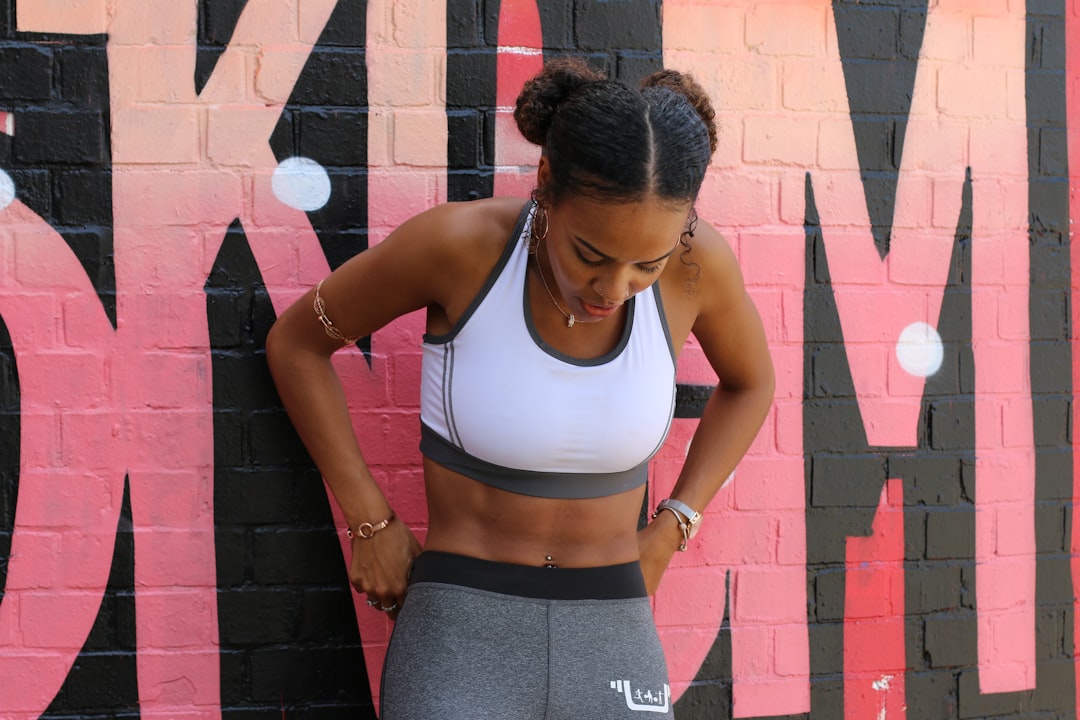

  • How to Lose Belly Fat as a Woman UK: Practical Steps for Beginners

    How to Lose Belly Fat as a Woman UK: Practical Steps for Beginners

    Struggling with stubborn belly fat can be frustrating, especially when generic advice ignores how your body actually works. This guide breaks down how to lose belly fat as a woman in the UK by understanding your unique hormonal cycle, adjusting your nutrition at the right times, and avoiding common diet mistakes. You’ll get clear, actionable steps to start seeing real changes, all based on reliable UK sources and practical experience. No jargon, just straightforward guidance for your fitness journey.

    Why Standard Diet Plans Don't Account for Your Hormones

    Most diet plans offer a one-size-fits-all approach, ignoring that women’s bodies operate on hormonal cycles that impact everything from appetite to fat storage. For example, oestrogen and progesterone levels fluctuate throughout the month, influencing insulin sensitivity and cravings. Around 60-70% of women report increased hunger or cravings before their period, yet many plans don’t consider this, leading to frustration and binge eating. A standard calorie deficit might work in theory but fails when hormonal shifts cause water retention or fat to cling more tightly to the abdomen.

    A real scenario: A woman following a 1,500-calorie diet might notice fat loss stalling mid-cycle despite adherence because progesterone increases fat storage in the luteal phase. Recognising these patterns helps adjust strategies for better results. The NHS women’s health and nutrition resource emphasises that women’s dietary needs change with their hormonal cycle, supporting a more nuanced approach than generic plans suggest. For more on fitness guides, see our guide.

    How Your Nutritional Needs Change Through Your Cycle

    Your menstrual cycle lasts about 28 days and comprises three key phases that affect nutrient needs: the follicular phase (day 1 to ovulation), ovulation, and the luteal phase (post-ovulation to period start). In the follicular phase, rising oestrogen enhances metabolism and fat burning, making this a good time to focus on lean protein and steady carbohydrates to support energy.

    During ovulation, energy peaks and muscle recovery improves, so slightly higher carbohydrate intake can fuel workouts effectively. After ovulation, in the luteal phase, progesterone rises, increasing appetite and cravings, especially for carbohydrate-rich foods. This phase requires a focus on nutrient-dense foods to prevent overeating while managing mood swings.

    The British Nutrition Foundation outlines these changing needs clearly in their guidance on nutrition across the lifecycle, emphasising iron-rich foods during menstruation to replace losses and magnesium to support mood during the luteal phase. Tracking your cycle can help you time your meals and snacks to match these shifts and reduce belly fat more effectively.

    If you'd rather not plan this manually, Milo generates your meals and workouts automatically.

    The Foods That Support Hormonal Balance and Energy

    Three common nutritional mistakes can undermine your progress:

    1. Ignoring micronutrient needs: Women often miss out on iron, magnesium, and B vitamins, which affect energy and hormonal balance. Iron deficiency can lead to fatigue and increased belly fat storage around the abdomen. Including leafy greens, red meat, and fortified cereals helps avoid this.

    2. Over-relying on restrictive diets: Slashing calories too low can disrupt hormonal signals, lowering metabolism and increasing fat retention. A moderate calorie deficit paired with balanced macros supports sustainable fat loss.

    3. Neglecting healthy fats: Hormones are made from fats, so cutting all fats out can worsen hormonal imbalance. Incorporate sources like oily fish, nuts, and seeds to reduce inflammation and support hormonal health.

    These principles align with the NHS Eatwell Guide which recommends a balanced plate of vegetables, protein, wholegrains, and healthy fats to support overall health and hormone function.

    What to Eat Around Your Period, Ovulation and Luteal Phase

    Eating according to your cycle phases can make a big difference in managing belly fat:

    • Period (menstrual phase): Focus on iron-rich foods like spinach, beans, and lean red meat to replenish losses and reduce fatigue. Hydration also helps with bloating.

    • Follicular phase: Increase protein and complex carbs such as oats and sweet potatoes to support rising oestrogen and muscle repair.

    • Ovulation: Higher energy needs mean adding slightly more carbs and maintaining good protein intake. Include colourful vegetables and fruits for antioxidants.

    • Luteal phase: Manage cravings by prioritising fibre-rich foods like wholegrain bread and legumes, and magnesium-rich nuts and seeds to support mood and reduce water retention.

    Adjusting your eating in this way can reduce the common tendency to overeat during the luteal phase and support steady fat loss. This approach respects the hormonal shifts rather than fighting them.

    Milo helps you stay consistent — no spreadsheets, no guesswork.

    Building a Flexible Eating Approach That Works With Your Hormones

    Start tracking your cycle for at least one month to identify your phases and symptoms. Plan your meals around the phases outlined, allowing flexibility to accommodate cravings without guilt. Aim to include protein with every meal, prioritise whole foods, and avoid extreme calorie restriction.

    Set small weekly goals like adding an extra portion of vegetables or swapping snacks for nuts. Monitor changes in your belly fat and energy levels, adjusting your intake as needed. Remember that consistency across the cycle, not perfection, drives results. This flexible approach is sustainable and supported by UK nutrition experts, helping you lose belly fat while respecting your body’s natural rhythms. Learn more about the Milo and how it can help you get started.

    Frequently Asked Questions

    How long does meal prep take each week for a beginner?

    Meal prep usually takes between 1 to 2 hours per week for beginners. Planning simple meals with batch cooking techniques can reduce daily cooking time, making healthy eating manageable. Starting with just 2–3 meals prepped can ease you in before increasing variety.

    What should I include in a beginner workout plan to target belly fat?

    A beginner workout plan should combine moderate cardio like brisk walking or cycling with strength exercises that engage core muscles, such as planks and bodyweight squats. Aim for 3 sessions a week, 30–45 minutes each, to improve fat loss and overall fitness.

    How much does healthy eating cost in the UK on average?

    Healthy eating in the UK can cost around £30–£50 per week when shopping smartly at supermarkets like Aldi or Lidl. Prioritising seasonal vegetables, whole grains, and affordable protein sources like beans and eggs keeps costs reasonable.

    What’s the best way to start strength training at home as a beginner?

    Begin with bodyweight exercises such as squats, lunges, push-ups, and planks. Perform 2–3 sets of 10–15 repetitions, 2–3 times per week. Focus on proper form before adding weights or resistance bands to avoid injury.

    Can hormonal changes affect belly fat loss in women?

    Yes, hormonal fluctuations throughout the menstrual cycle influence how women store and lose fat, especially around the belly. Progesterone increases fat storage in the luteal phase, while oestrogen promotes fat burning in the follicular phase, affecting weight loss patterns.

    Get started with Milo. Start your 7-day free trial — from £7.99/month.

    Disclaimer: This article is for informational purposes only and does not constitute medical, nutritional, or professional fitness advice. Always consult a qualified healthcare professional before making changes to your diet or exercise routine.

  • How to Lose Weight as a Woman UK Where to Start: A Practical Guide

    How to Lose Weight as a Woman UK Where to Start: A Practical Guide

    Starting a weight loss journey as a woman in the UK can feel daunting, especially with so much conflicting advice about exercise and diet. This guide cuts through the noise, focusing on what really works: strength training, sensible eating, and overcoming common fears around getting 'bulky'. You’ll learn the core facts about how your body responds, why lifting weights is essential, and how to plan your first four weeks with confidence and clarity.

    The "Getting Bulky" Fear That's Keeping Women Away From the Weights Room

    The fear that strength training will cause women to bulk up is the single biggest reason why so many avoid the weights room. In reality, most women have significantly lower testosterone levels than men—about 10 to 20 times less—which makes gaining large amounts of muscle mass naturally very challenging. For example, a woman following a rigorous lifting programme would typically gain between 0.25 to 0.5kg of muscle per month, not the bulky physique many imagine. Yet Sport England data shows only around 11% of women regularly use gym weights, compared to 26% of men, largely due to this fear.

    This misunderstanding leads women to rely solely on cardio, which burns calories but doesn’t build muscle or improve metabolism significantly. The NHS recommends adults include strength exercises involving major muscle groups at least twice a week alongside aerobic activity, firmly positioning lifting as a health priority, not just bodybuilding NHS strength training guidelines. Understanding this is the first step to overcoming the mental block keeping many women from reaching their weight loss goals. For more on fitness guides, see our guide.

    What Strength Training Actually Does to a Woman's Body

    Strength training for women primarily builds muscle tone, increases metabolism, and improves overall health without adding bulk. A typical session might include 2 to 3 sets of 8 to 12 repetitions on major muscle groups like legs, back, chest, and arms, performed twice a week. The muscle added improves resting metabolic rate, meaning your body burns more calories even when not exercising.

    Additionally, strength training supports fat loss by preserving lean muscle mass that often disappears during calorie restriction. This results in a firmer, leaner physique rather than just weight loss on the scales. NHS physical activity guidelines confirm that strength work counts towards your weekly activity targets, debunking the myth that only cardio matters for weight loss NHS physical activity for women.

    A typical weekly plan could be two 30-minute strength sessions complemented by 150 minutes of moderate aerobic exercise like brisk walking or cycling. This balanced approach improves cardiovascular health, muscle strength, and weight management simultaneously.

    If you'd rather not plan this manually, Milo generates your meals and workouts automatically.

    Why Women Who Lift Achieve Better Results Faster

    Women who include strength training alongside sensible nutrition tend to lose fat more effectively and maintain weight loss longer. However, three common mistakes often slow progress:

    1. Skipping Strength Training: Relying on cardio alone burns fewer calories and can lead to muscle loss, which lowers metabolic rate and hampers fat loss over time.

    2. Underestimating Nutrition: Not tracking food intake or cutting calories excessively causes the body to hold onto fat and muscle, stalling progress and risking nutritional deficiencies.

    3. Inconsistent Training: Sporadic workouts fail to produce meaningful muscle adaptation. Regular sessions twice weekly, as per NHS recommendations, are necessary to see measurable strength and fat loss improvements.

    By avoiding these pitfalls, women can boost metabolism, improve body composition, and reduce risks of common conditions like osteoporosis, which strength training helps prevent through increased bone density NHS bone health and strength training.

    How to Start Strength Training With Confidence

    Starting strength training requires more than just showing up with weights; it’s about building a sustainable, injury-free routine. Begin with bodyweight exercises such as squats, lunges, and push-ups to master form before adding resistance. This approach reduces injury risk and builds confidence.

    Next, introduce light weights or resistance bands, gradually increasing intensity over 4 to 6 weeks. Focus on major muscle groups two to three times per week, allowing 48 hours for recovery. Tracking progress—such as noting weights lifted or reps completed—helps maintain motivation and ensures steady improvement.

    Many women worry about joint damage or injury, but evidence shows strength training strengthens joints and reduces arthritis symptoms Versus Arthritis strength and joint health. Starting slowly and focusing on technique will ensure long-term benefits without setbacks.

    Milo helps you stay consistent — no spreadsheets, no guesswork.

    Your First Four Weeks in the Weights Room

    Week 1-2: Begin with 2 full-body strength sessions per week, 20-30 minutes each, using bodyweight or light dumbbells. Include exercises like squats, glute bridges, modified push-ups, and bent-over rows. Aim for 2 sets of 10-12 reps per exercise.

    Week 3-4: Increase to 3 sessions per week or add a third set per exercise. Add slightly heavier weights or resistance bands. Incorporate rest days between sessions to allow muscle recovery.

    Alongside strength, aim for 150 minutes of moderate aerobic activity weekly, such as brisk walking or cycling. This balanced approach accelerates fat loss, improves heart health, and supports mental wellbeing.

    Stick to this plan consistently for four weeks, focusing on form and gradually increasing challenge. This foundation sets you up for sustainable weight loss and improved fitness over the months ahead. Learn more about the Milo and how it can help you get started.

    Frequently Asked Questions

    How long should a beginner strength training session last?

    A beginner strength training session should last around 20 to 30 minutes, focusing on major muscle groups with 2 to 3 sets of 8 to 12 repetitions per exercise. This duration is sufficient to build strength and avoid burnout.

    Can strength training help with weight loss for women in the UK?

    Yes, strength training helps women lose weight by building muscle, which increases resting metabolic rate and aids fat loss. It also preserves muscle during calorie deficits, leading to a leaner body composition.

    How often should women in the UK do strength training to see results?

    Women should aim for at least two strength training sessions per week targeting all major muscle groups, as recommended by UK health guidelines, to see improvements in strength and fat loss.

    Is it normal to feel sore after starting strength training?

    Yes, mild muscle soreness after starting or increasing strength training is normal and indicates muscle adaptation. It typically subsides within 48 hours and can be managed with rest and gentle stretching.

    What are simple strength exercises for beginners at home?

    Simple beginner exercises include bodyweight squats, lunges, glute bridges, modified push-ups, and bent-over rows using resistance bands or light weights. These build foundational strength safely at home.

    Get started with Milo. Start your 7-day free trial — from £7.99/month.

    Disclaimer: This article is for informational purposes only and does not constitute medical, nutritional, or professional fitness advice. Always consult a qualified healthcare professional before making changes to your diet or exercise routine.