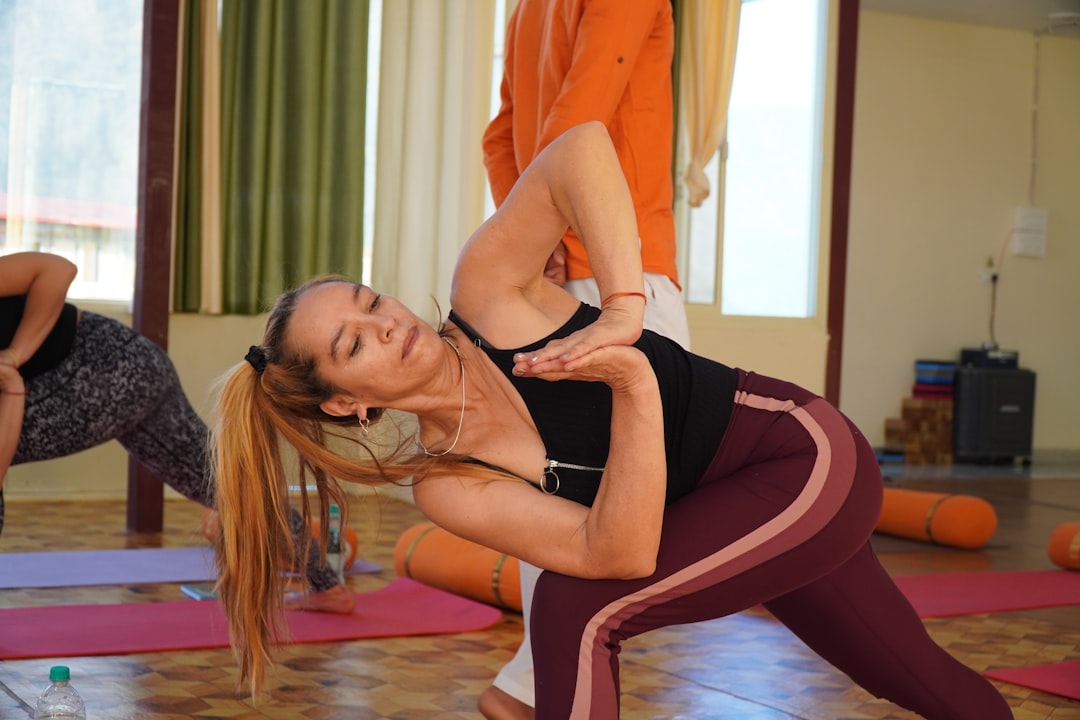
Returning to exercise after pregnancy can feel overwhelming due to hormonal shifts and physical changes. Postnatal women in the UK face unique challenges including fluctuating energy, nutrient needs, and recovery timelines. Understanding how your body’s hormonal cycle affects energy and nutrition is key to restarting physical activity safely. This guide provides clear, evidence-based advice on managing your diet and exercise to support your body’s recovery, optimise energy levels, and create a sustainable routine that respects your postnatal physiology.
Why Standard Diet Plans Don't Account for Your Hormones
Standard diet plans often overlook the complex hormonal changes women experience postpartum. Hormones such as oestrogen, progesterone, and prolactin fluctuate significantly after childbirth, influencing appetite, energy metabolism, and mood. The hormonal cycle is the monthly pattern of these hormones that regulates reproductive functions and impacts nutritional requirements. For example, prolactin levels rise to support breastfeeding, which increases calorie needs by approximately 500 kcal per day during exclusive breastfeeding. Ignoring these changes can lead to inadequate energy intake or nutrient imbalances that impair recovery and exercise performance. The NHS women's health and nutrition guidance highlights that nutritional needs in postnatal women differ from standard adult recommendations due to these hormonal effects. Tailoring nutrition and exercise plans to hormone-driven shifts ensures better support for physical and emotional wellbeing. For more on fitness guides, see our guide.
How Your Nutritional Needs Change Through Your Cycle
Your nutritional needs shift across the menstrual cycle phases, even postpartum when menstruation returns. The cycle comprises the follicular phase, ovulation, and luteal phase, each affecting energy metabolism differently. During the follicular phase, rising oestrogen improves insulin sensitivity, making carbohydrate metabolism more efficient. Around ovulation, energy demand peaks, requiring more carbohydrates and micronutrients like zinc. In the luteal phase, progesterone raises basal metabolic rate by 5-10%, increasing calorie needs and often causing cravings for fats and sugars. Postnatal women should monitor these phases to adjust meal timing and composition accordingly. Major UK supermarkets like Tesco and Sainsbury’s stock seasonal, nutrient-dense foods aligned with these needs. The British Nutrition Foundation nutrition across the lifecycle recommends focusing on nutrient-dense meals that support these metabolic changes, particularly emphasising iron and calcium-rich foods to replenish postpartum stores and support bone health.
If you'd rather not plan this manually, Milo generates your meals and workouts automatically.
The Foods That Support Hormonal Balance and Energy
The three common dietary mistakes that undermine hormonal balance and energy postpartum are: excessive processed sugar intake, insufficient protein consumption, and inadequate healthy fats. High sugar intake leads to blood sugar crashes and worsened mood swings. Low protein delays tissue repair and muscle rebuilding crucial after pregnancy. Insufficient omega-3 fatty acids impair anti-inflammatory processes and brain function. Including foods rich in complex carbohydrates like whole grains, lean proteins such as poultry and legumes, and healthy fats from oily fish or flaxseeds can stabilise hormones and provide sustained energy. The NHS Eatwell Guide advises balancing portions across food groups to meet vitamin and mineral needs. For example, vitamin D supports mood and immune function, while iron counters postpartum anaemia risks. Avoiding fad diets that restrict entire food groups helps maintain this balance.
What to Eat Around Your Period, Ovulation and Luteal Phase
Contrary to popular belief, you do not need to eat the same way every day of your cycle postpartum. Adjusting meals according to your hormonal phases can improve energy and wellbeing. During menstruation, iron-rich foods like spinach and red meat help replace blood loss, as women can lose up to 30-40ml of blood per period. Around ovulation, antioxidant-rich fruits and vegetables support cellular repair and hormone synthesis. The luteal phase calls for magnesium and B vitamins from nuts and whole grains to ease premenstrual symptoms and support metabolism. Evidence from the British Nutrition Foundation emphasises that tailoring nutrient intake to cycle phases can lessen fatigue and mood fluctuations. Drinking adequate water and limiting caffeine during the luteal phase also improves comfort.
Milo helps you stay consistent — no spreadsheets, no guesswork.
Building a Flexible Eating Approach That Works With Your Hormones
Develop a flexible eating plan by tracking your cycle and adjusting food choices weekly. Start by noting your menstrual phases for two months, then plan meals that prioritise iron and protein during menstruation, antioxidants at ovulation, and magnesium-rich foods in the luteal phase. Set achievable goals such as preparing batch-cooked meals ahead and incorporating snacks like nuts or yoghurt to stabilise blood sugar. Hydration and moderate caffeine intake should remain consistent. Avoid rigid diets to prevent energy dips and hormonal disruption. Regularly reassess your plan every 4–6 weeks to refine it based on energy levels and mood. Learn more about the Milo and how it can help you get started.
Frequently Asked Questions
How soon can I start exercising after giving birth in the UK?
Most women can begin gentle postnatal exercises like pelvic floor and walking around 6 weeks after a vaginal birth, once cleared by a healthcare professional. The NHS recommends consulting your midwife or GP before resuming more intensive workouts to ensure proper healing and avoid complications.
What types of exercise are safe for postnatal women in the UK?
Safe postnatal exercises include low-impact activities such as walking, swimming, pelvic floor exercises, and gentle yoga. These support gradual strength rebuilding without overloading healing tissues. Avoid high-impact or abdominal exercises until cleared by a healthcare provider.
How does breastfeeding affect my exercise routine and nutrition?
Breastfeeding increases daily calorie needs by about 500 kcal and requires extra hydration. It can also affect energy levels and hormonal balance, so adjusting your nutrition to include sufficient protein, iron, and fluids is important when exercising postpartum.
What nutritional deficiencies should UK women watch for after pregnancy?
Iron deficiency is common postpartum due to blood loss and increased demand, with up to 20% of women affected. Vitamin D and calcium are also crucial for bone health. The NHS advises monitoring these nutrients to support recovery and energy.
Can hormonal changes after pregnancy impact my motivation to exercise?
Yes, fluctuating hormones like progesterone and oestrogen can affect mood, energy, and motivation. Postnatal women may experience fatigue or mood swings, which can make consistent exercise challenging. Tailoring routines to hormonal cycles can improve adherence.
Get started with Milo. Start your 7-day free trial — from £7.99/month.
Disclaimer: This article is for informational purposes only and does not constitute medical, nutritional, or professional fitness advice. Always consult a qualified healthcare professional before making changes to your diet or exercise routine.
Leave a Reply