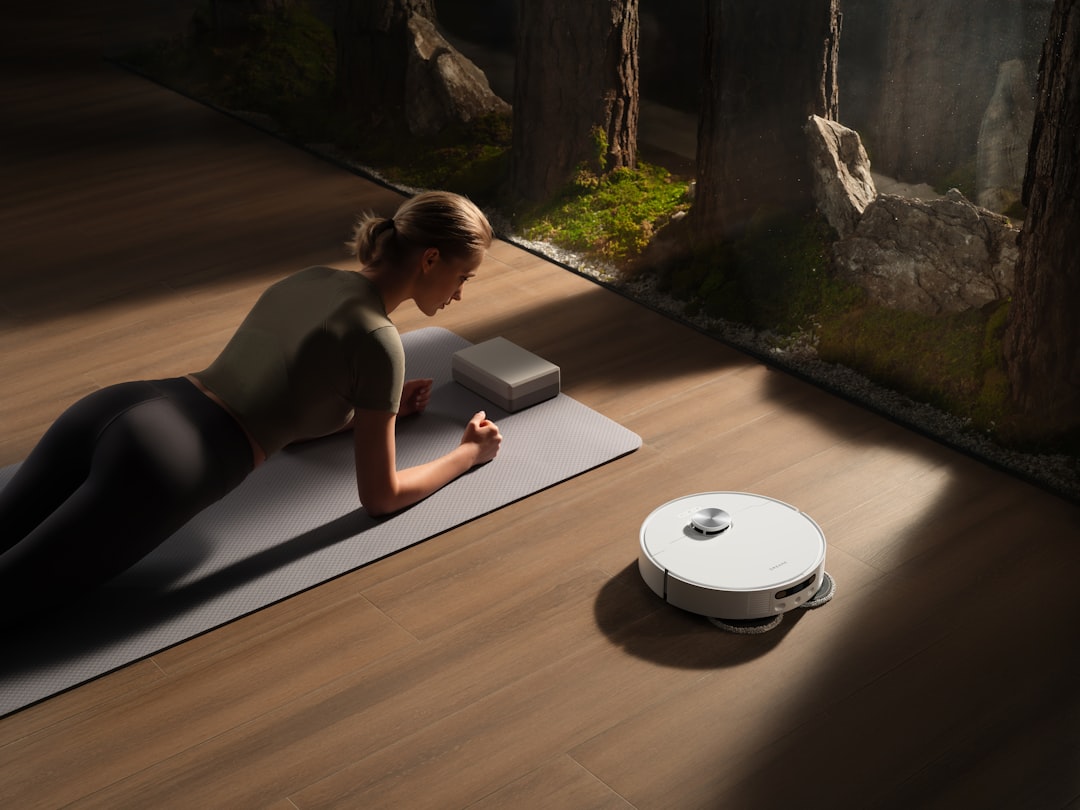
New mums in the UK often struggle to find time and resources for fitness, especially without access to equipment. A home workout that requires no equipment can be the perfect solution to regain strength, improve mood, and support recovery after childbirth. Tailored exercises focusing on strength, mobility and posture can be done safely at home, helping new mothers rebuild their fitness gradually while caring for their baby. For more on fitness guides, see our guide.
The "Getting Bulky" Fear That's Keeping Women Away From the Weights Room
"Getting bulky" is the unfounded fear that strength training will cause women to develop excessively large muscles, which is rarely the case due to physiological differences. Women produce much lower levels of testosterone than men, making significant muscle hypertrophy extremely difficult without specific training and diet regimes. The NHS strength training guidelines emphasise that strength exercises, even with weights, generally improve muscle tone and support metabolic health rather than bulk. This myth has cost many women years of progress because they avoid weight training, missing out on benefits like improved posture, bone density, and mental wellbeing. Strength training after childbirth helps rebuild muscle lost during pregnancy and supports the return to pre-pregnancy fitness levels without causing unwanted bulk.
What Strength Training Actually Does to a Woman's Body
Strength training builds lean muscle, enhances metabolism, and supports bone health without causing excessive muscle size. The NHS physical activity for women recommends adults engage in muscle-strengthening activities at least twice a week to maintain healthy joints and bones. Exercises like bodyweight squats, glute bridges, and modified planks improve muscle endurance and core stability, critical for new mums recovering from pregnancy-related changes. Strength training also reduces the risk of osteoporosis by stimulating bone formation, as the NHS bone health and strength training advice explains. This process is vital for women post-childbirth, who may experience reduced bone density due to hormonal shifts. Incorporating strength training into your routine promotes long-term health benefits, including better energy levels and reduced injury risk.
Why Women Who Lift Achieve Better Results Faster
The three mistakes holding new mums back are neglecting strength training, overemphasising cardio, and fearing muscle gain. Neglecting strength training leads to slower recovery and weaker muscle tone. Overemphasising cardio often results in fatigue without improving muscle strength or bone density, which are essential for postnatal health. Fear of muscle gain prevents many women from lifting weights or performing resistance exercises, despite the NHS confirming that muscle bulk is rare without specific conditions. Women who include regular strength training see faster improvements in posture, energy, and fat loss because muscle tissue burns more calories at rest. This combination accelerates recovery and fitness gains compared to cardio-only approaches.
How to Start Strength Training With Confidence
Starting strength training after childbirth requires a focus on gradual progression and listening to your body. Contrary to popular belief, even gentle strength work can be beneficial from six weeks postpartum with medical clearance. The NHS suggests beginning with low-intensity bodyweight exercises before adding resistance or complexity. Begin with two sessions a week, including exercises targeting the core, legs, and upper body, with sets of 8-12 repetitions. Rest between sets and avoid any exercise causing pain or discomfort. Consistency is key; building strength over four to six weeks can significantly improve function and mood. This approach aligns with NHS physical activity guidelines and supports bone health while reducing injury risk.
Your First Four Weeks in the Weights Room
Begin with clear, manageable goals: aim for two strength sessions per week, each lasting 20-30 minutes. Focus on foundational moves like bodyweight squats, glute bridges, pelvic tilts, and wall push-ups. Perform 2-3 sets of 8-12 repetitions per exercise, resting 30-60 seconds between sets. Track progress weekly by increasing reps or sets as strength improves. Prioritise posture and controlled movements to protect your joints and pelvic floor. After four weeks, reassess your routine and consider adding light resistance or new exercises.
Frequently Asked Questions
What is the best home workout for new mums UK no equipment?
The best home workout for new mums UK no equipment involves bodyweight exercises like squats, glute bridges, pelvic floor exercises, and modified push-ups performed twice weekly as recommended by NHS strength training guidelines. These exercises rebuild muscle and support recovery without needing gym access.
How often should new mums do home workouts without equipment?
New mums should aim for at least two strength training sessions per week, each lasting 20-30 minutes, to align with NHS physical activity guidelines. Consistency helps rebuild strength and supports bone health after childbirth.
Can new mums safely start strength training at home without equipment?
Yes, new mums can safely start strength training at home without equipment from around six weeks postpartum with medical clearance. Beginning with low-impact bodyweight exercises reduces risk and aligns with NHS recommendations for gradual postnatal exercise.
Does strength training make new mums bulky?
Strength training does not make new mums bulky. Women naturally have lower testosterone levels, making significant muscle bulk rare. NHS strength training guidelines clarify that resistance exercises primarily improve muscle tone and metabolic health.
Why is strength training important for new mums at home?
Strength training is important for new mums as it rebuilds muscle lost during pregnancy, improves posture, supports pelvic floor function, and enhances bone density. The NHS highlights strength exercises as key to reducing osteoporosis risk and improving overall postnatal recovery.
Get started with Milo. Start your 7-day free trial — from £7.99/month.
Disclaimer: This article is for informational purposes only and does not constitute medical, nutritional, or professional fitness advice. Always consult a qualified healthcare professional before making changes to your diet or exercise routine.
Leave a Reply