Exercising with bad knees can feel impossible, but UK women have safe ways to stay active and maintain fitness without aggravating joint pain. Knee problems affect around 25% of adults, limiting activity and quality of life. Low-impact exercises, tailored strength training, and proper guidance can reduce pain and improve mobility. Understanding how to work around knee limitations is essential for staying strong and healthy. With the right approach, knee issues don’t have to hold you back from fitness progress.
The "Getting Bulky" Fear That's Keeping Women Away From the Weights Room
"Getting bulky" is the unfounded fear that lifting weights will cause excessive muscle mass in women. This myth is why many UK women avoid strength training altogether, even when it would benefit their knees and overall fitness. Bulking is defined as a significant increase in muscle size, which requires substantial calorie surplus, specific training regimes, and often supplements. Due to hormonal differences, most women have only 5–10% of the testosterone men do, making bulking naturally difficult.
Avoiding weights because of this fear denies women the protective benefits of strength training. Muscle mass supports joints, reduces load on knees, and enhances stability, lowering injury risk. The NHS strength training guidelines confirm that adults should include muscle-strengthening activities targeting all major muscle groups at least twice a week for optimal health benefits. This includes those with joint issues, provided exercises are adapted properly. For more on nutrition for women UK, see our guide.
What Strength Training Actually Does to a Woman's Body
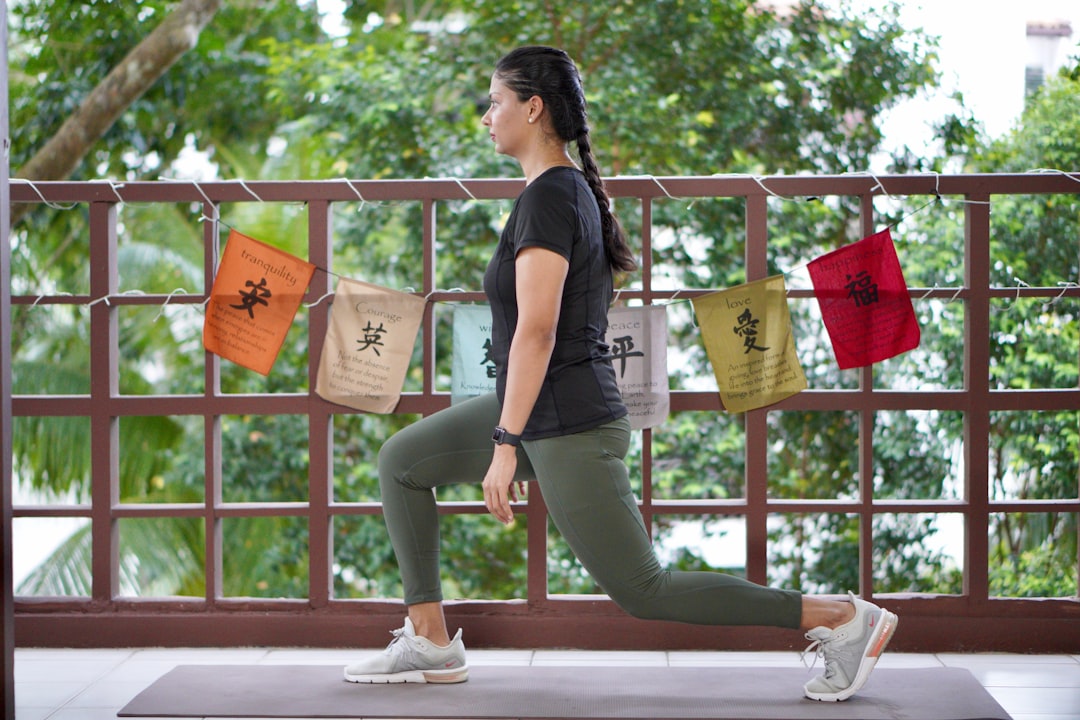
Strength training for women primarily improves muscle tone, strength, and metabolic health rather than causing bulky muscles. The process involves progressive overload: gradually increasing resistance to stimulate muscle fibres without excessive growth. A typical beginner session in a UK gym or at home includes compound movements like squats, lunges, and step-ups with light weights or body weight.
Exercise sessions lasting 20–30 minutes, twice per week, are enough to build functional strength. This supports knee joints by strengthening quadriceps, hamstrings, glutes, and calves. Stronger muscles absorb shock better, reducing knee pain during daily activities. The NHS physical activity for women guidelines emphasise that strength training also helps maintain healthy bone density, reducing osteoporosis risk, especially important as women age.
If you'd rather not plan this manually, Milo generates your meals and workouts automatically.
Why Women Who Lift Achieve Better Results Faster
The three biggest mistakes that slow progress for women with knee pain are: avoiding all strength exercises, relying solely on cardio, and using incorrect form. Avoiding strength training causes muscle atrophy, worsening joint stability. Overdoing cardio without strengthening increases knee strain. Poor technique, such as improper squat depth, stresses the knee unnecessarily.
Women who incorporate strength training following NHS bone health and strength training advice experience faster pain reduction and improved mobility. Strengthening muscles around the knee redistributes load and supports joint structures. This approach leads to quicker fitness improvements and better long-term knee health compared to cardio-only routines or inactivity.
How to Start Strength Training With Confidence
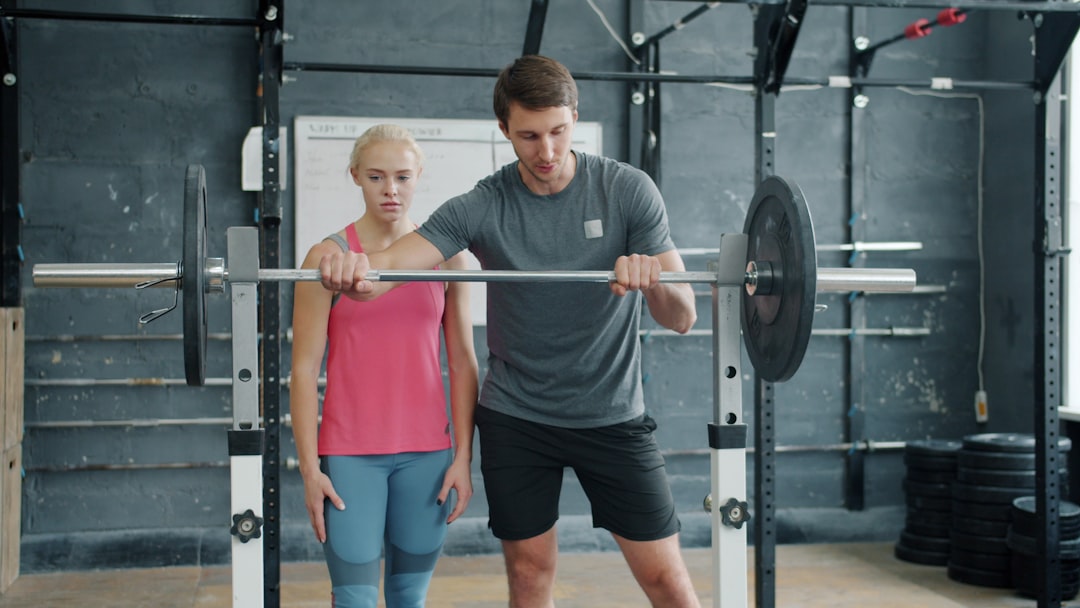
Starting strength training with bad knees requires a cautious but consistent approach. Begin with low-impact exercises and light resistance, gradually increasing intensity based on pain-free movement. The NHS recommends starting with twice-weekly sessions involving leg-focused exercises that promote joint stability and bone strength.
Prioritise controlled movements and proper form to avoid injury. Using resistance bands or bodyweight exercises at home or in community gyms is effective. A slow, measured progression over 4–6 weeks helps build confidence and strength safely. Evidence shows that women who follow this method see improvements in knee pain and function within a month.
Milo helps you stay consistent — no spreadsheets, no guesswork.
Your First Four Weeks in the Weights Room
Start your first week focusing on bodyweight exercises like wall sits, glute bridges, and seated leg raises. Perform two sessions per week, 20 minutes each, paying attention to knee comfort. In week two, add light resistance bands or small dumbbells for exercises such as step-ups and partial squats. Week three and four should increase reps and resistance slightly, always avoiding sharp pain.
Track your progress and rest between sessions to allow recovery. After four weeks, you should notice increased knee stability and reduced discomfort. Consistency is key. Learn more about the Milo and how it can help you get started.
Frequently Asked Questions
What are the best low-impact exercises for UK women with bad knees?
The best low-impact exercises for UK women with bad knees include swimming, cycling, and walking on flat surfaces. These activities minimise joint stress while maintaining cardiovascular health and muscle engagement. According to NHS physical activity guidelines, these exercises support knee health without aggravating pain.
Can UK women with bad knees do strength training safely?
Yes, strength training can be done safely by UK women with bad knees when exercises are adapted to avoid excessive joint strain. The NHS strength training guidelines recommend muscle-strengthening activities twice a week, focusing on controlled movements targeting leg muscles to support knee stability and reduce pain.
Why is the fear of getting bulky unfounded for women exercising with bad knees?
The fear of getting bulky is unfounded because women have 5–10% of the testosterone men do, making significant muscle bulk difficult. Strength training primarily improves tone and strength without excessive size, which supports knee joints and overall fitness according to NHS recommendations.
How quickly can UK women with bad knees see improvement from strength training?
UK women with bad knees can see improvements in pain and mobility within 4 to 6 weeks of consistent, adapted strength training. Following NHS guidelines for twice-weekly sessions focusing on joint stability and muscle strength leads to measurable progress in knee function.
What are common mistakes UK women make when exercising with bad knees?
Common mistakes include avoiding strength training, relying only on cardio, and using incorrect exercise form. These errors can worsen knee instability and pain. The NHS advises combining low-impact cardio with proper strength exercises to protect and strengthen knees effectively.
Get started with Milo. Start your 7-day free trial — from £7.99/month.
Disclaimer: This article is for informational purposes only and does not constitute medical, nutritional, or professional fitness advice. Always consult a qualified healthcare professional before making changes to your diet or exercise routine.