Tag: meal-prep-uk

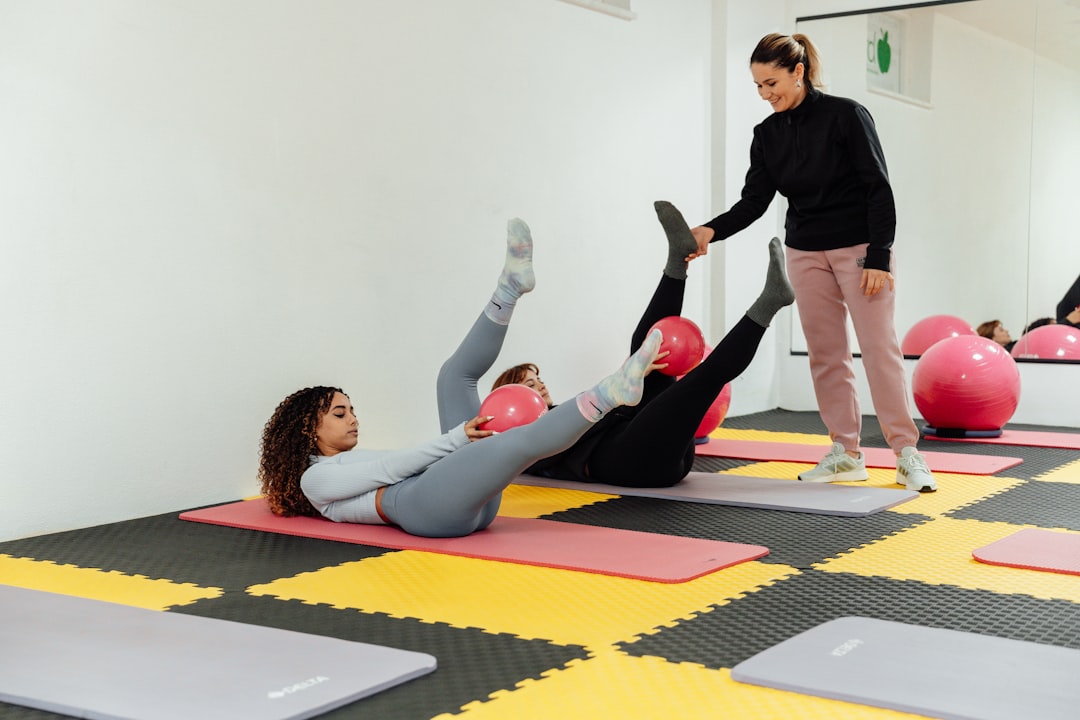
  • Pilates for Beginners UK Women at Home: A Simple Start

    Pilates for Beginners UK Women at Home: A Simple Start

    Starting pilates at home can be challenging for UK women new to exercise, especially when generic advice overlooks female physiology. Hormonal fluctuations, menopause, and postnatal recovery uniquely affect fat loss and muscle tone. This guide explains how pilates can support strength, flexibility, and fat loss by respecting these biological factors. It offers practical training and nutrition insights to build an effective, sustainable fitness routine tailored for women beginning pilates in the UK. For more on nutrition for women UK, see our guide.

    Why Fat Loss Works Differently for Women

    Fat loss is the process of reducing adipose tissue, which behaves differently in women due to hormonal influences such as oestrogen and progesterone. The menstrual cycle affects metabolism and energy use, with fat oxidation varying by phase. According to NHS women's health and nutrition, these hormonal fluctuations influence how women store and lose fat, especially around menopause and postnatal periods. Women tend to store more fat subcutaneously and experience slower metabolic rates, requiring tailored exercise and nutrition strategies. Recognising these differences is essential when starting pilates or any fitness programme, ensuring workouts honour energy levels and recovery needs throughout the cycle.

    The Nutrition Approach That Actually Works for Female Fat Loss

    Effective fat loss in women relies on a nutrition plan that balances macronutrients and supports hormonal health. The British Nutrition Foundation protein and fat loss guidance emphasises adequate protein intake to preserve lean muscle during calorie deficit phases. Women should aim for 1.2 to 1.6 grams of protein per kilogram of body weight daily, spread evenly across meals. Combining this with healthy fats and low glycaemic index carbohydrates from supermarkets like Tesco or Sainsbury’s provides steady energy for pilates sessions. Timing meals around workouts helps optimise fat oxidation and muscle recovery. Hydration and micronutrient intake, including vitamin D and iron, also play roles in supporting metabolism and exercise performance.

    If you'd rather not plan this manually, Milo generates your meals and workouts automatically.

    The Training Mistakes Women Make During a Fat Loss Phase

    The three most common training mistakes that hinder fat loss in women are neglecting strength work, overdoing cardio, and ignoring recovery. Avoiding strength training can lead to muscle loss, slowing metabolism and reducing long-term fat loss effectiveness. Excessive cardio without resistance results in fatigue and hormonal imbalance, particularly affecting cortisol and oestrogen levels. Lastly, insufficient rest impairs recovery and increases injury risk. The NHS physical activity guidelines for adults recommend at least 150 minutes of moderate aerobic activity plus two sessions of strength training weekly, which pilates can support when properly programmed.

    What Consistent Women Do That Most People Miss

    Consistent women recognise the importance of aligning exercise with their hormonal cycle and prioritising quality over quantity. Research shows that training intensity and type adapted to menstrual phases can enhance fat loss and reduce injury risk. For example, focusing on flexibility and core work during the follicular phase, when energy peaks, and active recovery during the luteal phase supports balance. Additionally, incorporating mindful breathing and stress reduction through pilates improves mental health, which is linked to better adherence and fat loss outcomes. A study cited by Mind — exercise and women's mental health highlights that regular moderate exercise benefits mood disorders common in women.

    Milo helps you stay consistent — no spreadsheets, no guesswork.

    Your Starting Framework: Fat Loss Done Right for Women

    Begin with pilates routines tailored to your cycle stage, starting with 20–30 minutes sessions three times weekly focusing on core and flexibility. Combine this with a nutrition plan prioritising protein intake of 1.2–1.6g/kg daily and balanced fats and carbs. Schedule strength-focused pilates moves twice weekly, with lighter restorative sessions on alternate days. Track progress weekly and adjust based on energy and recovery. Ensure hydration and micronutrient sufficiency aligned with NHS recommendations.

    Frequently Asked Questions

    Can UK women do pilates effectively at home as beginners?

    Yes, UK women can effectively start pilates at home as beginners by following structured routines lasting 20-30 minutes, three times per week. This approach supports gradual strength and flexibility improvements while accommodating hormonal cycles, making it suitable for all fitness levels.

    How does pilates support fat loss for women in the UK?

    Pilates aids fat loss for UK women by improving muscle tone and core strength, which increases resting metabolic rate. Combined with proper nutrition and cycle-aware training, pilates enhances fat oxidation while minimising injury risk.

    What are the best pilates exercises for beginners at home in the UK?

    Effective beginner pilates exercises for home include the pelvic curl, chest lift, leg circles, and spine stretch. These moves focus on core stability and flexibility, aligning with NHS physical activity guidelines recommending strength and mobility work for adults.

    How often should UK women practice pilates at home for results?

    Practising pilates three to four times per week, with sessions of 20-30 minutes, is ideal for UK women beginners. This frequency supports muscle development and fat loss while allowing sufficient recovery, as outlined in NHS exercise guidelines.

    Is pilates suitable during menopause for UK women starting at home?

    Pilates is suitable and beneficial for UK women during menopause when started at home. It supports joint health, muscle maintenance, and stress reduction, addressing common menopausal symptoms. Adjusting intensity based on energy levels optimises results.

    Get started with Milo. Start your 7-day free trial — from £7.99/month.

    Disclaimer: This article is for informational purposes only and does not constitute medical, nutritional, or professional fitness advice. Always consult a qualified healthcare professional before making changes to your diet or exercise routine.

  • Barre Workout for Beginners UK Women: A Practical Guide

    Barre Workout for Beginners UK Women: A Practical Guide

    Barre workouts combine ballet-inspired movements with Pilates and yoga to improve strength, posture and flexibility, especially for women new to fitness. This guide explains how beginner-friendly barre routines can fit into your lifestyle, highlighting key nutritional considerations that support hormonal health. Understanding the cycle-based nutritional needs helps UK women optimise energy and results from their workouts.

    Why Standard Diet Plans Don't Account for Your Hormones

    Standard diet plans often overlook the influence of hormonal cycles on women's nutritional needs and energy metabolism. Hormonal fluctuations affect appetite, nutrient absorption, and energy levels across the menstrual cycle. The menstrual cycle is typically divided into four phases: menstrual, follicular, ovulation, and luteal, each lasting from 3 to 14 days depending on the individual. These phases involve varying levels of oestrogen and progesterone, which impact metabolism and nutrient requirements.

    The NHS women's health and nutrition guidelines emphasise that women’s nutritional requirements shift throughout these cycle phases, influencing how the body utilises carbohydrates, fats, and proteins. For example, in the luteal phase, progesterone levels rise, increasing basal metabolic rate by about 5–10%, which can lead to higher energy demands. Ignoring these changes can lead to suboptimal dietary choices and reduced workout effectiveness. Recognising these hormonal influences helps tailor nutrition and exercise routines, improving women's fitness progression and wellbeing. For more on nutrition for women UK, see our guide.

    How Your Nutritional Needs Change Through Your Cycle

    Women’s nutritional needs fluctuate systematically across the menstrual cycle due to hormonal shifts impacting metabolism and nutrient utilisation. During the follicular phase, rising oestrogen supports increased insulin sensitivity and carbohydrate metabolism, making it an ideal time for higher carbohydrate intake to fuel workouts. Conversely, the luteal phase demands more protein and fat to accommodate increased basal metabolic rate and support progesterone-driven thermogenesis.

    Practical steps include increasing complex carbohydrate intake during the first half of the cycle and focusing on protein-rich foods and healthy fats in the second half. UK supermarkets such as Tesco and Sainsbury’s offer seasonal vegetables, lean proteins, and whole grains that fit these needs. Iron requirements also peak during menstruation due to blood loss; the NHS advises increasing iron-rich foods like spinach and lean red meat at this time. Tailoring nutrition to cycle phases optimises energy availability and recovery for barre workouts, enhancing overall fitness outcomes.

    The British Nutrition Foundation nutrition across the lifecycle resource highlights that adapting macronutrient ratios and micronutrient intake according to the menstrual cycle phases supports women’s health and performance effectively.

    If you'd rather not plan this manually, Milo generates your meals and workouts automatically.

    The Foods That Support Hormonal Balance and Energy

    The three major nutritional mistakes that undermine hormonal balance and energy are insufficient iron intake, neglecting healthy fats, and consuming excessive added sugars. Low iron intake can cause fatigue and impair oxygen transport, especially during menstruation, leading to decreased workout performance. The NHS iron deficiency and women resource indicates iron deficiency anaemia affects around 1 in 5 women aged 16-49 in the UK.

    Ignoring healthy fats reduces the availability of essential fatty acids required for hormone synthesis, affecting mood and energy. Sources like oily fish, nuts, and seeds provide omega-3s that support hormonal regulation. Excess added sugars destabilise blood glucose, causing energy dips and mood swings, counterproductive to consistent training.

    Balancing nutrient-dense, minimally processed foods with sufficient iron, healthy fats, and limited sugars supports hormonal health and sustained energy needed for regular barre workouts.

    What to Eat Around Your Period, Ovulation and Luteal Phase

    Contrary to common advice focusing only on calorie counting, eating according to menstrual cycle phases supports hormonal balance and energy stability. During menstruation, increased iron-rich foods like lentils, fortified cereals, and lean meat help replenish losses from bleeding. The NHS Eatwell Guide recommends combining these with vitamin C-rich foods such as citrus fruits to enhance iron absorption.

    Around ovulation, carbohydrate-rich foods paired with protein are beneficial to support increased energy expenditure and repair. In the luteal phase, prioritising healthy fats and complex carbohydrates helps manage progesterone’s effects on metabolism and mood. Research shows that women’s basal metabolic rate can rise by up to 10% in the luteal phase, increasing energy needs.

    Eating flexibly with attention to these phases supports wellbeing, workout recovery, and hormonal balance without rigid dieting.

    Milo helps you stay consistent — no spreadsheets, no guesswork.

    Building a Flexible Eating Approach That Works With Your Hormones

    Create a cycle-aware eating plan by tracking your menstrual phases and adjusting your food intake accordingly. Start by increasing iron during menstruation, focusing on protein and carbohydrates during the follicular phase, and incorporating more healthy fats in the luteal phase. Plan meals ahead to include nutrient-dense options available from UK supermarkets.

    Avoid rigid calorie restrictions and instead listen to hunger cues, as hormonal changes influence appetite naturally. Regular hydration and balanced meals at consistent times support energy and mood throughout the month. Learn more about the Milo and how it can help you get started.

    Frequently Asked Questions

    What is a barre workout and is it suitable for beginners in UK women?

    A barre workout is a low-impact exercise combining ballet, Pilates, and yoga techniques focusing on small, controlled movements to improve strength and flexibility. It is suitable for beginners, including UK women, as it uses bodyweight and light resistance, making it accessible and effective for building muscular endurance and posture.

    How often should UK women new to barre work out per week?

    Beginners in the UK should aim for 2 to 3 barre sessions per week, each lasting around 30 to 45 minutes. This frequency allows adequate muscle recovery and progressive strength gains without overtraining.

    What are the best foods to eat before and after a barre workout for UK women?

    Before a barre workout, UK women should consume easily digestible carbohydrates like a banana or oatmeal to fuel energy. After exercising, combining protein and carbohydrates, such as Greek yoghurt with berries or whole-grain toast with nut butter, supports muscle recovery and replenishes glycogen stores.

    Can barre workouts help with weight loss for UK women beginners?

    Barre workouts contribute to weight loss by increasing muscle tone and boosting metabolism through controlled, isometric movements. While not high-intensity cardio, regular barre sessions combined with appropriate nutrition can support fat loss and improved body composition in UK women beginners.

    Are there any safety considerations for UK women starting barre workouts?

    Safety for UK women starting barre involves proper warm-up, correct form during exercises, and gradual progression in intensity. Using a stable surface and suitable footwear reduces injury risk. Consulting healthcare providers before starting if there are pre-existing conditions is recommended.

    Get started with Milo. Start your 7-day free trial — from £7.99/month.

    Disclaimer: This article is for informational purposes only and does not constitute medical, nutritional, or professional fitness advice. Always consult a qualified healthcare professional before making changes to your diet or exercise routine.

  • How to Do HIIT Workouts for Women at Home UK Beginners Guide

    How to Do HIIT Workouts for Women at Home UK Beginners Guide

    High-intensity interval training (HIIT) is a popular and efficient way for women in the UK to improve fitness and lose fat without leaving home. HIIT workouts combine short bursts of intense exercise with recovery periods, making them ideal for busy schedules. This guide explains how to do HIIT workouts at home safely and effectively, considering women's unique physiology and cycle-related energy changes. Tailored advice helps you optimise performance and recovery while preventing burnout or injury. For more on nutrition for women UK, see our guide.

    Why Standard Diet Plans Don't Account for Your Hormones

    Standard diet plans often miss how women's hormones affect energy, metabolism, and nutrient needs. Hormones such as oestrogen and progesterone fluctuate throughout the menstrual cycle, impacting appetite, fat storage, and muscle recovery. The NHS women's health and nutrition guidelines highlight that these hormonal changes can alter energy requirements by up to 10–15% depending on the cycle phase. Ignoring this leads to diets that may cause fatigue or hinder progress. Tailored nutrition and exercise plans that respect these hormonal shifts improve adherence and outcomes by working with the body's natural rhythms.

    How Your Nutritional Needs Change Through Your Cycle

    Women's nutritional needs vary distinctly across menstrual phases. The British Nutrition Foundation explains that during the follicular phase (days 1–14), energy levels and insulin sensitivity tend to be higher, supporting greater carbohydrate intake and intense training. Around ovulation, protein needs increase to support muscle repair. The luteal phase (days 15–28) often brings increased appetite and cravings, with elevated progesterone increasing basal metabolic rate by about 5–10%. This phase benefits from balanced meals rich in fibre, iron, and magnesium to counteract fatigue and mood swings. UK supermarkets such as Tesco and Sainsbury's offer seasonal fresh produce ideal for this cycle-based nutrition approach.

    If you'd rather not plan this manually, Milo generates your meals and workouts automatically.

    The Foods That Support Hormonal Balance and Energy

    The three most common dietary mistakes that disrupt hormonal balance and energy are: 1) Skipping meals, which can cause blood sugar crashes and increased cortisol; 2) Relying heavily on processed foods that lack micronutrients essential for hormone synthesis; 3) Insufficient iron intake, leading to anaemia and poor exercise recovery. The NHS Eatwell Guide recommends a diet rich in whole grains, lean proteins, healthy fats, and ample fruits and vegetables to support balanced hormones and sustained energy. Including sources of omega-3 fatty acids like oily fish, nuts, and seeds supports inflammation control and brain health during hormonal fluctuations.

    What to Eat Around Your Period, Ovulation and Luteal Phase

    Contrary to popular belief, eating more during the luteal phase does not inevitably cause weight gain. In fact, NICE menopause and diet guidance note that energy expenditure rises by approximately 100–300 calories per day in this phase due to increased basal metabolic rate. Around your period, focus on iron-rich foods such as spinach, lentils, and red meat to replenish losses and reduce fatigue. During ovulation, higher protein intake from poultry, eggs, and dairy supports tissue repair and muscle growth. Eating a diverse range of colourful vegetables and whole grains throughout the cycle ensures adequate vitamins and minerals, stabilising mood and energy.

    Milo helps you stay consistent — no spreadsheets, no guesswork.

    Building a Flexible Eating Approach That Works With Your Hormones

    Create a weekly nutrition plan that aligns meals with your menstrual cycle phases. Start with higher carbohydrate and protein intake in the follicular and ovulation phases to fuel workouts and recovery. Transition to balanced, nutrient-dense meals rich in magnesium and iron during the luteal and menstrual phases to manage energy dips and cravings. Track your cycle and adjust portion sizes and food choices accordingly. Preparing meals ahead with seasonal UK ingredients helps maintain consistency.

    Frequently Asked Questions

    How do I start HIIT workouts at home as a woman in the UK?

    Start HIIT workouts at home by choosing 4–6 bodyweight exercises like squats, lunges, or jumping jacks. Perform each exercise intensely for 20–30 seconds followed by 30–60 seconds of rest. Repeat the circuit 3–4 times, 3 times per week. Adjust intensity based on your menstrual cycle to optimise energy and recovery.

    What is the best time in my cycle to do HIIT workouts?

    The follicular phase (days 1–14) is best for intense HIIT workouts due to higher energy and insulin sensitivity. During the luteal phase (days 15–28), reduce intensity and focus on lower-impact activities. This approach aligns with hormonal energy fluctuations and supports consistent progress.

    How long should HIIT sessions last for women exercising at home?

    HIIT sessions for women at home should last between 15 and 30 minutes. This duration is effective for improving cardiovascular fitness and burning fat without causing excessive fatigue or injury.

    Can I lose weight doing HIIT workouts at home in the UK?

    Yes, HIIT workouts can contribute to weight loss by increasing calorie burn and boosting metabolism. When combined with a balanced diet aligned with your hormonal cycle, HIIT supports fat loss and muscle retention effectively.

    Do I need special equipment for HIIT workouts at home?

    No special equipment is needed for effective HIIT workouts at home. Bodyweight exercises such as burpees, mountain climbers, and sprinting in place can provide sufficient intensity. Optional items like dumbbells or resistance bands can add variety.

    Get started with Milo. Start your 7-day free trial — from £7.99/month.

    Disclaimer: This article is for informational purposes only and does not constitute medical, nutritional, or professional fitness advice. Always consult a qualified healthcare professional before making changes to your diet or exercise routine.

  • Non Exercise Activity Thermogenesis What Is It UK: A Guide for Women’s Fat Loss

    Non Exercise Activity Thermogenesis What Is It UK: A Guide for Women’s Fat Loss

    Non exercise activity thermogenesis (NEAT) is the energy your body uses for everyday movement excluding formal workouts. It plays a crucial role in fat loss, especially for women balancing changing physiology in their 30s, 40s, and beyond. Understanding NEAT helps women optimise daily activity to burn more calories without extra gym time. This guide explains NEAT’s science and practical steps for sustainable fat loss tailored to UK women’s unique life stages.

    Why Your 30s, 40s or Post-Natal Body Needs a Different Approach

    NEAT is the sum of all non-exercise movements throughout the day, including standing, walking, and household chores. According to the NHS women’s health across life stages resource, women experience metabolic and hormonal shifts that affect how calories are burned and stored as they age. In the 30s and 40s, muscle mass typically begins to decline, reducing resting metabolic rate, while lifestyle demands often increase, limiting time for formal exercise.

    Post-natal women face additional challenges with energy balance as their bodies recover from childbirth and adjust to hormonal changes. The NHS postnatal exercise guidance highlights that integrating gentle movement and gradually increasing daily activity is essential for safe, effective fat loss during this period. For more on fat loss for women UK, see our guide.

    NEAT offers a practical way to increase calorie expenditure without added stress or time commitment. Simple activities like standing while working, taking stairs, or light housework can collectively raise daily energy use, supporting fat loss in ways that suit changing bodies and busy schedules.

    How to Train Effectively for Your Life Stage

    Training for fat loss in your 30s, 40s, or post-natal period requires a tailored approach that balances structured exercise with maximising NEAT. The most effective system combines strength training, cardiovascular activity, and increased daily movement.

    Start with strength exercises two to three times a week to preserve muscle mass, which naturally declines by about 3-8% per decade after 30. The NHS strength exercises for bone health recommend routines that include squats, lunges, and resistance band work to maintain muscle and bone density.

    Incorporate cardiovascular activities such as brisk walking or cycling for at least 150 minutes per week, as advised by UK health guidelines. Supermarkets like Tesco or Sainsbury’s often stock affordable resistance bands and small weights to complement home workouts.

    Boost NEAT by setting daily step goals (aim for 6,000–8,000 steps), standing during phone calls, or doing active chores. Tracking devices or smartphone apps can help monitor progress without overwhelming your routine.

    Balancing training with recovery is crucial, especially post-natally, where the NHS menopause and physical health guidelines recommend gradual increases in activity intensity to avoid injury or fatigue.

    If you'd rather not plan this manually, Milo generates your meals and workouts automatically.

    The Mistakes Women Make When Ignoring Life-Stage Changes

    The three key mistakes that undermine fat loss efforts are: 1) Over-reliance on intense exercise without adjusting for hormonal changes, leading to fatigue and plateaus; 2) Neglecting NEAT, which can reduce daily calorie burn by up to 500 calories compared to more active peers; 3) Ignoring recovery needs, particularly post-natally or during menopause, which increases injury risk and delays progress.

    Women often assume that the same exercise routine that worked in their 20s will continue to deliver results. However, as muscle mass decreases and hormones fluctuate, the body’s response to exercise changes. Ignoring these shifts can cause frustration and burnout.

    Failing to increase NEAT means missing a major opportunity for fat loss. For example, even small increases in standing or walking time can add up to hundreds of extra calories burned weekly. Not prioritising recovery, especially during menopause or after childbirth, can exacerbate symptoms like joint pain and fatigue, making exercise feel less sustainable.

    What the Most Consistent Women Do Differently

    Women who successfully manage fat loss through their 30s, 40s, and postnatal years consistently integrate NEAT with targeted exercise and recovery strategies. Research shows that increasing NEAT by just 1,000 steps a day can boost total energy expenditure by approximately 100 calories, which adds up to significant fat loss over time.

    These women focus on strength training to combat muscle loss, often scheduling sessions around family or work commitments for consistency. They also listen to their bodies, adjusting intensity during menopause or postnatal phases as recommended by the NHS menopause and physical health guidelines.

    Most importantly, they avoid all-or-nothing thinking, recognising that small changes in daily movement and nutrition lead to sustainable results. This approach aligns with NHS advice on physical activity for women across life stages, emphasising balance over extremes.

    Milo helps you stay consistent — no spreadsheets, no guesswork.

    Your Life-Stage Appropriate Starting Point

    Begin by assessing your current daily movement and exercise patterns. Aim to increase NEAT through simple steps: stand or move during TV adverts, take short walks after meals, or do light housework regularly. Set a step goal of 6,000 initially, working up to 8,000 steps daily within four weeks.

    Incorporate two weekly sessions of strength exercises focusing on major muscle groups to preserve metabolic rate. Gradually add cardiovascular activities like walking or cycling to meet the 150-minute UK health recommendation.

    Monitor how your body responds, allowing rest days especially if you are post-natal or experiencing menopause symptoms. Adapt your routine based on energy levels and recovery needs. Learn more about the Milo and how it can help you get started.

    Frequently Asked Questions

    What is non exercise activity thermogenesis (NEAT) and how does it affect fat loss?

    Non exercise activity thermogenesis (NEAT) refers to the calories burned through daily movements excluding formal exercise, such as walking or household chores. It can account for up to 50% of daily energy expenditure, making it a significant factor in fat loss, particularly for women managing metabolism changes in their 30s, 40s and beyond.

    How can UK women increase NEAT for better fat loss results?

    UK women can increase NEAT by integrating more movement into daily life: standing while working, taking stairs, walking short distances, and doing active housework. Gradually increasing daily steps to 6,000–8,000 can boost calorie burn by about 100 calories per day, supporting sustainable fat loss.

    Why is NEAT important for postnatal women in the UK?

    Postnatal women benefit from NEAT as it offers gentle calorie burning without strenuous exercise, aiding recovery. The NHS postnatal exercise guidance recommends gradually increasing light activity to rebuild strength and support fat loss safely after childbirth.

    Does menopause affect NEAT and fat loss in UK women?

    Yes, menopause causes hormonal changes that reduce resting metabolic rate and muscle mass, lowering total energy use. Increasing NEAT alongside strength exercises can help offset this decline, as outlined in NHS menopause and physical health resources.

    What common mistakes reduce NEAT’s effectiveness for women trying to lose fat?

    Common mistakes include over-focusing on intense workouts while neglecting daily movement, ignoring recovery needs, and maintaining sedentary habits. These reduce NEAT’s calorie-burning potential, hindering fat loss efforts especially during life stages like menopause or postnatal.

    Get started with Milo. Start your 7-day free trial — from £7.99/month.

    Disclaimer: This article is for informational purposes only and does not constitute medical, nutritional, or professional fitness advice. Always consult a qualified healthcare professional before making changes to your diet or exercise routine.

  • How to Add More Movement into Your Day UK Woman: Practical Steps for Beginners

    How to Add More Movement into Your Day UK Woman: Practical Steps for Beginners

    Adding more movement into your daily routine can feel challenging, especially balancing work, family, and personal time. For UK women, the interaction between hormonal cycles and energy levels makes a one-size-fits-all approach ineffective. Understanding how your body’s biology influences motivation and fatigue can help you integrate realistic physical activity. This guide offers clear, science-backed strategies to increase daily movement, taking into account hormonal changes, nutrition, and practical time management without overwhelming your schedule. For more on fat loss for women UK, see our guide.

    Why Standard Diet Plans Don't Account for Your Hormones

    Standard diet plans often overlook the influence of hormones, which regulate metabolism, appetite, and energy. Hormones such as oestrogen and progesterone fluctuate across the menstrual cycle, affecting how women respond to food and exercise. For example, during the luteal phase, increased progesterone can raise basal metabolic rate by up to 10%, increasing energy needs. Ignoring these shifts can lead to frustration and perceived failure when standard plans fail to deliver expected results. Evidence from the NHS women’s health and nutrition resources highlights that personalised approaches acknowledging hormonal variations support better adherence and outcomes. The cyclical nature of female hormones means energy peaks and troughs are normal and should guide movement intensity and food intake rather than rigid calorie counting.

    How Your Nutritional Needs Change Through Your Cycle

    Your nutritional requirements fluctuate throughout the menstrual cycle, influencing energy, recovery, and fat loss. In the follicular phase, rising oestrogen supports increased carbohydrate metabolism, making it an ideal time for higher-intensity workouts and carb-rich meals. The ovulation phase demands attention to hydration and antioxidants to support recovery. During the luteal phase, higher progesterone elevates energy expenditure and can increase cravings for protein and iron-rich foods. The British Nutrition Foundation nutrition across the lifecycle emphasises adjusting macro- and micronutrient intake based on these phases. UK supermarkets like Tesco and Sainsbury’s stock seasonal produce rich in vitamins and minerals to support these needs. Tracking your cycle alongside food choices and movement helps optimise energy and fat loss without unnecessary restriction.

    If you'd rather not plan this manually, Milo generates your meals and workouts automatically.

    The Foods That Support Hormonal Balance and Energy

    The three common nutritional mistakes that disrupt hormonal balance and energy are inadequate iron intake, insufficient healthy fats, and low fibre consumption. Iron deficiency affects 1 in 5 women in the UK and can cause fatigue, impairing movement motivation. Healthy fats from sources like oily fish and nuts support hormone synthesis and brain function. Fibre supports digestion and blood sugar regulation, reducing energy crashes. The NHS Eatwell Guide recommends a balanced plate of fruits, vegetables, whole grains, lean proteins, and healthy fats to maintain steady energy and hormonal function. Avoiding these mistakes helps sustain movement levels throughout the day and supports fat loss efforts.

    What to Eat Around Your Period, Ovulation and Luteal Phase

    Contrary to popular belief, there is no single diet for all phases of your cycle, but strategic food choices can ease symptoms and support activity. Around your period, when iron loss is highest, including iron-rich foods like spinach and red meat helps maintain energy. During ovulation, antioxidants from berries and vitamin C-rich foods support immune function. In the luteal phase, complex carbohydrates and magnesium-rich foods like whole grains and leafy greens can reduce PMS symptoms and stabilise mood. The NHS women’s health portal notes that syncing eating patterns with cycle phases can improve wellbeing and fat loss. Timing meals to match these phases supports sustained movement without exhaustion.

    Milo helps you stay consistent — no spreadsheets, no guesswork.

    Building a Flexible Eating Approach That Works With Your Hormones

    Create a weekly plan that aligns your meals and movement with your hormonal cycle. Start by charting your cycle days and noting energy patterns. Schedule higher-intensity activities during the follicular phase and lighter movement in the luteal phase. Plan meals rich in iron during menstruation and increase carbohydrate intake around ovulation for recovery. Keep snacks like nuts and fruit handy to prevent energy dips. Adjust portions rather than restricting calories strictly to accommodate fluctuating needs. Review and adapt your plan monthly to reflect changes.

    Frequently Asked Questions

    How can a UK woman add more movement into her daily routine?

    A UK woman can add more movement by incorporating short, frequent activity breaks every 30 to 60 minutes, such as walking or stretching. Aligning movement intensity with menstrual cycle phases and choosing nutrient-rich foods to support energy levels enhances consistency and results.

    What types of movement are best for fat loss in UK women?

    For fat loss, a combination of moderate-intensity aerobic exercises and resistance training performed three to five times weekly is effective. Light daily activities like walking or household chores also boost calorie expenditure without overtaxing energy levels.

    How do hormonal cycles affect a UK woman’s ability to exercise?

    Hormonal fluctuations affect energy and recovery; for example, higher oestrogen during the follicular phase supports increased exercise capacity, while progesterone dominance in the luteal phase may reduce stamina. Tailoring workout intensity to these phases improves adherence and outcomes.

    What nutritional adjustments help UK women maintain energy for movement?

    Increasing iron intake during menstruation, consuming healthy fats year-round, and maintaining adequate fibre supports sustained energy. The NHS recommends balanced meals with fruits, vegetables, whole grains, and protein to optimise hormonal balance and physical activity.

    How much movement should UK women aim for daily to improve fat loss?

    UK health guidelines suggest at least 150 minutes of moderate activity weekly, which can be broken down into 20–30 minutes daily. Adding light activities throughout the day, such as standing or walking, further supports fat loss and overall health.

    Get started with Milo. Start your 7-day free trial — from £7.99/month.

    Disclaimer: This article is for informational purposes only and does not constitute medical, nutritional, or professional fitness advice. Always consult a qualified healthcare professional before making changes to your diet or exercise routine.
  • Is 10000 Steps Enough to Lose Weight for UK Women? Expert Guide

    Is 10000 Steps Enough to Lose Weight for UK Women? Expert Guide

    Walking 10000 steps daily is a common fitness goal, but is it enough for UK women aiming to lose weight? Weight loss depends on many factors including hormonal cycles, diet quality, and activity intensity. Women’s nutritional needs vary throughout their menstrual cycle, affecting energy levels and fat loss potential. Understanding how to balance movement with tailored eating can help you lose fat sustainably while respecting your body's biology.

    Why Standard Diet Plans Don't Account for Your Hormones

    Hormones are chemical messengers that regulate numerous body functions including metabolism, appetite, and fat storage. The menstrual cycle, lasting about 28 days, involves fluctuating levels of oestrogen and progesterone which affect energy use and hunger cues. Standard diet plans often ignore these fluctuations, treating women as if their metabolism is constant throughout the month. This oversight can lead to frustration and weight loss plateaus.

    Research indicates that during the follicular phase (first half of the cycle), rising oestrogen boosts insulin sensitivity and fat burning, making calorie deficits more effective. In contrast, the luteal phase (second half) sees increased progesterone which can raise appetite and reduce energy expenditure. The NHS women's health and nutrition guidance highlights these hormonal impacts on women's dietary needs and weight management strategies (https://www.nhs.uk/womens-health/). For more on fat loss for women UK, see our guide.

    Ignoring hormonal cycles can cause women to feel like they are failing diets when their biology is simply changing metabolic efficiency and hunger. Tailoring activity levels and nutritional intake to these phases can improve fat loss outcomes.

    How Your Nutritional Needs Change Through Your Cycle

    Nutritional requirements shift across the menstrual cycle due to hormonal influence on metabolism and nutrient absorption. For example, the British Nutrition Foundation explains that iron needs increase before menstruation due to blood loss, making iron-rich foods crucial during this time (https://www.nutrition.org.uk/healthy-sustainable-diets/healthier-eating/).

    During the follicular phase, energy needs are moderate and carbohydrate metabolism is more efficient, so including wholegrain cereals and fresh fruit from UK supermarkets like Tesco or Sainsbury’s supports sustained energy. Around ovulation, increased oestrogen improves fat utilisation, making moderate-intensity exercise more effective for fat loss.

    In the luteal phase, energy expenditure can increase by up to 10%, but appetite often rises as well. Consuming nutrient-dense foods rich in magnesium and B vitamins can help manage mood swings and energy dips. The NHS Eatwell Guide supports eating a balance of vegetables, lean proteins, and healthy fats to meet these variable needs (https://www.nhs.uk/live-well/eat-well/food-guidelines-and-food-labels/the-eatwell-guide/).

    Adjusting nutrition to these phases helps meet changing physiological demands and supports weight loss without excessive restriction.

    If you'd rather not plan this manually, Milo generates your meals and workouts automatically.

    The Foods That Support Hormonal Balance and Energy

    The three common mistakes that undermine hormonal balance and energy include low iron intake, insufficient healthy fats, and high sugar consumption. Low iron can cause fatigue and reduce exercise capacity; the NHS notes iron deficiency anaemia is prevalent in women and impacts weight management (https://www.nhs.uk/conditions/iron-deficiency-anaemia/).

    Healthy fats, such as omega-3s from oily fish or flaxseeds, support hormone production and brain health. Deficiency can disrupt menstrual regularity and mood. Meanwhile, excessive sugar spikes insulin and contributes to fat storage, especially in women sensitive to insulin fluctuations.

    Including foods like spinach, nuts, oily fish, and whole fruits daily can stabilise hormones and energy levels. These choices align with the British Nutrition Foundation's recommendations for healthier eating across life stages.

    What to Eat Around Your Period, Ovulation and Luteal Phase

    A less obvious insight is that eating patterns should shift with your cycle phases rather than remain static. During menstruation, when iron is lost, prioritising red meat, lentils, and fortified cereals can replenish stores. Evidence shows women lose about 30-40mg of iron monthly during periods, necessitating careful dietary choices.

    Near ovulation, increased oestrogen improves insulin sensitivity, making this a good time for complex carbohydrates and lean proteins to fuel workouts effectively. In the luteal phase, higher progesterone can increase cravings and reduce insulin sensitivity. Including fibre-rich vegetables and balanced proteins can mitigate blood sugar swings.

    The NHS Eatwell Guide advises portion control and balance among food groups to support these phase-specific needs (https://www.nhs.uk/live-well/eat-well/food-guidelines-and-food-labels/the-eatwell-guide/).

    Milo helps you stay consistent — no spreadsheets, no guesswork.

    Building a Flexible Eating Approach That Works With Your Hormones

    Create a cycle-aware eating plan by tracking your menstrual phases and adjusting food intake accordingly. Start each cycle with a focus on iron and protein during menstruation. Increase complex carbohydrates and healthy fats approaching ovulation. In the luteal phase, prioritise fibre and nutrient density to control appetite.

    Implement short-term goals such as planning meals weekly in line with your cycle. Monitor energy and hunger to refine your approach. Walking 10000 steps daily complements this nutritional strategy but should be paired with strength training and rest days for best results. Learn more about the Milo and how it can help you get started.

    Frequently Asked Questions

    Is walking 10000 steps a day enough to lose weight for UK women?

    Walking 10000 steps daily can support weight loss for UK women by increasing calorie expenditure, but it alone may not create the necessary calorie deficit. Hormonal fluctuations and diet quality also influence fat loss, so combining walking with tailored nutrition and strength training is more effective.

    How does the menstrual cycle affect weight loss efforts for UK women?

    The menstrual cycle affects metabolism and appetite through fluctuating hormones like oestrogen and progesterone. For example, fat burning is more efficient during the follicular phase, while appetite often rises in the luteal phase. Adjusting diet and activity accordingly can improve weight loss outcomes.

    What dietary changes help support weight loss during different menstrual cycle phases?

    During menstruation, increasing iron-rich foods helps replace losses. Near ovulation, complex carbs and lean protein support energy and fat burning. In the luteal phase, fibre-rich foods and healthy fats help control appetite and stabilise blood sugar, aiding sustainable weight loss.

    Can walking 10000 steps daily replace structured exercise for fat loss in UK women?

    Walking 10000 steps daily boosts daily activity but may not fully replace structured exercise like resistance training, which supports muscle maintenance and metabolism. A combination of both yields better fat loss results and overall health benefits.

    How can UK women balance nutrition and activity to lose weight effectively?

    UK women can balance nutrition and activity by eating according to their hormonal cycle phases and combining walking with strength and cardio exercises. Following the NHS Eatwell Guide and adjusting food intake to cycle demands supports fat loss and energy levels.

    Get started with Milo. Start your 7-day free trial — from £7.99/month.

    Disclaimer: This article is for informational purposes only and does not constitute medical, nutritional, or professional fitness advice. Always consult a qualified healthcare professional before making changes to your diet or exercise routine.
  • How Many Steps a Day for Weight Loss Women UK Beginners Need

    How Many Steps a Day for Weight Loss Women UK Beginners Need

    Weight loss for women in the UK often sparks the question: how many steps a day are needed to see real progress? Walking is a simple, accessible way to burn calories, but not all step counts are equal. Recent guidelines suggest that aiming for 10,000 steps daily can support weight loss, but individual factors like metabolism and strength training also play critical roles. This article breaks down the step targets and why combining walking with strength exercises is essential for sustainable fat loss. For more on fat loss for women UK, see our guide.

    The "Getting Bulky" Fear That's Keeping Women Away From the Weights Room

    "Getting bulky" is the mistaken belief that women will develop large, male-like muscles from strength training. This fear stems from misunderstanding muscle growth, which requires high testosterone levels absent in most women. The NHS strength training guidelines recommend adults perform muscle-strengthening activities involving all major muscle groups at least two days per week. These exercises increase lean muscle mass, which boosts resting metabolic rate and accelerates fat loss. Most women naturally build firm, toned muscles rather than bulk, making strength training essential rather than optional for weight loss.

    What Strength Training Actually Does to a Woman's Body

    Strength training does not bulk women up; it revitalises metabolism and strengthens bones. The NHS physical activity guidelines for women aged 19 to 64 advise combining aerobic activity with muscle-strengthening exercises twice weekly to improve body composition. This balance helps burn fat while preserving muscle, preventing the common pitfall of weight loss that leads only to muscle loss. Strength training supports hormone balance, joint health, and functional strength, all vital for effective long-term fat loss and daily energy levels.

    If you'd rather not plan this manually, Milo generates your meals and workouts automatically.

    Why Women Who Lift Achieve Better Results Faster

    The three mistakes that slow women's fat loss progress are: neglecting muscle-strengthening, over-relying on cardio, and underestimating recovery. Neglecting weights reduces metabolic rate over time; excessive cardio can cause muscle breakdown; and ignoring rest leads to injury and burnout. Women who lift weights benefit from improved metabolic efficiency, better bone density as supported by NHS bone health and strength training advice, and quicker fat loss. Muscle tissue burns more calories at rest than fat, so building muscle is a key strategy to speed up weight loss.

    How to Start Strength Training With Confidence

    Starting strength training doesn’t require heavy weights or gym memberships. Using bodyweight exercises or resistance bands two to three times per week aligns with NHS recommendations and reduces injury risk. Evidence shows that beginning with manageable loads and gradually increasing intensity leads to consistent muscle gains without bulk. Incorporating strength training alongside daily walking of 7,000–10,000 steps enables steady fat loss and improved fitness. Women can overcome the bulky myth by understanding that muscle growth is a slow process needing specific hormonal conditions not common in females.

    Milo helps you stay consistent — no spreadsheets, no guesswork.

    Your First Four Weeks in the Weights Room

    Begin with two full-body strength sessions per week, focusing on major muscle groups: squats, push-ups, lunges, and planks. Combine these with daily step goals starting at 7,000 and increasing to 10,000 by week four. Keep sessions short, 20–30 minutes, and prioritise form over load. Track progress but avoid chasing bulk. This routine supports fat loss, bone strength, and metabolic health.

    Frequently Asked Questions

    How many steps a day should women in the UK take to lose weight?

    Women in the UK aiming for weight loss should target between 7,000 and 10,000 steps per day. This range supports a calorie deficit when combined with balanced nutrition and strength training, as recommended by NHS physical activity guidelines.

    Is walking 10,000 steps enough for weight loss in women?

    Walking 10,000 steps daily can contribute significantly to weight loss for women, but it works best alongside strength training exercises. The NHS advises muscle-strengthening activities twice weekly to preserve muscle and boost metabolism during fat loss.

    Can women lose weight by only increasing daily steps without strength training?

    Increasing daily steps alone may lead to weight loss initially, but without strength training, women risk losing muscle mass. NHS strength training guidelines highlight that muscle preservation is crucial for effective and sustainable fat loss.

    How does strength training affect weight loss for women in the UK?

    Strength training enhances weight loss by increasing lean muscle mass, which boosts metabolic rate. The NHS bone health advice also notes that strength exercises improve bone density, supporting overall health during fat loss.

    What is the best step count combined with strength training for fat loss in UK women?

    A combination of 7,000 to 10,000 steps per day with at least two weekly strength training sessions is optimal for fat loss in UK women. This approach aligns with NHS physical activity and strength training recommendations for effective weight management.

    Get started with Milo. Start your 7-day free trial — from £7.99/month.

    Disclaimer: This article is for informational purposes only and does not constitute medical, nutritional, or professional fitness advice. Always consult a qualified healthcare professional before making changes to your diet or exercise routine.
  • Low Intensity Steady State Cardio for Women UK: Effective Fat Loss Tips

    Low Intensity Steady State Cardio for Women UK: Effective Fat Loss Tips

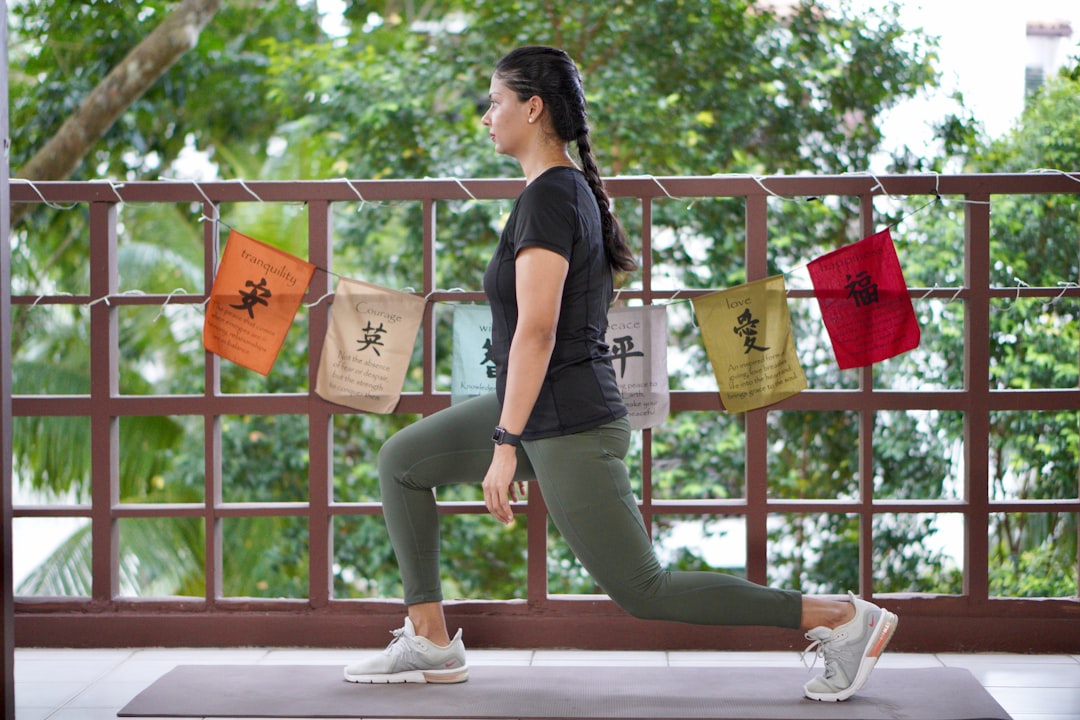
    Low intensity steady state cardio (LISS) offers an accessible way for women across different life stages in the UK to improve fat loss and cardiovascular health. As metabolism and hormonal balance shift with age, especially in the 30s, 40s, and post-natal periods, LISS provides a sustainable exercise option. This approach aligns with NHS guidance on women's health, addressing physiological changes without overwhelming the body. By tailoring workouts to personal needs, women can maintain fitness and wellbeing effectively. For more on fat loss for women UK, see our guide.

    Why Your 30s, 40s or Post-Natal Body Needs a Different Approach

    Low intensity steady state cardio is an aerobic exercise maintaining a steady heart rate at 50-65% of maximum for an extended duration. Women in their 30s and 40s experience hormonal shifts that reduce basal metabolic rate, making traditional high-intensity workouts less sustainable. The NHS highlights that women face unique health changes during life stages including menopause and post-natal periods, which directly affect exercise tolerance and recovery (https://www.nhs.uk/womens-health/). Post-natal women must also consider physical recovery and pelvic floor health, as advised by NHS postnatal exercise guidance (https://www.nhs.uk/conditions/baby/support-and-services/your-health-after-giving-birth/). LISS supports gradual fat loss and cardiovascular maintenance without taxing the endocrine or musculoskeletal systems excessively. This balance helps women maintain consistent activity levels that adapt to their changing physiology.

    How to Train Effectively for Your Life Stage

    An effective low intensity steady state cardio routine for women in the UK requires a structured approach that respects individual life stages. Begin with a 5-minute warm-up of light walking or gentle cycling, progressing to 30-45 minutes at a steady pace where conversation is possible but breathing is elevated. For women in their 30s and 40s, training 3-4 times weekly supports fat loss while allowing recovery. Post-natal women should start with shorter sessions of 15-20 minutes, increasing duration gradually in line with NHS postnatal exercise guidance (https://www.nhs.uk/conditions/baby/support-and-services/your-health-after-giving-birth/). Incorporating low-impact activities such as swimming or brisk walking in local parks or on treadmills at gyms like PureGym or The Gym Group provides accessible options. Nutritional support from UK supermarkets such as Tesco or Sainsbury’s with protein-rich and balanced foods complements LISS training. Tracking heart rate with a monitor ensures the intensity remains in the optimal 50-65% range for fat utilisation.

    If you'd rather not plan this manually, Milo generates your meals and workouts automatically.

    The Mistakes Women Make When Ignoring Life-Stage Changes

    The three mistakes that undermine fat loss and health when life-stage changes are ignored include overtraining, neglecting recovery, and following generic workout plans. Overtraining with high-intensity sessions can cause hormonal disruption and increase injury risk, especially during menopause when oestrogen levels decline (https://www.nhs.uk/conditions/menopause/). Neglecting recovery phases leads to fatigue and diminished exercise benefits. Women often follow programmes designed for younger bodies, ignoring the reduced metabolic rate and joint resilience in their 30s, 40s, or post-natal phase. This can result in setbacks such as weight gain or musculoskeletal pain. NHS guidelines emphasise adapting exercise intensity and duration to support bone health and pelvic floor strength during these stages (https://www.nhs.uk/live-well/exercise/strength-exercises/; https://www.nhs.uk/conditions/pelvic-floor-exercises/). Tailored low intensity steady state cardio respects these changes and prevents common pitfalls.

    What the Most Consistent Women Do Differently

    Women who see consistent fat loss results with low intensity steady state cardio understand that patience and adherence trump intensity. Research referenced by the British Heart Foundation shows that moderate aerobic exercise performed regularly improves cardiovascular health and reduces visceral fat in women (https://www.bhf.org.uk/informationsupport/risk-factors/women-and-heart-disease). Consistent women blend LISS with strength training to support bone density and metabolic rate, aligning with NHS strength exercise recommendations (https://www.nhs.uk/live-well/exercise/strength-exercises/). They also calibrate workouts to their current life stage, recognising that metabolic and hormonal changes in the 30s, 40s, and post-natal periods require adjustments in frequency and duration. This pragmatic approach results in sustainable fat loss and improved wellbeing, avoiding the burnout common in high-intensity programmes.

    Milo helps you stay consistent — no spreadsheets, no guesswork.

    Your Life-Stage Appropriate Starting Point

    Begin your low intensity steady state cardio journey by scheduling three sessions per week of 30 minutes at 50-65% max heart rate. Use a heart rate monitor to maintain the correct intensity. For post-natal women, start with 15-20 minutes and increase by 5 minutes weekly. Incorporate low-impact activities: brisk walking, cycling, or swimming. Complement exercise with strength training twice weekly to support bone and pelvic floor health. Set a 4-week review to assess progress and adjust frequency or duration.

    Frequently Asked Questions

    What is low intensity steady state cardio for women in the UK?

    Low intensity steady state cardio (LISS) is aerobic exercise performed at 50-65% of maximum heart rate for 30-60 minutes, suitable for women across life stages in the UK. It supports fat loss and cardiovascular health with minimal joint impact.

    How often should women in their 40s do LISS cardio for fat loss?

    Women in their 40s should aim for 3-4 sessions of low intensity steady state cardio per week, each lasting 30-45 minutes, to effectively support fat loss while respecting hormonal and metabolic changes.

    Can post-natal women safely perform low intensity steady state cardio?

    Yes, post-natal women can safely perform LISS cardio starting with 15-20 minutes sessions, gradually increasing duration as recommended by NHS postnatal exercise guidance to support recovery and fat loss.

    What are common mistakes women make with LISS cardio in midlife?

    Common mistakes include overtraining with high-intensity workouts, neglecting recovery, and following generic plans that don’t account for hormonal or metabolic changes in midlife, which can hinder fat loss and increase injury risk.

    How does low intensity steady state cardio benefit women’s heart health in the UK?

    LISS cardio improves cardiovascular health by maintaining a moderate heart rate for extended periods, reducing visceral fat and supporting heart function, as highlighted by the British Heart Foundation in relation to women’s heart health.

    Get started with Milo. Start your 7-day free trial — from £7.99/month.

    Disclaimer: This article is for informational purposes only and does not constitute medical, nutritional, or professional fitness advice. Always consult a qualified healthcare professional before making changes to your diet or exercise routine.

  • How to Get Fit with Fibromyalgia UK Woman: Practical Fitness Tips

    How to Get Fit with Fibromyalgia UK Woman: Practical Fitness Tips

    Fibromyalgia affects approximately 2% of the UK population, with women disproportionately impacted by its chronic pain and fatigue symptoms. For UK women aiming to improve fitness despite fibromyalgia, understanding the interaction of hormonal cycles, nutrition, and low-impact exercise is vital. This guide offers clear, evidence-based strategies that respect your body's fluctuating energy levels and nutritional demands, helping you work with, not against, your physiology to achieve sustainable fitness.

    Why Standard Diet Plans Don't Account for Your Hormones

    Hormones are chemical messengers regulating metabolism, energy, and mood, fluctuating throughout the menstrual cycle. Standard diet plans often ignore these variations, which can cause inconsistent energy and mood changes, particularly for women with fibromyalgia. The menstrual cycle typically lasts 28 days and includes the follicular, ovulation, and luteal phases, each with unique hormonal profiles influencing appetite, energy use, and inflammation.

    Ignoring these phases can worsen symptoms; for example, oestrogen fluctuations affect pain sensitivity and energy metabolism. The NHS women's health and nutrition guidance emphasises that women’s dietary needs vary across the cycle and that nutritional strategies should adapt accordingly. Applying a one-size-fits-all diet may exacerbate fatigue and symptom severity in fibromyalgia sufferers by mismatching nutritional intake with hormonal demand. For more on nutrition for women UK, see our guide.

    How Your Nutritional Needs Change Through Your Cycle

    Nutrition needs shift in response to hormonal changes, requiring adjustments during each menstrual phase. During the follicular phase (days 1–14), rising oestrogen promotes improved energy utilisation and may increase appetite for nutrient-dense foods. The ovulation phase (around day 14) sees a peak in luteinising hormone and oestrogen, which can increase basal metabolic rate slightly, necessitating more energy intake.

    The luteal phase (days 15–28) involves higher progesterone levels, which often increase appetite and cravings, particularly for carbohydrates. Women with fibromyalgia may experience heightened fatigue here, making complex carbohydrates and anti-inflammatory foods beneficial. The British Nutrition Foundation nutrition across the lifecycle resource outlines how adapting eating patterns to these phases optimises energy and hormonal balance.

    Supermarkets like Tesco and Sainsbury’s stock affordable, seasonal fresh produce and whole grains suitable for each phase. Planning meals around these phases supports symptom management and fitness goals by aligning energy intake with physiological demand.

    If you'd rather not plan this manually, Milo generates your meals and workouts automatically.

    The Foods That Support Hormonal Balance and Energy

    The three common dietary mistakes that undermine hormonal balance and energy in women with fibromyalgia include: overconsumption of processed sugars, insufficient iron intake, and inadequate omega-3 fatty acids. Excess refined sugars can exacerbate inflammation and energy crashes, worsening fibromyalgia symptoms.

    Iron deficiency anaemia affects many UK women and can compound fatigue; the NHS iron deficiency and women guide recommends regular intake of iron-rich foods such as lean red meat, spinach, and legumes. Omega-3 fatty acids found in oily fish reduce inflammation and support brain health, crucial for managing fibromyalgia-related cognitive symptoms.

    Avoiding these dietary pitfalls supports hormonal function and steadies energy levels, allowing more consistent engagement with physical activity and daily tasks.

    What to Eat Around Your Period, Ovulation and Luteal Phase

    Contrary to popular belief, eating more during the luteal phase does not necessarily lead to weight gain but supports hormonal shifts and symptom management. Around the period (menstrual phase), iron-rich foods are critical to replace menstrual blood loss, as recommended by the NHS Eatwell Guide.

    During ovulation, increased oestrogen can improve insulin sensitivity, making it an ideal time to prioritise proteins and healthy fats that support muscle repair and energy. In the luteal phase, complex carbohydrates such as sweet potatoes and whole oats help stabilise mood and energy by moderating blood sugar.

    Balancing macronutrients around these phases can reduce fibromyalgia symptom flare-ups and improve overall wellbeing.

    Milo helps you stay consistent — no spreadsheets, no guesswork.

    Building a Flexible Eating Approach That Works With Your Hormones

    Develop a weekly meal plan that adjusts macronutrient ratios according to your menstrual phase. For example, increase protein and iron-rich foods during your period, moderate carbohydrates during follicular and ovulation phases, and emphasise complex carbohydrates and anti-inflammatory fats in the luteal phase. Set reminders to review and adjust your meal plan every 28 days to stay aligned with hormonal changes.

    Incorporate low-impact workouts timed with your energy peaks, such as gentle yoga in the luteal phase and moderate cardio in the follicular phase. Tracking symptoms and energy helps refine this approach. Learn more about the Milo and how it can help you get started.

    Frequently Asked Questions

    How can a UK woman with fibromyalgia start getting fit safely?

    A UK woman with fibromyalgia should begin with low-impact exercises like walking or swimming, starting at low intensity to avoid flare-ups. Combining this with balanced nutrition that supports hormonal cycles and manages inflammation is key. According to NHS guidance, gradual increases in activity paired with symptom monitoring optimise fitness gains while reducing pain.

    What foods are best for managing fibromyalgia symptoms in UK women?

    Foods rich in omega-3 fatty acids, iron, and complex carbohydrates are beneficial. The NHS recommends oily fish, leafy greens, and whole grains to reduce inflammation and support energy. Avoiding processed sugars can help prevent symptom worsening and energy crashes common in fibromyalgia.

    How does the menstrual cycle affect fitness efforts for women with fibromyalgia?

    Hormonal fluctuations across the menstrual cycle impact energy, pain sensitivity, and appetite. The British Nutrition Foundation notes that adapting nutrition and exercise to the follicular, ovulation, and luteal phases improves symptom management and workout effectiveness for women with fibromyalgia.

    Can adjusting diet around periods help fibromyalgia symptoms in UK women?

    Yes. Increasing iron-rich foods during menstruation helps compensate for blood loss and reduces fatigue, as advised by the NHS Eatwell Guide. Tailoring nutrient intake to menstrual phases supports hormonal balance and diminishes fibromyalgia symptom severity.

    What is a practical exercise routine for UK women with fibromyalgia?

    A practical routine involves low-impact aerobic activities like swimming or walking, combined with gentle strength training two to three times weekly. Sessions should be short (15-30 minutes) with rest days to prevent overexertion. Progression is based on symptom tolerance rather than fixed schedules.

    Get started with Milo. Start your 7-day free trial — from £7.99/month.

    Disclaimer: This article is for informational purposes only and does not constitute medical, nutritional, or professional fitness advice. Always consult a qualified healthcare professional before making changes to your diet or exercise routine.

  • Does Exercise Help PCOS Symptoms UK NHS Says Yes

    Does Exercise Help PCOS Symptoms UK NHS Says Yes

    Polycystic Ovary Syndrome (PCOS) affects approximately 1 in 10 women in the UK, causing hormonal imbalances and metabolic disruptions. Exercise is often recommended to manage symptoms, but confusion remains around what types help most and why. This guide breaks down how physical activity influences PCOS, referencing UK NHS guidelines to clarify its role in symptom relief and long-term health benefits.

    The "Getting Bulky" Fear That's Keeping Women Away From the Weights Room

    Strength training is resistance exercise designed to improve muscle strength and endurance. The NHS strength training guidelines recommend adults perform muscle-strengthening activities on two or more days a week, targeting all major muscle groups. A common misconception is that strength training causes women to become bulky or overly muscular. In reality, women produce far less testosterone than men, making significant muscle bulk extremely unlikely without specific hormonal treatments.

    This myth discourages many women from lifting weights, despite evidence that strength training improves insulin sensitivity—a crucial factor in managing PCOS symptoms. Resistance exercise promotes fat loss and increases lean muscle mass, which helps regulate blood sugar and hormone levels. The NHS emphasises strength exercises not only for metabolic health but also for bone density, which is vital for women with hormonal imbalances. For more on nutrition for women UK, see our guide.

    Avoiding strength training due to fear of bulking ignores these benefits and prolongs PCOS-related complications such as insulin resistance and weight gain.

    What Strength Training Actually Does to a Woman's Body

    Strength training increases muscle fibre size and number through repeated resistance challenges, but this process is limited in women by naturally lower testosterone levels. The NHS strength training guidelines suggest sessions involving 8–12 repetitions per exercise, with two non-consecutive days per week as a minimum.

    Muscle acts as a glucose sink, increasing insulin sensitivity and improving metabolic function—two critical aspects for women with PCOS. Strength training also enhances resting metabolic rate, making weight management more achievable. Unlike popular belief, muscle gain from lifting is gradual and requires consistent progression; it doesn’t happen overnight or without a calorie surplus.

    Women’s bodies prioritise fat metabolism differently and tend to develop a toned appearance rather than bulk. Strength training also supports mental wellbeing by boosting confidence and reducing anxiety symptoms.

    Supermarkets like Tesco and Sainsbury’s offer affordable protein sources essential for muscle repair and growth post-exercise, which is important for sustaining training benefits.

    Why Women Who Lift Achieve Better Results Faster

    The three biggest mistakes that slow progress in women with PCOS are: avoiding resistance training, inconsistent workout routines, and neglecting nutrition.

    Avoiding weights limits muscle growth that improves insulin sensitivity. Without consistent training, hormonal benefits plateau, and symptom relief stalls. Neglecting nutrition, especially protein intake, undermines muscle repair and fat loss. These mistakes reinforce insulin resistance and weight gain, worsening PCOS symptoms.

    Women who follow NHS physical activity guidelines combining aerobic and strength training see better blood sugar control and hormonal balance. Regular lifting sessions provide a metabolic advantage over cardio alone, accelerating symptom improvement.

    Ignoring these factors results in prolonged symptoms and frustration, while those who address them experience faster relief and better overall health.

    How to Start Strength Training With Confidence

    Starting strength training can be intimidating, but the NHS physical activity for women guidance states that even small amounts of resistance exercise provide benefits. Beginners should focus on proper form and gradually increase intensity over weeks.

    A practical approach is to begin with bodyweight exercises like squats and push-ups twice a week, progressing to light weights. This method supports muscle adaptation without overwhelming the body or risking injury.

    NHS bone health and strength training advice highlights that resistance exercises also prevent osteoporosis, a concern for women with hormonal imbalances.

    Confidence builds from consistent progress, and tracking improvements helps maintain motivation. Group classes or guided sessions can provide support and ensure correct technique, making the process less daunting.

    Your First Four Weeks in the Weights Room

    Start by dedicating two non-consecutive days weekly to strength training. Begin with compound movements such as squats, lunges, and presses using bodyweight or light dumbbells.

    Focus on 2 sets of 8–12 repetitions per exercise, resting 60 seconds between sets. Increase weight or resistance gradually as strength improves. Complement workouts with at least 150 minutes of moderate aerobic activity per week, as advised by NHS guidelines.

    Track progress weekly and prioritise recovery with adequate protein intake and sleep. Learn more about the Milo and how it can help you get started.

    Frequently Asked Questions

    Does exercise help PCOS symptoms according to the UK NHS?

    Yes, exercise helps PCOS symptoms by improving insulin sensitivity and regulating hormones. The UK NHS recommends combining aerobic and strength training exercises to effectively manage PCOS symptoms.

    What types of exercise are best for PCOS symptom relief?

    The UK NHS advises a combination of aerobic activity and strength training. Aerobic exercise improves cardiovascular health, while strength training enhances muscle mass and insulin sensitivity, both vital for managing PCOS.

    How often should women with PCOS exercise to see symptom improvement?

    The NHS recommends adults perform at least 150 minutes of moderate aerobic exercise weekly and strength training on two or more days per week to improve PCOS symptoms effectively.

    Can strength training cause women with PCOS to become bulky?

    No, women produce significantly less testosterone than men, making it nearly impossible to become bulky through strength training alone. The NHS confirms strength exercises improve muscle tone without excessive bulk.

    Does exercise impact mental health symptoms related to PCOS?

    Exercise positively affects mental health by reducing anxiety and depression symptoms, which are common in PCOS. The NHS supports physical activity as a tool to improve both physical and psychological wellbeing.

    Get started with Milo. Start your 7-day free trial — from £7.99/month.

    Disclaimer: This article is for informational purposes only and does not constitute medical, nutritional, or professional fitness advice. Always consult a qualified healthcare professional before making changes to your diet or exercise routine.