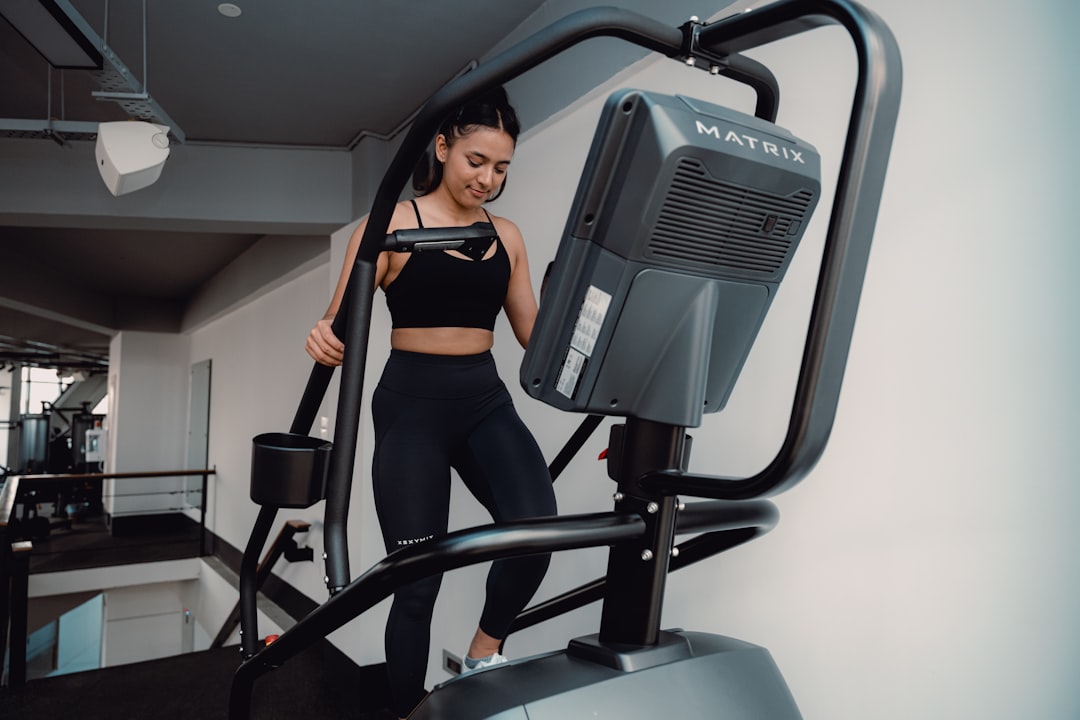
Low intensity steady state cardio (LISS) offers an accessible way for women across different life stages in the UK to improve fat loss and cardiovascular health. As metabolism and hormonal balance shift with age, especially in the 30s, 40s, and post-natal periods, LISS provides a sustainable exercise option. This approach aligns with NHS guidance on women's health, addressing physiological changes without overwhelming the body. By tailoring workouts to personal needs, women can maintain fitness and wellbeing effectively. For more on fat loss for women UK, see our guide.
Why Your 30s, 40s or Post-Natal Body Needs a Different Approach
Low intensity steady state cardio is an aerobic exercise maintaining a steady heart rate at 50-65% of maximum for an extended duration. Women in their 30s and 40s experience hormonal shifts that reduce basal metabolic rate, making traditional high-intensity workouts less sustainable. The NHS highlights that women face unique health changes during life stages including menopause and post-natal periods, which directly affect exercise tolerance and recovery (https://www.nhs.uk/womens-health/). Post-natal women must also consider physical recovery and pelvic floor health, as advised by NHS postnatal exercise guidance (https://www.nhs.uk/conditions/baby/support-and-services/your-health-after-giving-birth/). LISS supports gradual fat loss and cardiovascular maintenance without taxing the endocrine or musculoskeletal systems excessively. This balance helps women maintain consistent activity levels that adapt to their changing physiology.
How to Train Effectively for Your Life Stage
An effective low intensity steady state cardio routine for women in the UK requires a structured approach that respects individual life stages. Begin with a 5-minute warm-up of light walking or gentle cycling, progressing to 30-45 minutes at a steady pace where conversation is possible but breathing is elevated. For women in their 30s and 40s, training 3-4 times weekly supports fat loss while allowing recovery. Post-natal women should start with shorter sessions of 15-20 minutes, increasing duration gradually in line with NHS postnatal exercise guidance (https://www.nhs.uk/conditions/baby/support-and-services/your-health-after-giving-birth/). Incorporating low-impact activities such as swimming or brisk walking in local parks or on treadmills at gyms like PureGym or The Gym Group provides accessible options. Nutritional support from UK supermarkets such as Tesco or Sainsbury’s with protein-rich and balanced foods complements LISS training. Tracking heart rate with a monitor ensures the intensity remains in the optimal 50-65% range for fat utilisation.
If you'd rather not plan this manually, Milo generates your meals and workouts automatically.
The Mistakes Women Make When Ignoring Life-Stage Changes
The three mistakes that undermine fat loss and health when life-stage changes are ignored include overtraining, neglecting recovery, and following generic workout plans. Overtraining with high-intensity sessions can cause hormonal disruption and increase injury risk, especially during menopause when oestrogen levels decline (https://www.nhs.uk/conditions/menopause/). Neglecting recovery phases leads to fatigue and diminished exercise benefits. Women often follow programmes designed for younger bodies, ignoring the reduced metabolic rate and joint resilience in their 30s, 40s, or post-natal phase. This can result in setbacks such as weight gain or musculoskeletal pain. NHS guidelines emphasise adapting exercise intensity and duration to support bone health and pelvic floor strength during these stages (https://www.nhs.uk/live-well/exercise/strength-exercises/; https://www.nhs.uk/conditions/pelvic-floor-exercises/). Tailored low intensity steady state cardio respects these changes and prevents common pitfalls.
What the Most Consistent Women Do Differently
Women who see consistent fat loss results with low intensity steady state cardio understand that patience and adherence trump intensity. Research referenced by the British Heart Foundation shows that moderate aerobic exercise performed regularly improves cardiovascular health and reduces visceral fat in women (https://www.bhf.org.uk/informationsupport/risk-factors/women-and-heart-disease). Consistent women blend LISS with strength training to support bone density and metabolic rate, aligning with NHS strength exercise recommendations (https://www.nhs.uk/live-well/exercise/strength-exercises/). They also calibrate workouts to their current life stage, recognising that metabolic and hormonal changes in the 30s, 40s, and post-natal periods require adjustments in frequency and duration. This pragmatic approach results in sustainable fat loss and improved wellbeing, avoiding the burnout common in high-intensity programmes.
Milo helps you stay consistent — no spreadsheets, no guesswork.
Your Life-Stage Appropriate Starting Point
Begin your low intensity steady state cardio journey by scheduling three sessions per week of 30 minutes at 50-65% max heart rate. Use a heart rate monitor to maintain the correct intensity. For post-natal women, start with 15-20 minutes and increase by 5 minutes weekly. Incorporate low-impact activities: brisk walking, cycling, or swimming. Complement exercise with strength training twice weekly to support bone and pelvic floor health. Set a 4-week review to assess progress and adjust frequency or duration.
Frequently Asked Questions
What is low intensity steady state cardio for women in the UK?
Low intensity steady state cardio (LISS) is aerobic exercise performed at 50-65% of maximum heart rate for 30-60 minutes, suitable for women across life stages in the UK. It supports fat loss and cardiovascular health with minimal joint impact.
How often should women in their 40s do LISS cardio for fat loss?
Women in their 40s should aim for 3-4 sessions of low intensity steady state cardio per week, each lasting 30-45 minutes, to effectively support fat loss while respecting hormonal and metabolic changes.
Can post-natal women safely perform low intensity steady state cardio?
Yes, post-natal women can safely perform LISS cardio starting with 15-20 minutes sessions, gradually increasing duration as recommended by NHS postnatal exercise guidance to support recovery and fat loss.
What are common mistakes women make with LISS cardio in midlife?
Common mistakes include overtraining with high-intensity workouts, neglecting recovery, and following generic plans that don’t account for hormonal or metabolic changes in midlife, which can hinder fat loss and increase injury risk.
How does low intensity steady state cardio benefit women’s heart health in the UK?
LISS cardio improves cardiovascular health by maintaining a moderate heart rate for extended periods, reducing visceral fat and supporting heart function, as highlighted by the British Heart Foundation in relation to women’s heart health.
Get started with Milo. Start your 7-day free trial — from £7.99/month.
Disclaimer: This article is for informational purposes only and does not constitute medical, nutritional, or professional fitness advice. Always consult a qualified healthcare professional before making changes to your diet or exercise routine.
Leave a Reply