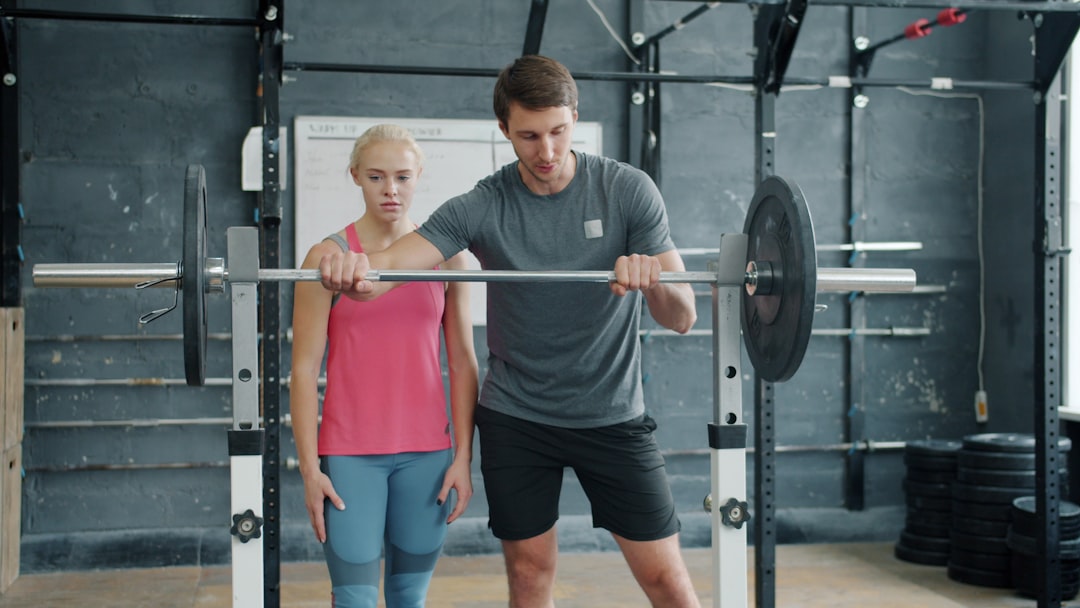
Many women in the UK start strength training hoping for visible results quickly but find progress slower than expected. Female physiology, including hormonal cycles and menopause, influences how muscle growth and fat loss occur. Understanding these factors helps set realistic timelines. Typically, beginners notice strength gains within 4 to 6 weeks, while visible body changes can take 8 to 12 weeks with consistent training and nutrition. This guide explains the science behind these timelines and offers tailored strategies to maximise results safely and effectively. For more on women's training UK, see our guide.
Why Fat Loss Works Differently for Women
Fat loss is the reduction of body fat mass through a calorie deficit and increased energy expenditure. Women’s fat loss differs from men’s due to hormonal influences, including oestrogen, which affects fat storage and metabolism. According to the NHS women's health and nutrition, hormonal fluctuations during menstrual cycles and life stages such as menopause alter fat distribution and energy use. Women tend to store fat subcutaneously, which is harder to mobilise than visceral fat that men store more commonly. These physiological differences mean fat loss can appear slower and less uniform in women, requiring tailored strategies that consider hormonal timing and nutritional needs.
The Nutrition Approach That Actually Works for Female Fat Loss
Effective fat loss nutrition for women focuses on adequate protein intake, balanced macronutrients, and timing meals around training. The British Nutrition Foundation protein and fat loss highlights protein’s role in preserving muscle mass during weight loss, recommending 1.2 to 1.6 grams per kilogram of bodyweight daily for active women. Incorporating protein-rich foods from UK supermarkets like Tesco or Sainsbury’s—such as lean poultry, eggs, and dairy—supports muscle repair and satiety. Fat intake should not be overly restricted, as essential fatty acids regulate hormones. Meal timing that aligns with the menstrual cycle phases can optimise energy and fat metabolism, with higher carb intake during the follicular phase and slightly lower during the luteal phase. Hydration and micronutrient balance also support metabolic health.
If you'd rather not plan this manually, Milo generates your meals and workouts automatically.
The Training Mistakes Women Make During a Fat Loss Phase
The three common training mistakes that slow fat loss and muscle gain for women include: 1) Avoiding heavy weights due to fear of 'bulking', which limits muscle growth and metabolic boost. 2) Excessive steady-state cardio overshadowing resistance training, leading to muscle loss instead of fat loss. 3) Inconsistent training frequency, reducing stimulus for adaptation. These mistakes result in slower fat loss, reduced strength gains, and frustration. Strength training with progressive overload following the NHS physical activity guidelines for adults ensures effective and safe improvements. Women benefit from 2–3 strength sessions weekly focusing on compound movements to maximise hormonal and metabolic responses.
What Consistent Women Do That Most People Miss
Consistent women who see lasting results adapt their training and nutrition around their biological rhythms and recovery needs. They understand that muscle growth and fat loss require patience, with visible results often appearing after 8 to 12 weeks of steady effort. Research shows that strength gains often precede aesthetic changes, so monitoring progress with strength benchmarks rather than just appearance reduces discouragement. Women who track their menstrual cycles and adjust training intensity accordingly experience better adherence and fewer injuries. According to Mind — exercise and women's mental health, regular exercise also supports mental well-being, which positively influences consistency and motivation.
Milo helps you stay consistent — no spreadsheets, no guesswork.
Your Starting Framework: Fat Loss Done Right for Women
Begin by scheduling 2–3 weightlifting sessions per week focusing on progressive overload with compound exercises. Prioritise protein intake of 1.2–1.6 g/kg daily and adjust calories to achieve a moderate deficit of 10–20%. Track strength gains weekly to stay motivated. Allow recovery days and align training intensity with menstrual cycle phases where possible. Consistency over 8–12 weeks is essential for visible changes. Incorporate moderate cardio to support cardiovascular health without compromising muscle retention.
Frequently Asked Questions
How long does it take to see muscle growth lifting weights for women in the UK?
Women typically see measurable muscle growth after 8 to 12 weeks of consistent weightlifting, with initial strength improvements visible within 4 to 6 weeks, according to UK fitness guidelines.
Can women expect to lose fat quickly while lifting weights in the UK?
Fat loss while lifting weights for women usually occurs gradually over 8 to 12 weeks, influenced by hormonal cycles and nutrition, as supported by NHS women's health recommendations.
Do hormonal changes affect how long it takes women to see results from weightlifting?
Yes, hormonal fluctuations during menstrual cycles and menopause can affect fat distribution and metabolism, impacting the timeline for visible results from weightlifting in women.
Is it normal for women to see strength gains before visible body changes?
Yes, women often experience neuromuscular adaptations resulting in strength gains within 4 to 6 weeks before visible changes in muscle tone or fat loss appear.
What is the recommended frequency of weightlifting sessions for women to see results?
The NHS physical activity guidelines recommend women engage in strength training 2 to 3 times per week to optimise muscle growth and fat loss.
Get started with Milo. Start your 7-day free trial — from £7.99/month.
Disclaimer: This article is for informational purposes only and does not constitute medical, nutritional, or professional fitness advice. Always consult a qualified healthcare professional before making changes to your diet or exercise routine.
Leave a Reply