Blog

  • How to Speed Up Metabolism as a Woman UK: A Beginner’s Guide

    How to Speed Up Metabolism as a Woman UK: A Beginner’s Guide

    Many women in the UK struggle with slow metabolism, which can make weight loss and energy maintenance feel impossible. This guide breaks down exactly how metabolism works for women, why it naturally slows with age, and what practical steps you can take today to boost it. From simple workout tweaks to meal timing, you’ll learn clear, actionable strategies tailored to the UK lifestyle that make a real difference.

    Why Gym Anxiety Is Real and Nothing to Be Ashamed Of

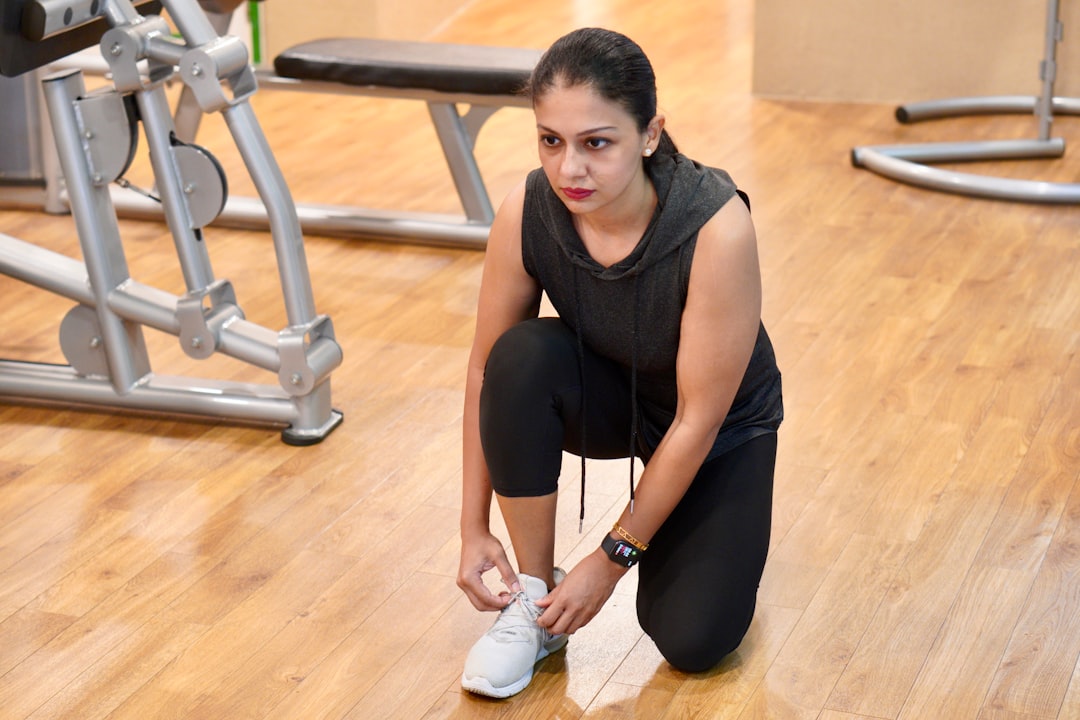
    Gym anxiety affects up to 60% of women who want to be more active but feel intimidated by the environment. According to Sport England’s women in sport barriers research, common issues include fear of judgement, not knowing how to use equipment, and feeling self-conscious in mixed-gender spaces. These feelings can stop women from even starting a fitness routine, which slows metabolism and reduces overall wellbeing. The mental health charity Mind highlights that anxiety around exercise is a recognised barrier to maintaining physical activity, especially for beginners. This anxiety often worsens when the gym feels unfamiliar or crowded, such as the free weights area where form and technique matter. Recognising these feelings as common and backed by research is the first step to overcoming them. It’s not a lack of willpower but a genuine emotional response that can be managed with practical steps.

    The Practical Steps to Feeling Confident in the Gym

    Building confidence begins with preparation and gradual exposure. Start with short gym sessions outside peak hours, such as weekday mornings, when fewer people are around. Spend 10 minutes familiarising yourself with one or two machines or exercises rather than trying to use the whole gym at once. For instance, try a leg press and a rowing machine in one session, practising correct technique slowly. Using online videos or NHS strength training for beginners resources can help you learn safe movements before arriving. Setting a simple goal like 15 minutes of resistance training twice weekly, increasing by 5 minutes every fortnight, is both achievable and effective. Taking a gym buddy along or joining a women-only class at chains like Virgin Active can reduce anxiety by creating a supportive environment. Remember, most regular gym users spend 5–10 minutes warming up and 20–30 minutes on targeted exercises; rushing leads to overwhelm. Consistency builds familiarity and confidence.

    Stop paying someone else to tell you what to do. For just £49.99, the Kira Mei Women’s Blueprint teaches you how to build your own fitness and nutrition plans tailored to your needs and preferences. No more guesswork, no PT fees, just a straightforward programme designed to help you realise what works for you.

    How to Handle the Moments That Feel Uncomfortable

    Many beginners make three common mistakes that increase discomfort and stall progress. First, rushing into complex free weight exercises without instruction can cause injury or frustration, leading to avoidance. Instead, start with machines or bodyweight exercises until you feel ready to progress. Second, comparing yourself to others in the gym often leads to negative self-talk and anxiety. Focus on your own journey and remember everyone started somewhere. Third, neglecting nutrition and hydration impacts energy and recovery, making workouts feel harder. Skipping meals or eating low-protein snacks fails to support metabolism. Bringing a water bottle and eating a balanced snack with protein and carbs 1–2 hours before exercise can improve performance. Understanding these mistakes helps you respond calmly and adjust your approach rather than quitting.

    What Regulars Know That Beginners Don’t

    Experienced gym users understand that metabolism is influenced more by consistent habits than occasional intense workouts. They prioritise resistance training because increasing muscle mass raises resting metabolic rate; for example, gaining 2kg of muscle can burn an extra 100 calories daily without extra effort. Regulars also recognise the power of protein intake spaced evenly across meals—aiming for 20–30g of protein every 3–4 hours helps maintain muscle and metabolism. They use simple tracking methods, like a food diary or a workout log, to monitor progress rather than relying on scales alone. Many also use short, high-intensity intervals (HIIT) lasting 15–20 minutes as a time-efficient way to increase calorie burn. Finally, they plan rest and sleep carefully, knowing that poor recovery slows metabolism and increases stress hormones that promote fat storage.

    Stop paying someone else to tell you what to do. For just £49.99, the Kira Mei Women’s Blueprint teaches you how to build your own fitness and nutrition plans tailored to your needs and preferences. No more guesswork, no PT fees, just a straightforward programme designed to help you realise what works for you.

    Your First Month Plan: Building Confidence Through Routine

    Start your month with a clear, manageable plan. Week 1: Aim for two gym visits of 20 minutes focusing on machines and bodyweight exercises, with 5-minute warm-ups and cool-downs. Week 2: Add one more session and introduce light dumbbells or resistance bands for 15 minutes. Week 3: Increase session duration to 30 minutes, including 10 minutes of gentle cardio like cycling or walking on a treadmill. Week 4: Maintain three sessions, adding a short HIIT routine if comfortable. Complement your efforts with daily walks of 20 minutes to boost metabolism. Each week, make sure to hydrate well, eat protein-rich meals every 3–4 hours, and get at least 7 hours of sleep nightly. These targets align with NHS physical activity guidelines recommending 150 minutes of moderate exercise weekly, plus strength exercises twice a week. This steady progression builds confidence, reduces anxiety, and creates lasting metabolic benefits.

    . For more on fitness guides, see our guide. Learn more about the Kira Mei Women’s Blueprint and how it can help you get started.

    Frequently Asked Questions

    How long does meal prep take each week for someone new to fitness?

    For beginners, meal prep typically takes between 1 to 2 hours per week. Preparing simple, balanced meals with protein, vegetables, and whole grains in batches can streamline cooking. Using UK supermarket staples like frozen veg and canned beans saves time. Starting with just 2-3 meals prepped can reduce daily cooking stress while supporting nutrition goals.

    What should I include in a beginner workout plan to boost metabolism?

    A beginner workout plan to boost metabolism should include 2-3 sessions per week combining resistance exercises like bodyweight squats, leg presses, or dumbbell rows, with 10-15 minutes of light cardio. Each session can last 20-30 minutes. Consistency and gradual progression in weights or repetitions are key to increasing muscle mass and metabolic rate.

    How much does healthy eating cost in the UK for someone trying to lose weight?

    Healthy eating costs vary, but a balanced diet focusing on UK supermarket staples like oats, frozen vegetables, eggs, and lean meats can be affordable. Weekly grocery bills for weight loss-friendly food typically range from £25 to £40, depending on portion sizes and preferences. Cooking at home and buying seasonal produce helps keep costs down.

    What’s the best way to start strength training at home with limited equipment?

    Start strength training at home using bodyweight exercises such as squats, lunges, push-ups, and planks. Resistance bands or light dumbbells can be added gradually. Aim for 2-3 sessions a week, each lasting 20-30 minutes. Focus on proper form and controlled movements to build muscle safely and increase metabolism.

    How important is sleep for speeding up metabolism in women?

    Sleep is crucial for metabolic health. Women who get 7-9 hours of quality sleep per night regulate hormones that control appetite and energy use better than those who don’t. Poor sleep increases stress hormones that slow metabolism and encourage fat storage. Prioritising sleep supports weight management and overall wellbeing.

    Stop paying someone else to tell you what to do. The Kira Mei Women’s Blueprint is your educational programme to learn how to build your own effective fitness and nutrition plans for just £49.99. Take control, ditch the PT fees, and realise what works for you.

    Disclaimer: This article is for informational purposes only and does not constitute medical, nutritional, or professional fitness advice. Always consult a qualified healthcare professional before making changes to your diet or exercise routine.
  • Will Lifting Weights Make Me Look Bulky as a Woman UK? Expert Answers

    Will Lifting Weights Make Me Look Bulky as a Woman UK? Expert Answers

    Many women starting strength training worry about becoming bulky. This common concern often stops them from lifting weights, which can limit progress towards fitness goals. Understanding how female biology reacts to resistance training and nutrition helps clear up misconceptions. This post explains why women typically don’t bulk up like men, how hormones influence muscle growth, and how to tailor nutrition and workouts to feel strong and lean. By reading this, you’ll gain clear, practical insights to confidently start or continue lifting weights without fear of unwanted bulk.

    Why Standard Diet Plans Don't Account for Your Hormones

    Most diet plans target general populations without considering the unique hormonal fluctuations women experience monthly. For instance, oestrogen and progesterone levels shift throughout the menstrual cycle, affecting appetite, energy, and nutrient needs. Women are also at different life stages with varying nutritional requirements, from menstruation through to menopause. Ignoring these factors can lead to frustration, ineffective results, and feelings of failure.

    An example: a woman following a strict calorie deficit during her luteal phase (post-ovulation) might struggle more due to increased appetite and lower insulin sensitivity. This phase demands more nuanced nutrition and training adjustments. The British Nutrition Foundation highlights how nutritional needs change across a woman's lifecycle, emphasizing that a one-size-fits-all diet overlooks these critical shifts. Tailoring your approach to your body's rhythms can improve energy, recovery, and progress. For more on fitness guides, see our guide.

    How Your Nutritional Needs Change Through Your Cycle

    Your menstrual cycle consists of four phases: menstrual, follicular, ovulation, and luteal. Each phase alters hormone levels, impacting how your body uses energy and nutrients. For example, the follicular phase, when oestrogen rises, supports muscle recovery and higher energy. This is the best time to focus on building strength with heavier lifts. Conversely, the luteal phase increases progesterone, which can raise appetite and cause water retention.

    During menstruation, iron losses are highest, so prioritising iron-rich foods is essential to prevent fatigue. The British Nutrition Foundation recommends iron from sources like red meat, spinach, and fortified cereals to support this stage. Ovulation often brings a natural peak in energy, making it ideal for more intense workouts.

    Adjusting your diet and exercise to these phases means eating more carbohydrates and proteins when energy expenditure is higher, and focusing on mood-supporting nutrients such as magnesium and vitamin B6 during lower energy phases. This cyclical approach is practical and backed by UK nutritional science.

    Stop paying someone else to tell you what to eat and how to train. Instead, get the Kira Mei Women’s Blueprint — a straightforward, no-nonsense educational programme that teaches you how to build your own personalised nutrition and strength training plans. For just £49.99, you’ll learn to ditch cookie-cutter advice and finally realise what your body really needs, on your terms.

    The Foods That Support Hormonal Balance and Energy

    Three common mistakes women make with nutrition during strength training include neglecting iron, ignoring balanced macronutrients, and underestimating healthy fats. Firstly, iron deficiency is widespread among women in the UK due to menstruation, leading to fatigue and poor workout performance. Including iron-rich foods or supplements, where necessary, can prevent this.

    Secondly, many reduce carbohydrates excessively to control weight, but carbs are vital for hormone regulation and energy, especially around ovulation and the luteal phase. Thirdly, avoiding fats can disrupt hormone production. Healthy fats from sources like oily fish, nuts, and seeds support hormone synthesis and brain health.

    Following the NHS Eatwell Guide ensures meals are balanced, combining carbohydrates, proteins, and fats in proportions that support hormonal health. These foods fuel workouts, aid recovery, and maintain steady energy levels, which are crucial for consistent strength training.

    What to Eat Around Your Period, Ovulation and Luteal Phase

    Eating in tune with your cycle can improve comfort and performance. Around your period, iron-rich and anti-inflammatory foods such as leafy greens, lentils, and oily fish help ease symptoms and replenish iron losses. During ovulation, when oestrogen peaks, your body can handle more intense training and higher carb intake for energy.

    In the luteal phase, appetite often increases. Prioritise complex carbs and fibre-rich vegetables to manage blood sugar and mood swings. Magnesium-rich foods like pumpkin seeds and bananas reduce cramps and support relaxation. This phase also benefits from moderate protein intake to prevent muscle breakdown without overloading.

    Recognising these nutritional patterns allows you to avoid rigid dieting that conflicts with your body's needs. This practical strategy aligns with NHS guidance on balanced eating and managing women's health through nutrition.

    Stop paying for someone else’s plan. Learn to create your own with the Kira Mei Women’s Blueprint — a one-off £49.99 investment in your knowledge and independence.

    Building a Flexible Eating Approach That Works With Your Hormones

    To create a sustainable eating plan, start by tracking your cycle and noting how your hunger and energy shift. Plan meals with a balance of carbohydrates, proteins, and fats according to your phase. For example, increase carbs slightly in the follicular and ovulation phases and focus on protein and healthy fats during the luteal phase.

    Set weekly goals to prepare meals in advance that match these needs, using typical UK supermarket ingredients like oats, chicken, eggs, vegetables, and nuts. Avoid strict restrictions; allow flexibility to accommodate fluctuating appetite and cravings.

    Aim to reassess your plan monthly, adjusting portions and food choices based on your energy levels and training progress. This flexible approach respects your biology and supports long-term fitness and wellbeing.

    References to reliable UK sources ensure these recommendations are rooted in trusted evidence, helping you feel confident in your strength training and nutrition choices. Learn more about the Kira Mei Women’s Blueprint and how it can help you take control.

    Frequently Asked Questions

    Will lifting weights make me bulky as a woman in the UK?

    No, lifting weights will not make most women bulky due to lower testosterone levels compared to men. Women typically develop lean muscle tone rather than large bulky muscles unless engaging in very intense bodybuilding with specific nutrition and supplementation.

    How can I start strength training safely as a beginner woman in the UK?

    Begin with light weights or bodyweight exercises focusing on proper form. Use 2-3 sessions per week, gradually increasing resistance. Combining strength training with balanced nutrition and adequate rest supports safe progress.

    What are the best foods to eat for women during their menstrual cycle?

    Iron-rich foods (red meat, spinach), complex carbohydrates, healthy fats, and magnesium sources like nuts and seeds help support energy and reduce symptoms throughout the cycle.

    How often should women in the UK lift weights for fitness benefits?

    Two to three strength training sessions per week are recommended for general fitness and muscle tone. Consistency over months yields noticeable improvements without risking bulk.

    Can strength training help with weight loss for women in the UK?

    Yes, strength training increases muscle mass, which boosts resting metabolism and aids fat loss when combined with suitable nutrition. It also improves body composition and overall health.

    Stop paying someone to tell you what to do. Get the Kira Mei Women’s Blueprint for £49.99 and learn how to build your own effective, hormone-aware nutrition and strength training plans.

    Disclaimer: This article is for informational purposes only and does not constitute medical, nutritional, or professional fitness advice. Always consult a qualified healthcare professional before making changes to your diet or exercise routine.

  • Why Am I Not Losing Weight as a Woman UK? Practical Answers

    Why Am I Not Losing Weight as a Woman UK? Practical Answers

    If you’re a woman in the UK asking, “Why am I not losing weight?” you’re not alone. Many find their usual diet and exercise routines suddenly less effective. This often comes down to hormonal shifts, lifestyle factors, and training approaches that don’t match your life stage. By understanding these changes and adapting your strategy with clear steps, you can start seeing progress again. This guide breaks down the science and offers practical advice tailored to your 30s, 40s, or post-natal body.

    Why Your 30s, 40s or Post-Natal Body Needs a Different Approach

    Most women notice a slowdown in weight loss around their 30s and beyond. This is not a failure of willpower but a result of biological changes. For example, resting metabolic rate (RMR) decreases by approximately 1–2% per decade after age 30, meaning you burn fewer calories at rest than before. Combined with fluctuating hormones, such as declining oestrogen in the 40s or the demands of recovery after childbirth, the body stores fat differently and can resist weight loss. The NHS highlights that women experience unique health shifts across life stages, including fertility changes, menopause onset, and postnatal recovery, which all influence weight management NHS women’s health across life stages.

    Postnatal women face challenges like pelvic floor weakness and hormonal imbalances that affect exercise capacity and fat distribution. Meanwhile, women in their 40s may see reduced muscle mass and bone density without targeted strength work. Understanding these physiological facts is essential to avoid frustration and tailor your fitness and nutrition strategy to what your body needs now, not what worked five or ten years ago. For more on fitness guides, see our guide.

    How to Train Effectively for Your Life Stage

    Training for weight loss must align with your body’s current demands. For women in their 30s, maintaining muscle mass is key since muscle burns more calories. Aim for at least two sessions weekly of resistance training, focusing on compound movements like squats and push-ups, with 8–12 repetitions per set and 3 sets per exercise. Include 150 minutes of moderate aerobic exercise weekly, such as brisk walks or cycling.

    In your 40s, strength training becomes even more critical to counteract muscle loss and support bone health. The NHS recommends weight-bearing and muscle-strengthening activities at least twice weekly, which can help manage menopausal symptoms and support heart health NHS menopause and physical health. Incorporate exercises like lunges, deadlifts, and resistance band work with progressive overload every 2–3 weeks.

    Postnatal women should prioritise gentle return to activity after birth, focusing first on pelvic floor and core rehabilitation to avoid injury. The NHS advises waiting until after the 6-week postnatal check before resuming more intense exercise NHS postnatal exercise guidance. Begin with low-impact activities such as walking and pelvic floor exercises, gradually increasing intensity over 8–12 weeks.

    In all stages, consistency matters more than intensity. Schedule workouts realistically around your lifestyle, such as 30-minute sessions 3–4 times a week, and focus on gradual progress rather than quick fixes.

    Stop paying someone to tell you what to do. Instead, get the Kira Mei Women’s Blueprint — an educational programme that teaches you how to build your own personalised fitness and nutrition plans tailored to your life stage. For just £49.99, you’ll learn to ditch cookie-cutter advice and take control with clear, no-nonsense guidance. Realise your potential without relying on personal trainers or apps telling you what to do. Get your blueprint here.

    The Mistakes Women Make When Ignoring Life-Stage Changes

    Ignoring how your body changes with age or motherhood leads to three common mistakes that stall weight loss.

    First, sticking to high-cardio-only routines without strength training causes muscle loss. Less muscle means fewer calories burned daily, making fat loss harder. For example, a woman who neglects resistance work can lose up to 5% muscle mass per decade, lowering metabolic rate significantly.

    Second, undereating or following fad diets damages metabolism and energy levels. Many women drop below 1,200 calories daily, which slows metabolism and triggers fat retention as a survival response.

    Third, skipping recovery and ignoring hormonal fluctuations causes burnout and inconsistent results. Overtraining without rest impairs hormones like cortisol and insulin, which regulate fat storage and hunger.

    Each mistake leads to frustration, stalled progress, and sometimes weight gain despite effort. Addressing these by adapting your training, eating enough, and respecting recovery is crucial.

    What the Most Consistent Women Do Differently

    Women who succeed long-term focus on sustainable habits tailored to their stage rather than short-term fixes. They prioritise strength training, recognising its role in boosting metabolism and preserving muscle. For instance, dedicating just two 45-minute strength sessions weekly can increase resting metabolic rate by up to 7% over months.

    They also adopt flexible eating patterns that meet energy needs without severe restriction. Instead of cutting calories drastically, they track portion sizes, meal timing, and nutrient balance to support fat loss without sacrificing wellbeing.

    Consistency in scheduling workouts around family and work commitments helps too. Women who plan 3–4 sessions weekly, even if shorter, maintain momentum better than those who wait for perfect conditions.

    Finally, these women listen to their bodies, adjusting intensity during hormonal shifts or recovery periods. This reduces injury risk and keeps motivation steady.

    Milo helps you stay consistent — no spreadsheets, no guesswork.

    Your Life-Stage Appropriate Starting Point

    Begin by identifying your current life stage: 30s, 40s, or postnatal. Then, set a simple, realistic plan. For women in their 30s, start with two strength sessions plus 150 minutes of moderate cardio weekly. Use bodyweight or light weights and increase load every 2–3 weeks.

    If you’re in your 40s, add bone-strengthening exercises like weight-bearing lunges and step-ups alongside aerobic activity. Aim for at least two strength-focused sessions weekly and monitor how your body responds.

    Postnatal women should consult their health professional after birth, then gradually return to activity with pelvic floor and core exercises for 6–8 weeks before increasing intensity.

    Track your progress with weekly weigh-ins or measurements but focus primarily on how clothes fit and energy levels. Adjust your programme monthly based on results and wellbeing.

    With these clear steps matched to your stage, you can overcome plateaus and move confidently towards your weight loss goals. Learn more about the Milo and how it can help you get started.

    Frequently Asked Questions

    Why am I not losing weight despite eating less?

    Eating too little can slow your metabolism, causing your body to conserve energy by storing fat. If your daily calorie intake drops below 1,200 calories, your metabolic rate may decrease, making weight loss harder. Instead, aim for a moderate calorie deficit combined with strength training to maintain muscle and boost calorie burn.

    How much strength training should women do for weight loss?

    Women should aim for at least two strength training sessions per week, focusing on compound exercises like squats and lunges. Each session can last 30–45 minutes with 3 sets of 8–12 repetitions. This helps preserve muscle mass, which is vital for maintaining a higher metabolic rate and supporting fat loss.

    When can I start exercising after giving birth?

    Most women can begin gentle exercise after their 6-week postnatal check, focusing initially on pelvic floor and core strengthening. Low-impact activities like walking are recommended early on. Gradual progression to more intense workouts can occur over 8–12 weeks, depending on individual recovery and medical advice.

    How does menopause affect weight loss for women in the UK?

    Menopause brings hormonal changes, especially reduced oestrogen, which can slow metabolism and increase fat storage, particularly around the abdomen. Strength and weight-bearing exercises are crucial during this stage to maintain muscle and bone density, supporting ongoing weight management and overall health.

    What is a realistic workout schedule for busy women starting fitness?

    A practical workout schedule is 3–4 sessions per week lasting 30 minutes each. This can include two strength sessions and 1–2 moderate-intensity cardio sessions, such as brisk walking or cycling. Consistency and gradual progression are key to maintaining motivation and achieving results.

    Stop paying someone to tell you what to do. Get the Kira Mei Women’s Blueprint — your guide to building your own personalised fitness and nutrition plans for just £49.99. No gimmicks, no personal trainers, just clear, expert education. Get your blueprint now.

    Disclaimer: This article is for informational purposes only and does not constitute medical, nutritional, or professional fitness advice. Always consult a qualified healthcare professional before making changes to your diet or exercise routine.


  • Calorie Deficit for Women UK How Much: Practical Guide for Beginners

    Calorie Deficit for Women UK How Much: Practical Guide for Beginners

    Understanding how much calorie deficit women in the UK need is key to losing weight without losing energy or muscle. This guide breaks down safe, effective calorie targets based on your age, body stats, and lifestyle. You’ll discover how to adjust your eating and exercise routines to create a manageable deficit that fits your daily life. Whether you’re in your 30s, 40s, or post-natal stage, the guidance here respects your body’s unique needs and helps you see real results without confusion or guesswork.

    Why Your 30s, 40s or Post-Natal Body Needs a Different Approach

    Women in their 30s often juggle career, family, and social commitments, which impacts metabolism and energy needs. For example, resting metabolic rate (RMR) can decrease by 5-7% per decade after 30, meaning fewer calories are burned at rest. By your 40s, hormonal changes during perimenopause slow metabolism further and affect fat storage patterns. Post-natal bodies face unique demands: recovery, breastfeeding, and hormonal shifts that influence appetite and energy expenditure. The NHS outlines these life stages clearly, highlighting that exercise and nutrition must adapt accordingly to be safe and effective (https://www.nhs.uk/womens-health/).

    A 30-year-old woman with a moderate activity level might burn around 2,000 calories daily, while a 45-year-old with similar activity could burn closer to 1,800. Post-natal women’s calorie needs vary widely depending on breastfeeding and recovery status. Understanding these differences is critical before deciding how much of a calorie deficit to apply. For more on fitness guides, see our guide.

    How to Train Effectively for Your Life Stage

    Training should complement your calorie deficit, supporting metabolism and muscle retention. For women in their 30s, combining three 45-minute sessions of resistance training per week with two moderate cardio workouts strikes a good balance. Resistance work helps maintain muscle mass, which is crucial as metabolic rate declines.

    Women in their 40s should focus more on strength training to support bone density and counter hormonal changes. The NHS recommends weight-bearing exercises two to three times weekly in this life stage (https://www.nhs.uk/conditions/menopause/). Including low-impact cardio like walking or cycling can protect joints and maintain cardiovascular health.

    Post-natal women need a gradual return to exercise to avoid injury and support pelvic floor recovery. Starting with pelvic floor exercises and gentle walking for 10-15 minutes daily is advised, progressing to light strength sessions after 6-8 weeks, following NHS postnatal exercise guidance (https://www.nhs.uk/conditions/baby/support-and-services/your-health-after-giving-birth/).

    Adjusting training intensity and volume helps avoid overtraining, which can stall fat loss and disrupt hormones. For all stages, a calorie deficit of 10-20% below maintenance calories is a realistic starting point. For example, if maintenance is 2,000 calories, aim for 1,600-1,800 daily. This range supports fat loss while preserving energy.

    If you’re tired of paying personal trainers to tell you what you can learn yourself, stop. For just £49.99, the Kira Mei Women’s Blueprint teaches you how to build your own effective, life-stage appropriate fitness and nutrition plans. No fluff, no PT nonsense — just clear, direct guidance so you can take control and realise results on your terms.

    The Mistakes Women Make When Ignoring Life-Stage Changes

    1. Applying a generic calorie deficit without adjusting for metabolic slowdown. Women in their 40s who cut calories too drastically risk muscle loss and fatigue because their bodies burn fewer calories naturally.

    2. Neglecting strength training. Without resistance exercise, muscle mass declines faster, lowering metabolism further. This mistake often leads to weight regain and weaker bones.

    3. Ignoring recovery needs post-pregnancy. Resuming intense workouts too soon can cause pelvic floor damage and delay fat loss progress. Skipping pelvic floor exercises compromises long-term health and comfort.

    Each mistake results in slower progress and possible health issues. Tailoring your approach to your specific stage prevents these setbacks and supports sustainable weight management.

    What the Most Consistent Women Do Differently

    Consistent women track their calorie intake and expenditure in a simple, manageable way. They don’t aim for rapid weight loss but target 0.5kg to 1kg per week, a safe and sustainable rate.

    They prioritise strength training at least twice weekly, recognising its role in maintaining metabolism and bone health, especially after 40. Their workouts balance intensity and rest, preventing burnout.

    Nutrition-wise, they focus on nutrient-dense foods to meet energy needs without excess calories, opting for UK supermarket staples like oats, lean meats, seasonal vegetables, and pulses. They also adjust portion sizes instead of eliminating entire food groups.

    Finally, they listen to their bodies, adjusting calorie deficits and training loads based on energy, hunger, and progress rather than rigid plans. This flexible mindset helps maintain motivation and long-term success.

    Stop paying someone to tell you what you can learn yourself. The Kira Mei Women’s Blueprint is available now for £79.99 — a one-off investment to master your own fitness and nutrition planning without relying on personal trainers or apps.

    Your Life-Stage Appropriate Starting Point

    Start by calculating your estimated maintenance calories using online UK-based calculators or formulas that include your age, weight, height, and activity level. Then reduce that number by 10-20% to set your daily calorie target.

    For example, a 35-year-old woman weighing 70kg, moderately active, may have a maintenance of 2,000 calories. A 15% deficit sets a daily intake of 1,700 calories.

    Pair this with strength training two to three times weekly and moderate cardio sessions. For post-natal women, begin with gentle walking and pelvic floor exercises, gradually increasing intensity after medical clearance.

    Track your weight and energy levels weekly. Adjust calorie intake if you lose weight too quickly (more than 1kg per week) or feel excessively tired. Aim for consistent progress over 8-12 weeks before revising your plan.

    This structured but flexible approach respects your body’s unique needs at each life stage, making sustainable fat loss achievable. Learn more about the Kira Mei Women’s Blueprint and how it can help you take control.

    Frequently Asked Questions

    How much of a calorie deficit should women in the UK aim for to lose weight safely?

    Women in the UK should aim for a calorie deficit of about 10-20% below their maintenance calories to lose weight safely. This typically results in losing around 0.5kg to 1kg per week, which supports fat loss while maintaining energy and muscle mass.

    What is a realistic calorie intake for a 40-year-old woman wanting to lose weight?

    A 40-year-old woman with moderate activity levels usually needs about 1,800-2,000 calories to maintain weight. For fat loss, reducing intake by 15%, to around 1,530-1,700 calories daily, is realistic and safe, combined with strength training and cardio.

    How soon after giving birth can women start exercising safely?

    Most women can begin gentle postnatal exercise like walking and pelvic floor exercises shortly after birth, but more intense workouts should wait until 6-8 weeks postpartum or after medical clearance. This helps avoid injury and supports recovery.

    Why is strength training important for women over 40 trying to lose weight?

    Strength training helps maintain muscle mass and bone density, both of which decline with age and hormonal changes. It also supports metabolism, making fat loss more effective and reducing the risk of osteoporosis.

    How can calorie needs change during perimenopause for UK women?

    During perimenopause, metabolism often slows due to hormonal shifts, meaning calorie needs may drop by 5-10%. Adjusting calorie intake accordingly while focusing on strength training and balanced nutrition helps manage weight effectively.

    Stop paying for apps and personal trainers to do what you can learn to do yourself. Get the Kira Mei Women’s Blueprint today for £49.99 and start building your own plans with confidence.

    Disclaimer: This article is for informational purposes only and does not constitute medical, nutritional, or professional fitness advice. Always consult a qualified healthcare professional before making changes to your diet or exercise routine.

  • How to Lose Belly Fat as a Woman UK: Practical Steps for Beginners

    How to Lose Belly Fat as a Woman UK: Practical Steps for Beginners

    Struggling with stubborn belly fat can be frustrating, especially when generic advice ignores how your body actually works. This guide breaks down how to lose belly fat as a woman in the UK by understanding your unique hormonal cycle, adjusting your nutrition at the right times, and avoiding common diet mistakes. You’ll get clear, actionable steps to start seeing real changes, all based on reliable UK sources and practical experience. No jargon, just straightforward guidance for your fitness journey.

    Why Standard Diet Plans Don't Account for Your Hormones

    Most diet plans offer a one-size-fits-all approach, ignoring that women’s bodies operate on hormonal cycles that impact everything from appetite to fat storage. For example, oestrogen and progesterone levels fluctuate throughout the month, influencing insulin sensitivity and cravings. Around 60-70% of women report increased hunger or cravings before their period, yet many plans don’t consider this, leading to frustration and binge eating. A standard calorie deficit might work in theory but fails when hormonal shifts cause water retention or fat to cling more tightly to the abdomen.

    A real scenario: A woman following a 1,500-calorie diet might notice fat loss stalling mid-cycle despite adherence because progesterone increases fat storage in the luteal phase. Recognising these patterns helps adjust strategies for better results. The NHS women’s health and nutrition resource emphasises that women’s dietary needs change with their hormonal cycle, supporting a more nuanced approach than generic plans suggest. For more on fitness guides, see our guide.

    How Your Nutritional Needs Change Through Your Cycle

    Your menstrual cycle lasts about 28 days and comprises three key phases that affect nutrient needs: the follicular phase (day 1 to ovulation), ovulation, and the luteal phase (post-ovulation to period start). In the follicular phase, rising oestrogen enhances metabolism and fat burning, making this a good time to focus on lean protein and steady carbohydrates to support energy.

    During ovulation, energy peaks and muscle recovery improves, so slightly higher carbohydrate intake can fuel workouts effectively. After ovulation, in the luteal phase, progesterone rises, increasing appetite and cravings, especially for carbohydrate-rich foods. This phase requires a focus on nutrient-dense foods to prevent overeating while managing mood swings.

    The British Nutrition Foundation outlines these changing needs clearly in their guidance on nutrition across the lifecycle, emphasising iron-rich foods during menstruation to replace losses and magnesium to support mood during the luteal phase. Tracking your cycle can help you time your meals and snacks to match these shifts and reduce belly fat more effectively.

    The Foods That Support Hormonal Balance and Energy

    Three common nutritional mistakes can undermine your progress:

    1. Ignoring micronutrient needs: Women often miss out on iron, magnesium, and B vitamins, which affect energy and hormonal balance. Iron deficiency can lead to fatigue and increased belly fat storage around the abdomen. Including leafy greens, red meat, and fortified cereals helps avoid this.

    2. Over-relying on restrictive diets: Slashing calories too low can disrupt hormonal signals, lowering metabolism and increasing fat retention. A moderate calorie deficit paired with balanced macros supports sustainable fat loss.

    3. Neglecting healthy fats: Hormones are made from fats, so cutting all fats out can worsen hormonal imbalance. Incorporate sources like oily fish, nuts, and seeds to reduce inflammation and support hormonal health.

    These principles align with the NHS Eatwell Guide which recommends a balanced plate of vegetables, protein, wholegrains, and healthy fats to support overall health and hormone function.

    What to Eat Around Your Period, Ovulation and Luteal Phase

    Eating according to your cycle phases can make a big difference in managing belly fat:

    • Period (menstrual phase): Focus on iron-rich foods like spinach, beans, and lean red meat to replenish losses and reduce fatigue. Hydration also helps with bloating.

    • Follicular phase: Increase protein and complex carbs such as oats and sweet potatoes to support rising oestrogen and muscle repair.

    • Ovulation: Higher energy needs mean adding slightly more carbs and maintaining good protein intake. Include colourful vegetables and fruits for antioxidants.

    • Luteal phase: Manage cravings by prioritising fibre-rich foods like wholegrain bread and legumes, and magnesium-rich nuts and seeds to support mood and reduce water retention.

    Adjusting your eating in this way can reduce the common tendency to overeat during the luteal phase and support steady fat loss. This approach respects the hormonal shifts rather than fighting them.

    Building a Flexible Eating Approach That Works With Your Hormones

    Start tracking your cycle for at least one month to identify your phases and symptoms. Plan your meals around the phases outlined, allowing flexibility to accommodate cravings without guilt. Aim to include protein with every meal, prioritise whole foods, and avoid extreme calorie restriction.

    Set small weekly goals like adding an extra portion of vegetables or swapping snacks for nuts. Monitor changes in your belly fat and energy levels, adjusting your intake as needed. Remember that consistency across the cycle, not perfection, drives results. This flexible approach is sustainable and supported by UK nutrition experts, helping you lose belly fat while respecting your body’s natural rhythms. Learn more about the Kira Mei Women’s Blueprint and how it empowers you to build your own personalised plan without paying for a personal trainer.

    Frequently Asked Questions

    How long does meal prep take each week for a beginner?

    Meal prep usually takes between 1 to 2 hours per week for beginners. Planning simple meals with batch cooking techniques can reduce daily cooking time, making healthy eating manageable. Starting with just 2–3 meals prepped can ease you in before increasing variety.

    What should I include in a beginner workout plan to target belly fat?

    A beginner workout plan should combine moderate cardio like brisk walking or cycling with strength exercises that engage core muscles, such as planks and bodyweight squats. Aim for 3 sessions a week, 30–45 minutes each, to improve fat loss and overall fitness.

    How much does healthy eating cost in the UK on average?

    Healthy eating in the UK can cost around £30–£50 per week when shopping smartly at supermarkets like Aldi or Lidl. Prioritising seasonal vegetables, whole grains, and affordable protein sources like beans and eggs keeps costs reasonable.

    What’s the best way to start strength training at home as a beginner?

    Begin with bodyweight exercises such as squats, lunges, push-ups, and planks. Perform 2–3 sets of 10–15 repetitions, 2–3 times per week. Focus on proper form before adding weights or resistance bands to avoid injury.

    Can hormonal changes affect belly fat loss in women?

    Yes, hormonal fluctuations throughout the menstrual cycle influence how women store and lose fat, especially around the belly. Progesterone increases fat storage in the luteal phase, while oestrogen promotes fat burning in the follicular phase, affecting weight loss patterns.

    Stop paying someone to tell you what to do. Get the Kira Mei Women’s Blueprint for just £49.99 or £79.99 and learn how to build your own plans that respect your hormones and lifestyle. Start now and take control of your fitness programme.

    Disclaimer: This article is for informational purposes only and does not constitute medical, nutritional, or professional fitness advice. Always consult a qualified healthcare professional before making changes to your diet or exercise routine.


  • How to Lose Weight as a Woman UK Where to Start: A Practical Guide

    How to Lose Weight as a Woman UK Where to Start: A Practical Guide

    Starting a weight loss journey as a woman in the UK can feel daunting, especially with so much conflicting advice about exercise and diet. This guide cuts through the noise, focusing on what really works: strength training, sensible eating, and overcoming common fears around getting 'bulky'. You’ll learn the core facts about how your body responds, why lifting weights is essential, and how to plan your first four weeks with confidence and clarity.

    The "Getting Bulky" Fear That's Keeping Women Away From the Weights Room

    The fear that strength training will cause women to bulk up is the single biggest reason why so many avoid the weights room. In reality, most women have significantly lower testosterone levels than men—about 10 to 20 times less—which makes gaining large amounts of muscle mass naturally very challenging. For example, a woman following a rigorous lifting programme would typically gain between 0.25 to 0.5kg of muscle per month, not the bulky physique many imagine. Yet Sport England data shows only around 11% of women regularly use gym weights, compared to 26% of men, largely due to this fear.

    This misunderstanding leads women to rely solely on cardio, which burns calories but doesn’t build muscle or improve metabolism significantly. The NHS recommends adults include strength exercises involving major muscle groups at least twice a week alongside aerobic activity, firmly positioning lifting as a health priority, not just bodybuilding NHS strength training guidelines. Understanding this is the first step to overcoming the mental block keeping many women from reaching their weight loss goals. For more on fitness guides, see our guide.

    What Strength Training Actually Does to a Woman's Body

    Strength training for women primarily builds muscle tone, increases metabolism, and improves overall health without adding bulk. A typical session might include 2 to 3 sets of 8 to 12 repetitions on major muscle groups like legs, back, chest, and arms, performed twice a week. The muscle added improves resting metabolic rate, meaning your body burns more calories even when not exercising.

    Additionally, strength training supports fat loss by preserving lean muscle mass that often disappears during calorie restriction. This results in a firmer, leaner physique rather than just weight loss on the scales. NHS physical activity guidelines confirm that strength work counts towards your weekly activity targets, debunking the myth that only cardio matters for weight loss NHS physical activity for women.

    A typical weekly plan could be two 30-minute strength sessions complemented by 150 minutes of moderate aerobic exercise like brisk walking or cycling. This balanced approach improves cardiovascular health, muscle strength, and weight management simultaneously.

    If you're tired of paying someone else to tell you what to do, stop. For just £49.99, the Kira Mei Women’s Blueprint teaches you how to build your own strength and nutrition plans that fit your life and goals. No fluff, no trainers, just straightforward, expert guidance so you can take control and realise what your body can really do. Get the blueprint now.

    Why Women Who Lift Achieve Better Results Faster

    Women who include strength training alongside sensible nutrition tend to lose fat more effectively and maintain weight loss longer. However, three common mistakes often slow progress:

    1. Skipping Strength Training: Relying on cardio alone burns fewer calories and can lead to muscle loss, which lowers metabolic rate and hampers fat loss over time.

    2. Underestimating Nutrition: Not tracking food intake or cutting calories excessively causes the body to hold onto fat and muscle, stalling progress and risking nutritional deficiencies.

    3. Inconsistent Training: Sporadic workouts fail to produce meaningful muscle adaptation. Regular sessions twice weekly, as per NHS recommendations, are necessary to see measurable strength and fat loss improvements.

    By avoiding these pitfalls, women can boost metabolism, improve body composition, and reduce risks of common conditions like osteoporosis, which strength training helps prevent through increased bone density NHS bone health and strength training.

    How to Start Strength Training With Confidence

    Starting strength training requires more than just showing up with weights; it’s about building a sustainable, injury-free routine. Begin with bodyweight exercises such as squats, lunges, and push-ups to master form before adding resistance. This approach reduces injury risk and builds confidence.

    Next, introduce light weights or resistance bands, gradually increasing intensity over 4 to 6 weeks. Focus on major muscle groups two to three times per week, allowing 48 hours for recovery. Tracking progress—such as noting weights lifted or reps completed—helps maintain motivation and ensures steady improvement.

    Many women worry about joint damage or injury, but evidence shows strength training strengthens joints and reduces arthritis symptoms Versus Arthritis strength and joint health. Starting slowly and focusing on technique will ensure long-term benefits without setbacks.

    Stop paying someone else to guess what’s best for you. The Kira Mei Women’s Blueprint (£49.99) arms you with the knowledge to create your own plans and stay consistent on your terms.

    Your First Four Weeks in the Weights Room

    Week 1-2: Begin with 2 full-body strength sessions per week, 20-30 minutes each, using bodyweight or light dumbbells. Include exercises like squats, glute bridges, modified push-ups, and bent-over rows. Aim for 2 sets of 10-12 reps per exercise.

    Week 3-4: Increase to 3 sessions per week or add a third set per exercise. Add slightly heavier weights or resistance bands. Incorporate rest days between sessions to allow muscle recovery.

    Alongside strength, aim for 150 minutes of moderate aerobic activity weekly, such as brisk walking or cycling. This balanced approach accelerates fat loss, improves heart health, and supports mental wellbeing.

    Stick to this plan consistently for four weeks, focusing on form and gradually increasing challenge. This foundation sets you up for sustainable weight loss and improved fitness over the months ahead. Learn more about the Kira Mei Women’s Blueprint and how it can help you get started.

    Frequently Asked Questions

    How long should a beginner strength training session last?

    A beginner strength training session should last around 20 to 30 minutes, focusing on major muscle groups with 2 to 3 sets of 8 to 12 repetitions per exercise. This duration is sufficient to build strength and avoid burnout.

    Can strength training help with weight loss for women in the UK?

    Yes, strength training helps women lose weight by building muscle, which increases resting metabolic rate and aids fat loss. It also preserves muscle during calorie deficits, leading to a leaner body composition.

    How often should women in the UK do strength training to see results?

    Women should aim for at least two strength training sessions per week targeting all major muscle groups, as recommended by UK health guidelines, to see improvements in strength and fat loss.

    Is it normal to feel sore after starting strength training?

    Yes, mild muscle soreness after starting or increasing strength training is normal and indicates muscle adaptation. It typically subsides within 48 hours and can be managed with rest and gentle stretching.

    What are simple strength exercises for beginners at home?

    Simple beginner exercises include bodyweight squats, lunges, glute bridges, modified push-ups, and bent-over rows using resistance bands or light weights. These build foundational strength safely at home.

    Stop paying someone else to tell you what to do. Get the Kira Mei Women’s Blueprint for just £49.99 and learn to build your own plans that actually work.

    Disclaimer: This article is for informational purposes only and does not constitute medical, nutritional, or professional fitness advice. Always consult a qualified healthcare professional before making changes to your diet or exercise routine.

  • How to Lose Belly Fat After 40 Female UK: A PT’s Practical Guide

    How to Lose Belly Fat After 40 Female UK: A PT’s Practical Guide

    Personal trainers working with female clients over 40 often face a common challenge: stubborn belly fat that resists quick fixes. This struggle costs precious training time and can impact client motivation and retention. Understanding why fat loss changes after 40 and how to tackle it with straightforward, low-cost methods can transform your coaching. This guide delivers expert, no-nonsense advice on effective workouts, nutrition tweaks, and realistic plans that fit UK lifestyles and budgets.

    You Don't Need a Gym Membership to Get Fit

    You can confidently tell clients that a gym membership isn’t essential to lose belly fat after 40. The NHS physical activity guidelines recommend at least 150 minutes of moderate aerobic activity weekly, plus strength exercises twice a week, all achievable at home or outdoors. This means brisk walking, cycling, or even gardening can contribute to fat loss without a gym.

    Consider a client who walks 30 minutes five days a week and completes two strength sessions with bodyweight exercises—that’s enough to trigger fat loss when paired with sensible eating. Gyms like PureGym or David Lloyd are excellent but not mandatory; many clients prefer exercise they can fit into a busy day without travel. Highlighting this can reduce barriers and increase adherence. For more on fat loss for women UK, see our guide.

    The Zero-Equipment Routine That Actually Builds Fitness

    A home-based routine using just bodyweight can be tailored to build muscle and burn fat effectively. Start with compound moves: squats, lunges, push-ups, planks, and glute bridges. For example, a circuit of 3 rounds with 10-15 reps each, resting 30 seconds between exercises, takes about 20 minutes and fits easily into a morning or evening slot.

    Clients can progress by increasing reps or rounds each week. Strength exercises supported by the NHS provide a full library of free bodyweight options that clients can follow safely and effectively. Exercises targeting core strength, like planks or dead bugs, help tone abdominal muscles beneath the fat layer.

    Integrate these with brisk walking or cycling for cardiovascular health. This combination targets fat loss and counters muscle loss, which accelerates with age. The key is consistency and gradual progression rather than high-intensity complicated workouts that discourage beginners.

    Stop paying someone else to tell you what to do. For just £49.99, the Kira Mei Women’s Blueprint teaches you how to create your own personalised fitness and nutrition programme that fits your lifestyle and goals—no trainers, no apps, no monthly fees. Realise your potential by building plans that work for you, not some generic algorithm.

    How to Make Home Workouts Hard Enough to Matter

    Three common mistakes hold clients back from home workout success: underestimating intensity, neglecting progression, and ignoring form.

    First, clients often perform exercises too slowly or with poor technique, limiting muscle engagement. For instance, shallow squats or half-hearted push-ups won’t stimulate enough muscle to increase metabolism. Second, without progression, workouts plateau. Encourage clients to add reps, reduce rest, or try harder variations every 1–2 weeks.

    Third, a lack of proper form risks injury and reduces effectiveness. Demonstrate and correct form with video calls or simple cues. Tracking performance with a log helps maintain motivation and progression.

    For belly fat loss, muscle-building is key; muscle tissue burns more calories at rest. Ensuring workouts are challenging enough to induce muscle fatigue in 20–30 minutes optimises fat loss even in a home setting.

    According to the NHS calorie guidelines: The NHS recommends an average of 2,000 calories per day for women and 2,500 for men, though this varies based on your size and activity level.

    When (and How) to Add Equipment Without Wasting Money

    Adding equipment can boost results but only if it fits client needs and budgets. Dumbbells, resistance bands, or kettlebells offer versatility and progression but aren’t mandatory initially. Many clients waste money buying gear that ends up unused.

    Advise clients to invest only after mastering bodyweight basics. Resistance bands costing around £10–£20 deliver variable tension and suit small spaces, making them a cost-efficient next step. Dumbbells priced £20–£40 per pair are versatile but require storage and proper technique.

    The difference between average and excellent coaching here is personalised recommendations based on client goals and lifestyle. A client with limited space and no budget should focus on progression with bodyweight exercises and walking. Those ready to invest can be guided to equipment that complements their programme without creating financial strain.

    Stop paying monthly fees for plans that don’t teach you anything. The Kira Mei Women’s Blueprint (£79.99) arms you with the knowledge to design your own effective programmes that suit your unique body and schedule. Say no to cookie-cutter training and yes to empowerment.

    Your Free, No-Excuses Weekly Plan

    Structure a weekly plan around time-efficient, cost-free activities balanced between aerobic and strength workouts. For example:

    According to the NHS physical activity guidelines: The NHS recommends adults do at least 150 minutes of moderate activity or 75 minutes of vigorous activity per week.

    • Monday: 30-minute brisk walk outdoors
    • Tuesday: 20-minute bodyweight strength circuit (3 rounds squats, lunges, push-ups, planks)
    • Wednesday: Rest or gentle yoga/stretching
    • Thursday: 30-minute brisk walk or cycling
    • Friday: 20-minute strength circuit, increasing reps or rounds
    • Saturday: Active leisure (gardening, walking with family)
    • Sunday: Rest

    Encourage clients to start a Couch to 5K free programme if they want a structured, progressive cardio plan that builds endurance and fat-burning capacity over nine weeks. This NHS initiative offers a proven, zero-cost path to running fitness without pressure or injury risk.

    By setting clear, achievable goals with deadlines, clients can build momentum. Remind them that quality sleep and balanced nutrition, following the NHS Eatwell Guide, complement their exercise for effective belly fat loss. Learn more about the Kira Mei Women’s Blueprint and start building your own plans today.

    Frequently Asked Questions

    How long should it take to write a weekly meal plan for a PT client?

    Writing a weekly meal plan typically takes 1 to 2 hours per client, depending on complexity. Using reusable templates and client profiles can reduce this to 30 minutes. Incorporating portion control and UK-specific food preferences streamlines the process. Efficient planning tools help PTs balance accuracy with time management.

    Can I charge extra for meal planning as a personal trainer in the UK?

    Yes, personal trainers in the UK can charge additional fees for meal planning services, provided they comply with local regulations. Meal planning requires nutritional knowledge and time, so charging extra is common practice. Clear communication about the service scope and pricing ensures client transparency.

    What should a PT client meal plan include?

    A PT client meal plan should include balanced macronutrients tailored to goals, portion sizes, meal timing guidance, and UK-appropriate foods. It must consider allergies, preferences, and lifestyle. Including simple recipes and shopping lists improves adherence and reduces client overwhelm.

    How do I deliver workout plans to clients professionally?

    Workout plans can be delivered professionally via PDF documents, personalised emails, or dedicated coaching platforms. Clear structure, exercise descriptions, progress tracking, and visual aids enhance client understanding. Consistent follow-up and digital accessibility improve engagement and compliance.

    What are the best bodyweight exercises for female clients over 40 targeting belly fat?

    Effective bodyweight exercises for women over 40 include squats, lunges, push-ups, planks, and glute bridges. These build muscle and boost metabolism, aiding belly fat loss. Progressive overload, correct form, and consistency are essential. Combining these with aerobic activities maximises results.

    Stop paying someone else to build your plan. Get the Kira Mei Women’s Blueprint for £49.99–£79.99 and learn how to design your own effective fitness and nutrition programmes that fit your life.


  • Women’s Gym Guide UK (7-Day Workout + Nutrition Plan)

    Women’s Gym Guide UK (7-Day Workout + Nutrition Plan)

    This women’s gym guide UK offers a clear 7-day structure combining gym workouts with effective meal planning. Learn how to batch cook using Tesco and Aldi ingredients to fuel your fitness. Avoid common mistakes and optimise your routine with actionable tips tailored for UK women seeking balanced strength and nutrition.

    Understanding the Foundation of Your Gym Routine

    A successful women’s gym routine in the UK starts with understanding why consistency and balanced nutrition matter. The body adapts best when workouts are regular but varied, targeting strength, flexibility, and cardiovascular health. For example, alternating resistance training with light cardio allows muscles to recover while improving endurance. Nutrition plays a key role; meals rich in protein, fibre, and slow-release carbohydrates from UK staples like oats, beans, and root vegetables fuel recovery and energy. Batch cooking supports this by ensuring you have nutrient-dense options ready, reducing reliance on convenience foods. The science behind this is simple: steady protein intake supports muscle repair, while balanced carbs maintain blood sugar levels, enhancing gym performance. For more on women's training guide UK, see our guide.

    Practical Implementation: Your 7-Day Plan

    To put this into practice, start by mapping out your week with gym sessions and meal prep. Aim for 3-4 gym days focusing on compound movements such as squats, deadlifts, and presses, interspersed with active recovery like walking or yoga on off days. Batch cook on a weekend or a free weekday evening to prepare meals that last 3-4 days.

    • Dedicate 1-2 hours to batch cooking using UK supermarket staples like chicken breasts, lentils, brown rice, and seasonal vegetables.
    • Portion meals into containers, combining protein, vegetables, and whole grains to keep lunches and dinners balanced.
    • Schedule gym sessions for 45-60 minutes, focusing on form and progressive overload rather than long hours.
    • Use a training split such as upper body one day, lower body the next, with cardio or mobility sessions in between.
    • Plan rest days to include gentle stretching or a brisk walk outside, supporting recovery without strain.

    This structure helps build momentum and reduces decision fatigue during busy weeks.

    Stop paying personal trainers to tell you what you can learn yourself. For just £49.99, the Kira Mei Women’s Blueprint teaches you exactly how to build your own gym and nutrition programme tailored to your needs—no fluff, no gimmicks. Realise your potential with a plan you control. Find out more at kiramei.co.uk/womens.

    Common Challenges and How to Overcome Them

    Many women find it hard to maintain gym consistency amid fluctuating schedules and energy levels. One common issue is underestimating recovery needs, leading to fatigue or injury. To combat this, listen to your body and prioritise rest if you feel unusually tired. Another challenge is meal monotony; eating the same foods repeatedly can reduce motivation. Vary your batch cooking recipes by swapping proteins or trying seasonal vegetables from UK markets.

    Time constraints often lead to skipped workouts or poor food choices. Planning ahead is key: use calendar reminders for gym times and batch cook meals to avoid last-minute unhealthy options. Finally, some worry about gym intimidation or equipment use; familiarising yourself with gym layout and starting with basic machines or bodyweight exercises builds confidence gradually.

    According to the NHS calorie guidelines: The NHS recommends an average of 2,000 calories per day for women and 2,500 for men, though this varies based on your size and activity level.

    Advanced Tips to Optimise Your Routine

    Once you’re comfortable with your 7-day plan, consider refining it for better results. Track your progress by noting weights used or reps completed to encourage gradual strength increases. Incorporate interval training on cardio days to improve fitness efficiently in less time. Nutritionally, experiment with UK-sourced superfoods like kale, beetroot, or oats to boost micronutrient intake.

    Mindful hydration also supports recovery—aim for 1.5 to 2 litres daily, adjusting for activity level and weather. Try incorporating short mobility sessions focused on hips and shoulders to enhance gym performance and reduce injury risk. Finally, rotate your workouts every 6-8 weeks to prevent plateaus and keep motivation high.

    According to the NHS physical activity guidelines: The NHS recommends adults do at least 150 minutes of moderate activity or 75 minutes of vigorous activity per week.

    Stop paying someone else to do your planning. The Kira Mei Women’s Blueprint (£49.99) empowers you to create your own tailored workout and meal programme without relying on personal trainers or apps. Take control and save money by learning the system yourself.

    Putting It All Together: Your Actionable Plan

    With these elements combined, you have a clear, manageable plan tailored for women in the UK. Begin by scheduling your gym days and batch cooking sessions, sourcing ingredients from local supermarkets. Focus on balanced meals with protein, vegetables, and whole grains, and build workouts around compound movements and recovery.

    Remember to stay flexible—life changes, and so can your routine. By consistently following this guide, you’ll develop sustainable habits that support your fitness journey, helping you feel stronger and more energised each week. Learn more about the Kira Mei Women’s Blueprint and how it can help you get started for just £49.99.

    Frequently Asked Questions

    How long does it take to see progress from a 7-day gym and nutrition plan?

    Most women notice improvements in energy and mood within 2-3 weeks, while visible strength and fitness changes typically appear after 6-8 weeks of consistent workouts and balanced meals.

    Can I follow this gym guide if I have a busy work schedule and limited time?

    Yes, by batch cooking meals once or twice a week and scheduling 45-minute gym sessions 3-4 times weekly, you can fit this plan around a busy lifestyle without sacrificing nutrition or exercise quality.

    What if I feel too tired to work out after a long day?

    Consider lighter activities like walking or stretching on low-energy days. Also, ensure your meals provide enough protein and carbs to fuel recovery, and prioritise sleep to support energy levels.

    How do I start batch cooking for this plan using UK supermarkets?

    Choose versatile proteins like chicken or lentils and seasonal vegetables from Tesco or Aldi. Cook large portions of grains and vegetables, then portion into containers for easy meals throughout the week, saving time and reducing stress.

    Stop paying someone else to plan your workouts and meals. Get the Kira Mei Women’s Blueprint for £49.99 and learn how to build your own effective programme. Visit kiramei.co.uk/womens to start.


  • How to Lose Weight Women UK (7-Day Plan + Simple System)

    How to Lose Weight Women UK (7-Day Plan + Simple System)

    Losing weight can feel overwhelming, but with the right plan tailored for women in the UK, it becomes manageable and sustainable. This guide breaks down a practical 7-day structure that includes batch cooking and using leftovers to save time and effort. Learn how to navigate UK supermarkets for the best choices, balance meals, and set realistic goals. Whether you’re new to weight loss or need a fresh approach, this detailed plan helps you stay on track without stress.

    Understanding the Foundation of Weight Loss

    The core principle behind weight loss is creating a calorie deficit—burning more calories than you consume. For women, this often means adjusting portion sizes and food choices to fit a slightly lower daily calorie need compared to men. However, it’s not just about reducing calories; quality matters. Prioritising whole foods such as vegetables, lean proteins, and whole grains helps support metabolism and energy levels.

    In practice, this means replacing processed snacks with options like fresh fruit or a small handful of nuts. The UK’s NHS recommends at least five portions of fruit and vegetables daily, which also supports digestion and satiety. Protein is crucial: including sources such as chicken breast, eggs, or legumes in meals helps preserve muscle mass during weight loss. Combining this with moderate physical activity enhances fat loss while maintaining overall health. For more on fat loss for women UK, see our guide.

    Practical Steps to Implement Your Weight Loss Plan

    Starting your weight loss journey with a clear, actionable plan makes it easier to stay consistent. Begin by setting aside one or two hours on the weekend for batch cooking. Prepare staples like grilled chicken, boiled eggs, roasted vegetables, and cooked quinoa or brown rice. Store these in portioned containers to mix and match throughout the week.

    Here’s a simple starting checklist:

    • Plan your meals for the upcoming 7 days, focusing on balance and variety.
    • Shop at UK supermarkets for seasonal vegetables and lean proteins.
    • Cook in bulk to create ready-to-eat portions for lunches and dinners.
    • Use leftovers creatively, such as turning roasted vegetables into a salad or stir-fry.
    • Track your portions using common UK kitchen scales or measuring cups to avoid overeating.

    Eating regularly spaced meals prevents energy dips and overeating. Aim for three main meals and one or two healthy snacks daily, adjusting based on your hunger cues.

    Stop paying someone to tell you what to eat and how to move. For just £49.99, the Kira Mei Women’s Blueprint teaches you exactly how to build your own personalised programme — no trainers, no gimmicks, just real knowledge and tools to take control. Realise your potential and save money by learning the system that puts you in charge. Find out more at kiramei.co.uk/womens.

    Common Challenges and How to Overcome Them

    One common difficulty is managing hunger and cravings, especially when reducing calorie intake. This often happens if meals lack sufficient protein and fibre, which help you feel full longer. To avoid this, incorporate foods like lentils, beans, oats, and vegetables into every meal.

    Another challenge is time constraints. Many women juggle work and family commitments, making meal prep hard. Batch cooking addresses this by reducing daily cooking time. Also, choosing quick recipes with few ingredients can help maintain consistency.

    Emotional eating or social pressures can also derail progress. Preparing healthy snacks to have on hand and planning ahead for social occasions allows you to make mindful choices without feeling restricted.

    According to the NHS calorie guidelines: The NHS recommends an average of 2,000 calories per day for women and 2,500 for men, though this varies based on your size and activity level.

    Advanced Tips to Optimise Your Weight Loss

    Once you have a solid routine, you can fine-tune your approach. For example, experiment with intermittent fasting windows if your schedule allows, such as a 12-hour overnight fast, which can improve fat metabolism.

    You can also add strength training twice a week to preserve muscle and increase resting metabolic rate. Even bodyweight exercises done at home provide benefits.

    Tracking your food intake with a simple food diary can highlight hidden calories and help adjust portion sizes. Consider swapping refined carbohydrates like white bread for wholegrain alternatives available in most UK supermarkets to stabilise blood sugar and reduce cravings.

    Finally, ensure you stay hydrated throughout the day. Drinking water before meals can reduce appetite and support digestion.

    According to the NHS physical activity guidelines: The NHS recommends adults do at least 150 minutes of moderate activity or 75 minutes of vigorous activity per week.

    Stop paying someone to tell you what to eat and how to move. For just £49.99, the Kira Mei Women’s Blueprint teaches you exactly how to build your own personalised programme — no trainers, no gimmicks, just real knowledge and tools to take control. Realise your potential and save money by learning the system that puts you in charge. Find out more at kiramei.co.uk/womens.

    Bringing Your Plan Together for Success

    Creating a sustainable weight loss plan means combining the right foods with realistic habits. Use your 7-day meal prep to reduce decision fatigue and keep portions in check. Incorporate a balance of macronutrients and listen to your body’s hunger signals.

    Remember, gradual changes build lasting habits. Celebrate small wins like cooking at home more often or choosing a healthy snack instead of processed options. With consistent effort and a clear structure, you’ll feel empowered to reach your goals while enjoying nourishing, satisfying meals tailored to your lifestyle in the UK. Learn more about the Milo App and how it can help you get started.

    Frequently Asked Questions

    How long does it typically take to see weight loss results following a 7-day plan?

    Most women begin noticing small changes within 2-3 weeks of consistently following a balanced meal plan and portion control. Visible weight loss depends on factors like starting weight, activity level, and adherence. Focus on steady progress rather than rapid loss for healthier, sustainable results.

    Can I lose weight effectively if I have limited time for cooking during the week?

    Absolutely. Batch cooking on weekends or days off helps you prepare meals in advance, reducing daily cooking time. Use simple recipes with few ingredients and store portions in the fridge or freezer for quick access throughout the week.

    What if I struggle with cravings or hunger when trying to lose weight?

    Including high-fibre and protein-rich foods in every meal supports fullness and reduces cravings. Drinking water regularly and not skipping meals can also help manage hunger. Planning snacks like fruit, nuts, or yoghurt keeps you satisfied between meals.

    How can I start implementing this weight loss plan step-by-step?

    Begin by planning your meals for the week, focusing on balanced portions of protein, fibre, and healthy fats. Shop for ingredients at your local UK supermarket. Dedicate time to batch cook key staples like grilled chicken and vegetables. Portion meals into containers for easy access and track your intake to stay on target.

    Stop paying someone to tell you what to eat and how to move. For just £49.99, the Kira Mei Women’s Blueprint teaches you exactly how to build your own personalised programme — no trainers, no gimmicks, just real knowledge and tools to take control. Realise your potential and save money by learning the system that puts you in charge. Find out more at kiramei.co.uk/womens.


  • Hormone Balancing Diet for Women UK: Practical Nutrition Tips for PTs

    Hormone Balancing Diet for Women UK: Practical Nutrition Tips for PTs

    UK personal trainers often struggle to provide simple, effective nutrition guidance for women seeking hormone balance. Without clear, practical strategies, clients can feel overwhelmed or misled, costing valuable time and trust. This guide offers actionable, jargon-free advice on hormone balancing diets, focusing on realistic meal planning and lifestyle tweaks. By applying these insights, trainers can support female clients with tailored nutrition that complements their fitness goals and lifestyle, all within a UK context.

    You Don't Need a Gym Membership to Get Fit

    Adhering to the NHS physical activity guidelines for adults aged 19 to 64 can be achieved without stepping foot in a gym. The NHS recommends at least 150 minutes of moderate aerobic activity a week and strength exercises on two or more days targeting all major muscle groups. For women balancing hormones, this level of activity supports insulin sensitivity, cortisol regulation, and oestrogen metabolism. For example, a client can complete brisk 30-minute walks five days a week combined with bodyweight exercises at home, hitting the 150-minute aerobic target efficiently without gym fees. The key is consistency rather than intensity, especially when hormone fluctuations affect energy levels. This UK-focused approach saves clients from costly gym memberships and aligns with national health standards, making it easier to maintain in the long term. For more on nutrition for women UK, see our guide.

    The Zero-Equipment Routine That Actually Builds Fitness

    Many PTs underestimate how effective no-equipment workouts can be for hormone balance and fitness. A structured routine might include 3 sets of 12–15 reps of bodyweight squats, lunges, push-ups, and glute bridges with 30 seconds rest between sets. This targets large muscle groups, supporting metabolic health and hormone production. Sessions lasting 20–30 minutes, three times weekly, are sufficient for most beginners to see improvements. The NHS provides an excellent free resource with a full library of strength exercises at home, which covers progressions and variations to keep clients challenged. Incorporating these exercises maintains muscle mass, which is vital for regulating insulin and cortisol levels. For women managing hormonal cycles, scheduling strength days earlier in the week can help mitigate fatigue and improve recovery.

    How to Make Home Workouts Hard Enough to Matter

    Three common pitfalls reduce the effectiveness of home workouts for hormone balance: (1) Skipping progression leads to plateauing results. Without increasing reps or intensity, clients’ bodies adapt quickly, limiting metabolic benefits. (2) Poor exercise selection fails to engage large muscle groups adequately, reducing hormone-stimulating effects. For example, too many isolated exercises won’t trigger the hormonal responses needed for fat loss. (3) Neglecting recovery causes elevated cortisol, disrupting hormone balance further. Educate clients on gradual overload by adding reps or sets weekly, prioritising compound movements like squats and push-ups, and scheduling rest days to support recovery. Together, these steps ensure workouts remain effective and sustainable.

    When (and How) to Add Equipment Without Wasting Money

    Investing in home equipment must be strategic to avoid unnecessary spending. The most cost-effective items are resistance bands and adjustable dumbbells, which offer wide exercise variety and scalable resistance. Resistance bands, priced around £10–20, allow clients to add load without bulky equipment, perfect for exercises like banded squats or glute bridges. Adjustable dumbbells, though pricier initially, replace multiple weights and last longer. Avoid single-weight kettlebells or machines unless clients have clear space and budget. Introducing equipment too early can overwhelm beginners and lead to unused gear. Instead, recommend clients master bodyweight movements first, then add bands when they plateau. This approach aligns with UK client expectations for affordable, practical fitness solutions.

    According to the NHS calorie guidelines: The NHS recommends an average of 2,000 calories per day for women and 2,500 for men, though this varies based on your size and activity level.

    Your Free, No-Excuses Weekly Plan

    Structure a weekly plan balancing aerobic activity, strength, and recovery with no equipment or cost barriers. For example:

    • Monday: 30-minute brisk walk
    • Tuesday: 25-minute bodyweight strength routine (3 sets of squats, lunges, push-ups)
    • Wednesday: Rest or gentle stretching
    • Thursday: 30-minute brisk walk
    • Friday: 25-minute bodyweight strength routine
    • Saturday: Follow the NHS Couch to 5K free programme, a structured run-walk plan ideal for beginners
    • Sunday: Rest and prioritise sleep for hormonal recovery

    According to the NHS physical activity guidelines: The NHS recommends adults do at least 150 minutes of moderate activity or 75 minutes of vigorous activity per week.

    This schedule hits NHS aerobic and strength targets, incorporates a proven beginner cardio plan, and emphasises rest—all essential for hormone balance. Clear, achievable steps like these reduce client overwhelm and improve adherence. Stop paying someone else to tell you what to do. For just £49.99, get the Kira Mei Women’s Blueprint — a no-nonsense educational programme that teaches you how to build your own hormone-balancing nutrition and fitness plans. Realise your potential without relying on pricey personal trainers or gimmicks.

    Frequently Asked Questions

    How long should it take to write a weekly meal plan for a PT client?

    Writing a weekly meal plan typically takes between 30 minutes to 1 hour per client, depending on complexity and customization. Using reusable templates can reduce this time by up to 50%, allowing personal trainers to spend more time coaching and less on admin.

    Can I charge extra for meal planning as a personal trainer in the UK?

    Yes, personal trainers in the UK can charge additional fees for meal planning services, provided they stay within their scope of practice. Clear communication about the service and pricing ensures transparency and client trust.

    What should a PT client meal plan include?

    A PT client meal plan should include balanced macronutrients tailored to goals, portion control guidance, timing suggestions, and options for common dietary preferences or restrictions. It must be practical and easy to follow within the client’s lifestyle.

    How do I deliver workout plans to clients professionally?

    Workout plans can be delivered professionally via shareable PDFs, secure client portals, or web platforms that allow easy access and updates. Clear instructions, exercise demonstrations, and progress tracking features improve client engagement.

    What are effective bodyweight exercises for hormone balance?

    Effective bodyweight exercises include squats, lunges, push-ups, glute bridges, and planks. These compound movements engage multiple muscle groups, supporting metabolic health and hormone regulation without requiring equipment.