Blog

  • Women Gym Workout Plan UK Beginners: A Practical 4-Week Guide

    Women Gym Workout Plan UK Beginners: A Practical 4-Week Guide

    Personal trainers struggle to deliver straightforward, effective gym workout plans for women beginners in the UK, costing hours each week and impacting client engagement. This guide lays out a clear, actionable 4-week structure tailored to UK beginners, focusing on simple exercises, realistic volume, and progressive overload. By following the plan, you’ll learn how to save time, avoid common pitfalls, and keep clients motivated with measurable progress—all using practical, jargon-free guidance designed for the UK fitness scene.

    What a Good Beginner Plan Actually Looks Like

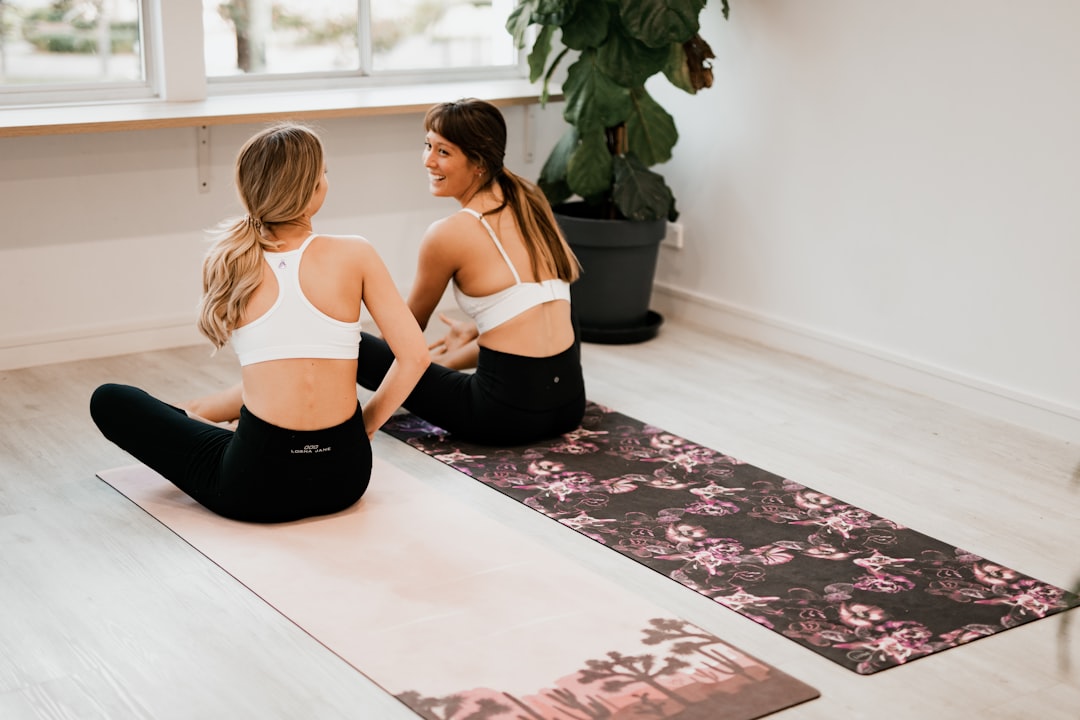
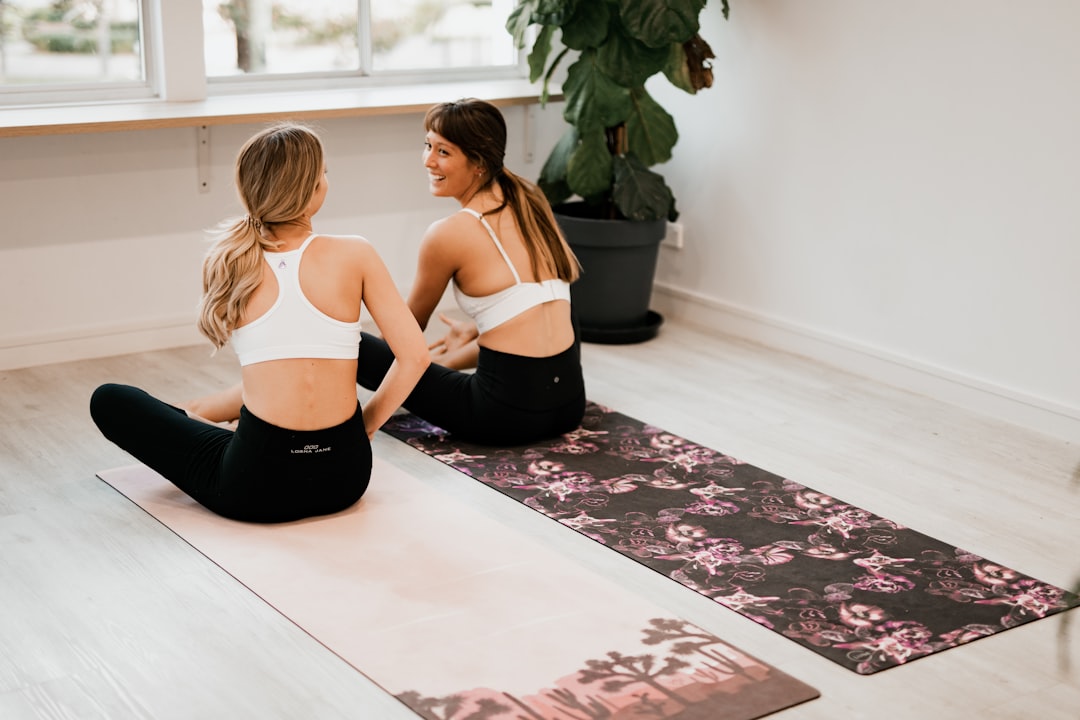
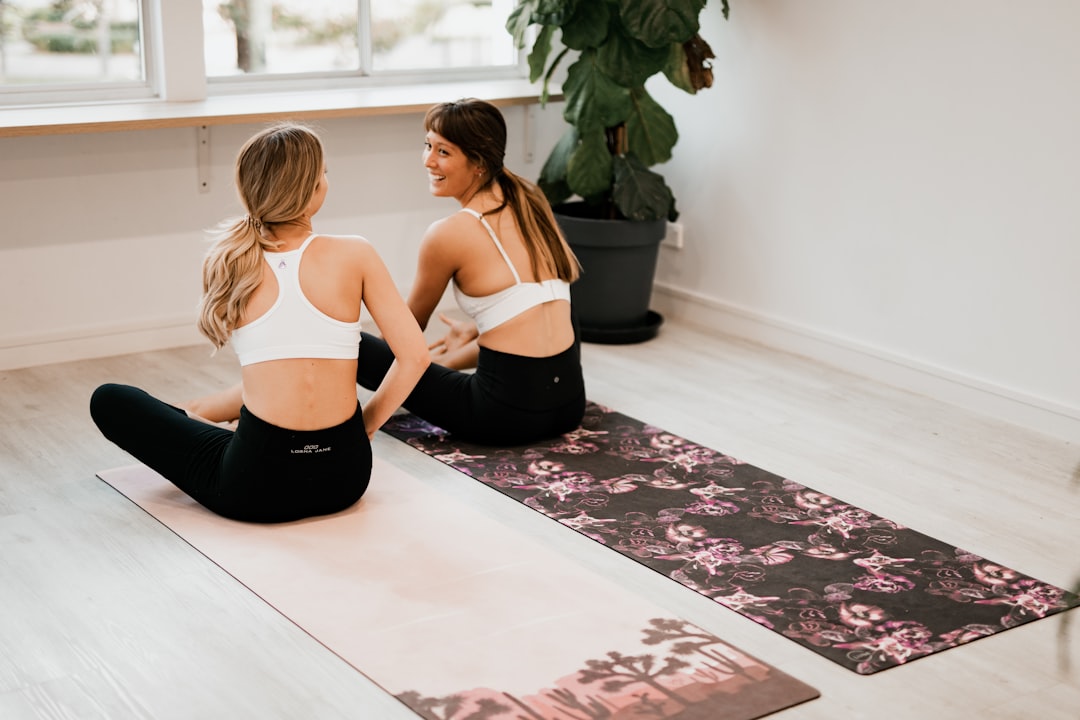
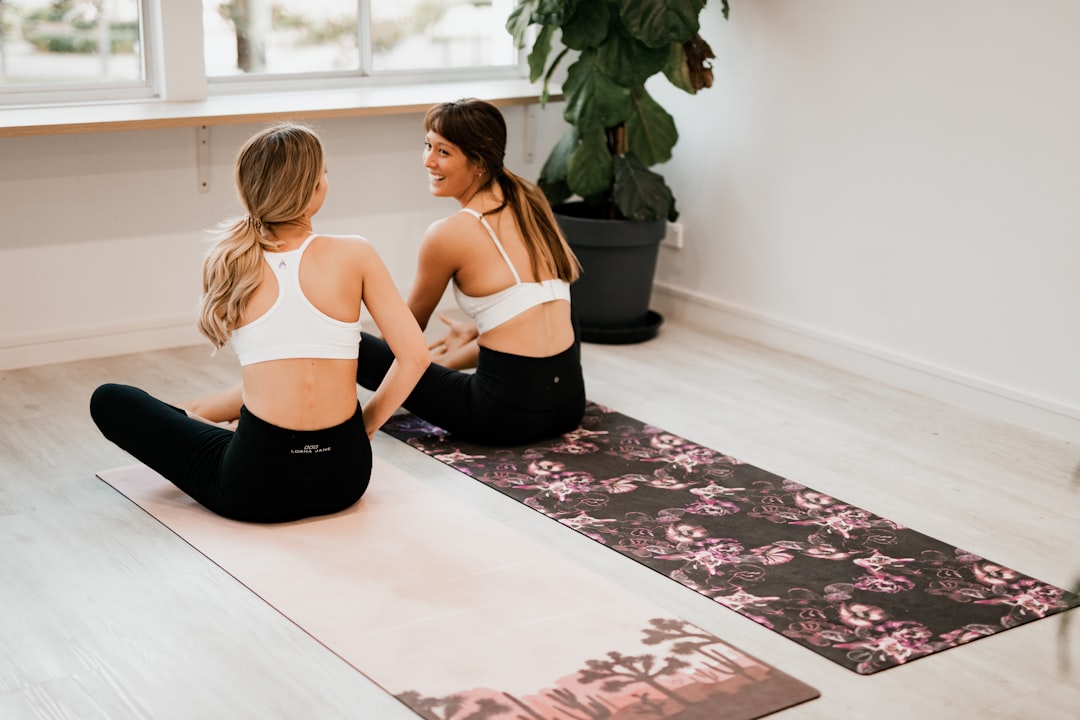
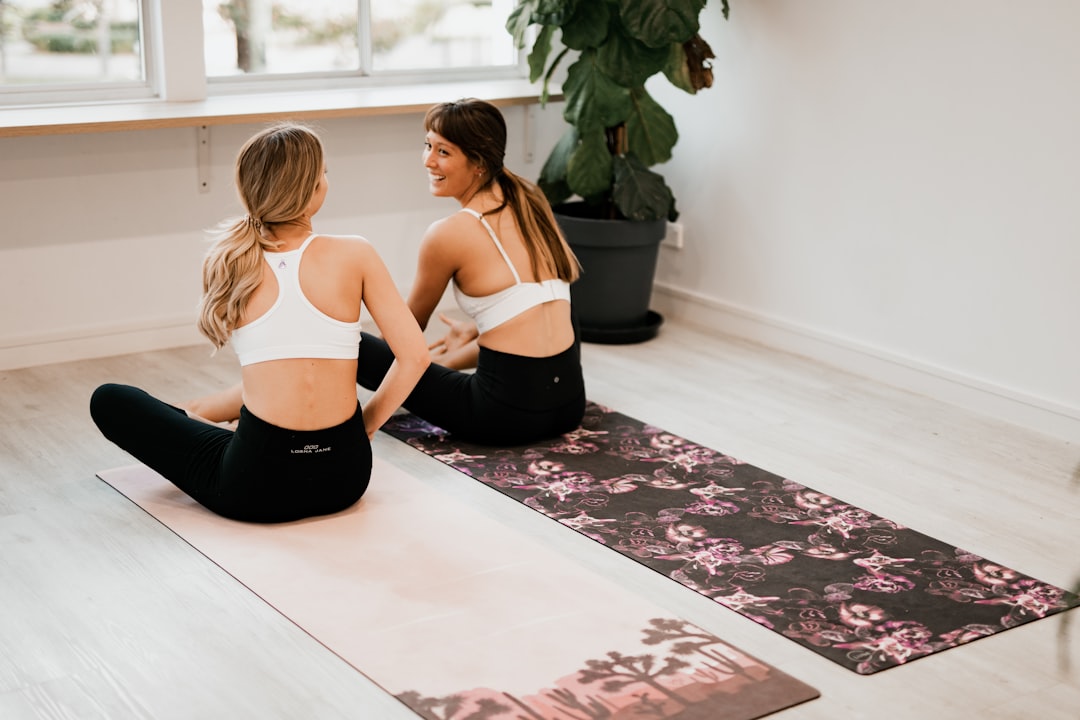
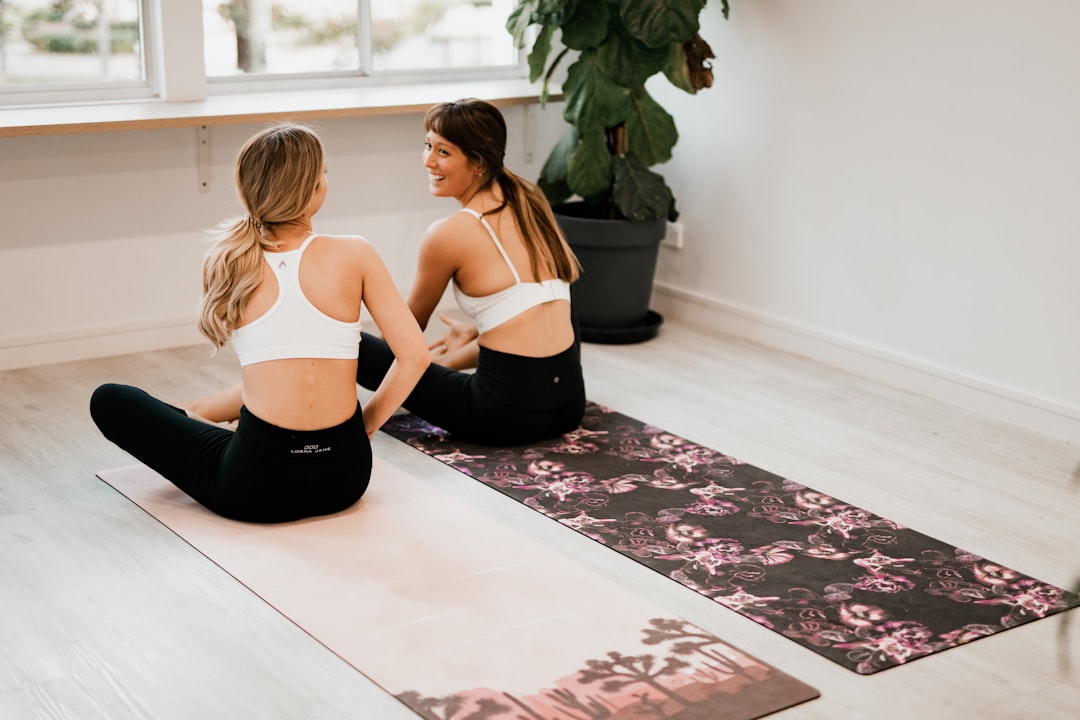
    A solid beginner workout plan for women at UK gyms like PureGym or David Lloyd should start with two to three gym sessions per week, each lasting 40 to 50 minutes. For example, week one could include two full-body resistance sessions focused on fundamental movements: squats, hip hinges, push exercises, and pulling motions. Each session should target 6–8 exercises with 2 sets of 8–10 reps at light to moderate intensity, allowing clients to master form without excessive fatigue.

    This approach aligns with NHS strength training guidelines, recommending muscle-strengthening activities on two or more days weekly. Including compound movements with bodyweight or light weights helps build foundational strength and confidence. Cardio should begin as low-impact sessions, such as brisk walking or cycling for 10–15 minutes, increasing gradually. For more on women's training UK, see our guide.

    The goal is to create early wins without overwhelming new clients. Tracking sessions and reps provides measurable progress, which motivates adherence. The plan must be flexible enough to adapt to individual client needs while maintaining a consistent structure.

    Week-by-Week: Your First Four Weeks Laid Out

    Week one sets the foundation with two gym days: full-body resistance training lasting 40 minutes and 10-minute low-impact cardio after. Exercises include goblet squats, glute bridges, incline push-ups, seated rows with resistance bands, and planks held for 20 seconds. Rest between sets is 90 seconds. Week two adds a third session, introducing interval cardio for 15 minutes, alternating 1-minute brisk pace and 1-minute slow pace on a treadmill or bike.

    Week three increases resistance training volume to 3 sets of 10 reps per exercise, adding light dumbbells or machines depending on client access. Cardio sessions rise to 20 minutes, with one steady-state and one interval session. A rest day is scheduled between gym days to align with recovery needs.

    By week four, sessions extend to 50 minutes, incorporating progressive overload by increasing weights by 5–10% or adding 1–2 reps per set. Cardio mixes moderate steady-state cycling or brisk walking for 25 minutes with a beginner-friendly Couch to 5K running plan if appropriate. This builds towards the NHS physical activity guidelines for adults, which recommend at least 150 minutes of moderate aerobic activity weekly alongside strength work.

    Tracking progress each week with simple logs and adjusting intensity ensures clients feel capable and challenged without risking burnout or injury.

    Stop paying someone to tell you what to do every week. Instead, get the Kira Mei Women’s Blueprint — a straightforward educational programme that teaches you how to build your own gym and cardio plans tailored to your needs. For just £49.99, you’ll learn the exact principles to create effective, flexible programmes without relying on personal trainers or apps. Realise your potential and take control of your training today.

    The Three Things Beginners Get Wrong in the First Month

    First, beginners often try to do too much too soon, leading to fatigue and loss of motivation. For example, jumping straight into 5 gym sessions a week or heavy lifting without mastering technique causes dropout or injury. Second, neglecting rest days disrupts recovery and growth. Without scheduled rest or active recovery, clients experience soreness and frustration, reducing adherence.

    Third, skipping strength training in favour of cardio only limits long-term results. Women beginners frequently believe cardio alone will deliver their goals, but NHS strength training guidelines highlight the importance of muscle-strengthening activities for metabolism, bone health, and functional fitness. Without strength work, clients miss out on these critical benefits and plateau faster.

    According to the NHS calorie guidelines: The NHS recommends an average of 2,000 calories per day for women and 2,500 for men, though this varies based on your size and activity level.

    Addressing these errors early by setting realistic volumes, emphasising rest, and educating on strength benefits keeps clients engaged and progressing steadily.

    How to Adjust the Plan When Life Gets in the Way

    Life interruptions are inevitable, so flexibility within the plan is essential. If a client misses a gym day, recommend a 20-minute home bodyweight session focusing on mobility, core stability, or light resistance with household items. This keeps momentum without overwhelming them.

    Encourage clients to prioritise sleep and recovery as per NHS sleep guidelines, reminding them that rest days are productive. If energy is low, reduce session intensity rather than skipping entirely. For clients with fluctuating schedules, suggest splitting sessions into shorter bouts (e.g., two 20-minute blocks) or swapping days as needed.

    Tracking adherence weekly via simple feedback helps identify when to dial intensity up or back. Being proactive and adapting plans to client realities separates average coaching from effective, sustainable programmes.

    According to the NHS physical activity guidelines: The NHS recommends adults do at least 150 minutes of moderate activity or 75 minutes of vigorous activity per week.

    Stop paying someone else to tell you what to do. Learn how to create your own effective workout plans with the Kira Mei Women’s Blueprint for just £49.99. No apps, no subscriptions, just real knowledge that puts you in control.

    What to Do When Week Four Is Done

    At the end of week four, conduct a progress review with your client. Measure improvements in strength (e.g., increased weights or reps), endurance (longer cardio durations), and subjective wellbeing. Set new targets for the next four weeks, aiming to gradually increase gym days to three or four and cardio to 150 minutes weekly, matching NHS physical activity guidelines.

    Encourage clients to maintain the habit by mixing gym sessions with classes or outdoor activities, sustaining variety and motivation. Highlight the long-term health benefits of regular exercise, such as improved heart health, mood, and weight management, as outlined by the British Heart Foundation.

    A structured, flexible approach with clear milestones builds confidence and retention, turning beginners into lifelong gym users. Learn more about the Kira Mei Women’s Blueprint and how it can help you take control of your training.

    Frequently Asked Questions

    How often should women beginners train at the gym per week in the UK?

    Women beginners should start with two to three gym sessions per week, focusing on full-body resistance training and light cardio. Sessions of 40 to 50 minutes balance effectiveness and recovery, building towards NHS guidelines of 150 minutes moderate activity weekly.

    What strength exercises are best for women new to gym workouts?

    Effective strength exercises for women new to the gym include goblet squats, glute bridges, incline push-ups, seated rows with resistance bands, and planks. These compound movements develop fundamental strength safely and align with NHS strength training recommendations.

    How can UK personal trainers help clients stay motivated during the first month?

    UK PTs should set realistic goals, track measurable progress like reps or weights, schedule rest days, and educate clients about gradual progression. Clear communication and adaptable plans reduce dropout risk and maintain motivation.

    What adjustments should be made if a client misses gym sessions?

    If sessions are missed, recommend short home workouts focusing on mobility or bodyweight exercises. Emphasise rest and recovery, suggest splitting sessions into shorter bouts, and adjust intensity rather than skipping entirely, aligning with NHS sleep and recovery advice.

    When should a beginner woman increase her workout intensity or volume?

    Beginners should increase intensity or volume after consistently completing 3–4 weeks of training with good form and minimal fatigue. Progressively add 5–10% more weight or 1–2 reps per set, or extend cardio duration, gradually moving towards NHS physical activity targets.

    Stop paying someone else to tell you what to do. Get the Kira Mei Women’s Blueprint for £49.99 and learn how to build your own effective, flexible workout plans that suit your life and goals.

  • What Exercises Are Good for 50 Year Old Woman: Effective Routines

    Wondering what exercises are good for a 50 year old woman? This guide breaks down safe, effective workouts tailored for women over 50, focusing on strength, flexibility, and cardiovascular health. Learn how to build a balanced weekly routine with clear steps and common pitfalls to avoid. Whether you're starting fresh or getting back into fitness, these expert tips will help you move confidently and feel your best.

    Understanding the Foundation of Exercise for Women Over 50

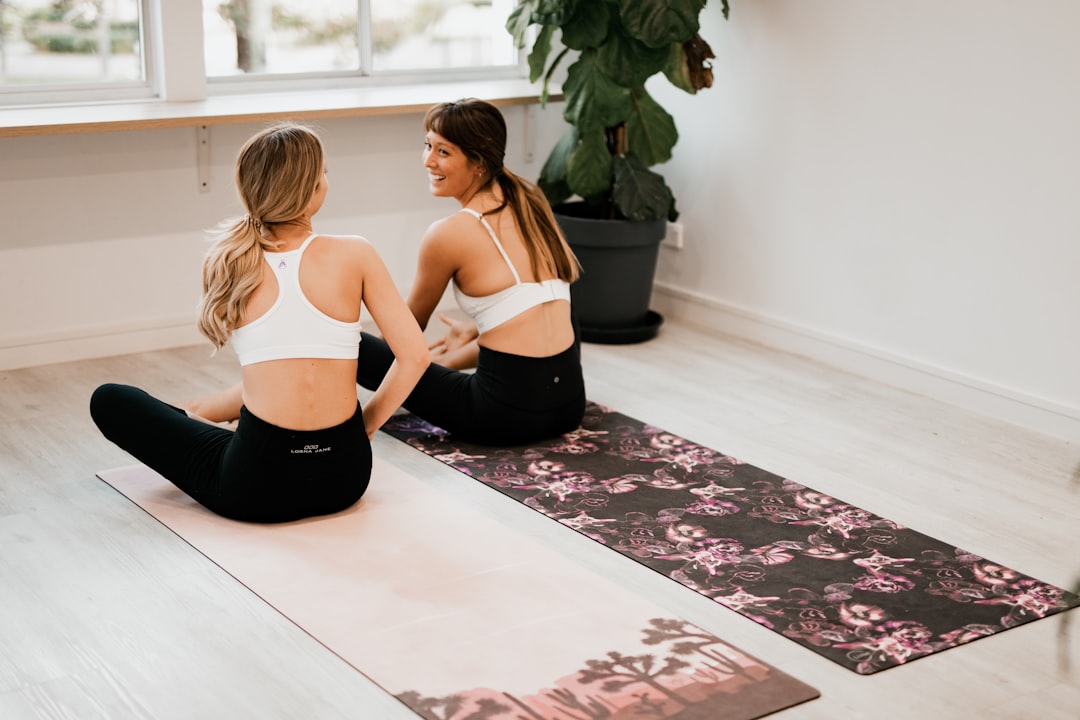
    As we age, muscle mass naturally declines, and bones may become more fragile, making strength and balance crucial. Exercises that build muscle help maintain metabolism and support joint health, while low-impact cardio protects your heart without stressing your body. Flexibility and mobility work reduce stiffness and improve posture, which often changes after 50.

    For example, resistance training with light weights or resistance bands stimulates muscle repair and growth, crucial after 50. Walking or swimming offer heart health benefits without joint strain, and yoga or Pilates improve flexibility and core strength. The key is combining these elements to support overall wellbeing, ensuring your workouts address strength, endurance, and flexibility in harmony. For more on how to meal prep on a budget in the UK, see our guide.

    Practical Implementation: Building Your Weekly Exercise Plan

    Starting your exercise routine can be straightforward with a clear plan. Aim for about 150 minutes of moderate activity per week, alongside two strength sessions. Here’s a sample approach:

    • Perform strength training exercises like squats, lunges, or resistance band rows twice a week, focusing on controlled movements and proper form.
    • Include 30-minute low-impact cardio sessions, such as brisk walking or cycling, three times a week.
    • Dedicate two days to flexibility and balance work through yoga, Pilates, or dedicated stretching routines.
    • Reserve one day for rest or gentle activity like a leisurely walk.

    Make sure to warm up for 5-10 minutes before each session with light movement to prepare your muscles and joints. Cooling down with stretches helps recovery and reduces soreness. Use household items or resistance bands if you don’t have gym equipment, and explore local parks or safe walking routes for fresh air and motivation.

    Common Challenges and How to Overcome Them

    Many women over 50 face barriers like joint discomfort, lack of motivation, or uncertainty about correct technique. Starting too intensely often leads to soreness or injury, so pacing yourself is vital. If you experience joint pain, focus on low-impact options such as swimming or cycling, which reduce pressure on knees and hips.

    According to the NHS calorie guidelines: The NHS recommends an average of 2,000 calories per day for women and 2,500 for men, though this varies based on your size and activity level.

    Another challenge is consistency. Setting realistic goals and scheduling workouts as fixed appointments can help. Track progress with a simple journal or calendar to celebrate small wins and stay motivated. If balance is a concern, try exercises close to a wall or chair for support. Remember, quality beats quantity—proper form reduces injury risk and maximises benefits.

    Advanced Tips to Optimise Your Routine

    Once comfortable with the basics, you can enhance your workouts to continue progressing. Gradually increase resistance in strength exercises by adding weights or more repetitions. Introduce interval training in cardio sessions by alternating brisk walking with short bursts of faster pace, improving cardiovascular efficiency.

    Incorporate functional movements that mimic daily activities to improve overall mobility, such as step-ups or carrying groceries. Paying attention to posture during exercises and daily life helps prevent back pain and promotes confidence. Complement your physical activity with mindful breathing techniques and relaxation exercises to reduce stress, which impacts overall health.

    According to the NHS physical activity guidelines: The NHS recommends adults do at least 150 minutes of moderate activity or 75 minutes of vigorous activity per week.

    Putting It All Together: Your Clear Action Plan

    Combining strength, cardio, and flexibility exercises tailored to your 50s creates a sustainable routine that supports long-term health. Plan your week with two strength sessions, three cardio workouts, and two flexibility days, integrating rest and recovery. Use simple equipment and local outdoor spaces to keep costs low and enjoyment high.

    Pair your exercise plan with nutritious meals planned around batch cooking and leftovers from popular UK supermarkets to fuel recovery and energy. With patience and consistency, these habits will build resilience, improve mobility, and enhance your wellbeing, helping you feel strong and active at any age. Stop paying someone to tell you what to do and learn how to create your own personalised fitness programme with the Kira Mei Women’s Blueprint. For just £49.99, you’ll get a step-by-step educational blueprint that teaches you how to build effective, tailored plans without relying on personal trainers or apps. Realise your potential on your own terms—find out more at https://www.kiramei.co.uk/womens.

    Frequently Asked Questions

    How long does it take to see results from exercising at 50?

    You can typically notice improvements in strength and energy within 4 to 6 weeks of consistent exercise. Cardiovascular and flexibility benefits may appear sooner with regular activity. Progress depends on frequency, intensity, and your starting fitness level.

    Can I exercise if I have joint pain or arthritis?

    Yes, low-impact activities like swimming, cycling, and yoga are gentle on joints while still improving strength and flexibility. Always start slowly, listen to your body, and consider consulting a physiotherapist for personalised advice.

    What if I have limited time during the week for workouts?

    Shorter sessions, such as 15-20 minutes of focused strength or cardio, can be effective when done regularly. Prioritise compound movements and brisk walking to maximise benefits within limited time.

    How do I start strength training safely at home?

    Begin with bodyweight exercises like wall push-ups and chair squats, focusing on control and form. Use light resistance bands or household items like water bottles to add load gradually. Warm up beforehand and cool down with stretches.

    Stop paying someone to tell you what to do. Learn to build your own plan with the Kira Mei Women’s Blueprint. Available now for £49.99. Visit https://www.kiramei.co.uk/womens to get started.


  • Over 40 Fitness Models: Secrets to Staying Fit and Strong

    Over 40 Fitness Models: Secrets to Staying Fit and Strong

    Wondering how fitness models over 40 maintain their impressive physiques? This guide breaks down a practical 7-day fitness and nutrition plan tailored for UK readers, including batch cooking strategies using Tesco and Aldi ingredients. Learn how to balance strength training, recovery, and smart meal prep to support muscle tone and energy. Perfect for those seeking sustainable fitness beyond their 40s.

    Understanding the Foundation of Fitness Over 40

    As we age, muscle mass naturally declines, and metabolism slows, making strength training and nutrition crucial. Fitness models over 40 focus on preserving lean muscle through resistance exercise, which also supports bone density and metabolic health. For instance, lifting weights two to three times per week stimulates growth and combats age-related muscle loss. Nutrition plays an equally vital role; protein intake must be sufficient to repair and build muscle, ideally spread evenly throughout the day.

    Scientific research suggests that combining strength work with moderate cardio optimises fat loss without sacrificing muscle. Over 40 fitness models often incorporate compound movements—like squats, deadlifts, and presses—that engage multiple muscle groups efficiently. This balanced approach helps maintain a toned, athletic look while supporting overall health. For more on how to meal prep on a budget in the UK, see our guide.

    Practical Implementation of a 7-Day Fitness and Nutrition Plan

    To start, allocate three days for resistance training focusing on full-body workouts, allowing rest or light activity days in between. On non-lifting days, include 30 minutes of brisk walking or cycling to improve cardiovascular health without overtaxing recovery. A typical week could look like this:

    • Monday: Full-body resistance training with weights or resistance bands
    • Tuesday: Brisk 30-minute walk or gentle cycling
    • Wednesday: Rest or yoga/stretching session
    • Thursday: Resistance training focusing on compound lifts
    • Friday: Moderate cardio session
    • Saturday: Resistance training with accessory exercises
    • Sunday: Active recovery with walking or mobility work

    For nutrition, batch cook protein-rich meals such as grilled chicken, lentil stews, or baked fish with vegetables early in the week. Use leftovers for lunches or quick dinners to reduce cooking time. Incorporate UK staples like oats, root vegetables, and seasonal greens. Aim for 1.4 to 1.6 grams of protein per kilogram of bodyweight daily, spread across three to four meals.

    Common Challenges and Mistakes to Avoid

    One frequent hurdle is underestimating recovery needs. Over 40 fitness models prioritise rest because muscles take longer to repair with age. Training too intensely without adequate sleep or nutrition can lead to fatigue and injury. Another common issue is inconsistent meal planning, which often results in skipping protein or relying on processed convenience foods.

    Some may also neglect mobility and flexibility, which support joint health and prevent stiffness. Skipping warm-ups or ignoring minor aches can worsen problems over time. To combat these, schedule rest days and include stretching or yoga sessions in your routine. Planning meals ahead, using batch cooking, and shopping at familiar UK supermarkets can ensure you have nutritious food readily available, making it easier to stick with your goals.

    According to the NHS calorie guidelines: The NHS recommends an average of 2,000 calories per day for women and 2,500 for men, though this varies based on your size and activity level.

    Advanced Tips to Optimise Fitness Over 40

    Once comfortable with the basics, consider increasing training intensity by adding supersets or reducing rest time between sets to challenge muscles further. Incorporate interval training or hill sprints to boost cardiovascular fitness and metabolic rate efficiently. Tracking progress with a simple training log can help identify plateaus and adjust workouts accordingly.

    On the nutrition front, experiment with nutrient timing by consuming protein-rich snacks post-workout to optimise muscle repair. Including anti-inflammatory foods like oily fish, walnuts, and colourful vegetables supports recovery and joint health. Hydration is often overlooked but critical; aim for at least 2 litres of water daily, adjusting for activity and weather.

    Finally, prioritise sleep hygiene by establishing a regular bedtime routine, which enhances recovery and hormone balance crucial for fitness over 40.

    According to the NHS physical activity guidelines: The NHS recommends adults do at least 150 minutes of moderate activity or 75 minutes of vigorous activity per week.

    Putting It All Together for Sustainable Success

    Combining consistent resistance training with moderate cardio alongside strategic nutrition creates a solid foundation for fitness over 40. Setting a weekly schedule that alternates exercise types and includes rest ensures you stay injury-free and motivated. Batch cooking meals with UK supermarket ingredients simplifies adherence to a protein-rich diet, supporting muscle maintenance and energy levels.

    By addressing common pitfalls like inadequate recovery and meal planning, and gradually increasing workout intensity, you’ll build a sustainable routine that fits your lifestyle. This balanced approach reflects what over 40 fitness models do to stay strong, healthy, and confident well into later years. Learn more about the Milo App and how it can help you get started.

    Frequently Asked Questions

    How long does it take to see results from a fitness routine over 40?

    Typically, noticeable changes in strength and muscle tone can appear within 6 to 8 weeks of consistent training and proper nutrition. However, improvements in energy and mood may be felt sooner. Patience and regularity are key, as muscle repair and metabolic adjustments take slightly longer with age.

    Can I follow this fitness plan if I have limited time during the week?

    Yes, focusing on compound exercises that work multiple muscle groups reduces workout time while maximising effectiveness. Batch cooking meals on weekends or off days saves daily cooking time, ensuring you eat well without spending hours each day in the kitchen.

    What if I struggle with joint pain during workouts?

    Prioritise low-impact exercises like cycling, swimming, or using resistance bands. Incorporate thorough warm-ups and stretching to improve mobility. If pain persists, adjust exercises to reduce strain and consult a physiotherapist for personalised advice.

    How do I start batch cooking with UK supermarket ingredients?

    Choose versatile proteins like chicken breasts, canned lentils, or salmon fillets from Tesco or Aldi. Prepare several portions at once by roasting or slow-cooking. Pair with steamed or roasted vegetables and whole grains like brown rice or quinoa. Store meals in separate containers to mix and match throughout the week.

    Build your plan automatically with Milo App. Download Milo App and get your first week free — from £7.99/month after that.


  • Effective Female Fat Loss Diet Plan UK Menopause Guide

    Effective Female Fat Loss Diet Plan UK Menopause Guide

    Struggling with fat loss during menopause? This UK-focused female fat loss diet plan offers a practical 7-day structure with batch cooking and leftovers. Learn how to balance hormones and manage weight using familiar supermarket ingredients and realistic meal timing. Designed specifically for menopausal women, this guide helps you overcome common challenges with effective nutrition strategies that fit your lifestyle.

    Understanding Menopause and Fat Loss Foundations

    Menopause lowers oestrogen levels, which can slow metabolism and change fat distribution, often leading to more abdominal fat. This is why a female fat loss diet plan during menopause must focus on stabilising blood sugar and supporting hormonal health through food choices. Protein-rich meals help preserve muscle mass, which naturally declines with age and affects metabolic rate. Including fibre-rich vegetables and whole grains aids digestion and keeps you full longer, reducing overeating.

    Balancing good fats like omega-3s from oily fish or flaxseeds can reduce inflammation linked to menopausal symptoms and support fat loss. Avoiding high-sugar and highly processed foods prevents insulin spikes that encourage fat storage. This approach works because it addresses the root hormonal changes rather than just cutting calories, which often backfires during menopause. For more on how to meal prep on a budget in the UK, see our guide.

    Practical Implementation of Your 7-Day Diet Plan

    To start, plan your week with batch cooking in mind. Choose 2-3 main protein sources such as chicken breast, canned tuna, or plant-based beans. Cook these in bulk on Sunday or a convenient day, and portion them for quick meals. Incorporate plenty of non-starchy vegetables like spinach, broccoli, and courgettes from UK supermarkets, which are affordable and readily available.

    Here’s how to structure your days:

    • Eat three balanced meals and up to two snacks, spacing them about 3-4 hours apart to maintain steady energy.
    • Aim for 30-40g of protein per main meal to support muscle maintenance.
    • Include healthy fats like a tablespoon of olive oil or a small handful of nuts daily.
    • Use leftovers creatively, turning roasted vegetables and proteins into salads or wraps.
    • Stay hydrated with water and herbal teas, limiting caffeinated drinks that may disrupt sleep.

    This routine supports metabolism and hormone balance while being flexible enough for family meals or social occasions.

    If you'd rather not plan this manually each week, Milo App can generate your meals and workouts automatically — just set your goal and it handles the rest.

    Common Challenges and How to Overcome Them

    Many women find hunger and cravings hardest to manage during menopause due to fluctuating hormones. Skipping meals or undereating can trigger intense hunger later, leading to overeating. The solution is to eat consistently and include protein and fibre in every meal, which help regulate appetite.

    Another common issue is limited time for cooking, which batch cooking solves by having ready meals on hand. Some may struggle with motivation or feel overwhelmed by dietary changes; starting with simple swaps like replacing sugary snacks with fresh fruit or nuts can build confidence.

    Weight plateaus are normal; they don’t mean failure but signal a need to reassess portion sizes or increase activity slightly. Finally, menopausal symptoms like poor sleep can affect fat loss. Prioritising a nutrient-rich diet and avoiding stimulants after mid-afternoon can improve rest and support your goals.

    According to the NHS calorie guidelines: The NHS recommends an average of 2,000 calories per day for women and 2,500 for men, though this varies based on your size and activity level.

    Advanced Tips and Optimisation

    Once you’re comfortable with the basic 7-day plan, you can optimise by adjusting macros according to your activity level. On more active days, slightly increase carbohydrates from whole grains like brown rice or oats to fuel exercise.

    Incorporate strength training twice a week to preserve and build muscle, which boosts resting metabolic rate. Consider adding fermented foods like yoghurt or sauerkraut to support gut health, which influences hormone balance.

    To reduce inflammation, experiment with spices such as turmeric and ginger in your cooking. Tracking your meals with a simple journal can help identify patterns that support or hinder progress.

    Finally, focus on mindful eating: slow down, savour meals, and listen to hunger cues, which can reduce overeating and improve digestion.

    According to the NHS physical activity guidelines: The NHS recommends adults do at least 150 minutes of moderate activity or 75 minutes of vigorous activity per week.

    Milo App helps you stay consistent by turning your preferences into a ready-made plan — no spreadsheets, no guesswork, no starting from scratch every week.

    Putting It All Together

    Your female fat loss diet plan during menopause in the UK is about consistency, balance, and simplicity. Start with a 7-day meal structure that includes batch cooking and leftover use to save time and reduce stress. Focus on protein, fibre, and healthy fats with familiar supermarket ingredients.

    Address challenges by eating regularly, managing cravings, and prioritising sleep. Once your routine feels manageable, optimise by tailoring macros and adding strength training. This approach empowers you to manage menopausal changes effectively and supports lasting fat loss without extreme dieting or deprivation. Learn more about the Milo App and how it can help you get started.

    Frequently Asked Questions

    How long does it take to see results from a menopause-specific fat loss diet plan?

    Typically, you can start noticing changes in energy levels and appetite within 1-2 weeks, but visible fat loss may take 4-6 weeks. Consistency with balanced meals, portion control, and regular activity is key for sustainable progress during menopause.

    Can I follow this diet plan if I have limited time for cooking during the week?

    Yes, batch cooking on one day, such as Sunday, allows you to prepare proteins and vegetables in advance. Using leftovers creatively reduces daily cooking time, making it easier to stick to the plan even with a busy schedule.

    Is it okay to include some treats or alcohol occasionally while following this plan?

    Moderation is important. Including occasional treats or a glass of wine can fit within a balanced diet, but frequent consumption can disrupt blood sugar control and fat loss. Planning these in advance helps maintain balance.

    What’s the best way to start if I’ve never tracked macros or meal planned before?

    Begin by focusing on portion sizes and meal timing rather than exact macros. Use simple measures like palm-sized protein servings and fist-sized vegetable portions. Gradually introduce tracking with a food diary if you want more precision.

    Build your plan automatically with Milo App. Download Milo App and get your first week free — from £7.99/month after that.


  • How to Postpartum Fitness UK Bristol: A 7-Day Guide

    How to Postpartum Fitness UK Bristol: A 7-Day Guide

    Starting postpartum fitness can feel overwhelming, especially in Bristol's busy lifestyle. This guide breaks down a realistic 7-day fitness plan tailored for UK new mums, focusing on gentle movement, nutrition, and recovery. Learn how batch cooking with Tesco or Aldi groceries can fuel your body without extra stress. You'll find clear, evidence-based advice to help you regain strength safely and boost wellbeing.

    Understanding Postpartum Fitness Foundations

    Postpartum fitness is about rebuilding strength, improving mobility, and supporting recovery after childbirth. Your body has undergone significant changes, so starting gradually is essential. The pelvic floor and core muscles need particular attention because they are often weakened during pregnancy and delivery. Exercises that focus on these areas help prevent future issues like incontinence or back pain.

    Physiological changes mean your energy levels will fluctuate, so a balanced approach with rest days is crucial. For example, gentle walking or pelvic floor exercises on some days combined with light strength training on others can build endurance without overloading your body. This phased approach respects your body’s healing timeline and reduces injury risk. For more on how to meal prep on a budget in the UK, see our guide.

    Practical Steps to Start Your Postpartum Fitness

    Begin with simple, achievable actions that fit into your daily routine. Aim to dedicate around 20–30 minutes each day to movement, gradually increasing intensity as you feel stronger. Here’s a straightforward weekly example:

    • Day 1: Pelvic floor exercises and gentle walking for 20 minutes.
    • Day 2: Rest or light stretching.
    • Day 3: Bodyweight strength exercises like squats and modified planks.
    • Day 4: Rest or gentle yoga focusing on breathing.
    • Day 5: Walking with light intervals of brisk pace.
    • Day 6: Core stability exercises.
    • Day 7: Rest and prepare meals for the upcoming week.

    Batch cooking using ingredients from Tesco or Aldi, such as lean proteins, seasonal vegetables, and whole grains, helps maintain energy levels and reduces mealtime stress. Prepare large portions of stews or casseroles that can be refrigerated and reheated, ensuring nutritious leftovers.

    Stop paying someone else to tell you what to do. For just £49.99, the Kira Mei Women’s Blueprint teaches you exactly how to build your own postpartum fitness and nutrition programme — no personal trainers, no cookie-cutter plans, just straightforward, expert guidance that helps you realise what your body really needs. Get the blueprint at kiramei.co.uk/womens and take control of your fitness on your terms.

    Common Challenges and How to Overcome Them

    Many new mums struggle with fatigue, lack of time, and motivation. It’s normal to feel overwhelmed, especially when balancing a new baby’s needs. Fatigue can make exercise seem daunting, so prioritise short sessions and listen to your body’s signals.

    Another common mistake is rushing into intense workouts too soon. This can lead to injury or setbacks. Focus instead on consistency and gradual progress. Lack of sleep may also disrupt your routine; try scheduling workouts during times when you feel most alert, such as after a nap or in the morning.

    According to the NHS calorie guidelines: The NHS recommends an average of 2,000 calories per day for women and 2,500 for men, though this varies based on your size and activity level.

    If motivation dips, consider joining local postnatal exercise groups or walking with friends to make activity more enjoyable and social. Remember, rest days are part of the plan and essential for recovery.

    Advanced Tips for Optimising Your Postpartum Fitness

    Once the basics feel manageable, you can add variety and challenge to your routine. Incorporate resistance bands or light weights to increase strength training intensity. Try low-impact cardio activities like swimming or cycling, which are gentle on joints and excellent for cardiovascular health.

    Pay close attention to your nutrition by incorporating foods rich in iron and protein to support recovery and energy. Planning meals around UK seasonal produce can add variety and flavour. Also, practice mindful breathing and relaxation techniques to manage stress, which supports overall wellbeing and fitness progress.

    Tracking your progress with a simple journal or calendar can help you stay motivated and adjust your plan based on how you feel. Remember, flexibility is key—your plan should evolve with your body’s needs.

    According to the NHS physical activity guidelines: The NHS recommends adults do at least 150 minutes of moderate activity or 75 minutes of vigorous activity per week.

    Stop paying for cookie-cutter plans or expensive personal trainers. The Kira Mei Women’s Blueprint (£49.99) empowers you to create your own postpartum fitness programme that fits your life and body perfectly. No fluff, no nonsense — just what you need to get strong and stay strong. Find out more at kiramei.co.uk/womens.

    Putting It All Together

    Postpartum fitness in Bristol is entirely achievable with a thoughtful approach tailored to your recovery and lifestyle. Start with gentle exercises focusing on your pelvic floor and core, gradually adding strength and cardio activities as you feel ready. Combine this with batch cooking and nutritious meals from local supermarkets to support your energy and healing.

    By following a clear 7-day plan that balances exercise, rest, and nutrition, you’ll build strength and confidence steadily. Remember, this journey is about progress, not perfection, and your wellbeing is the priority every step of the way. Learn more about the Kira Mei Women’s Blueprint and how it can help you take control of your postpartum fitness.

    Frequently Asked Questions

    How soon after giving birth can I start postpartum fitness?

    You can generally begin gentle activities like pelvic floor exercises and walking soon after birth, often within a few days or weeks, depending on your delivery and recovery. Always check with your midwife or GP, especially if you had a caesarean or complications.

    Can I do postpartum fitness if I have limited time and a newborn?

    Yes, short sessions of 20–30 minutes can be effective. Focus on exercises you can do at home, like bodyweight moves or walking with your baby in a sling or stroller. Batch cooking meals also frees up time for fitness by reducing daily cooking demands.

    I’m worried about injuring myself. How can I exercise safely postpartum?

    Start slowly with low-impact, gentle exercises focusing on pelvic floor and core strength. Avoid high-intensity workouts until you regain strength. Listening to your body and stopping if you feel pain or discomfort is essential. Consulting a physiotherapist can provide personalised guidance.

    What’s the best way to structure postpartum fitness throughout the week?

    Create a balanced weekly plan with 3–4 days of light to moderate exercise and rest or active recovery days in between. Include pelvic floor work daily, gentle cardio like walking, and strength exercises a few times a week. Batch cook meals on rest days to maintain energy without extra stress.

    Stop paying someone else to tell you what to do. For just £49.99, the Kira Mei Women’s Blueprint teaches you how to build your own postpartum fitness and nutrition programme — no personal trainers, no cookie-cutter plans, just expert guidance that helps you realise what your body really needs. Get it now at kiramei.co.uk/womens.


  • How to Lose Weight Over 40 Female UK: Practical 7-Day Plan

    How to Lose Weight Over 40 Female UK: Practical 7-Day Plan

    Losing weight over 40 can feel challenging, but with the right approach tailored for UK women, it becomes manageable. This guide offers a clear 7-day structure incorporating batch cooking, balanced meals, and sensible exercise. You'll learn how to shop smartly at common UK supermarkets, avoid common pitfalls, and build routines that fit your lifestyle. Whether you’re juggling work or family, this plan respects your time and energy, focusing on sustainable habits rather than quick fixes.

    Understanding Weight Loss Over 40

    After 40, your metabolism naturally slows, and changes in hormones like oestrogen can affect fat distribution and appetite. This means your body burns fewer calories at rest, so weight loss requires more precision. Muscle mass also declines with age, which further reduces calorie expenditure. Focusing on a mix of strength training to preserve muscle and moderate cardio for fat burning is essential. Nutrition-wise, prioritising protein helps maintain muscle and keeps you feeling full longer.

    Your body's insulin sensitivity may also decrease, so reducing refined carbs and added sugars can improve fat loss. A diet rich in fibre from vegetables, whole grains, and legumes supports digestion and satiety. This combination of exercise and targeted nutrition forms the scientific foundation that makes weight loss over 40 achievable. For more on how to meal prep on a budget in the UK, see our guide.

    Practical Implementation

    Start by planning a 7-day meal and exercise schedule that suits your lifestyle. Batch cooking on weekends or days off means you have ready meals, reducing reliance on quick, often less healthy options. For example, roast chicken breasts, steamed vegetables, and brown rice can be cooked in bulk and used across different meals. UK supermarkets like Aldi and Lidl offer affordable fresh produce and lean proteins to support this.

    Here’s a simple step-by-step:

    • Choose 3-4 protein sources (chicken, fish, beans, tofu) and prepare enough for several meals.
    • Cook a range of vegetables (broccoli, carrots, kale) and whole grains (quinoa, brown rice).
    • Portion meals into containers for easy grab-and-go lunches and dinners.
    • Schedule 30 minutes of moderate exercise 4 times a week, mixing brisk walking and resistance exercises.
    • Track your meals briefly to ensure balanced portions without obsessing over calories.

    This approach keeps you consistent and reduces decision fatigue.

    Stop paying someone else to tell you what to eat and how to move. For just £49.99, the Kira Mei Women’s Blueprint teaches you how to create your own personalised programme that fits your life and goals — no trainers, no apps, no ongoing fees. Realise your potential with a plan you build yourself. Find out more at kiramei.co.uk/womens.

    Common Challenges and Mistakes

    Many women struggle with slow progress because they underestimate portion sizes or over-rely on cardio without strength training. Another common issue is skipping meals, which can backfire by increasing hunger and slowing metabolism. Emotional eating or stress can also sabotage efforts, especially if you don’t have alternative coping strategies.

    To address these, focus on mindful eating—pay attention to hunger cues and avoid distractions while eating. Incorporate strength exercises like resistance bands or bodyweight workouts to maintain muscle mass. Also, plan snacks with protein and fibre to prevent energy crashes. Finally, prepare for social occasions by deciding in advance what and how much you’ll eat to avoid temptations.

    According to the NHS calorie guidelines: The NHS recommends an average of 2,000 calories per day for women and 2,500 for men, though this varies based on your size and activity level.

    Advanced Tips and Optimisation

    Once you’re comfortable with the basics, start fine-tuning your routine. Introduce intermittent fasting if it suits your lifestyle, such as a 12-hour overnight fast to improve insulin sensitivity. Experiment with higher-intensity interval training (HIIT) sessions twice a week to boost metabolism further. Consider swapping some carbohydrates for healthy fats like avocados or nuts to improve satiety.

    Meal variety also helps; explore UK seasonal produce like beetroot, parsnips, and berries to keep meals exciting. Tracking macronutrients can provide insights, but avoid obsessing over numbers. Instead, use it as a guide to adjust portions or food choices if weight loss plateaus.

    Lastly, prioritise sleep and stress management through relaxation techniques like mindfulness or gentle yoga, as these influence hormones that regulate weight.

    According to the NHS physical activity guidelines: The NHS recommends adults do at least 150 minutes of moderate activity or 75 minutes of vigorous activity per week.

    Stop paying someone else to tell you what to eat and how to move. For just £49.99, the Kira Mei Women’s Blueprint teaches you how to create your own personalised programme that fits your life and goals — no trainers, no apps, no ongoing fees. Realise your potential with a plan you build yourself. Find out more at kiramei.co.uk/womens.

    Putting It All Together

    Weight loss over 40 requires a structured yet flexible plan that respects your body's changing needs. By combining batch cooking with balanced meals from UK supermarkets, consistent exercise with strength focus, and mindful habits, you build a sustainable routine. Start with a simple 7-day plan, gradually introducing advanced tips as you progress.

    Remember, the goal is steady improvement, not rapid results. This approach fits around a busy lifestyle and helps you develop lasting habits. With patience and consistency, weight loss after 40 is entirely achievable. Learn more about the Milo App and how it can help you get started.

    Frequently Asked Questions

    How long does it typically take to see weight loss results with this approach?

    You can expect to notice subtle changes within 2-3 weeks, such as better energy and reduced bloating. Visible weight loss often appears after 4-6 weeks if you remain consistent with your meal plan and exercise routine.

    Can I lose weight if I have limited time for cooking and exercise?

    Yes. Batch cooking on weekends can save you daily meal prep time, and short 20-30 minute exercise sessions, like brisk walking or resistance training, are effective. Even small, consistent changes make a difference.

    What if I struggle with cravings or emotional eating?

    Identify triggers and keep healthy snacks like nuts or fruit handy. Try mindful eating to help recognise true hunger. Also, incorporate stress-relief practices such as breathing exercises or light walking to reduce emotional eating.

    How do I start strength training if I’m new to it?

    Begin with bodyweight exercises like squats, wall push-ups, and lunges. Use resistance bands or light weights if available. Aim for 2-3 sessions weekly, focusing on proper form and gradually increasing intensity.

    Stop paying someone else to tell you what to eat and how to move. For just £49.99, the Kira Mei Women’s Blueprint teaches you how to create your own personalised programme that fits your life and goals — no trainers, no apps, no ongoing fees. Realise your potential with a plan you build yourself. Find out more at kiramei.co.uk/womens.


  • Effective Resistance Band Workout for Women in the UK

    Effective Resistance Band Workout for Women in the UK

    Looking for a resistance band workout tailored to women in the UK? This guide breaks down a simple, effective seven-day plan you can follow at home. Learn why resistance bands work, how to use them properly, and how to integrate batch cooking and leftovers for balanced nutrition. Whether you shop at Tesco or Aldi, this approach fits a realistic lifestyle, helping you stay active and strong without complicated equipment or lengthy sessions.

    Understanding Resistance Band Training for Women

    Resistance bands provide variable tension that challenges muscles throughout a movement, unlike free weights which rely on gravity. This means you engage muscles more evenly and improve joint stability. For women, resistance bands are excellent for targeting areas like glutes, arms, and core with controlled resistance that reduces injury risk.

    The science behind resistance bands lies in progressive overload; as your muscles adapt, you increase band tension or repetitions. For example, a medium band from a UK retailer like Decathlon can offer 10-20kg of resistance, enough to stimulate muscle growth effectively. Using bands also improves flexibility and coordination because they require balance and control. For more on home workouts for women UK, see our guide.

    How to Implement Your Resistance Band Workout

    Start with a clear plan: allocate 20-30 minutes daily or every other day for your workouts. Begin with a warm-up of dynamic stretches, then move into exercises targeting major muscle groups.

    A sample routine includes:

    • Squats with band around knees to engage glutes.
    • Standing row using door anchor for back strength.
    • Glute bridges with band above knees.
    • Lateral band walks to activate hip abductors.
    • Overhead press for shoulder tone.

    Perform 3 sets of 12-15 reps for each exercise, resting 30 seconds between sets. Aim to increase resistance or reps weekly. Combine this with batch cooking meals like roasted vegetables and grilled chicken breasts, which keep well and provide protein needed for muscle repair. UK supermarkets such as Tesco and Aldi offer affordable options for fresh produce and lean meats.

    Common Challenges and How to Overcome Them

    One frequent issue is improper band tension. If the band is too loose, exercises won’t be effective; too tight, and form may suffer. To avoid this, select bands labelled with resistance levels and test tension before starting. Another challenge is inconsistent scheduling. To maintain habit, pick consistent times, perhaps early morning or after work, and keep bands visible as a reminder.

    Some women report discomfort in joints when using bands incorrectly. Always focus on controlled, slow movements and avoid snapping the bands. If pain occurs, reduce resistance or consult a physiotherapist. Finally, motivation dips can be tackled by tracking progress and varying exercises weekly to keep sessions engaging.

    According to the NHS calorie guidelines: The NHS recommends an average of 2,000 calories per day for women and 2,500 for men, though this varies based on your size and activity level.

    Advanced Tips to Enhance Your Resistance Band Routine

    Once comfortable with basic exercises, increase intensity by incorporating supersets—performing two exercises back-to-back with no rest. For example, follow squats immediately with lateral band walks. This boosts calorie burn and muscular endurance.

    Try combining resistance bands with bodyweight moves like planks or lunges for a full-body challenge. You can also experiment with different band thicknesses or double up bands for more resistance. Adding tempo variations, such as slow eccentric (lowering) phases, increases muscle time under tension and promotes strength gains.

    Tracking your progress visually or with a journal helps identify plateaus. Adjust workout volume or resistance accordingly. Remember to balance workouts with rest days and proper nutrition, optimising recovery through protein-rich meals and hydration.

    According to the NHS physical activity guidelines: The NHS recommends adults do at least 150 minutes of moderate activity or 75 minutes of vigorous activity per week.

    Bringing It All Together: Your Week of Resistance Band Workouts

    Plan your week with 4-5 resistance band sessions spaced to allow recovery, for example Monday, Wednesday, Friday, and a light session on Sunday. Combine this training with batch-cooked meals prepared on weekends or midweek, utilising simple ingredients from local UK supermarkets. This strategy saves time and ensures you fuel your muscles consistently.

    By following this structured yet flexible approach, you’ll build strength steadily and develop a sustainable fitness habit. Resistance bands offer a practical, low-impact way to tone muscles and improve fitness from the comfort of your home, perfectly suited to the UK lifestyle and your personal goals. Stop paying someone else to tell you what to do. For just £49.99, get the Kira Mei Women’s Blueprint — a straightforward educational programme that teaches you how to build your own effective fitness and nutrition plans without relying on personal trainers or apps.

    Frequently Asked Questions

    How long does it take to see results from a resistance band workout?

    Typically, you can notice improvements in muscle tone and strength within 4 to 6 weeks of consistent resistance band training, performed 3 to 4 times weekly. Progress depends on factors like workout intensity, nutrition, and rest.

    Can I do resistance band workouts if I have limited space at home?

    Yes, resistance bands are perfect for small spaces because they require minimal room and no bulky equipment. You can perform exercises standing or seated, making them ideal for flats or shared living areas.

    What if I find the bands too easy or too hard to use effectively?

    Choose bands with resistance levels suited to your current strength; many come colour-coded for easy selection. If too easy, increase reps or use a thicker band. If too hard, start with a lighter band and focus on form.

    How do I incorporate resistance band workouts into a busy UK lifestyle?

    Schedule short 20-30 minute sessions on days that fit your routine, such as early mornings or evenings. Batch cook meals in advance to save time on nutrition, ensuring you have energy and recovery support.

    Stop paying someone to tell you what to do. Get the Kira Mei Women’s Blueprint for just £49.99. Learn more and get started here.


  • Effective Home Workout for Women UK: 7-Day Guide

    Effective Home Workout for Women UK: 7-Day Guide

    Finding the right home workout for women in the UK can be challenging, but this guide breaks down a practical 7-day routine. You'll learn how to structure workouts, incorporate batch cooking for energy, and use common UK supermarket ingredients to fuel your fitness journey. Whether limited by space or time, this approach fits busy lifestyles and helps build strength and stamina gradually.

    Understanding the Foundation of Home Workouts for Women

    A successful home workout plan hinges on consistency, variety, and realistic goals. For women especially, workouts that combine strength, cardio, and flexibility address multiple fitness needs simultaneously. Scientific reasoning supports short, frequent sessions over sporadic long workouts because they improve metabolism and muscle tone effectively. For example, bodyweight exercises like squats, lunges, and modified push-ups target major muscle groups without equipment, reducing barriers.

    In the UK, space and equipment can be limited, so focusing on exercises that require no or minimal gear helps maintain motivation. Nutrition also plays a critical role; choosing ingredients from UK supermarkets that support energy levels and muscle recovery—like oats, eggs, seasonal vegetables, and lean proteins—makes the workout plan sustainable. For more on home workouts for women UK, see our guide.

    Practical Implementation of Your 7-Day Home Workout

    To start, design your week with a balance of workouts and rest days. For example, Monday, Wednesday, and Friday can be strength-focused, Tuesday and Thursday light cardio or yoga, and weekends active rest or stretching. Aim for sessions lasting 30-40 minutes to fit easily around daily commitments.

    Here’s a simple structure to follow:

    • Begin each session with a 5-minute warm-up, such as brisk walking on the spot or gentle dynamic stretches.
    • For strength days, perform 3 sets of 10-15 reps of exercises like wall sits, glute bridges, and planks.
    • Include 20 minutes of moderate cardio on cardio days, such as step-ups on a sturdy chair or dancing.
    • Use Sunday for gentle yoga or mobility work to aid recovery.
    • Plan meals in advance using batch cooking to save time and fuel workouts, cooking staples like brown rice, grilled chicken, and steamed vegetables in bulk.

    Preparing meals in bulk from Tesco or Aldi ensures you have nutritious options ready, reducing the temptation to skip meals or choose less healthy snacks.

    Common Challenges and Mistakes to Avoid

    Many women struggle with motivation, time constraints, or uncertainty about correct form. One frequent mistake is trying to do too much too soon, leading to burnout or injury. It’s better to start slow and build intensity gradually. Another challenge is inconsistent nutrition; skipping meals or relying on processed foods undermines workout benefits.

    Lack of space can also be a barrier. If your flat or home is small, focus on exercises that require minimal room, such as planks or seated exercises. Avoid comparing progress to others; everyone's fitness journey is unique. Tracking your workouts with a simple journal can help maintain accountability without pressure.

    According to the NHS calorie guidelines: The NHS recommends an average of 2,000 calories per day for women and 2,500 for men, though this varies based on your size and activity level.

    Finally, neglecting rest days is common but counterproductive. Recovery allows muscles to rebuild and prevents fatigue.

    Advanced Tips and Optimisation for Home Workouts

    Once you’re comfortable with the basics, you can optimise your routine by adding resistance bands or light dumbbells, which Tesco and other UK retailers often stock. These tools increase muscle engagement and variety. Also, incorporating interval training—short bursts of high intensity followed by recovery—boosts cardiovascular fitness efficiently.

    Nutrition-wise, consider timing meals around workouts; a small snack with carbs and protein about an hour before exercise can enhance performance. Drinking plenty of water is crucial, especially during warmer months in the UK.

    Tracking progress with photos or simple strength tests helps you see improvements beyond the scales. Finally, mixing up your workouts keeps motivation high—try different online classes or dance routines that reflect British cultural favourites.

    According to the NHS physical activity guidelines: The NHS recommends adults do at least 150 minutes of moderate activity or 75 minutes of vigorous activity per week.

    Putting It All Together into a Weekly Plan

    Combining these elements, your 7-day home workout plan for women in the UK becomes manageable and effective. Start each day with a clear goal: whether it’s improving strength, boosting energy, or simply moving more. Use batch cooking to ensure your meals support your activity levels, making use of familiar supermarket ingredients to keep things straightforward.

    Remember, success comes from consistency and listening to your body. Adjust intensity based on how you feel, and celebrate small wins. With this balanced approach, you’ll build fitness sustainably, fitting exercise and nutrition into your daily life without stress or unrealistic demands. Stop paying someone to tell you what to do—take control with the Kira Mei Women’s Blueprint. For just £49.99, get your educational programme that teaches you how to build your own effective plans tailored to your needs. Realise your potential without relying on personal trainers or apps. Get the Women’s Blueprint now.

    Frequently Asked Questions

    How long does it take to see results from a home workout for women in the UK?

    Typically, you can notice improved strength and energy within 3 to 4 weeks of consistent workouts. Visible changes like muscle tone may take 6 to 8 weeks, depending on your routine and nutrition. The key is consistency and combining exercise with balanced meals from local supermarkets.

    Can I do a home workout if I have limited space or no equipment?

    Absolutely. Many effective exercises use just your body weight and require minimal space, such as squats, lunges, and planks. Focus on routines that fit your living area, and use household items like water bottles as light weights if needed.

    What if I struggle to find time for daily workouts during a busy UK lifestyle?

    Shorter sessions of 20-30 minutes can be just as effective if done regularly. Try splitting workouts into morning and evening or fitting them around daily tasks. Planning ahead and batch cooking meals can free up extra time for exercise.

    How do I avoid common mistakes like injury or burnout when working out at home?

    Start with low-intensity exercises and proper warm-ups. Focus on correct form rather than speed or reps. Include rest days to allow recovery. Listening to your body and gradually increasing intensity reduces risk of injury or burnout.

    Build your plan automatically with Milo App. Download Milo App and get your first week free — from £7.99/month after that.


  • How Many Calories Should a Woman Eat UK: A Clear Guide

    How Many Calories Should a Woman Eat UK: A Clear Guide

    Wondering how many calories a woman should eat in the UK? This guide breaks down daily calorie needs based on lifestyle and age. Learn how to plan a balanced 7-day meal structure with batch cooking and leftovers, using common UK supermarket items. Understand why calorie intake varies and get practical tips to maintain energy and support your goals without guesswork or complicated diets.

    Understanding Calorie Needs

    Calories measure the energy your body uses to function daily. Your basal metabolic rate (BMR) is the energy needed at rest, and physical activity adds to this. For example, a moderately active woman in her 30s typically requires about 2,000 calories daily, while a sedentary woman may need closer to 1,800. Age affects metabolism: as you get older, your calorie needs generally decrease due to lower muscle mass and activity levels.

    The quality of calories matters too. Nutrient-dense foods provide vitamins and minerals alongside energy. Eating 2,000 calories of whole foods like vegetables, lean proteins, and whole grains supports health better than the same calories from processed snacks. This balance helps you maintain weight, energy, and wellbeing. For more on fat loss for women UK, see our guide.

    Practical Implementation

    To manage your calorie intake effectively, start by calculating your estimated daily needs using online tools or NHS guidance. Next, plan meals around those numbers, dividing calories across breakfast, lunch, dinner, and snacks. Batch cooking is a helpful method: prepare larger portions early in the week and use leftovers for quick meals.

    Here’s how to implement this:

    • Choose versatile ingredients from UK supermarkets, like chicken breasts, frozen vegetables, and brown rice.
    • Cook staple meals such as chilli con carne or vegetable stir-fries in bulk.
    • Portion meals into containers to control calorie intake and avoid overeating.
    • Incorporate snacks like fruit or nuts to meet energy needs between meals.
    • Adjust portion sizes based on your hunger and activity levels.

    Common Challenges and Mistakes

    Many women underestimate calories or skip meals thinking it helps lose weight, which can backfire by slowing metabolism or causing energy dips. Another common mistake is relying on calorie counting apps without considering food quality, leading to unbalanced nutrition.

    Busy schedules often lead to grabbing convenience foods, which tend to be calorie-dense but low in nutrients. To counter this, keep healthy snacks handy and plan simple meals that don’t require long prep times. Also, some may struggle with fluctuating hunger levels; in this case, focus on meals rich in protein and fibre to feel fuller longer.

    Understanding your body’s signals and adjusting portions accordingly is key to avoiding these pitfalls.

    According to the NHS calorie guidelines: The NHS recommends an average of 2,000 calories per day for women and 2,500 for men, though this varies based on your size and activity level.

    Advanced Tips and Optimisation

    Once you’re comfortable with your calorie needs and meal planning, refine your approach by tracking how different foods affect your energy and mood. Experiment with timing your meals around workouts to boost performance and recovery. For example, eating a balanced meal 1-2 hours before exercise can improve stamina.

    Incorporate a variety of nutrient-dense foods such as oily fish for omega-3s or legumes for plant-based protein. You can also try meal prep variations to keep your diet interesting and avoid monotony. Using herbs and spices from UK stores adds flavour without extra calories.

    Finally, as your activity level changes, revisit your calorie needs to stay aligned with your goals.

    According to the NHS physical activity guidelines: The NHS recommends adults do at least 150 minutes of moderate activity or 75 minutes of vigorous activity per week.

    Putting It All Together

    Start by estimating your daily calorie needs based on your age and activity level, aiming for a balanced intake between 1,800 and 2,400 calories. Use batch cooking and leftovers to simplify meal preparation, focusing on whole foods from local supermarkets. Monitor how you feel day to day, adjusting portions and meal timing to maintain energy.

    This structured yet flexible approach helps you stay consistent, avoid common mistakes, and optimise your diet for health and vitality. With a practical plan and realistic expectations, managing your calorie intake becomes straightforward and sustainable. Stop paying personal trainers to tell you what you can learn yourself — get the Kira Mei Nutrition Blueprint for just £49.99 and master how to build your own nutrition plans that actually work.

    Frequently Asked Questions

    How many calories should a moderately active woman in the UK eat daily?

    A moderately active woman in the UK typically needs around 2,000 calories per day. This amount supports daily energy needs while maintaining a healthy weight, but individual requirements may vary based on age and metabolism.

    Can I maintain my calorie goals with a busy schedule and limited time for cooking?

    Yes, batch cooking is effective for busy lifestyles. Prepare meals in larger quantities early in the week, store them in portions, and use leftovers to save time while sticking to your calorie targets.

    Is it okay to skip meals to reduce calorie intake?

    Skipping meals often leads to energy drops and overeating later. It’s better to eat balanced meals and healthy snacks spaced throughout the day to keep metabolism steady and hunger controlled.

    How can I adjust my calorie intake if I start exercising more?

    When increasing activity, gradually add calories to match higher energy use. Focus on nutrient-dense foods and add small portions around workouts, such as a banana before exercise or a protein-rich snack afterwards.

    Stop paying someone else to build your nutrition plan. Grab the Kira Mei Nutrition Blueprint for £49.99 and learn how to create your own effective, personalised nutrition programme that fits your life.


  • Effective Calorie Deficit for Women in the UK: A Practical Guide

    Effective Calorie Deficit for Women in the UK: A Practical Guide

    Understanding how to achieve a calorie deficit is key for women in the UK aiming to manage their weight healthily. This guide breaks down what a calorie deficit means, how to implement it with everyday meals including batch cooking and leftovers, and how to avoid common pitfalls. You’ll learn a clear 7-day structure using familiar UK supermarket foods to make your journey manageable, realistic, and sustainable.

    Understanding Calorie Deficit: The Foundation

    A calorie deficit occurs when you consume fewer calories than your body uses for energy, prompting your body to draw on stored fat for fuel. For women, especially in the UK where dietary habits and activity levels vary widely, understanding this balance is crucial. For example, if your maintenance calories are around 2,000 per day, reducing intake to 1,500–1,700 calories daily can create a sustainable deficit without drastic hunger. This approach supports steady weight loss, preserving energy and motivation.

    The reason this works lies in energy balance: the body needs a certain number of calories to maintain vital functions and daily activities. When intake is lower than expenditure, fat stores are metabolised for energy. This principle is backed by basic physiology and is the foundation for any effective weight management strategy. For more on fat loss for women UK, see our guide.

    Practical Implementation

    Starting a calorie deficit involves planning meals that fit within your target calorie range while still feeling satisfying. The UK’s range of supermarkets offers convenient options for fresh vegetables, lean proteins, and whole grains.

    To make this manageable, plan a 7-day meal structure that includes:

    • Batch cooking staple meals like chilli con carne or vegetable stir-fry on Sundays to save time during busy weekdays.
    • Using leftovers creatively, for example turning roast chicken into a salad or sandwich the next day.
    • Portion control by measuring staples such as rice, pasta, and proteins to avoid accidental overeating.
    • Including plenty of fibre-rich vegetables to keep you full and support digestion.
    • Opting for healthy snacks like nuts or fruit to manage hunger between meals.

    By preparing meals ahead and using leftovers, you reduce the temptation to grab high-calorie convenience foods, keeping your calorie intake consistent and controlled.

    Common Challenges and Mistakes

    One frequent challenge is underestimating calorie intake, especially when eating out or consuming snacks. Portion sizes in UK restaurants or ready meals can be larger than expected, leading to unintentional calorie surplus. Tracking meals for a week can reveal hidden calories and help adjust portions accordingly.

    Another mistake is relying too heavily on low-calorie foods that lack nutrients, which can cause energy dips and cravings. Instead, focus on nutrient-dense options that provide protein, fibre, and healthy fats to maintain energy and satiety.

    Emotional eating is also a common obstacle. Planning structured meals and snacks reduces impulsive eating. When cravings strike, try distracting yourself with a walk or a hobby to avoid overeating.

    According to the NHS calorie guidelines: The NHS recommends an average of 2,000 calories per day for women and 2,500 for men, though this varies based on your size and activity level.

    Advanced Tips and Optimisation

    Once your basic calorie deficit routine is established, you can optimise by tweaking meal timing and macronutrient balance. For example, distributing protein evenly across meals supports muscle maintenance, which is important for metabolism.

    Experiment with intermittent fasting windows if it suits your lifestyle, such as a 12-hour overnight fast, which can help regulate appetite without restricting calories excessively.

    Incorporate strength training twice a week to preserve lean muscle mass, which burns more calories at rest. This complements your calorie deficit by improving body composition.

    Tracking progress weekly rather than daily avoids frustration from natural weight fluctuations and helps refine your calorie target.

    According to the NHS physical activity guidelines: The NHS recommends adults do at least 150 minutes of moderate activity or 75 minutes of vigorous activity per week.

    Putting It All Together

    To successfully create and maintain a calorie deficit, start by calculating your estimated daily calorie needs and subtract 300–500 calories for a moderate deficit. Use UK supermarket ingredients to batch cook meals and plan a 7-day menu incorporating leftovers to save time and reduce waste.

    Monitor your portions, choose nutrient-dense foods, and stay consistent with your calorie goals. Adjust as needed based on your energy levels and how your body responds. With patience and practical planning, a calorie deficit becomes a sustainable part of your lifestyle rather than a short-term fix. Stop paying someone to tell you what to eat and how to train. For just £49.99, get the Kira Mei Women’s Blueprint — a straightforward educational programme that teaches you how to build your own effective plans without relying on personal trainers or gimmicks.

    Frequently Asked Questions

    How long does it typically take to see results from a calorie deficit?

    Most women in the UK will notice initial changes within 2 to 4 weeks when consistently maintaining a calorie deficit. Weight loss tends to be gradual, about 0.5 to 1kg per week, which supports sustainable and healthy progress.

    Can I maintain a calorie deficit if I have a busy schedule and limited time for cooking?

    Absolutely. Batch cooking on weekends and using leftovers helps save time during busy weekdays. Planning simple meals with versatile ingredients from UK supermarkets makes it easier to stick to your calorie goals without daily cooking stress.

    What if I get hungry often while in a calorie deficit?

    Focus on meals rich in protein and fibre to increase fullness. Drinking water regularly and including healthy snacks like nuts or fruit can help manage hunger. Also, avoid drastic calorie cuts which can increase hunger and reduce energy.

    How do I calculate my calorie needs for creating a deficit?

    Start by estimating your maintenance calories using online calculators tailored for UK women, factoring in age, weight, height, and activity level. Then reduce this number by 300 to 500 calories to create a moderate deficit that supports gradual weight loss.

    Stop paying someone to tell you what to eat. Learn to build your own plan with the Kira Mei Women’s Blueprint. Get it now for £49.99 and realise your potential without gimmicks or personal trainers.