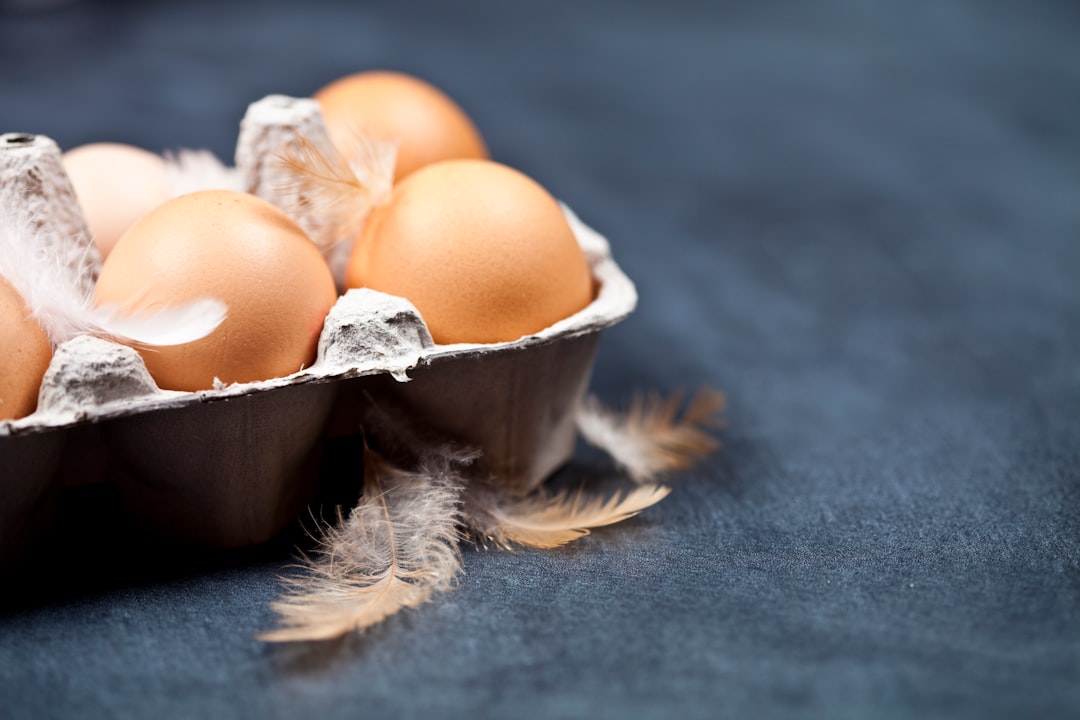
Eating enough protein is crucial for women in the UK, especially as they move through different life stages such as their 30s, 40s, menopause, or postnatal period. Protein supports muscle maintenance, bone health, and recovery from exercise. Women often struggle to meet daily protein needs due to busy lifestyles or changing nutritional requirements. This guide offers clear, stage-specific advice on how to increase protein intake effectively and sustainably without relying on generic recommendations.
Why Your 30s, 40s or Post-Natal Body Needs a Different Approach
Protein needs vary significantly depending on life stage. The NHS explains that women’s nutritional requirements evolve through their 30s, 40s, and beyond due to hormonal shifts, muscle mass changes, and metabolic rate adjustments (https://www.nhs.uk/womens-health/). For example, during the postnatal period, protein supports tissue repair and breastfeeding demands, requiring an increase of around 1.1 grams per kilogram of body weight daily. In the 40s, declining oestrogen levels can reduce muscle mass and bone density, making protein intake alongside strength exercises vital to counteract these effects.
The postnatal phase also demands tailored nutritional strategies. According to NHS postnatal exercise guidance, combining adequate protein with recovery-focused physical activity can improve muscle restoration and energy levels (https://www.nhs.uk/conditions/baby/support-and-services/your-health-after-giving-birth/). Women in their 30s and 40s should prioritise protein timing and quality to maintain lean body mass and support hormonal balance. For more on fitness guides, see our guide.
How to Train Effectively for Your Life Stage
Effective training for women in different life stages starts with understanding how protein supports recovery and muscle adaptation. Strength training twice a week is recommended by the NHS to help maintain bone and muscle health (https://www.nhs.uk/live-well/exercise/strength-exercises/). For women in their 30s and 40s, this might include bodyweight exercises, resistance bands, or gym sessions using machines and free weights.
Postnatal women should gradually reintroduce physical activity, starting with gentle pelvic floor and core exercises advised by the NHS (https://www.nhs.uk/conditions/pelvic-floor-exercises/). Protein consumption around workouts enhances muscle protein synthesis and speeds recovery. Planning meals to include protein before and after exercise is essential. Supermarkets like Tesco and Sainsbury's offer accessible protein options such as chicken breasts, eggs, lentils, and dairy products suitable for meal prep.
A simple training sequence could be: warm-up, strength-focused exercises (2–3 sets of 8–12 reps), followed by light cardio. Consistency and progression over weeks will improve strength and metabolic health, supporting protein utilisation.
If you'd rather not plan this manually, Milo generates your meals and workouts automatically.
The Mistakes Women Make When Ignoring Life-Stage Changes
The three key mistakes that can hamper women’s fitness and protein intake are:
-
Relying on generic protein recommendations without adjusting for age or condition. This often leads to under-consumption, especially post-menopause when muscle loss accelerates.
-
Skipping meals or protein-rich snacks due to busy schedules, which reduces total daily protein intake and impairs recovery.
-
Avoiding strength training due to fear of injury or misconception. This reduces muscle mass and metabolic rate, increasing the risk of osteoporosis and weight gain.
Ignoring these changes can result in fatigue, slowed recovery, and diminished physical function. The NHS menopause and physical health advice highlights that muscle strength declines approximately 1–2% per year after 40 without intervention (https://www.nhs.uk/conditions/menopause/). Addressing these mistakes with targeted nutrition and exercise is critical.
What the Most Consistent Women Do Differently
Women who consistently meet their protein needs and maintain fitness across life stages prioritise protein quality, timing, and strength training. They understand that plant-based proteins can complement animal sources to meet amino acid requirements. Research shows that consuming 25–30 grams of protein per meal maximises muscle protein synthesis, a figure often overlooked.
These women also adapt their routines to accommodate hormonal fluctuations and energy levels, focusing on regular meals and snacks with protein-rich foods. According to NHS guidelines, integrating strength exercises 2–3 times weekly preserves muscle mass and bone density (https://www.nhs.uk/live-well/exercise/strength-exercises/). They track progress realistically and adjust intake and training to avoid plateaus.
Milo helps you stay consistent — no spreadsheets, no guesswork.
Your Life-Stage Appropriate Starting Point
Start by calculating your daily protein need based on body weight and life stage: approximately 0.75 g/kg for general adult women, increasing to 1.1 g/kg if postnatal or during menopause. Plan meals to include protein-rich foods at breakfast, lunch, and dinner, aiming for 20–30 grams per meal. Add snacks like nuts or yoghurt to reach your target. Begin strength training twice weekly with simple bodyweight or resistance exercises. Track your intake and adjust weekly to ensure progress.
Frequently Asked Questions
How much protein should a woman in the UK eat daily?
A woman in the UK typically needs around 0.75 grams of protein per kilogram of body weight daily, but this increases to about 1.1 grams per kilogram during postnatal recovery or menopause, as recommended by the NHS.
What are good protein sources for women in the UK?
Good protein sources include lean meats, fish, eggs, dairy products like Greek yoghurt, legumes such as lentils and chickpeas, and plant-based options like tofu and quinoa, all widely available in UK supermarkets.
How can postnatal women increase their protein intake safely?
Postnatal women should increase protein intake to approximately 1.1 grams per kilogram of body weight daily, focusing on nutrient-dense foods and combining this with gentle postnatal exercise as advised by the NHS to support recovery.
Does menopause affect protein needs for women in the UK?
Yes, menopause can increase protein needs due to muscle mass loss; women are advised to maintain or increase protein intake alongside strength training to slow muscle decline, as outlined by NHS menopause guidance.
When is the best time to eat protein for muscle health?
Eating 20–30 grams of protein per meal spaced evenly throughout the day, especially before and after exercise, optimises muscle protein synthesis and recovery, according to nutrition research and NHS exercise guidelines.
Get started with Milo. Start your 7-day free trial — from £7.99/month.
Disclaimer: This article is for informational purposes only and does not constitute medical, nutritional, or professional fitness advice. Always consult a qualified healthcare professional before making changes to your diet or exercise routine.
Leave a Reply