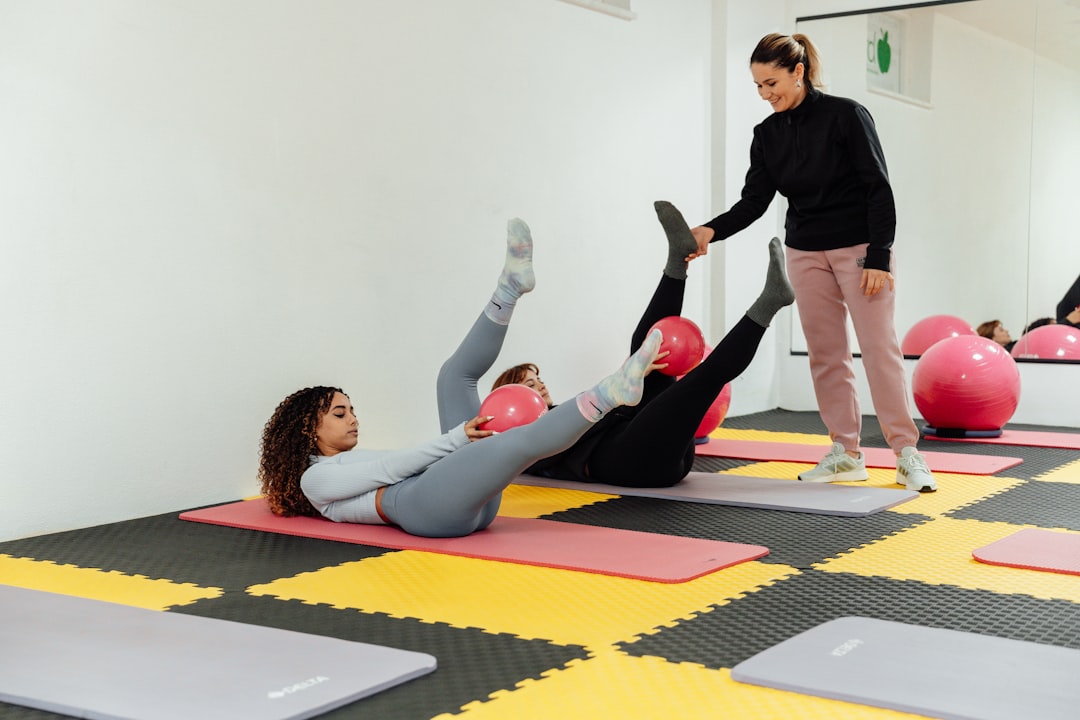
Starting pilates at home can be challenging for UK women new to exercise, especially when generic advice overlooks female physiology. Hormonal fluctuations, menopause, and postnatal recovery uniquely affect fat loss and muscle tone. This guide explains how pilates can support strength, flexibility, and fat loss by respecting these biological factors. It offers practical training and nutrition insights to build an effective, sustainable fitness routine tailored for women beginning pilates in the UK. For more on nutrition for women UK, see our guide.
Why Fat Loss Works Differently for Women
Fat loss is the process of reducing adipose tissue, which behaves differently in women due to hormonal influences such as oestrogen and progesterone. The menstrual cycle affects metabolism and energy use, with fat oxidation varying by phase. According to NHS women's health and nutrition, these hormonal fluctuations influence how women store and lose fat, especially around menopause and postnatal periods. Women tend to store more fat subcutaneously and experience slower metabolic rates, requiring tailored exercise and nutrition strategies. Recognising these differences is essential when starting pilates or any fitness programme, ensuring workouts honour energy levels and recovery needs throughout the cycle.
The Nutrition Approach That Actually Works for Female Fat Loss
Effective fat loss in women relies on a nutrition plan that balances macronutrients and supports hormonal health. The British Nutrition Foundation protein and fat loss guidance emphasises adequate protein intake to preserve lean muscle during calorie deficit phases. Women should aim for 1.2 to 1.6 grams of protein per kilogram of body weight daily, spread evenly across meals. Combining this with healthy fats and low glycaemic index carbohydrates from supermarkets like Tesco or Sainsbury’s provides steady energy for pilates sessions. Timing meals around workouts helps optimise fat oxidation and muscle recovery. Hydration and micronutrient intake, including vitamin D and iron, also play roles in supporting metabolism and exercise performance.
If you'd rather not plan this manually, Milo generates your meals and workouts automatically.
The Training Mistakes Women Make During a Fat Loss Phase
The three most common training mistakes that hinder fat loss in women are neglecting strength work, overdoing cardio, and ignoring recovery. Avoiding strength training can lead to muscle loss, slowing metabolism and reducing long-term fat loss effectiveness. Excessive cardio without resistance results in fatigue and hormonal imbalance, particularly affecting cortisol and oestrogen levels. Lastly, insufficient rest impairs recovery and increases injury risk. The NHS physical activity guidelines for adults recommend at least 150 minutes of moderate aerobic activity plus two sessions of strength training weekly, which pilates can support when properly programmed.
What Consistent Women Do That Most People Miss
Consistent women recognise the importance of aligning exercise with their hormonal cycle and prioritising quality over quantity. Research shows that training intensity and type adapted to menstrual phases can enhance fat loss and reduce injury risk. For example, focusing on flexibility and core work during the follicular phase, when energy peaks, and active recovery during the luteal phase supports balance. Additionally, incorporating mindful breathing and stress reduction through pilates improves mental health, which is linked to better adherence and fat loss outcomes. A study cited by Mind — exercise and women's mental health highlights that regular moderate exercise benefits mood disorders common in women.
Milo helps you stay consistent — no spreadsheets, no guesswork.
Your Starting Framework: Fat Loss Done Right for Women
Begin with pilates routines tailored to your cycle stage, starting with 20–30 minutes sessions three times weekly focusing on core and flexibility. Combine this with a nutrition plan prioritising protein intake of 1.2–1.6g/kg daily and balanced fats and carbs. Schedule strength-focused pilates moves twice weekly, with lighter restorative sessions on alternate days. Track progress weekly and adjust based on energy and recovery. Ensure hydration and micronutrient sufficiency aligned with NHS recommendations.
Frequently Asked Questions
Can UK women do pilates effectively at home as beginners?
Yes, UK women can effectively start pilates at home as beginners by following structured routines lasting 20-30 minutes, three times per week. This approach supports gradual strength and flexibility improvements while accommodating hormonal cycles, making it suitable for all fitness levels.
How does pilates support fat loss for women in the UK?
Pilates aids fat loss for UK women by improving muscle tone and core strength, which increases resting metabolic rate. Combined with proper nutrition and cycle-aware training, pilates enhances fat oxidation while minimising injury risk.
What are the best pilates exercises for beginners at home in the UK?
Effective beginner pilates exercises for home include the pelvic curl, chest lift, leg circles, and spine stretch. These moves focus on core stability and flexibility, aligning with NHS physical activity guidelines recommending strength and mobility work for adults.
How often should UK women practice pilates at home for results?
Practising pilates three to four times per week, with sessions of 20-30 minutes, is ideal for UK women beginners. This frequency supports muscle development and fat loss while allowing sufficient recovery, as outlined in NHS exercise guidelines.
Is pilates suitable during menopause for UK women starting at home?
Pilates is suitable and beneficial for UK women during menopause when started at home. It supports joint health, muscle maintenance, and stress reduction, addressing common menopausal symptoms. Adjusting intensity based on energy levels optimises results.
Get started with Milo. Start your 7-day free trial — from £7.99/month.
Disclaimer: This article is for informational purposes only and does not constitute medical, nutritional, or professional fitness advice. Always consult a qualified healthcare professional before making changes to your diet or exercise routine.
Leave a Reply