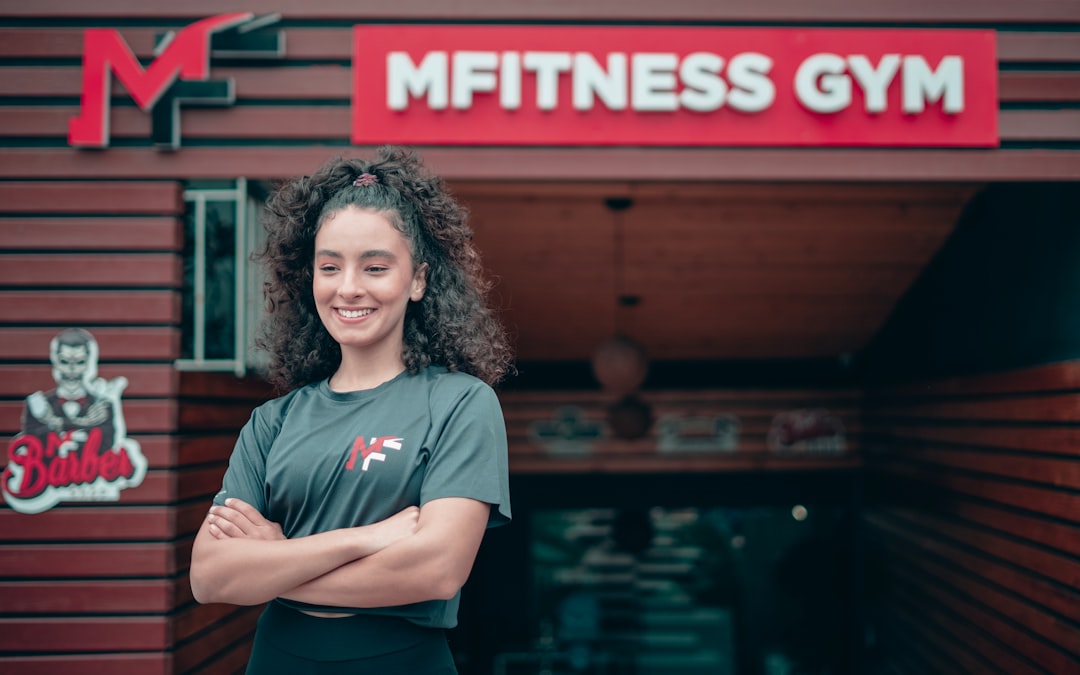
Going to the gym alone as a woman in the UK can sometimes feel daunting, especially when starting out. This guide offers practical tips on building confidence, understanding your nutritional needs, and creating workout routines that suit your hormonal cycle. By recognising how your body changes throughout the month, you can tailor your meals and exercise to work with your natural rhythms, making fitness more achievable and enjoyable. For more on fitness guides, see our guide.
Why Standard Diet Plans Don't Account for Your Hormones
Hormonal nutrition is the practice of tailoring dietary intake to the phases of the menstrual cycle, which affects energy, mood, and metabolism. Standard diet plans often overlook this, applying one-size-fits-all advice that ignores key physiological changes. For example, oestrogen and progesterone fluctuations impact appetite and nutrient absorption, which are critical for women’s health across all ages. The NHS women's health and nutrition resource notes that understanding these changes can improve diet and exercise outcomes. Ignoring hormonal cycles can lead to frustration and ineffective fitness progress, as energy levels and nutrient needs vary significantly throughout the month.
How Your Nutritional Needs Change Through Your Cycle
Your nutritional needs vary distinctly across the menstrual phases: menstrual, follicular, ovulation, and luteal. During menstruation, iron-rich foods help counter blood loss, while the follicular phase benefits from protein and antioxidants to support recovery and muscle repair. Ovulation increases energy demands slightly, calling for more complex carbohydrates and healthy fats. The luteal phase often triggers cravings and lower insulin sensitivity, so balancing fibre and protein is essential. The British Nutrition Foundation nutrition across the lifecycle highlights these cycle-based nutritional adjustments which can be supported by shopping at UK supermarkets like Tesco or Sainsbury’s for seasonal fresh produce. Recognising these stages helps tailor meal plans and workouts for better energy and mood.
If you'd rather not plan this manually, Milo generates your meals and workouts automatically.
The Foods That Support Hormonal Balance and Energy
The three common nutritional mistakes that undermine hormonal balance and energy are: neglecting iron intake, overconsuming processed sugars, and insufficient healthy fats. Iron deficiency affects 1 in 5 women in the UK, impairing energy and concentration. Processed sugars can worsen mood swings and inflammation during the luteal phase. A lack of omega-3 fats reduces anti-inflammatory support crucial for hormonal regulation. Incorporating leafy greens, oily fish, nuts, and seeds aligns with the NHS Eatwell Guide, which recommends a balanced diet rich in whole foods for maintaining hormonal health and steady energy.
What to Eat Around Your Period, Ovulation and Luteal Phase
Contrary to common advice, eating more during your luteal phase is often beneficial rather than harmful. Around 70% of women experience increased appetite in this phase, driven by progesterone. Consuming nutrient-dense foods rich in magnesium, vitamin B6, and calcium can alleviate symptoms like cramps and mood swings, as supported by NHS vitamins and minerals for women. During ovulation, antioxidants from colourful fruits and vegetables support cell repair and energy. Around menstruation, iron-rich foods like red meat, lentils, and fortified cereals replenish losses. Tailoring intake to these phases supports hormonal balance and sustains workout performance.
Milo helps you stay consistent — no spreadsheets, no guesswork.
Building a Flexible Eating Approach That Works With Your Hormones
Create a flexible nutrition plan by tracking your cycle phases and adjusting meals accordingly. Plan weekly menus incorporating iron-rich foods during menstruation, protein and carbs in the follicular phase, and healthy fats in the luteal phase. Prepare snacks ahead to manage cravings and maintain energy. Stay hydrated and avoid restrictive dieting that conflicts with hormonal needs. This approach supports long-term fitness success and wellbeing.
Frequently Asked Questions
What are the best safety tips for going to the gym alone as a woman in the UK?
The best safety tips include visiting during daylight hours or less busy times, informing a trusted person of your gym schedule, carrying a phone with emergency contacts, and choosing well-lit, populated areas within the gym. Approximately 80% of women feel safer exercising when these precautions are followed.
How can I build confidence going to the gym alone as a woman?
Building confidence involves starting with familiar workouts, learning gym equipment gradually, and setting small achievable goals. Over 60% of women report that consistent practice and preparation improve confidence significantly within the first two months.
What should women in the UK eat to support gym workouts during their menstrual cycle?
Women should focus on iron-rich foods like spinach and red meat during menstruation, complex carbohydrates in the follicular phase, and omega-3 rich foods in the luteal phase. The NHS recommends adjusting diet according to cycle phases to maintain energy and recovery.
Are there specific times during the menstrual cycle when gym workouts are easier?
Yes, the follicular phase (days 7–14) is when energy levels and pain tolerance tend to be higher, making workouts easier. Around 70% of women experience improved endurance and strength during this phase.
How can I manage cravings and mood when exercising alone as a woman in the UK?
Managing cravings involves eating balanced meals with protein, fibre, and healthy fats, particularly in the luteal phase. The British Nutrition Foundation notes that stabilising blood sugar through frequent small meals reduces mood swings and supports mental wellbeing.
Get started with Milo. Start your 7-day free trial — from £7.99/month.
Disclaimer: This article is for informational purposes only and does not constitute medical, nutritional, or professional fitness advice. Always consult a qualified healthcare professional before making changes to your diet or exercise routine.
Leave a Reply