Blog

  • Why Does My Weight Fluctuate During My Cycle UK: A Practical Guide

    Why Does My Weight Fluctuate During My Cycle UK: A Practical Guide

    Weight fluctuation during the menstrual cycle is a common experience for many women in the UK. Hormonal changes cause shifts in water retention, appetite, and metabolism that can lead to variations of up to 2kg throughout the month. Understanding these natural fluctuations helps to set realistic expectations around body weight and nutrition. This guide explains how your cycle impacts your weight and offers practical advice on managing these changes without frustration.

    Why Standard Diet Plans Don't Account for Your Hormones

    Standard diet plans are generally designed without considering the menstrual cycle, which is the roughly 28-day hormonal process that affects more than 50% of the population. This cycle causes predictable physiological changes that impact weight, hunger, and energy use. For instance, oestrogen peaks around ovulation, which can suppress appetite, while progesterone rises in the luteal phase, increasing cravings and water retention. Ignoring these changes can make diet plans feel ineffective or discouraging.

    The NHS women's health and nutrition information emphasises that women’s nutritional needs vary across the cycle and that rigid diet plans often overlook these fluctuations. Weight increases during the luteal phase are mostly due to water retention and not fat gain. This distinction is crucial because it prevents unnecessary dieting or anxiety when weight rises temporarily. Therefore, understanding your cycle can help tailor nutrition and fitness plans to work with your body rather than against it. For more on nutrition for women UK, see our guide.

    How Your Nutritional Needs Change Through Your Cycle

    Nutritional needs shift in a predictable pattern throughout the menstrual cycle. In the follicular phase, which starts on the first day of menstruation, iron-rich foods become important to replenish losses from bleeding. The British Nutrition Foundation recommends incorporating lean meats, beans, and leafy greens to support iron levels and energy.

    As you approach ovulation, energy needs may be slightly lower, and appetite often decreases due to oestrogen’s suppressive effect. After ovulation, in the luteal phase, progesterone causes an uptick in basal metabolic rate by approximately 5-10%, increasing calorie needs. This phase also brings cravings for carbohydrates and fats, which can be managed by incorporating balanced macronutrients.

    UK supermarkets like Tesco and Sainsbury’s offer seasonal fresh produce and convenient sources of whole grains and protein that support these changing needs. Planning meals with these phases in mind can help maintain energy levels and reduce frustration from fluctuating hunger and weight.

    The Foods That Support Hormonal Balance and Energy

    The three main dietary mistakes that worsen hormonal fluctuation effects are: neglecting iron replenishment, consuming excessive processed carbohydrates, and ignoring hydration. Neglecting iron can worsen fatigue and anaemia, common during menstruation, as noted by NHS iron deficiency guidance. Overconsuming processed carbs can spike blood sugar, increasing mood swings and cravings.

    Ignoring hydration worsens water retention and bloating, as the body holds onto fluid when dehydrated. The NHS Eatwell Guide recommends a balanced diet rich in whole grains, fruits, vegetables, and lean proteins to support hormonal balance. Foods like oily fish provide omega-3 fatty acids, which may help reduce inflammation and support mood during the cycle.

    By avoiding these pitfalls and focusing on nutrient-dense, whole foods, women can support their hormonal health and manage cycle-linked weight fluctuations more effectively.

    What to Eat Around Your Period, Ovulation and Luteal Phase

    Contrary to popular belief, the best diet around your cycle is not rigid restriction but phase-specific nourishment. During menstruation, aim for iron and vitamin C-rich foods to aid blood replenishment. The NHS recommends spinach, red meat, and citrus fruits to optimise absorption.

    Around ovulation, focus on antioxidant-rich foods like berries and green vegetables to support tissue repair and hormonal balance. During the luteal phase, when progesterone peaks and cravings increase, prioritise complex carbohydrates like sweet potatoes and whole grains alongside protein to stabilise blood sugar. The British Nutrition Foundation highlights that a balanced intake of macronutrients during this phase reduces mood swings and energy dips.

    This strategy acknowledges that weight gain during the luteal phase is largely water weight and temporary, avoiding unnecessary calorie restriction that can worsen symptoms.

    Building a Flexible Eating Approach That Works With Your Hormones

    Create a simple meal plan that aligns with your cycle phases and adjust portions and food choices accordingly. Track your cycle to anticipate changes in appetite and energy. Start menstruation with iron-rich meals, reduce calorie intake slightly around ovulation, and increase it moderately during the luteal phase to match metabolic shifts.

    Hydrate consistently to minimise bloating and balance electrolytes. Allow flexibility to accommodate cravings without guilt, choosing nutrient-dense options. Prioritise whole foods as outlined in the NHS Eatwell Guide and the British Nutrition Foundation’s recommendations.

    Adopting this flexible, informed approach empowers women to manage natural weight fluctuations and maintain energy. Stop paying someone else to tell you what to eat and when. For just £49.99, the Kira Mei Women’s Blueprint teaches you exactly how to build your own personalised nutrition and fitness programme that works with your hormones — no personal trainer required.

    Frequently Asked Questions

    Why does my weight fluctuate during my menstrual cycle in the UK?

    Weight fluctuates during the menstrual cycle mainly due to hormonal changes affecting water retention, appetite, and metabolism. Women in the UK can experience up to 2 kilograms of weight change, especially during the luteal phase when progesterone increases fluid retention and cravings.

    Is it normal to gain weight before my period?

    Yes, it is normal to gain weight before your period due to increased water retention caused by rising progesterone levels. This premenstrual weight gain is usually temporary and can be up to 1-2 kilograms.

    How can I manage cravings during my menstrual cycle?

    Managing cravings involves eating balanced meals with complex carbohydrates, protein, and healthy fats, especially in the luteal phase when progesterone boosts appetite. Including foods like whole grains and omega-3 rich fish can help stabilise blood sugar and mood.

    Does my metabolism change during my menstrual cycle?

    Yes, metabolism increases by about 5-10% during the luteal phase after ovulation, raising calorie needs. This metabolic shift explains why some women feel hungrier and may gain weight temporarily during this phase.

    Should I change my diet during different phases of my cycle?

    Adjusting your diet according to cycle phases supports hormonal health. For example, focus on iron-rich foods during menstruation, balanced nutrients around ovulation, and increased complex carbs and protein in the luteal phase to manage energy and weight fluctuations effectively.

    Stop paying someone to tell you this. Get the Kira Mei Women’s Blueprint for just £49.99 and learn how to create your own personalised plan that respects your hormones and lifestyle.

    Disclaimer: This article is for informational purposes only and does not constitute medical, nutritional, or professional fitness advice. Always consult a qualified healthcare professional before making changes to your diet or exercise routine.
  • How to Adjust Training to Your Menstrual Cycle UK: A Beginner’s Guide

    How to Adjust Training to Your Menstrual Cycle UK: A Beginner’s Guide

    Many women find traditional fitness advice ineffective because it overlooks the menstrual cycle’s impact on energy, strength, and recovery. Understanding how to adjust your training according to your cycle phases can improve fat loss and performance. This guide explains how fluctuating hormones influence exercise capacity and nutrition needs, offering practical steps to sync workouts with your biology. Tailoring your plan to the menstrual cycle helps optimise progress and reduces frustration. For more on nutrition for women UK, see our guide.

    Why Fat Loss Works Differently for Women

    Fat loss for women is influenced by cyclical hormonal changes that affect metabolism, appetite, and muscle function. The menstrual cycle is regulated by fluctuating levels of oestrogen and progesterone, which impact fat oxidation and energy expenditure. For example, increased oestrogen during the follicular phase promotes fat burning, whereas higher progesterone in the luteal phase raises basal metabolic rate but may increase appetite. According to the NHS women’s health and nutrition guidance, these hormonal shifts mean women’s bodies respond differently to diet and exercise depending on cycle timing. Tailoring fat loss efforts to these phases respects female physiology and can improve outcomes compared to generic programmes.

    The Nutrition Approach That Actually Works for Female Fat Loss

    Effective fat loss nutrition for women considers protein intake, meal timing, and micronutrient support aligned to the menstrual cycle. The British Nutrition Foundation notes that adequate protein supports muscle preservation during fat loss and can help regulate appetite. During the follicular phase, prioritise lean proteins and balanced meals to capitalise on higher energy and recovery capacity. As progesterone rises in the luteal phase, increasing healthy fats and complex carbohydrates helps manage increased energy demands and hormonal mood shifts. UK supermarkets like Tesco and Waitrose offer a variety of nutrient-dense, cycle-supportive foods. Hydration and micronutrients such as iron and magnesium are essential throughout, supporting overall wellbeing.

    The Training Mistakes Women Make During a Fat Loss Phase

    The three common training mistakes that can hinder fat loss during the menstrual cycle are: 1) Maintaining a consistent high-intensity workout regardless of cycle phase, which can lead to fatigue and injury; 2) Neglecting strength training during lower energy phases, resulting in muscle loss; 3) Ignoring recovery needs during the luteal phase, causing hormonal imbalance and stalled progress. The NHS physical activity guidelines for adults recommend varying exercise intensity and including strength and flexibility work, which supports adapting workouts to the menstrual cycle for better results.

    What Consistent Women Do That Most People Miss

    Women who see consistent fat loss results adjust their training and nutrition in sync with their cycle rather than following a one-size-fits-all plan. They recognise that ovulation is a window of peak strength and energy, ideal for intense workouts and personal bests. During menstruation, they reduce load and focus on mobility or light cardio to aid recovery. Research shows that aligning training with the menstrual cycle phases can improve performance by up to 20% and reduce injury risk. Women also track symptoms and adjust plans dynamically, using evidence-based guidelines like those from the NHS to inform choices.

    Your Starting Framework: Fat Loss Done Right for Women

    Start by charting your menstrual cycle length and symptoms for at least two months. Divide your training into four phases: menstrual (light activity, focus on recovery), follicular (increase strength and moderate cardio), ovulatory (peak intensity and volume), and luteal (moderate intensity, prioritise rest). Match nutrition by increasing protein and complex carbs when energy dips and supporting hydration throughout. Incorporate strength exercises twice weekly and flexibility sessions regularly.

    Frequently Asked Questions

    How can I adjust my workouts based on my menstrual cycle in the UK?

    Adjust your workouts by reducing intensity during menstruation and early follicular phase, increasing strength and high-intensity training around ovulation, and focusing on moderate exercise and recovery in the luteal phase. This approach respects hormonal shifts and aligns with NHS physical activity guidelines for adults.

    What nutritional changes should I make during different menstrual phases for fat loss?

    Increase protein intake throughout your cycle to support muscle retention, add more complex carbohydrates and healthy fats during the luteal phase to meet higher energy demands, and maintain hydration and micronutrient intake consistently. The British Nutrition Foundation highlights protein’s role in fat loss for women.

    Why do women experience different training results compared to men during fat loss?

    Women’s fat loss differs because fluctuating oestrogen and progesterone levels alter metabolism, fat oxidation, and appetite across the menstrual cycle. NHS women’s health and nutrition information explains these hormonal effects, which require tailored training and diet strategies.

    What are common mistakes women make when training through their menstrual cycle?

    Common mistakes include maintaining constant high-intensity training regardless of cycle phase, neglecting strength training during low-energy periods, and skipping recovery during the luteal phase. These can cause fatigue, injury, and stalled fat loss progress, contrary to NHS physical activity guidance.

    How long should I track my menstrual cycle before adjusting my training plan?

    Tracking your menstrual cycle for at least two full cycles is recommended to understand your phase lengths and symptoms. This data allows for precise workout and nutrition adjustments that align with your biology, optimising fat loss and wellbeing.

    Stop paying someone to tell you what to do. Take control with the Kira Mei Women’s Blueprint — a straightforward educational programme that teaches you how to build your own training and nutrition plans tailored to your cycle. For just £49.99 or £79.99 for the full package, you’ll learn the real science behind female fat loss and ditch the cookie-cutter PT nonsense for good.

    Disclaimer: This article is for informational purposes only and does not constitute medical, nutritional, or professional fitness advice. Always consult a qualified healthcare professional before making changes to your diet or exercise routine.
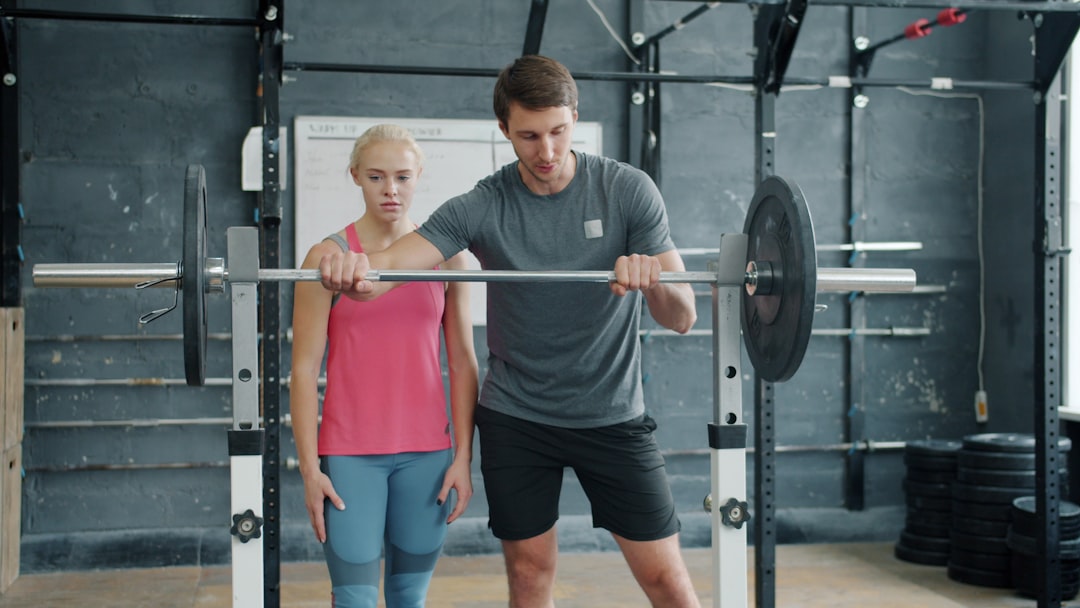

  • How to Train During Your Luteal Phase UK: A Beginner’s Guide

    How to Train During Your Luteal Phase UK: A Beginner’s Guide

    Training during the luteal phase can be challenging as fluctuating hormones affect energy levels and recovery. Unlike generic advice, women experience unique physiological changes post-ovulation that impact workout performance and fat loss. This guide explains how to align your training and nutrition with your cycle’s second half, offering practical, evidence-based strategies designed for UK women. Understanding your body during this phase can help improve results and reduce frustration. For more on nutrition for women UK, see our guide.

    Why Fat Loss Works Differently for Women

    Fat loss works differently for women because hormonal fluctuations throughout the menstrual cycle affect metabolism, appetite, and energy expenditure. The luteal phase, characterised by elevated progesterone, increases resting metabolic rate by approximately 5-10%, meaning women burn more calories at rest but may also experience increased cravings and reduced insulin sensitivity. These changes can make fat loss more complex compared to men or other cycle phases. According to the NHS women’s health and nutrition information, recognising these shifts allows women to tailor nutrition and training for better outcomes. Ignoring cycle phases can lead to frustration when following generic fat loss advice that doesn’t account for these biological variations.

    The Nutrition Approach That Actually Works for Female Fat Loss

    A targeted nutrition approach during the luteal phase is crucial for effective fat loss in women. Prioritise protein intake throughout the day, aiming for at least 1.2 to 1.6 grams per kilogram of body weight daily, as supported by the British Nutrition Foundation protein and fat loss guidelines. Protein supports muscle repair and satiety, helping counteract increased appetite during this phase. Incorporate complex carbohydrates like oats, sweet potatoes, and wholegrain products from UK supermarkets such as Sainsbury’s or Tesco to maintain steady energy and mood. Include healthy fats from sources like oily fish, nuts, and seeds to support hormone balance. Timing meals and snacks around training sessions enhances performance and recovery. Avoid excessive calorie restriction, which can exacerbate hormonal imbalances and reduce metabolic rate. Hydration and micronutrients, particularly magnesium and B vitamins, also support luteal phase well-being.

    The Training Mistakes Women Make During a Fat Loss Phase

    The three common training mistakes women make during the luteal phase that hinder fat loss are: 1) Maintaining high-intensity workouts without adjusting for lower energy and recovery capacity, which raises injury risk and fatigue; 2) Neglecting strength training, missing its benefits for maintaining lean muscle mass and metabolic health; 3) Ignoring the importance of rest days, leading to overtraining and hormonal disruption. These errors often result in stalled progress and increased frustration. A balanced approach respecting hormonal shifts and recovery needs, as outlined by the NHS physical activity guidelines for adults, promotes sustainable fat loss and improved fitness.

    What Consistent Women Do That Most People Miss

    Consistent women who successfully train during their luteal phase listen closely to their bodies and modulate training intensity accordingly. Research shows that during the luteal phase, women may benefit from a 10-20% reduction in workout intensity while maintaining frequency to optimise fat loss and recovery. Additionally, combining resistance training with moderate aerobic exercise supports metabolic health and mood regulation. Regular intake of protein-rich meals spaced evenly throughout the day enhances muscle synthesis and satiety, offsetting hormonal appetite increases. Mental health benefits also arise from moderate exercise, as noted by Mind — exercise and women’s mental health. These strategies contrast with generic advice that often overlooks the nuanced demands of the luteal phase.

    Stop paying personal trainers to tell you what you can learn to do yourself. The Kira Mei Women’s Blueprint teaches you how to build your own cycle-aware nutrition and training programmes for just £49.99 or £79.99. Take control, ditch the guesswork, and realise your potential without relying on expensive PTs or cookie-cutter plans.

    Your Starting Framework: Fat Loss Done Right for Women

    Begin by tracking your cycle to identify when your luteal phase starts and ends. Adjust your training by reducing intensity by about 15% compared to your follicular phase, focusing on strength and low-impact cardio three to four times weekly. Prioritise protein intake at every meal, aiming for 1.4g per kg body weight, and include complex carbohydrates to stabilise energy. Schedule 1-2 rest or active recovery days to optimise hormonal balance and prevent fatigue. Monitor your energy and mood daily, adjusting as needed. This cycle-aware plan supports sustained fat loss and wellbeing.

    Frequently Asked Questions

    How should I adjust my training during the luteal phase in the UK?

    During the luteal phase, reduce training intensity by about 10-20% and focus on strength and low-impact cardio to accommodate lower energy and slower recovery. This approach aligns with the NHS physical activity guidelines for adults and supports sustainable fat loss.

    What nutrition changes support fat loss during the luteal phase?

    Increase protein intake to 1.2-1.6g per kg of body weight daily, as advised by the British Nutrition Foundation protein and fat loss. Include complex carbohydrates and healthy fats to stabilise energy and hormone balance during the luteal phase.

    Can high-intensity workouts during the luteal phase hinder progress?

    Yes, maintaining high-intensity workouts during the luteal phase can increase fatigue and injury risk due to hormonal changes affecting recovery. Lowering intensity and prioritising strength and moderate cardio is more effective, according to evidence aligned with the NHS physical activity guidelines for adults.

    Why does fat loss feel harder for women in the luteal phase?

    Fat loss feels harder because progesterone raises resting metabolic rate by 5-10% but also increases appetite and reduces insulin sensitivity, complicating calorie control. These hormonal effects are outlined in the NHS women’s health and nutrition resources.

    How can I monitor my cycle to optimise training and nutrition?

    Track your menstrual cycle length and symptoms daily to identify the luteal phase, typically lasting about 14 days post-ovulation. Use this information to adjust training intensity and nutrition, improving fat loss and energy management throughout the cycle.

    Stop paying someone to tell you this. Get the Kira Mei Women’s Blueprint for £49.99 or £79.99 and learn to build your own plans that work with your cycle.

    Disclaimer: This article is for informational purposes only and does not constitute medical, nutritional, or professional fitness advice. Always consult a qualified healthcare professional before making changes to your diet or exercise routine.


  • How to Exercise with Bad Knees UK Women: Safe & Effective Tips

    How to Exercise with Bad Knees UK Women: Safe & Effective Tips

    Exercising with bad knees can feel impossible, but UK women have safe ways to stay active and maintain fitness without aggravating joint pain. Knee problems affect around 25% of adults, limiting activity and quality of life. Low-impact exercises, tailored strength training, and proper guidance can reduce pain and improve mobility. Understanding how to work around knee limitations is essential for staying strong and healthy. With the right approach, knee issues don’t have to hold you back from fitness progress.

    The "Getting Bulky" Fear That's Keeping Women Away From the Weights Room

    "Getting bulky" is the unfounded fear that lifting weights will cause excessive muscle mass in women. This myth is why many UK women avoid strength training altogether, even when it would benefit their knees and overall fitness. Bulking is defined as a significant increase in muscle size, which requires substantial calorie surplus, specific training regimes, and often supplements. Due to hormonal differences, most women have only 5–10% of the testosterone men do, making bulking naturally difficult.

    Avoiding weights because of this fear denies women the protective benefits of strength training. Muscle mass supports joints, reduces load on knees, and enhances stability, lowering injury risk. The NHS strength training guidelines confirm that adults should include muscle-strengthening activities targeting all major muscle groups at least twice a week for optimal health benefits. This includes those with joint issues, provided exercises are adapted properly. For more on nutrition for women UK, see our guide.

    What Strength Training Actually Does to a Woman's Body

    Strength training for women primarily improves muscle tone, strength, and metabolic health rather than causing bulky muscles. The process involves progressive overload: gradually increasing resistance to stimulate muscle fibres without excessive growth. A typical beginner session in a UK gym or at home includes compound movements like squats, lunges, and step-ups with light weights or body weight.

    Exercise sessions lasting 20–30 minutes, twice per week, are enough to build functional strength. This supports knee joints by strengthening quadriceps, hamstrings, glutes, and calves. Stronger muscles absorb shock better, reducing knee pain during daily activities. The NHS physical activity for women guidelines emphasise that strength training also helps maintain healthy bone density, reducing osteoporosis risk, especially important as women age.

    Stop paying someone to tell you what to do. The Kira Mei Women’s Blueprint teaches you how to build your own effective, personalised strength and nutrition programme for just £49.99 or £79.99. No gimmicks, no PT fees—just real knowledge to take control of your fitness.

    Why Women Who Lift Achieve Better Results Faster

    The three biggest mistakes that slow progress for women with knee pain are: avoiding all strength exercises, relying solely on cardio, and using incorrect form. Avoiding strength training causes muscle atrophy, worsening joint stability. Overdoing cardio without strengthening increases knee strain. Poor technique, such as improper squat depth, stresses the knee unnecessarily.

    Women who incorporate strength training following NHS bone health and strength training advice experience faster pain reduction and improved mobility. Strengthening muscles around the knee redistributes load and supports joint structures. This approach leads to quicker fitness improvements and better long-term knee health compared to cardio-only routines or inactivity.

    How to Start Strength Training With Confidence

    Starting strength training with bad knees requires a cautious but consistent approach. Begin with low-impact exercises and light resistance, gradually increasing intensity based on pain-free movement. The NHS recommends starting with twice-weekly sessions involving leg-focused exercises that promote joint stability and bone strength.

    Prioritise controlled movements and proper form to avoid injury. Using resistance bands or bodyweight exercises at home or in community gyms is effective. A slow, measured progression over 4–6 weeks helps build confidence and strength safely. Evidence shows that women who follow this method see improvements in knee pain and function within a month.

    Stop paying someone to tell you this. The Kira Mei Women’s Blueprint gives you the tools to create your own plan and understand your body for £49.99 or £79.99. No subscriptions, no guesswork.

    Your First Four Weeks in the Weights Room

    Start your first week focusing on bodyweight exercises like wall sits, glute bridges, and seated leg raises. Perform two sessions per week, 20 minutes each, paying attention to knee comfort. In week two, add light resistance bands or small dumbbells for exercises such as step-ups and partial squats. Week three and four should increase reps and resistance slightly, always avoiding sharp pain.

    Track your progress and rest between sessions to allow recovery. After four weeks, you should notice increased knee stability and reduced discomfort. Consistency is key. Learn more about the Kira Mei Women’s Blueprint and how it can help you get started.

    Frequently Asked Questions

    What are the best low-impact exercises for UK women with bad knees?

    The best low-impact exercises for UK women with bad knees include swimming, cycling, and walking on flat surfaces. These activities minimise joint stress while maintaining cardiovascular health and muscle engagement. According to NHS physical activity guidelines, these exercises support knee health without aggravating pain.

    Can UK women with bad knees do strength training safely?

    Yes, strength training can be done safely by UK women with bad knees when exercises are adapted to avoid excessive joint strain. The NHS strength training guidelines recommend muscle-strengthening activities twice a week, focusing on controlled movements targeting leg muscles to support knee stability and reduce pain.

    Why is the fear of getting bulky unfounded for women exercising with bad knees?

    The fear of getting bulky is unfounded because women have 5–10% of the testosterone men do, making significant muscle bulk difficult. Strength training primarily improves tone and strength without excessive size, which supports knee joints and overall fitness according to NHS recommendations.

    How quickly can UK women with bad knees see improvement from strength training?

    UK women with bad knees can see improvements in pain and mobility within 4 to 6 weeks of consistent, adapted strength training. Following NHS guidelines for twice-weekly sessions focusing on joint stability and muscle strength leads to measurable progress in knee function.

    What are common mistakes UK women make when exercising with bad knees?

    Common mistakes include avoiding strength training, relying only on cardio, and using incorrect exercise form. These errors can worsen knee instability and pain. The NHS advises combining low-impact cardio with proper strength exercises to protect and strengthen knees effectively.

    Stop paying someone to tell you what to do. Get the Kira Mei Women’s Blueprint today for £49.99 or £79.99 and learn how to build your own plan that works for you.

    Disclaimer: This article is for informational purposes only and does not constitute medical, nutritional, or professional fitness advice. Always consult a qualified healthcare professional before making changes to your diet or exercise routine.


  • How Long Does It Take To See Results Lifting Weights Women UK Beginners

    How Long Does It Take To See Results Lifting Weights Women UK Beginners

    Many women in the UK start strength training hoping for visible results quickly but find progress slower than expected. Female physiology, including hormonal cycles and menopause, influences how muscle growth and fat loss occur. Understanding these factors helps set realistic timelines. Typically, beginners notice strength gains within 4 to 6 weeks, while visible body changes can take 8 to 12 weeks with consistent training and nutrition. This guide explains the science behind these timelines and offers tailored strategies to maximise results safely and effectively. For more on women's training UK, see our guide.

    Why Fat Loss Works Differently for Women

    Fat loss is the reduction of body fat mass through a calorie deficit and increased energy expenditure. Women’s fat loss differs from men’s due to hormonal influences, including oestrogen, which affects fat storage and metabolism. According to the NHS women's health and nutrition, hormonal fluctuations during menstrual cycles and life stages such as menopause alter fat distribution and energy use. Women tend to store fat subcutaneously, which is harder to mobilise than visceral fat that men store more commonly. These physiological differences mean fat loss can appear slower and less uniform in women, requiring tailored strategies that consider hormonal timing and nutritional needs.

    The Nutrition Approach That Actually Works for Female Fat Loss

    Effective fat loss nutrition for women focuses on adequate protein intake, balanced macronutrients, and timing meals around training. The British Nutrition Foundation protein and fat loss highlights protein’s role in preserving muscle mass during weight loss, recommending 1.2 to 1.6 grams per kilogram of bodyweight daily for active women. Incorporating protein-rich foods from UK supermarkets like Tesco or Sainsbury’s—such as lean poultry, eggs, and dairy—supports muscle repair and satiety. Fat intake should not be overly restricted, as essential fatty acids regulate hormones. Meal timing that aligns with the menstrual cycle phases can optimise energy and fat metabolism, with higher carb intake during the follicular phase and slightly lower during the luteal phase. Hydration and micronutrient balance also support metabolic health.

    Stop paying someone to tell you what to eat and how to train. The Kira Mei full-stack educational blueprint teaches you to build your own effective, personalised programmes from scratch—no fluff, no PT fees. For just £49.99 or £79.99, you get the full system to understand nutrition, training, and recovery so you can finally take control and stop relying on apps or trainers who don’t get you.

    The Training Mistakes Women Make During a Fat Loss Phase

    The three common training mistakes that slow fat loss and muscle gain for women include: 1) Avoiding heavy weights due to fear of 'bulking', which limits muscle growth and metabolic boost. 2) Excessive steady-state cardio overshadowing resistance training, leading to muscle loss instead of fat loss. 3) Inconsistent training frequency, reducing stimulus for adaptation. These mistakes result in slower fat loss, reduced strength gains, and frustration. Strength training with progressive overload following the NHS physical activity guidelines for adults ensures effective and safe improvements. Women benefit from 2–3 strength sessions weekly focusing on compound movements to maximise hormonal and metabolic responses.

    What Consistent Women Do That Most People Miss

    Consistent women who see lasting results adapt their training and nutrition around their biological rhythms and recovery needs. They understand that muscle growth and fat loss require patience, with visible results often appearing after 8 to 12 weeks of steady effort. Research shows that strength gains often precede aesthetic changes, so monitoring progress with strength benchmarks rather than just appearance reduces discouragement. Women who track their menstrual cycles and adjust training intensity accordingly experience better adherence and fewer injuries. According to Mind — exercise and women's mental health, regular exercise also supports mental well-being, which positively influences consistency and motivation.

    Stop paying personal trainers to tell you what to do. Learn to design your own plans that fit your life and goals with the Kira Mei educational blueprint.

    Your Starting Framework: Fat Loss Done Right for Women

    Begin by scheduling 2–3 weightlifting sessions per week focusing on progressive overload with compound exercises. Prioritise protein intake of 1.2–1.6 g/kg daily and adjust calories to achieve a moderate deficit of 10–20%. Track strength gains weekly to stay motivated. Allow recovery days and align training intensity with menstrual cycle phases where possible. Consistency over 8–12 weeks is essential for visible changes. Incorporate moderate cardio to support cardiovascular health without compromising muscle retention.

    Frequently Asked Questions

    How long does it take to see muscle growth lifting weights for women in the UK?

    Women typically see measurable muscle growth after 8 to 12 weeks of consistent weightlifting, with initial strength improvements visible within 4 to 6 weeks, according to UK fitness guidelines.

    Can women expect to lose fat quickly while lifting weights in the UK?

    Fat loss while lifting weights for women usually occurs gradually over 8 to 12 weeks, influenced by hormonal cycles and nutrition, as supported by NHS women's health recommendations.

    Do hormonal changes affect how long it takes women to see results from weightlifting?

    Yes, hormonal fluctuations during menstrual cycles and menopause can affect fat distribution and metabolism, impacting the timeline for visible results from weightlifting in women.

    Is it normal for women to see strength gains before visible body changes?

    Yes, women often experience neuromuscular adaptations resulting in strength gains within 4 to 6 weeks before visible changes in muscle tone or fat loss appear.

    What is the recommended frequency of weightlifting sessions for women to see results?

    The NHS physical activity guidelines recommend women engage in strength training 2 to 3 times per week to optimise muscle growth and fat loss.

    Stop paying for cookie-cutter plans. Get the Kira Mei full-stack educational blueprint for £49.99 / £79.99 and learn to build your own programmes that actually work for you.

    Disclaimer: This article is for informational purposes only and does not constitute medical, nutritional, or professional fitness advice. Always consult a qualified healthcare professional before making changes to your diet or exercise routine.


  • Does Exercise Help PMS UK? Evidence-Based Guide for Women

    Does Exercise Help PMS UK? Evidence-Based Guide for Women

    Premenstrual syndrome (PMS) affects up to 80% of women in the UK, causing symptoms from cramps to mood swings. Exercise is often touted as a remedy, but what does the evidence say? Regular physical activity, especially strength training and aerobic exercise, can reduce the severity of PMS symptoms by balancing hormones and improving circulation. This guide breaks down how exercise helps PMS, debunks myths around strength training, and offers practical steps for women to start confidently. Understanding the physiological impact of exercise on PMS is essential for effective symptom management. For more on nutrition for women UK, see our guide.

    The "Getting Bulky" Fear That's Keeping Women Away From the Weights Room

    Strength training is resistance exercise designed to improve muscle strength, endurance, and bone density. Despite myths, women rarely bulk up like men due to lower testosterone levels, which are about 10 to 20 times lower in females. This biological fact makes significant muscle hypertrophy almost impossible without extreme measures. Avoiding weights due to fear of bulking ignores the NHS strength training guidelines, which support strength exercises for women to maintain muscle and bone health. Weight resistance training also improves insulin sensitivity and hormone regulation, which can alleviate PMS symptoms. The misconception about bulking is a major barrier to women benefitting from strength training’s positive effects on PMS and overall fitness NHS strength training guidelines.

    What Strength Training Actually Does to a Woman's Body

    Strength training increases muscle fibre strength and promotes lean muscle maintenance without excessive bulk. It triggers the release of growth factors and hormones like IGF-1 and human growth hormone, which help regulate the menstrual cycle and reduce PMS severity. The process also enhances metabolic rate, helping control weight fluctuations common with PMS. A typical session involves 2-3 workouts per week, focusing on compound movements such as squats, lunges, and presses, with 8-12 repetitions per set. Supermarkets like Tesco and Sainsbury's provide affordable protein sources crucial for muscle repair post-exercise. This routine supports menstrual health by improving circulation and reducing inflammation. The NHS recommends strength training twice a week alongside aerobic activity for women aged 19 to 64 to maintain physical and hormonal health NHS physical activity for women.

    Why Women Who Lift Achieve Better Results Faster

    The three mistakes that slow down PMS symptom relief in women avoiding strength training are: 1) Over-relying on cardio alone, which doesn’t support muscle and bone health; 2) Fear of lifting weights leading to inactivity or ineffective workouts; 3) Ignoring nutrition, which impairs recovery and hormonal balance. These mistakes prolong symptoms like fatigue and mood swings. Women who include strength training improve bone density, reducing risks of osteoporosis linked to hormonal changes around menstruation NHS bone health and strength training. They also experience better mood regulation through increased endorphin release. Combining strength exercises with balanced nutrition accelerates symptom relief and overall fitness.

    How to Start Strength Training With Confidence

    Contrary to popular belief, beginners do not need heavy weights or complex gym routines to benefit. Starting with bodyweight exercises or light resistance bands for 15-20 minutes three times a week can significantly improve PMS symptoms. The NHS recommends gradual progression in intensity to avoid injury. Strength training also boosts confidence and mental health, helping manage the emotional symptoms of PMS Mind — strength training and confidence. Women should focus on consistency rather than intensity initially, tracking progress weekly. Using local leisure centres or community gyms in the UK can provide affordable access to equipment and guidance.

    Your First Four Weeks in the Weights Room

    Begin with two short sessions weekly focused on major muscle groups: legs, back, chest, and core. Start each session with a 5-minute warm-up, followed by 2 sets of 8-12 repetitions of basic movements such as squats, push-ups, and bent-over rows. Rest 60 seconds between sets. Progress by adding a third set or increasing resistance after two weeks. Incorporate light aerobic exercise on off days to support circulation. Document symptoms weekly to notice improvements in PMS severity.

    Frequently Asked Questions

    Does exercise help reduce PMS symptoms in women?

    Yes, regular exercise helps reduce PMS symptoms by balancing hormones, improving mood, and increasing blood flow. The NHS recommends at least 150 minutes of moderate activity weekly for adults aged 19 to 64, which supports hormonal health and symptom relief.

    Can strength training improve PMS symptoms for women in the UK?

    Strength training can improve PMS symptoms by enhancing muscle tone, bone density, and hormonal regulation. According to NHS guidelines, women should include strength exercises twice weekly to support overall health and reduce PMS severity.

    Is it true that women get bulky from lifting weights?

    No, women have 10 to 20 times less testosterone than men, making significant muscle bulk from strength training nearly impossible without steroids. Resistance training mainly improves muscle strength and tone, which benefits PMS management.

    How often should women exercise to help with PMS symptoms?

    Women should aim for at least 150 minutes of moderate aerobic activity weekly plus two sessions of strength training. This combination supports hormone balance and reduces PMS symptoms, as recommended by the NHS physical activity guidelines.

    What types of exercise are best for managing PMS in the UK?

    A mix of aerobic exercises like walking or cycling and strength training is most effective. Aerobic activity improves circulation and mood, while strength training supports muscle and bone health, both key to easing PMS symptoms according to NHS advice.

    Stop paying someone to tell you what to do. Take control with the Kira Mei Women’s Blueprint — a straightforward educational programme that teaches you how to build your own effective strength and fitness plans tailored for women. For just £49.99, you get the knowledge to ditch the personal trainer and realise your potential on your own terms. Get the Women’s Blueprint now and start building your plan today.

    Disclaimer: This article is for informational purposes only and does not constitute medical, nutritional, or professional fitness advice. Always consult a qualified healthcare professional before making changes to your diet or exercise routine.


  • How to Exercise During Your Period UK: Expert Guide for Beginners

    How to Exercise During Your Period UK: Expert Guide for Beginners

    Exercising during your period often feels like a battle against your own body, but it shouldn’t be. Around 75% of women experience some form of menstrual discomfort that can make physical activity seem unbearable. Yet, exercising can actually ease cramps, improve mood, and maintain fitness without worsening symptoms. This guide explains how to adapt workouts during your period in the UK, focusing on strength training, cardio, and flexibility exercises proven to support women’s health through all cycle phases.

    The "Getting Bulky" Fear That's Keeping Women Away From the Weights Room

    "Getting bulky" is the misconception that women will gain excessive muscle mass similar to men simply by lifting weights. Bulking is a process requiring sustained calorie surplus, high testosterone levels, and targeted training. Women naturally have 5 to 10 times less testosterone than men, making significant muscle hypertrophy extremely difficult without steroids or hormones. The average woman lifting weights will gain strength and muscle tone but not large mass. This myth discourages women from strength training, which is essential for metabolic health, bone density, and overall fitness.

    The NHS recommends strength exercises to maintain muscle and bone health, which is particularly important for women who face muscle loss after menopause [NHS strength training guidelines]. Avoiding weights due to this fear means missing out on vital health benefits. For more on nutrition for women UK, see our guide.

    What Strength Training Actually Does to a Woman's Body

    Strength training does not bulk women up but improves muscle tone, endurance, and metabolism. It increases lean muscle mass, which burns more calories at rest and supports fat loss. The process involves lifting weights or resistance exercises targeting all major muscle groups in controlled sets and reps.

    Workouts can be done at home with dumbbells or at UK gyms like PureGym or The Gym Group, where equipment is widely available. Supermarkets such as Tesco and Sainsbury's offer affordable resistance bands and kettlebells for beginners. Following NHS guidelines, adults aged 19 to 64 should engage in muscle-strengthening activities on 2 or more days a week to benefit heart health, weight management, and mental wellbeing [NHS physical activity for women].

    During your period, reduce intensity if needed but maintain consistency. Strength work also improves bone density, reducing osteoporosis risk later in life [NHS bone health and strength training].

    Stop paying personal trainers or apps to tell you what to do. For just £49.99 or £79.99, the Kira Mei full-stack educational blueprint teaches you exactly how to build your own workout and nutrition programmes tailored to your needs. Learn the skills to plan effectively, ditch the guesswork, and take control of your fitness on your terms.

    Why Women Who Lift Achieve Better Results Faster

    The three common mistakes that delay women's progress are: 1) avoiding weights due to bulking fears, resulting in slower fat loss; 2) inconsistent training that prevents strength gains; 3) neglecting nutrition needed to fuel workouts and recovery. These errors cause plateaus, muscle loss, and frustration.

    Women who incorporate regular strength training with proper nutrition burn fat more efficiently and build lean muscle, which reshapes the body without bulk. They also experience improved energy and mental clarity. Ignoring strength training leads to muscle atrophy and slower metabolism, which can worsen period symptoms and overall fitness.

    The key is progressive overload — gradually increasing weight or reps — alongside adequate protein intake and rest.

    How to Start Strength Training With Confidence

    Starting with light resistance exercises twice weekly is sufficient. Begin with bodyweight moves like squats and push-ups, then add weights once comfortable. The NHS recommends at least two days of strength training weekly to maintain muscle and bone health, which applies during menstruation as well [NHS strength training guidelines].

    Focus on form over intensity and allow 48 hours rest between sessions. Track progress with simple logs and aim for gradual increases. This builds confidence and reduces injury risk. Strength training also helps combat muscle loss associated with hormonal changes during menopause, making early adoption beneficial [NHS menopause and muscle loss].

    The evidence is clear: lifting weights does not bulk women up but empowers them to maintain functional fitness and manage period symptoms better.

    Stop paying someone else to plan your workouts and meals. The Kira Mei full-stack bundle (£49.99 / £79.99) teaches you how to create your own effective, personalised programmes. Visit kiramei.co.uk/bundle and start building your fitness knowledge today.

    Your First Four Weeks in the Weights Room

    Start with two strength sessions per week focusing on major muscle groups: legs, back, chest, core, and arms. Perform 2 sets of 8–12 controlled repetitions per exercise. Incorporate low-impact cardio and stretching on non-strength days to aid recovery.

    Week 1–2: Bodyweight exercises and light dumbbells, focusing on technique.
    Week 3–4: Gradually increase weights and volume keeping rest periods of 60–90 seconds between sets.

    Adjust intensity based on how you feel during your period; some days may require lighter loads or shorter sessions.

    Consistent strength training following NHS guidelines supports bone health and reduces period-related fatigue [NHS bone health and strength training]. Learn more about the Kira Mei full-stack educational blueprint and how it can help you get started.

    Frequently Asked Questions

    Can I exercise during my period in the UK?

    Yes, you can exercise during your period in the UK. Moderate exercise such as walking, yoga, or strength training can reduce cramps and improve mood. The NHS recommends maintaining physical activity during menstruation to support overall health and wellbeing.

    What type of exercise is best during your period?

    Low to moderate intensity exercises like walking, swimming, gentle yoga, and light strength training are best during your period. These activities promote circulation and release endorphins, which help alleviate menstrual discomfort, according to NHS guidelines.

    Does strength training help with period symptoms?

    Strength training helps manage period symptoms by boosting endorphins, improving muscle tone, and supporting bone health. The NHS advises adults do strength exercises twice weekly, which can reduce fatigue and cramps during menstruation.

    Is it normal to feel fatigued when exercising on your period?

    Feeling fatigued during your period is common due to hormonal fluctuations and blood loss. However, light to moderate exercise can combat tiredness by increasing energy levels and improving circulation, as supported by NHS physical activity guidelines.

    How often should women exercise during their period?

    Women should aim to maintain regular physical activity during their period, adjusting intensity based on symptoms. The NHS recommends at least 150 minutes of moderate aerobic activity weekly, plus strength training on two or more days, even during menstruation.

    Disclaimer: This article is for informational purposes only and does not constitute medical, nutritional, or professional fitness advice. Always consult a qualified healthcare professional before making changes to your diet or exercise routine.


  • Cycle Syncing Workout Plan UK What Is It: A Beginner’s Guide

    Cycle Syncing Workout Plan UK What Is It: A Beginner’s Guide

    Cycle syncing workout plans tailor exercise routines to the menstrual cycle phases, optimising performance and recovery for women. In the UK, this approach addresses hormonal fluctuations that influence energy, strength, and endurance. By adjusting workouts to the follicular, ovulatory, luteal, and menstrual phases, women can improve results and reduce fatigue. Understanding this method demystifies common fitness myths and offers a science-based strategy for personalised training. For more on nutrition for women UK, see our guide.

    The "Getting Bulky" Fear That's Keeping Women Away From the Weights Room

    Cycle syncing is often misunderstood, especially by women who fear "getting bulky" from strength training. This fear lacks scientific backing: women typically have 5 to 10 times less testosterone than men, making significant muscle bulk through standard resistance training practically impossible without steroids. The NHS strength training guidelines recommend twice-weekly resistance exercises to maintain muscle tone and bone health without adding bulk (https://www.nhs.uk/live-well/exercise/strength-exercises/). This myth has discouraged countless women from lifting weights, slowing their progress and missing out on vital health benefits.

    What Strength Training Actually Does to a Woman's Body

    Strength training enhances muscle function, metabolic rate, and bone density without causing excessive muscle growth. Following the NHS strength training guidelines, women aged 19 to 64 should aim for at least two sessions per week targeting all major muscle groups (https://www.nhs.uk/live-well/exercise/exercise-guidelines/physical-activity-guidelines-for-adults-aged-19-to-64/). It improves insulin sensitivity and supports hormonal balance, crucial during menstrual cycles. Supermarkets such as Tesco and Sainsbury’s provide accessible protein options to aid muscle repair. Physiologically, resistance exercises stimulate muscle fibres and bone tissue to adapt, increasing strength and resilience rather than size.

    Stop paying someone to tell you what to do. Instead, get the Kira Mei Women’s Blueprint — an educational programme that teaches you how to build your own cycle syncing workout plans tailored to your body and goals. For just £49.99, you’ll realise how to ditch generic plans and take control of your training without relying on personal trainers or automated apps.

    Why Women Who Lift Achieve Better Results Faster

    The three main mistakes that slow women's fitness progress are: 1) Avoiding weights due to bulk fears, which limits strength gains; 2) Ignoring recovery needs linked to menstrual phases, causing fatigue and injury; 3) Following generic plans that disregard hormonal influences on energy and strength. These errors reduce workout efficiency and delay results. Women who incorporate cycle syncing with strength training report improved energy management and quicker gains in muscle tone and endurance.

    How to Start Strength Training With Confidence

    Contrary to popular belief, starting strength training does not require heavy lifting or complicated routines. Evidence shows beginning with bodyweight exercises twice a week and gradually adding resistance aligns well with NHS recommendations (https://www.nhs.uk/live-well/exercise/strength-exercises/). Cycle syncing suggests performing higher-intensity sessions during the follicular phase when oestrogen boosts strength and lighter recovery workouts during the luteal phase to accommodate increased fatigue. This approach reduces burnout and supports consistent progress. It also promotes bone health, which is vital as women age (https://www.nhs.uk/conditions/osteoporosis/).

    Stop paying someone to tell you this. Learn to plan your own workouts with the Kira Mei Women’s Blueprint for £49.99 — no guesswork, no subscriptions.

    Your First Four Weeks in the Weights Room

    Start with two strength training sessions per week focusing on compound movements like squats, lunges, and push-ups. Week one and two should target moderate intensity with bodyweight or light weights. Increase load slightly in weeks three and four while listening to your body’s response during different cycle phases. Incorporate rest days aligned with the menstrual phase for optimal recovery.

    Frequently Asked Questions

    What is a cycle syncing workout plan in the UK?

    A cycle syncing workout plan in the UK is a fitness routine adjusted to the four phases of the menstrual cycle to optimise exercise intensity and recovery based on hormonal changes, improving women's performance and reducing injury risk.

    How does cycle syncing improve women's fitness results?

    Cycle syncing improves fitness results by aligning workouts with hormonal fluctuations, allowing women to train harder during high-energy phases like the follicular phase and focus on recovery during lower-energy phases like the luteal, enhancing overall progress.

    Is strength training safe during all menstrual cycle phases?

    Strength training is safe throughout all menstrual cycle phases when adjusted appropriately. The NHS advises tailoring intensity to energy levels, with heavier sessions in the follicular phase and gentler workouts during menstruation and the luteal phase to prevent fatigue.

    Can cycle syncing help with menstrual symptoms during workouts?

    Yes, cycle syncing can help manage menstrual symptoms by adjusting exercise types and intensity to hormonal changes, which may reduce cramps, fatigue, and mood swings, making workouts more comfortable and effective.

    Where can I find cycle syncing workout plans suitable for UK women?

    Cycle syncing workout plans suitable for UK women are available through specialised fitness resources and digital platforms offering personalised programmes that consider the NHS physical activity guidelines and menstrual cycle phases.

    Stop paying someone to tell you what to do. Get the Kira Mei Women’s Blueprint for £49.99 and learn to build your own plans that work with your cycle and lifestyle.

    Disclaimer: This article is for informational purposes only and does not constitute medical, nutritional, or professional fitness advice. Always consult a qualified healthcare professional before making changes to your diet or exercise routine.


  • How to Get a Flat Stomach as a Woman UK Realistic Tips

    How to Get a Flat Stomach as a Woman UK Realistic Tips

    Achieving a flat stomach as a woman in the UK involves understanding how your hormones affect fat loss. Many women struggle because standard diet plans ignore hormonal cycles that influence metabolism and fat storage. By adjusting nutrition and exercise to your menstrual cycle, you can improve results while maintaining energy and mood. This guide explains how to eat and train realistically, focusing on hormone-friendly foods and timings that work with your biology instead of against it.

    Why Standard Diet Plans Don't Account for Your Hormones

    Hormonal influence on women's fat loss is significant but often overlooked. The menstrual cycle is a repeating biological process lasting about 28 days that affects metabolism, hunger, and fat storage. For example, oestrogen peaks in the follicular phase (days 1–14) increasing fat-burning capacity, while progesterone rises post-ovulation (luteal phase), promoting water retention and increased appetite. Standard diet plans focus on calorie counting without this context, leading to frustration when fat loss stalls.

    The NHS women's health and nutrition page highlights that hormone-driven changes impact energy needs and nutrient absorption. Women may require up to 10% more calories in the luteal phase to maintain energy, yet many diets fail to adjust for this. Ignoring these natural fluctuations can cause unnecessary hunger, overeating, and stress on the body, undermining fat loss attempts.

    Understanding that hormones regulate fat distribution, especially around the stomach, is critical. Oestrogen helps direct fat to hips and thighs, while lower levels during certain phases can increase abdominal fat storage. This hormonal ebb and flow explains why a flat stomach can feel elusive under rigid diet plans that do not adapt. For more on fat loss for women UK, see our guide.

    How Your Nutritional Needs Change Through Your Cycle

    Nutritional needs shift predictably through the menstrual cycle, requiring a phased approach to diet. During the follicular phase (days 1–14), energy expenditure is higher and insulin sensitivity improves, making it an ideal time to focus on lean proteins, complex carbohydrates, and moderate fats to support fat burning and muscle building.

    In the luteal phase (days 15–28), progesterone causes increased basal metabolic rate by up to 10%, which raises calorie requirements. Women may experience cravings for carbohydrates and fats, which if unacknowledged, can lead to overeating and bloating. Adjusting portions and including nutritious carbohydrate sources like sweet potatoes and oats can satisfy hunger while maintaining balance.

    The British Nutrition Foundation outlines that iron and magnesium needs also fluctuate, with iron absorption peaking during menstruation due to blood loss. Incorporating UK supermarket staples such as spinach, red meat, and fortified cereals supports replenishing these nutrients. Timing meals around your cycle phases can reduce fatigue and support fat loss by meeting the body's changing demands.

    Practically, women can plan weekly nutrition shopping and meal prep to reflect cycle phases, using supermarkets like Tesco or Sainsbury's for affordable, nutrient-dense options. Tracking cycle days helps align meals with metabolic changes, improving satiety and energy levels.

    If you'd rather not plan this manually, stop paying someone to tell you what to eat and when. For just £49.99, the Kira Mei Women’s Blueprint teaches you how to build your own personalised nutrition and exercise programme that works with your cycle — no trainers, no apps, no nonsense.

    The Foods That Support Hormonal Balance and Energy

    Three common nutritional mistakes can sabotage efforts to achieve a flat stomach by disrupting hormonal balance. First, under-eating during the luteal phase can cause cortisol spikes, increasing abdominal fat retention. Second, excessive processed sugar intake leads to insulin resistance, which worsens fat storage around the midsection. Third, neglecting micronutrients like magnesium and vitamin D reduces energy metabolism and mood stability.

    Hormone-supporting foods include oily fish rich in omega-3 fatty acids, which reduce inflammation and improve insulin sensitivity. Whole grains and legumes provide steady energy release, preventing blood sugar spikes. Leafy greens supply magnesium and iron, crucial for energy and reduced PMS symptoms.

    The NHS Eatwell Guide recommends a balanced plate with half fruits and vegetables, one-third starchy carbohydrates, and a quarter protein, tailored to cycle phases. This approach supports hormonal regulation and sustained fat loss without extreme restriction.

    Incorporating snacks like nuts and seeds can stabilise hunger between meals, preventing overeating. Hydration also plays a role; drinking enough water reduces bloating and supports metabolic processes essential to losing abdominal fat.

    What to Eat Around Your Period, Ovulation and Luteal Phase

    Contrary to popular belief, food choices should change across the menstrual cycle to optimise fat loss and wellbeing. During menstruation, iron-rich foods such as lentils and red meat are essential to counteract blood loss and boost energy, as iron deficiency anaemia affects around 20% of women in the UK (NHS iron deficiency and women).

    Around ovulation, when oestrogen peaks, high-protein meals with moderate carbs support muscle repair and fat oxidation. Including foods rich in B vitamins like eggs and bananas aids energy metabolism.

    In the luteal phase, the body craves carbohydrates due to elevated progesterone. Consuming complex carbs like wholegrain bread and sweet potatoes helps moderate blood sugar and mood swings. Avoiding refined sugars reduces PMS severity and abdominal bloating.

    The British Nutrition Foundation nutrition across the lifecycle recommends adapting meal composition throughout the cycle to reflect these changing needs. This tailored approach improves comfort and supports realistic fat loss around the stomach.

    Stop paying someone to tell you this. The Kira Mei Women’s Blueprint is your £49.99 guide to mastering your own cycle-based nutrition and exercise plan — no trainers, no apps, just real knowledge and control. Get it here.

    Building a Flexible Eating Approach That Works With Your Hormones

    Start by tracking your menstrual cycle for one month to identify your four phases: menstruation, follicular, ovulation, and luteal. Plan meals weekly, increasing calorie intake by about 10% during the luteal phase to match metabolic demands. Prioritise nutrient-dense foods rich in iron, magnesium, omega-3s, and B vitamins.

    Avoid rigid calorie restrictions that ignore hunger signals linked to hormonal changes. Instead, focus on portion control and balanced macronutrients. Incorporate moderate exercise such as walking or resistance training aligned with energy levels, increasing intensity in the follicular phase and moderating it during menstruation.

    Set a schedule for meal prep and grocery shopping timed with your cycle phases, using local UK markets or supermarkets to source fresh, affordable ingredients. Monitor progress with body measurements rather than just scales, as water retention fluctuates. Learn more about the Kira Mei Women’s Blueprint and how it can help you take control of your plan for just £49.99.

    Frequently Asked Questions

    How can women in the UK realistically get a flat stomach?

    Women in the UK can realistically get a flat stomach by aligning their nutrition and exercise routines with their menstrual cycle. Adjust calorie intake and macronutrients based on hormonal phases, increasing calories by about 10% during the luteal phase. Combining this with moderate exercise tailored to energy levels supports effective fat loss.

    Does the menstrual cycle affect fat loss around the stomach?

    Yes, the menstrual cycle significantly affects fat loss around the stomach. Oestrogen peaks during the follicular phase promote fat burning, while progesterone rises in the luteal phase increase appetite and water retention, which can cause temporary bloating and fat storage in the abdominal area.

    What foods help balance hormones for fat loss in women?

    Foods that help balance hormones for fat loss include oily fish rich in omega-3s, leafy green vegetables for magnesium and iron, whole grains for steady energy, and foods high in B vitamins such as eggs and bananas. These support energy metabolism and reduce fat storage around the stomach.

    How should calorie intake change during a woman's cycle for fat loss?

    Calorie intake should increase by about 10% during the luteal phase to match a rise in basal metabolic rate caused by progesterone. During the follicular phase, calorie needs are lower but energy levels are higher, making it optimal for fat burning with a balanced diet of lean proteins, complex carbs, and healthy fats.

    Why do standard diets often fail women trying to lose belly fat?

    Standard diets often fail women because they do not account for hormonal fluctuations that influence appetite, metabolism, and fat storage. Ignoring the menstrual cycle's impact leads to hunger, water retention, and plateaus in fat loss, making it harder to achieve a flat stomach without a cycle-informed approach.

    Stop paying someone to tell you what to do. For £49.99, the Kira Mei Women’s Blueprint teaches you how to build your own cycle-friendly nutrition and exercise programme — no trainers, no apps, just your own plan.

    Disclaimer: This article is for informational purposes only and does not constitute medical, nutritional, or professional fitness advice. Always consult a qualified healthcare professional before making changes to your diet or exercise routine.


  • Should Women Take Protein Powder UK? Evidence-Based Guidance for Beginners

    Should Women Take Protein Powder UK? Evidence-Based Guidance for Beginners

    Women often wonder if protein powder is necessary for their fitness goals, especially within the UK context. Female physiology, including hormonal cycles and menopause, influences how the body processes protein and supports fat loss. This guide clarifies when and why women might benefit from protein supplements, explains common misconceptions, and offers practical recommendations tailored to female biology and UK nutritional standards. For more on nutrition for women UK, see our guide.

    Why Fat Loss Works Differently for Women

    Fat loss is the reduction of body fat stores through a sustained calorie deficit, but for women, it’s complicated by hormonal cycles and metabolic changes. Female hormone fluctuations across the menstrual cycle affect insulin sensitivity, fat storage, and energy expenditure, altering how fat loss progresses. The NHS women’s health and nutrition page explains that protein needs may increase during phases like pregnancy or menopause, reflecting changing metabolic demands. Women naturally carry more body fat than men due to reproductive functions, which affects how fat loss appears visually and metabolically. Understanding these physiological realities is essential to setting realistic expectations and avoiding generic advice designed for male bodies.

    The Nutrition Approach That Actually Works for Female Fat Loss

    A targeted nutrition plan for women begins with meeting daily protein requirements of around 1.2 to 1.6 grams per kilogram of body weight, adapting for activity level and hormonal phase. The British Nutrition Foundation’s guidance on protein and fat loss highlights that protein supports muscle retention during calorie deficits and increases satiety, helping control hunger. Women should prioritise whole food sources like lean meats, dairy, legumes, and oily fish available at UK supermarkets such as Tesco or Sainsbury’s, using protein powder as a supplement rather than primary source. Timing protein intake around workouts and spreading it evenly across meals enhances muscle protein synthesis. Avoiding very low-calorie diets preserves hormonal health and metabolic rate, which is crucial for women.

    Stop paying someone else to tell you what to eat and how to train. The Kira Mei Women’s Blueprint teaches you how to build your own personalised nutrition and training programme, tailored to your body and goals — no personal trainer required. For just £49.99, you get a clear, no-nonsense framework to take control and realise what works for you.

    The Training Mistakes Women Make During a Fat Loss Phase

    The three common training mistakes that hinder fat loss in women are: focusing only on cardio, neglecting strength training, and underestimating recovery needs. First, excessive cardio without resistance training can lead to muscle loss and slower metabolism. Second, avoiding strength exercises reduces muscle mass preservation, which is vital for sustained fat loss; the NHS physical activity guidelines for adults recommend muscle-strengthening activities at least twice weekly. Third, inadequate rest increases cortisol levels, which can promote fat storage especially around the midsection. Addressing these mistakes with balanced workouts optimised for female physiology improves fat loss outcomes and long-term health.

    What Consistent Women Do That Most People Miss

    Consistent women who succeed at fat loss focus on sustainable habits rather than quick fixes. Research shows that maintaining a moderate protein intake of around 20–30 grams per meal supports muscle retention and satiety. They also adapt training intensity according to hormonal phases, increasing strength sessions in the follicular phase and allowing more recovery in the luteal phase. The NHS physical activity guidelines emphasise the importance of combining aerobic and resistance exercise, which aligns with this approach. Moreover, consistent hydration, sleep, and stress management contribute to hormonal balance and metabolic efficiency. These less obvious practices differentiate lasting results from temporary weight loss.

    Stop paying someone else to tell you what to eat and how to train. The Kira Mei Women’s Blueprint teaches you how to build your own personalised nutrition and training programme, tailored to your body and goals — no personal trainer required. For just £49.99, you get a clear, no-nonsense framework to take control and realise what works for you.

    Your Starting Framework: Fat Loss Done Right for Women

    Begin by calculating your daily protein needs based on your weight and activity, aiming for 1.2–1.6 g/kg. Prioritise whole food proteins and consider protein powder to fill gaps, especially post-workout. Schedule strength training sessions twice weekly, paired with moderate aerobic activity. Track progress weekly but focus on energy, strength, and wellbeing over the scale alone. Adjust nutrition and training around your menstrual cycle phases or menopause symptoms for best results.

    Frequently Asked Questions

    Should women take protein powder in the UK for fat loss?

    Women in the UK can benefit from protein powder to support fat loss when dietary protein is insufficient, especially during calorie deficits. The British Nutrition Foundation recommends protein intake of 1.2 to 1.6 grams per kilogram of body weight to preserve muscle mass during fat loss phases.

    How much protein powder should UK women consume daily?

    Daily protein needs vary, but UK guidelines suggest women consume 1.2–1.6 g/kg of body weight, with protein powder supplementing whole foods as needed. Spreading intake evenly across meals, about 20–30 grams per serving, maximises muscle maintenance.

    Is protein powder safe for women during menopause in the UK?

    Protein powder is safe and beneficial during menopause to counteract muscle loss linked to hormonal changes. NHS women’s health advice supports increased protein intake during this phase to maintain muscle and metabolic health.

    Can protein powder replace meals for women in the UK?

    Protein powder should not replace whole meals but can supplement protein intake when meals lack sufficient protein. Balanced diets following the NHS Eatwell Guide ensure women obtain vitamins and minerals essential alongside protein.

    Does protein powder help women build muscle in UK fitness programmes?

    Yes, protein powder aids muscle repair and growth when combined with strength training. The NHS physical activity guidelines recommend muscle-strengthening activities twice weekly, with adequate protein supporting muscle adaptation.

    Stop paying someone else to tell you what to eat and how to train. Get the Kira Mei Women’s Blueprint for £49.99 and learn how to create your own effective, personalised programme without a personal trainer.

    Disclaimer: This article is for informational purposes only and does not constitute medical, nutritional, or professional fitness advice. Always consult a qualified healthcare professional before making changes to your diet or exercise routine.