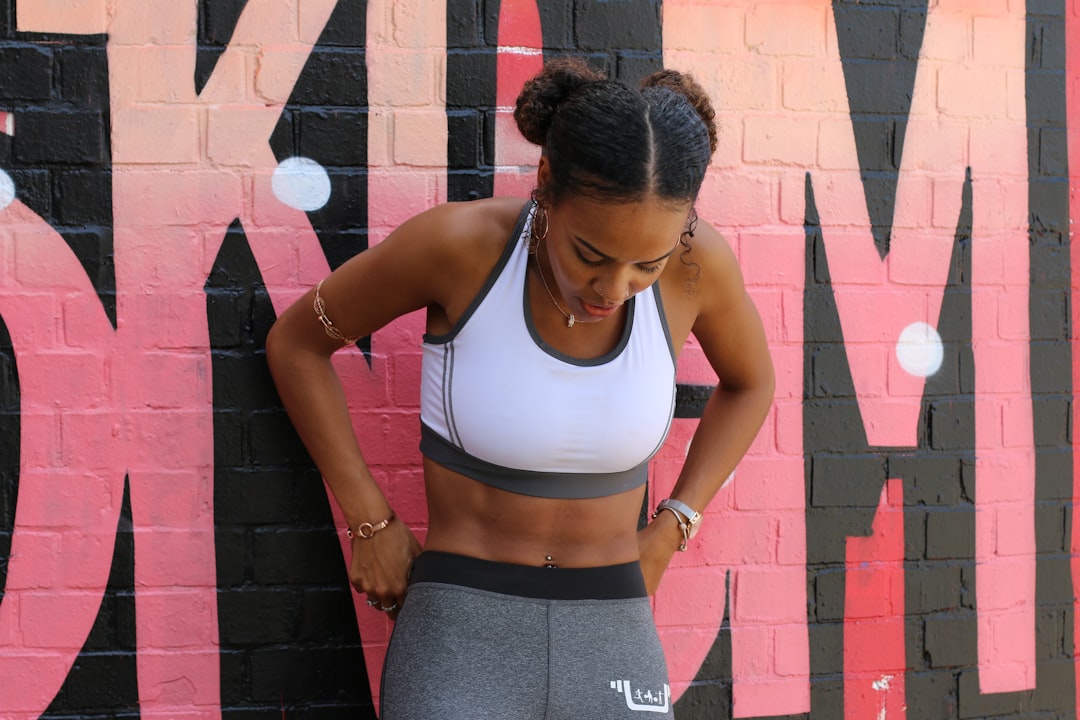
Struggling with stubborn belly fat can be frustrating, especially when generic advice ignores how your body actually works. This guide breaks down how to lose belly fat as a woman in the UK by understanding your unique hormonal cycle, adjusting your nutrition at the right times, and avoiding common diet mistakes. You’ll get clear, actionable steps to start seeing real changes, all based on reliable UK sources and practical experience. No jargon, just straightforward guidance for your fitness journey.
Why Standard Diet Plans Don't Account for Your Hormones
Most diet plans offer a one-size-fits-all approach, ignoring that women’s bodies operate on hormonal cycles that impact everything from appetite to fat storage. For example, oestrogen and progesterone levels fluctuate throughout the month, influencing insulin sensitivity and cravings. Around 60-70% of women report increased hunger or cravings before their period, yet many plans don’t consider this, leading to frustration and binge eating. A standard calorie deficit might work in theory but fails when hormonal shifts cause water retention or fat to cling more tightly to the abdomen.
A real scenario: A woman following a 1,500-calorie diet might notice fat loss stalling mid-cycle despite adherence because progesterone increases fat storage in the luteal phase. Recognising these patterns helps adjust strategies for better results. The NHS women’s health and nutrition resource emphasises that women’s dietary needs change with their hormonal cycle, supporting a more nuanced approach than generic plans suggest. For more on fitness guides, see our guide.
How Your Nutritional Needs Change Through Your Cycle
Your menstrual cycle lasts about 28 days and comprises three key phases that affect nutrient needs: the follicular phase (day 1 to ovulation), ovulation, and the luteal phase (post-ovulation to period start). In the follicular phase, rising oestrogen enhances metabolism and fat burning, making this a good time to focus on lean protein and steady carbohydrates to support energy.
During ovulation, energy peaks and muscle recovery improves, so slightly higher carbohydrate intake can fuel workouts effectively. After ovulation, in the luteal phase, progesterone rises, increasing appetite and cravings, especially for carbohydrate-rich foods. This phase requires a focus on nutrient-dense foods to prevent overeating while managing mood swings.
The British Nutrition Foundation outlines these changing needs clearly in their guidance on nutrition across the lifecycle, emphasising iron-rich foods during menstruation to replace losses and magnesium to support mood during the luteal phase. Tracking your cycle can help you time your meals and snacks to match these shifts and reduce belly fat more effectively.
If you'd rather not plan this manually, Milo generates your meals and workouts automatically.
The Foods That Support Hormonal Balance and Energy
Three common nutritional mistakes can undermine your progress:
-
Ignoring micronutrient needs: Women often miss out on iron, magnesium, and B vitamins, which affect energy and hormonal balance. Iron deficiency can lead to fatigue and increased belly fat storage around the abdomen. Including leafy greens, red meat, and fortified cereals helps avoid this.
-
Over-relying on restrictive diets: Slashing calories too low can disrupt hormonal signals, lowering metabolism and increasing fat retention. A moderate calorie deficit paired with balanced macros supports sustainable fat loss.
-
Neglecting healthy fats: Hormones are made from fats, so cutting all fats out can worsen hormonal imbalance. Incorporate sources like oily fish, nuts, and seeds to reduce inflammation and support hormonal health.
These principles align with the NHS Eatwell Guide which recommends a balanced plate of vegetables, protein, wholegrains, and healthy fats to support overall health and hormone function.
What to Eat Around Your Period, Ovulation and Luteal Phase
Eating according to your cycle phases can make a big difference in managing belly fat:
-
Period (menstrual phase): Focus on iron-rich foods like spinach, beans, and lean red meat to replenish losses and reduce fatigue. Hydration also helps with bloating.
-
Follicular phase: Increase protein and complex carbs such as oats and sweet potatoes to support rising oestrogen and muscle repair.
-
Ovulation: Higher energy needs mean adding slightly more carbs and maintaining good protein intake. Include colourful vegetables and fruits for antioxidants.
-
Luteal phase: Manage cravings by prioritising fibre-rich foods like wholegrain bread and legumes, and magnesium-rich nuts and seeds to support mood and reduce water retention.
Adjusting your eating in this way can reduce the common tendency to overeat during the luteal phase and support steady fat loss. This approach respects the hormonal shifts rather than fighting them.
Milo helps you stay consistent — no spreadsheets, no guesswork.
Building a Flexible Eating Approach That Works With Your Hormones
Start tracking your cycle for at least one month to identify your phases and symptoms. Plan your meals around the phases outlined, allowing flexibility to accommodate cravings without guilt. Aim to include protein with every meal, prioritise whole foods, and avoid extreme calorie restriction.
Set small weekly goals like adding an extra portion of vegetables or swapping snacks for nuts. Monitor changes in your belly fat and energy levels, adjusting your intake as needed. Remember that consistency across the cycle, not perfection, drives results. This flexible approach is sustainable and supported by UK nutrition experts, helping you lose belly fat while respecting your body’s natural rhythms. Learn more about the Milo and how it can help you get started.
Frequently Asked Questions
How long does meal prep take each week for a beginner?
Meal prep usually takes between 1 to 2 hours per week for beginners. Planning simple meals with batch cooking techniques can reduce daily cooking time, making healthy eating manageable. Starting with just 2–3 meals prepped can ease you in before increasing variety.
What should I include in a beginner workout plan to target belly fat?
A beginner workout plan should combine moderate cardio like brisk walking or cycling with strength exercises that engage core muscles, such as planks and bodyweight squats. Aim for 3 sessions a week, 30–45 minutes each, to improve fat loss and overall fitness.
How much does healthy eating cost in the UK on average?
Healthy eating in the UK can cost around £30–£50 per week when shopping smartly at supermarkets like Aldi or Lidl. Prioritising seasonal vegetables, whole grains, and affordable protein sources like beans and eggs keeps costs reasonable.
What’s the best way to start strength training at home as a beginner?
Begin with bodyweight exercises such as squats, lunges, push-ups, and planks. Perform 2–3 sets of 10–15 repetitions, 2–3 times per week. Focus on proper form before adding weights or resistance bands to avoid injury.
Can hormonal changes affect belly fat loss in women?
Yes, hormonal fluctuations throughout the menstrual cycle influence how women store and lose fat, especially around the belly. Progesterone increases fat storage in the luteal phase, while oestrogen promotes fat burning in the follicular phase, affecting weight loss patterns.
Get started with Milo. Start your 7-day free trial — from £7.99/month.
Disclaimer: This article is for informational purposes only and does not constitute medical, nutritional, or professional fitness advice. Always consult a qualified healthcare professional before making changes to your diet or exercise routine.
Leave a Reply