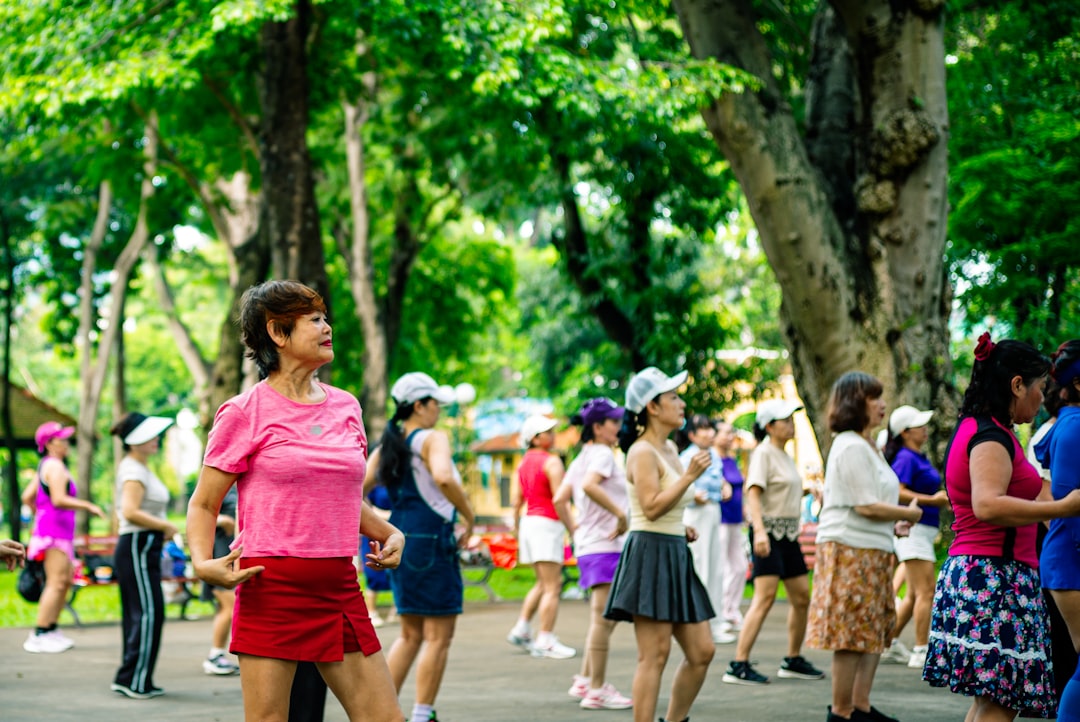
Sitting for prolonged periods can tighten hip flexors, leading to discomfort and reduced mobility, especially for women. This guide explores targeted hip flexor stretches designed specifically for women in the UK who spend much of their day seated. Incorporating these stretches improves posture, alleviates lower back pain, and supports overall hip health. Understanding how sitting affects the hip flexors and adopting practical routines can enhance daily comfort and fitness levels.
Why Standard Diet Plans Don't Account for Your Hormones
Hormonal fluctuations significantly influence women's nutritional needs and physical comfort. Hormones such as oestrogen and progesterone regulate metabolism, muscle function, and fluid balance, impacting energy levels and muscle tightness. Standard diet plans often overlook these variations, leading to suboptimal results. According to the NHS women's health and nutrition, women’s bodies undergo cyclical changes which require tailored nutritional and activity strategies.
For women who sit all day, hormonal shifts can exacerbate muscle tension, including in the hip flexors. For example, increased relaxin levels during certain phases of the menstrual cycle may affect joint stability, necessitating adjusted exercise intensity and recovery periods. Ignoring these factors can lead to frustration and ineffective fitness outcomes.
Integrating hormonal awareness into diet and exercise helps manage symptoms like stiffness and fatigue, which often coincide with prolonged sitting. This approach supports sustained mobility and wellbeing, especially in the UK climate where indoor sedentary behaviour is common. For more on nutrition for women UK, see our guide.
How Your Nutritional Needs Change Through Your Cycle
Nutritional needs vary distinctly across the menstrual cycle phases: follicular, ovulation, luteal, and menstruation. These changes affect energy production, muscle recovery, and inflammation, all critical for maintaining hip flexor health. The British Nutrition Foundation nutrition across the lifecycle outlines how energy requirements can increase by up to 10–15% during the luteal phase.
During the follicular phase, rising oestrogen improves insulin sensitivity, making carbohydrate utilisation more efficient. Women may benefit from balanced meals including wholegrain carbohydrates, lean proteins, and healthy fats. This phase supports building muscle strength and flexibility.
At ovulation, energy peaks, and women might tolerate higher intensity workouts and stretching routines more comfortably. Including iron-rich foods is vital, as iron demands rise, especially if menstruation follows soon after.
The luteal phase sees a drop in oestrogen and rise in progesterone, which can cause fluid retention and muscle stiffness. Increased protein intake and anti-inflammatory foods support recovery. UK supermarkets like Waitrose and Tesco stock seasonal vegetables and omega-3 rich fish that help manage inflammation.
During menstruation, blood loss increases the need for iron and hydration. Gentle stretching is recommended to ease cramping and muscle tension.
If you'd rather not plan this manually, Milo generates your meals and workouts automatically.
The Foods That Support Hormonal Balance and Energy
The three main dietary mistakes that disrupt hormonal balance and energy in women are inadequate iron intake, excessive refined sugars, and low healthy fat consumption. Each has tangible effects on muscle function and overall wellbeing.
Iron deficiency is common among UK women and can lead to fatigue and delayed muscle recovery, worsening hip flexor tightness. The NHS iron deficiency and women notes that 1 in 5 women of reproductive age are affected. Prioritising iron-rich foods like red meat, spinach, and fortified cereals helps maintain energy.
High intake of refined sugars causes blood sugar spikes and crashes, leading to fluctuating energy and increased inflammation, which can aggravate muscle soreness. Reducing sugary snacks in favour of whole foods supports sustained energy release.
Low healthy fat intake, especially omega-3 fatty acids, can impair hormone synthesis and inflammatory responses. Including sources such as oily fish, flaxseeds, and walnuts is crucial for muscle health and flexibility.
Balancing meals according to the NHS Eatwell Guide ensures a diverse intake of nutrients to support hormonal function and energy levels essential for effective stretching routines.
What to Eat Around Your Period, Ovulation and Luteal Phase
Contrary to popular belief, eating the same way throughout the menstrual cycle may undermine comfort and performance. Evidence suggests tailoring food choices to cycle phases optimises hormonal balance and muscle health. For example, during menstruation, incorporating at least 18mg of iron daily supports replacement of menstrual blood losses as recommended by the NHS iron deficiency and women.
Around ovulation, antioxidant-rich foods such as berries and green leafy vegetables help reduce oxidative stress, which can affect joint and muscle tissue. Consuming foods high in vitamin C aids collagen production, supporting connective tissue resilience.
In the luteal phase, complex carbohydrates with a low glycaemic index stabilise mood and energy. Foods like sweet potatoes and oats also provide fibre to address common digestive changes. Including magnesium-rich foods such as nuts and seeds helps relax muscles and reduces cramping.
Adjusting hydration is equally important; drinking at least 1.6 to 2 litres of water daily, especially during warmer months in the UK, supports muscle elasticity and reduces stiffness.
Milo helps you stay consistent — no spreadsheets, no guesswork.
Building a Flexible Eating Approach That Works With Your Hormones
Adopt a flexible eating plan that responds to your cycle by tracking phases and adjusting nutrient intake accordingly. Start by noting your menstrual cycle dates and symptoms for two months. Plan meals around cycle phases, increasing iron and hydration during menstruation, boosting protein and antioxidants at ovulation, and emphasising complex carbs and magnesium in the luteal phase.
Set weekly meal prep sessions to ensure availability of nutrient-dense foods aligned with these needs. Include a variety of whole foods from all groups per the Eatwell Guide to maintain overall balance.
Incorporate hip flexor stretches into your daily routine, pairing them with balanced nutrition to support muscle function. Learn more about the Milo and how it can help you get started.
Frequently Asked Questions
What are the best hip flexor stretches for women who sit all day in the UK?
The best hip flexor stretches for women who sit all day in the UK include the kneeling hip flexor stretch, seated butterfly stretch, standing quad stretch, pigeon pose, and lying leg raises. These exercises help lengthen the iliopsoas muscle and improve hip mobility. Performing these stretches daily for 5–10 minutes can reduce tightness caused by prolonged sitting.
How often should women who sit all day perform hip flexor stretches?
Women who sit all day should perform hip flexor stretches at least once daily, ideally 5–10 minutes per session. Regular stretching prevents muscle shortening, improves posture, and alleviates lower back discomfort. Consistency over several weeks is key to noticeable improvements in flexibility and pain reduction.
Can tight hip flexors from sitting affect women's posture and pain levels?
Yes, tight hip flexors from prolonged sitting can cause anterior pelvic tilt, leading to poor posture and lower back pain. This condition is common among women who spend extended periods seated. Stretching and strengthening surrounding muscles help correct alignment and reduce discomfort.
Are there specific nutritional considerations for women doing hip flexor stretches?
Nutritional support for women performing hip flexor stretches includes adequate protein for muscle repair, iron to prevent fatigue, and magnesium for muscle relaxation. Including whole foods as per the NHS Eatwell Guide ensures balanced nutrient intake, supporting muscle flexibility and recovery.
Is it safe to stretch hip flexors every day for women who sit all day?
Yes, it is safe for women who sit all day to stretch hip flexors daily, provided the stretches are performed gently and without pain. Daily stretching improves muscle length and joint mobility. If discomfort occurs, reducing intensity or consulting a healthcare professional is advised.
Get started with Milo. Start your 7-day free trial — from £7.99/month.
Disclaimer: This article is for informational purposes only and does not constitute medical, nutritional, or professional fitness advice. Always consult a qualified healthcare professional before making changes to your diet or exercise routine.
Leave a Reply