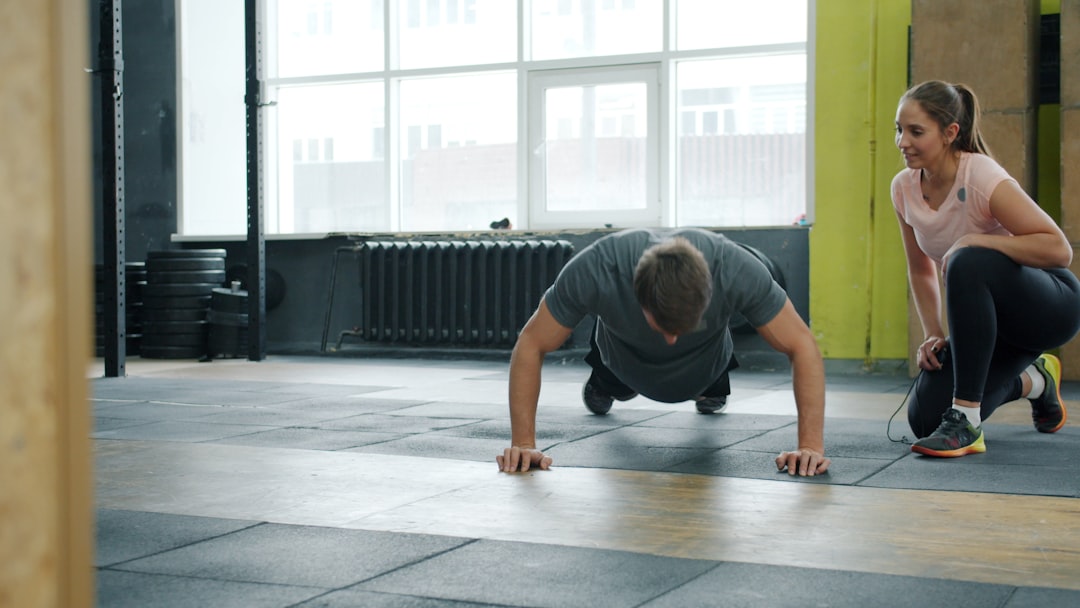
High-intensity interval training (HIIT) is a popular and efficient way for women in the UK to improve fitness and lose fat without leaving home. HIIT workouts combine short bursts of intense exercise with recovery periods, making them ideal for busy schedules. This guide explains how to do HIIT workouts at home safely and effectively, considering women's unique physiology and cycle-related energy changes. Tailored advice helps you optimise performance and recovery while preventing burnout or injury. For more on nutrition for women UK, see our guide.
Why Standard Diet Plans Don't Account for Your Hormones
Standard diet plans often miss how women's hormones affect energy, metabolism, and nutrient needs. Hormones such as oestrogen and progesterone fluctuate throughout the menstrual cycle, impacting appetite, fat storage, and muscle recovery. The NHS women's health and nutrition guidelines highlight that these hormonal changes can alter energy requirements by up to 10–15% depending on the cycle phase. Ignoring this leads to diets that may cause fatigue or hinder progress. Tailored nutrition and exercise plans that respect these hormonal shifts improve adherence and outcomes by working with the body's natural rhythms.
How Your Nutritional Needs Change Through Your Cycle
Women's nutritional needs vary distinctly across menstrual phases. The British Nutrition Foundation explains that during the follicular phase (days 1–14), energy levels and insulin sensitivity tend to be higher, supporting greater carbohydrate intake and intense training. Around ovulation, protein needs increase to support muscle repair. The luteal phase (days 15–28) often brings increased appetite and cravings, with elevated progesterone increasing basal metabolic rate by about 5–10%. This phase benefits from balanced meals rich in fibre, iron, and magnesium to counteract fatigue and mood swings. UK supermarkets such as Tesco and Sainsbury's offer seasonal fresh produce ideal for this cycle-based nutrition approach.
If you'd rather not plan this manually, Milo generates your meals and workouts automatically.
The Foods That Support Hormonal Balance and Energy
The three most common dietary mistakes that disrupt hormonal balance and energy are: 1) Skipping meals, which can cause blood sugar crashes and increased cortisol; 2) Relying heavily on processed foods that lack micronutrients essential for hormone synthesis; 3) Insufficient iron intake, leading to anaemia and poor exercise recovery. The NHS Eatwell Guide recommends a diet rich in whole grains, lean proteins, healthy fats, and ample fruits and vegetables to support balanced hormones and sustained energy. Including sources of omega-3 fatty acids like oily fish, nuts, and seeds supports inflammation control and brain health during hormonal fluctuations.
What to Eat Around Your Period, Ovulation and Luteal Phase
Contrary to popular belief, eating more during the luteal phase does not inevitably cause weight gain. In fact, NICE menopause and diet guidance note that energy expenditure rises by approximately 100–300 calories per day in this phase due to increased basal metabolic rate. Around your period, focus on iron-rich foods such as spinach, lentils, and red meat to replenish losses and reduce fatigue. During ovulation, higher protein intake from poultry, eggs, and dairy supports tissue repair and muscle growth. Eating a diverse range of colourful vegetables and whole grains throughout the cycle ensures adequate vitamins and minerals, stabilising mood and energy.
Milo helps you stay consistent — no spreadsheets, no guesswork.
Building a Flexible Eating Approach That Works With Your Hormones
Create a weekly nutrition plan that aligns meals with your menstrual cycle phases. Start with higher carbohydrate and protein intake in the follicular and ovulation phases to fuel workouts and recovery. Transition to balanced, nutrient-dense meals rich in magnesium and iron during the luteal and menstrual phases to manage energy dips and cravings. Track your cycle and adjust portion sizes and food choices accordingly. Preparing meals ahead with seasonal UK ingredients helps maintain consistency.
Frequently Asked Questions
How do I start HIIT workouts at home as a woman in the UK?
Start HIIT workouts at home by choosing 4–6 bodyweight exercises like squats, lunges, or jumping jacks. Perform each exercise intensely for 20–30 seconds followed by 30–60 seconds of rest. Repeat the circuit 3–4 times, 3 times per week. Adjust intensity based on your menstrual cycle to optimise energy and recovery.
What is the best time in my cycle to do HIIT workouts?
The follicular phase (days 1–14) is best for intense HIIT workouts due to higher energy and insulin sensitivity. During the luteal phase (days 15–28), reduce intensity and focus on lower-impact activities. This approach aligns with hormonal energy fluctuations and supports consistent progress.
How long should HIIT sessions last for women exercising at home?
HIIT sessions for women at home should last between 15 and 30 minutes. This duration is effective for improving cardiovascular fitness and burning fat without causing excessive fatigue or injury.
Can I lose weight doing HIIT workouts at home in the UK?
Yes, HIIT workouts can contribute to weight loss by increasing calorie burn and boosting metabolism. When combined with a balanced diet aligned with your hormonal cycle, HIIT supports fat loss and muscle retention effectively.
Do I need special equipment for HIIT workouts at home?
No special equipment is needed for effective HIIT workouts at home. Bodyweight exercises such as burpees, mountain climbers, and sprinting in place can provide sufficient intensity. Optional items like dumbbells or resistance bands can add variety.
Get started with Milo. Start your 7-day free trial — from £7.99/month.
Disclaimer: This article is for informational purposes only and does not constitute medical, nutritional, or professional fitness advice. Always consult a qualified healthcare professional before making changes to your diet or exercise routine.
Leave a Reply