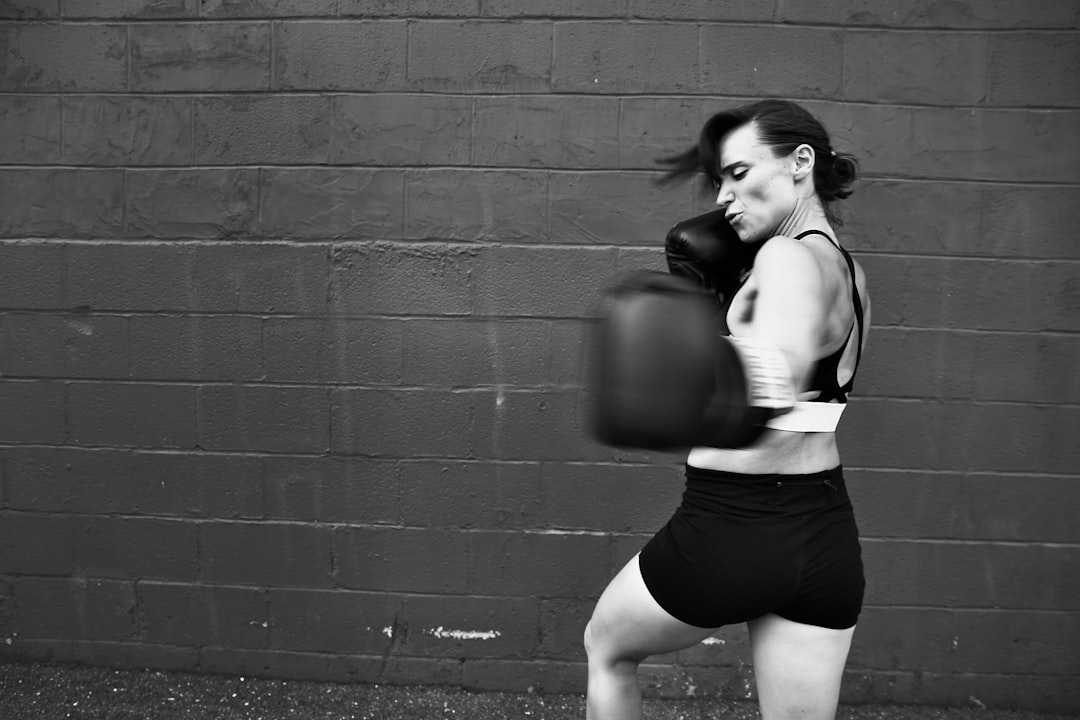
Exercising during your period often feels like a battle against your own body, but it shouldn’t be. Around 75% of women experience some form of menstrual discomfort that can make physical activity seem unbearable. Yet, exercising can actually ease cramps, improve mood, and maintain fitness without worsening symptoms. This guide explains how to adapt workouts during your period in the UK, focusing on strength training, cardio, and flexibility exercises proven to support women’s health through all cycle phases.
The "Getting Bulky" Fear That's Keeping Women Away From the Weights Room
"Getting bulky" is the misconception that women will gain excessive muscle mass similar to men simply by lifting weights. Bulking is a process requiring sustained calorie surplus, high testosterone levels, and targeted training. Women naturally have 5 to 10 times less testosterone than men, making significant muscle hypertrophy extremely difficult without steroids or hormones. The average woman lifting weights will gain strength and muscle tone but not large mass. This myth discourages women from strength training, which is essential for metabolic health, bone density, and overall fitness.
The NHS recommends strength exercises to maintain muscle and bone health, which is particularly important for women who face muscle loss after menopause [NHS strength training guidelines]. Avoiding weights due to this fear means missing out on vital health benefits. For more on nutrition for women UK, see our guide.
What Strength Training Actually Does to a Woman's Body
Strength training does not bulk women up but improves muscle tone, endurance, and metabolism. It increases lean muscle mass, which burns more calories at rest and supports fat loss. The process involves lifting weights or resistance exercises targeting all major muscle groups in controlled sets and reps.
Workouts can be done at home with dumbbells or at UK gyms like PureGym or The Gym Group, where equipment is widely available. Supermarkets such as Tesco and Sainsbury's offer affordable resistance bands and kettlebells for beginners. Following NHS guidelines, adults aged 19 to 64 should engage in muscle-strengthening activities on 2 or more days a week to benefit heart health, weight management, and mental wellbeing [NHS physical activity for women].
During your period, reduce intensity if needed but maintain consistency. Strength work also improves bone density, reducing osteoporosis risk later in life [NHS bone health and strength training].
If you'd rather not plan this manually, Milo generates your meals and workouts automatically.
Why Women Who Lift Achieve Better Results Faster
The three common mistakes that delay women's progress are: 1) avoiding weights due to bulking fears, resulting in slower fat loss; 2) inconsistent training that prevents strength gains; 3) neglecting nutrition needed to fuel workouts and recovery. These errors cause plateaus, muscle loss, and frustration.
Women who incorporate regular strength training with proper nutrition burn fat more efficiently and build lean muscle, which reshapes the body without bulk. They also experience improved energy and mental clarity. Ignoring strength training leads to muscle atrophy and slower metabolism, which can worsen period symptoms and overall fitness.
The key is progressive overload — gradually increasing weight or reps — alongside adequate protein intake and rest.
How to Start Strength Training With Confidence
Starting with light resistance exercises twice weekly is sufficient. Begin with bodyweight moves like squats and push-ups, then add weights once comfortable. The NHS recommends at least two days of strength training weekly to maintain muscle and bone health, which applies during menstruation as well [NHS strength training guidelines].
Focus on form over intensity and allow 48 hours rest between sessions. Track progress with simple logs and aim for gradual increases. This builds confidence and reduces injury risk. Strength training also helps combat muscle loss associated with hormonal changes during menopause, making early adoption beneficial [NHS menopause and muscle loss].
The evidence is clear: lifting weights does not bulk women up but empowers them to maintain functional fitness and manage period symptoms better.
Milo helps you stay consistent — no spreadsheets, no guesswork.
Your First Four Weeks in the Weights Room
Start with two strength sessions per week focusing on major muscle groups: legs, back, chest, core, and arms. Perform 2 sets of 8–12 controlled repetitions per exercise. Incorporate low-impact cardio and stretching on non-strength days to aid recovery.
Week 1–2: Bodyweight exercises and light dumbbells, focusing on technique.
Week 3–4: Gradually increase weights and volume keeping rest periods of 60–90 seconds between sets.
Adjust intensity based on how you feel during your period; some days may require lighter loads or shorter sessions.
Consistent strength training following NHS guidelines supports bone health and reduces period-related fatigue [NHS bone health and strength training]. Learn more about the Milo and how it can help you get started.
Frequently Asked Questions
Can I exercise during my period in the UK?
Yes, you can exercise during your period in the UK. Moderate exercise such as walking, yoga, or strength training can reduce cramps and improve mood. The NHS recommends maintaining physical activity during menstruation to support overall health and wellbeing.
What type of exercise is best during your period?
Low to moderate intensity exercises like walking, swimming, gentle yoga, and light strength training are best during your period. These activities promote circulation and release endorphins, which help alleviate menstrual discomfort, according to NHS guidelines.
Does strength training help with period symptoms?
Strength training helps manage period symptoms by boosting endorphins, improving muscle tone, and supporting bone health. The NHS advises adults do strength exercises twice weekly, which can reduce fatigue and cramps during menstruation.
Is it normal to feel fatigued when exercising on your period?
Feeling fatigued during your period is common due to hormonal fluctuations and blood loss. However, light to moderate exercise can combat tiredness by increasing energy levels and improving circulation, as supported by NHS physical activity guidelines.
How often should women exercise during their period?
Women should aim to maintain regular physical activity during their period, adjusting intensity based on symptoms. The NHS recommends at least 150 minutes of moderate aerobic activity weekly, plus strength training on two or more days, even during menstruation.
Get started with Milo. Start your 7-day free trial — from £7.99/month.
Disclaimer: This article is for informational purposes only and does not constitute medical, nutritional, or professional fitness advice. Always consult a qualified healthcare professional before making changes to your diet or exercise routine.
Leave a Reply