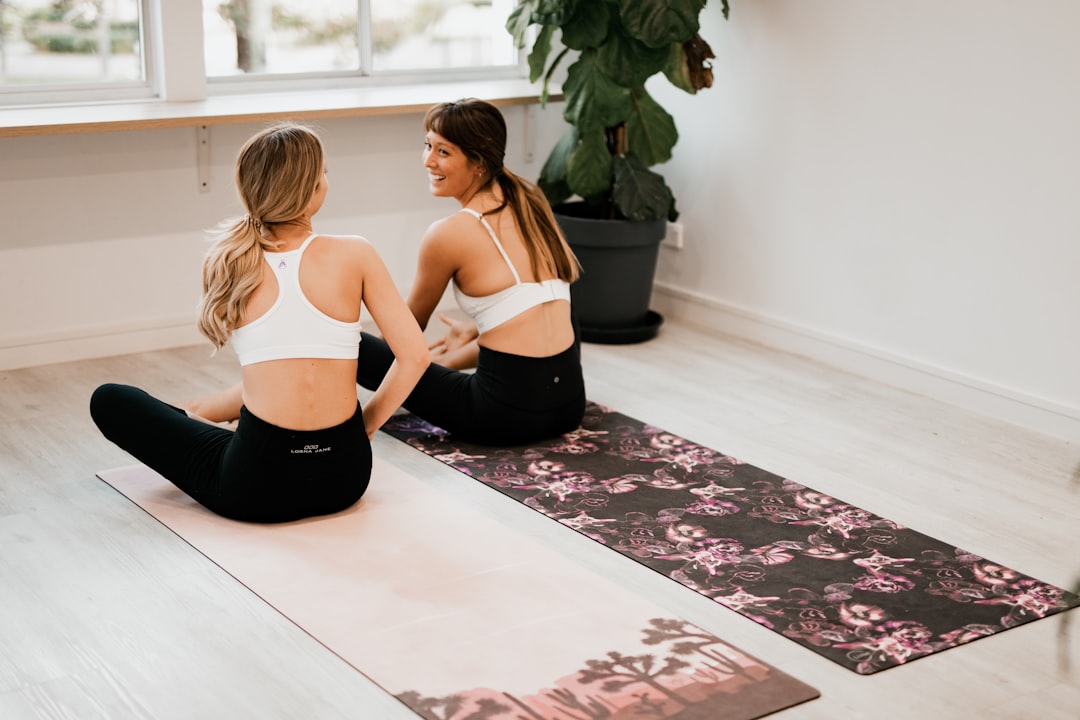
Starting postpartum fitness can feel overwhelming, especially in Bristol's busy lifestyle. This guide breaks down a realistic 7-day fitness plan tailored for UK new mums, focusing on gentle movement, nutrition, and recovery. Learn how batch cooking with Tesco or Aldi groceries can fuel your body without extra stress. You'll find clear, evidence-based advice to help you regain strength safely and boost wellbeing.
Understanding Postpartum Fitness Foundations
Postpartum fitness is about rebuilding strength, improving mobility, and supporting recovery after childbirth. Your body has undergone significant changes, so starting gradually is essential. The pelvic floor and core muscles need particular attention because they are often weakened during pregnancy and delivery. Exercises that focus on these areas help prevent future issues like incontinence or back pain.
Physiological changes mean your energy levels will fluctuate, so a balanced approach with rest days is crucial. For example, gentle walking or pelvic floor exercises on some days combined with light strength training on others can build endurance without overloading your body. This phased approach respects your body’s healing timeline and reduces injury risk. For more on how to meal prep on a budget in the UK, see our guide.
Practical Steps to Start Your Postpartum Fitness
Begin with simple, achievable actions that fit into your daily routine. Aim to dedicate around 20–30 minutes each day to movement, gradually increasing intensity as you feel stronger. Here’s a straightforward weekly example:
- Day 1: Pelvic floor exercises and gentle walking for 20 minutes.
- Day 2: Rest or light stretching.
- Day 3: Bodyweight strength exercises like squats and modified planks.
- Day 4: Rest or gentle yoga focusing on breathing.
- Day 5: Walking with light intervals of brisk pace.
- Day 6: Core stability exercises.
- Day 7: Rest and prepare meals for the upcoming week.
Batch cooking using ingredients from Tesco or Aldi, such as lean proteins, seasonal vegetables, and whole grains, helps maintain energy levels and reduces mealtime stress. Prepare large portions of stews or casseroles that can be refrigerated and reheated, ensuring nutritious leftovers.
If you'd rather not plan this manually each week, Milo App can generate your meals and workouts automatically — just set your goal and it handles the rest.
Common Challenges and How to Overcome Them
Many new mums struggle with fatigue, lack of time, and motivation. It’s normal to feel overwhelmed, especially when balancing a new baby’s needs. Fatigue can make exercise seem daunting, so prioritise short sessions and listen to your body’s signals.
Another common mistake is rushing into intense workouts too soon. This can lead to injury or setbacks. Focus instead on consistency and gradual progress. Lack of sleep may also disrupt your routine; try scheduling workouts during times when you feel most alert, such as after a nap or in the morning.
According to the NHS calorie guidelines: The NHS recommends an average of 2,000 calories per day for women and 2,500 for men, though this varies based on your size and activity level.
If motivation dips, consider joining local postnatal exercise groups or walking with friends to make activity more enjoyable and social. Remember, rest days are part of the plan and essential for recovery.
Advanced Tips for Optimising Your Postpartum Fitness
Once the basics feel manageable, you can add variety and challenge to your routine. Incorporate resistance bands or light weights to increase strength training intensity. Try low-impact cardio activities like swimming or cycling, which are gentle on joints and excellent for cardiovascular health.
Pay close attention to your nutrition by incorporating foods rich in iron and protein to support recovery and energy. Planning meals around UK seasonal produce can add variety and flavour. Also, practice mindful breathing and relaxation techniques to manage stress, which supports overall wellbeing and fitness progress.
Tracking your progress with a simple journal or calendar can help you stay motivated and adjust your plan based on how you feel. Remember, flexibility is key—your plan should evolve with your body’s needs.
According to the NHS physical activity guidelines: The NHS recommends adults do at least 150 minutes of moderate activity or 75 minutes of vigorous activity per week.
Milo App helps you stay consistent by turning your preferences into a ready-made plan — no spreadsheets, no guesswork, no starting from scratch every week.
Putting It All Together
Postpartum fitness in Bristol is entirely achievable with a thoughtful approach tailored to your recovery and lifestyle. Start with gentle exercises focusing on your pelvic floor and core, gradually adding strength and cardio activities as you feel ready. Combine this with batch cooking and nutritious meals from local supermarkets to support your energy and healing.
By following a clear 7-day plan that balances exercise, rest, and nutrition, you’ll build strength and confidence steadily. Remember, this journey is about progress, not perfection, and your wellbeing is the priority every step of the way. Learn more about the Milo App and how it can help you get started.
Frequently Asked Questions
How soon after giving birth can I start postpartum fitness?
You can generally begin gentle activities like pelvic floor exercises and walking soon after birth, often within a few days or weeks, depending on your delivery and recovery. Always check with your midwife or GP, especially if you had a caesarean or complications.
Can I do postpartum fitness if I have limited time and a newborn?
Yes, short sessions of 20–30 minutes can be effective. Focus on exercises you can do at home, like bodyweight moves or walking with your baby in a sling or stroller. Batch cooking meals also frees up time for fitness by reducing daily cooking demands.
I’m worried about injuring myself. How can I exercise safely postpartum?
Start slowly with low-impact, gentle exercises focusing on pelvic floor and core strength. Avoid high-intensity workouts until you regain strength. Listening to your body and stopping if you feel pain or discomfort is essential. Consulting a physiotherapist can provide personalised guidance.
What’s the best way to structure postpartum fitness throughout the week?
Create a balanced weekly plan with 3–4 days of light to moderate exercise and rest or active recovery days in between. Include pelvic floor work daily, gentle cardio like walking, and strength exercises a few times a week. Batch cook meals on rest days to maintain energy without extra stress.
Build your plan automatically with Milo App. Download Milo App and get your first week free — from £7.99/month after that.