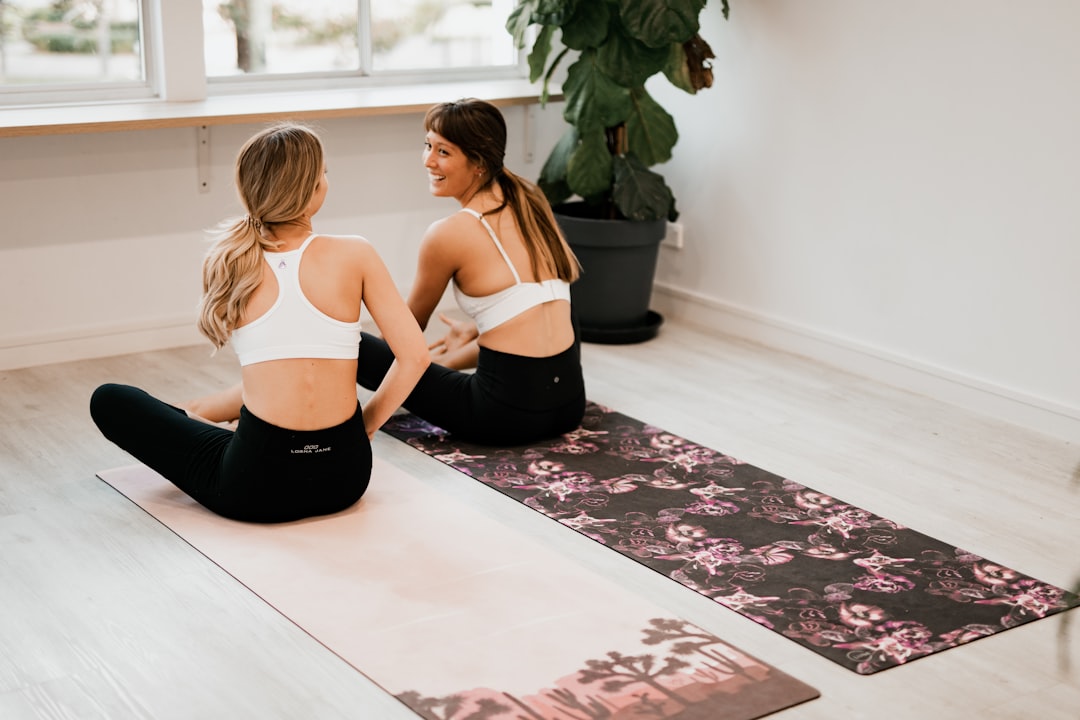
Finding the right home workout for women in the UK can be challenging, but this guide breaks down a practical 7-day routine. You'll learn how to structure workouts, incorporate batch cooking for energy, and use common UK supermarket ingredients to fuel your fitness journey. Whether limited by space or time, this approach fits busy lifestyles and helps build strength and stamina gradually.
Understanding the Foundation of Home Workouts for Women
A successful home workout plan hinges on consistency, variety, and realistic goals. For women especially, workouts that combine strength, cardio, and flexibility address multiple fitness needs simultaneously. Scientific reasoning supports short, frequent sessions over sporadic long workouts because they improve metabolism and muscle tone effectively. For example, bodyweight exercises like squats, lunges, and modified push-ups target major muscle groups without equipment, reducing barriers.
In the UK, space and equipment can be limited, so focusing on exercises that require no or minimal gear helps maintain motivation. Nutrition also plays a critical role; choosing ingredients from UK supermarkets that support energy levels and muscle recovery—like oats, eggs, seasonal vegetables, and lean proteins—makes the workout plan sustainable. For more on home workouts for women UK, see our guide.
Practical Implementation of Your 7-Day Home Workout
To start, design your week with a balance of workouts and rest days. For example, Monday, Wednesday, and Friday can be strength-focused, Tuesday and Thursday light cardio or yoga, and weekends active rest or stretching. Aim for sessions lasting 30-40 minutes to fit easily around daily commitments.
Here’s a simple structure to follow:
- Begin each session with a 5-minute warm-up, such as brisk walking on the spot or gentle dynamic stretches.
- For strength days, perform 3 sets of 10-15 reps of exercises like wall sits, glute bridges, and planks.
- Include 20 minutes of moderate cardio on cardio days, such as step-ups on a sturdy chair or dancing.
- Use Sunday for gentle yoga or mobility work to aid recovery.
- Plan meals in advance using batch cooking to save time and fuel workouts, cooking staples like brown rice, grilled chicken, and steamed vegetables in bulk.
Preparing meals in bulk from Tesco or Aldi ensures you have nutritious options ready, reducing the temptation to skip meals or choose less healthy snacks.
Common Challenges and Mistakes to Avoid
Many women struggle with motivation, time constraints, or uncertainty about correct form. One frequent mistake is trying to do too much too soon, leading to burnout or injury. It’s better to start slow and build intensity gradually. Another challenge is inconsistent nutrition; skipping meals or relying on processed foods undermines workout benefits.
Lack of space can also be a barrier. If your flat or home is small, focus on exercises that require minimal room, such as planks or seated exercises. Avoid comparing progress to others; everyone's fitness journey is unique. Tracking your workouts with a simple journal can help maintain accountability without pressure.
According to the NHS calorie guidelines: The NHS recommends an average of 2,000 calories per day for women and 2,500 for men, though this varies based on your size and activity level.
Finally, neglecting rest days is common but counterproductive. Recovery allows muscles to rebuild and prevents fatigue.
Advanced Tips and Optimisation for Home Workouts
Once you’re comfortable with the basics, you can optimise your routine by adding resistance bands or light dumbbells, which Tesco and other UK retailers often stock. These tools increase muscle engagement and variety. Also, incorporating interval training—short bursts of high intensity followed by recovery—boosts cardiovascular fitness efficiently.
Nutrition-wise, consider timing meals around workouts; a small snack with carbs and protein about an hour before exercise can enhance performance. Drinking plenty of water is crucial, especially during warmer months in the UK.
Tracking progress with photos or simple strength tests helps you see improvements beyond the scales. Finally, mixing up your workouts keeps motivation high—try different online classes or dance routines that reflect British cultural favourites.
According to the NHS physical activity guidelines: The NHS recommends adults do at least 150 minutes of moderate activity or 75 minutes of vigorous activity per week.
Putting It All Together into a Weekly Plan
Combining these elements, your 7-day home workout plan for women in the UK becomes manageable and effective. Start each day with a clear goal: whether it’s improving strength, boosting energy, or simply moving more. Use batch cooking to ensure your meals support your activity levels, making use of familiar supermarket ingredients to keep things straightforward.
Remember, success comes from consistency and listening to your body. Adjust intensity based on how you feel, and celebrate small wins. With this balanced approach, you’ll build fitness sustainably, fitting exercise and nutrition into your daily life without stress or unrealistic demands. Learn more about the Milo App and how it can help you get started.
Frequently Asked Questions
How long does it take to see results from a home workout for women in the UK?
Typically, you can notice improved strength and energy within 3 to 4 weeks of consistent workouts. Visible changes like muscle tone may take 6 to 8 weeks, depending on your routine and nutrition. The key is consistency and combining exercise with balanced meals from local supermarkets.
Can I do a home workout if I have limited space or no equipment?
Absolutely. Many effective exercises use just your body weight and require minimal space, such as squats, lunges, and planks. Focus on routines that fit your living area, and use household items like water bottles as light weights if needed.
What if I struggle to find time for daily workouts during a busy UK lifestyle?
Shorter sessions of 20-30 minutes can be just as effective if done regularly. Try splitting workouts into morning and evening or fitting them around daily tasks. Planning ahead and batch cooking meals can free up extra time for exercise.
How do I avoid common mistakes like injury or burnout when working out at home?
Start with low-intensity exercises and proper warm-ups. Focus on correct form rather than speed or reps. Include rest days to allow recovery. Listening to your body and gradually increasing intensity reduces risk of injury or burnout.
Build your plan automatically with Milo App. Download Milo App and get your first week free — from £7.99/month after that.